
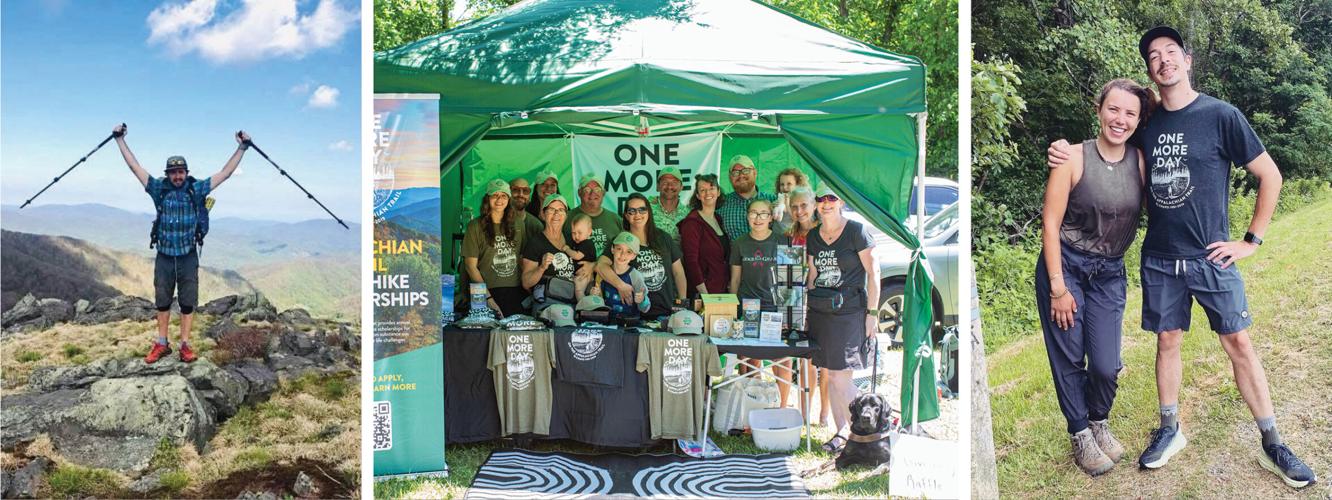
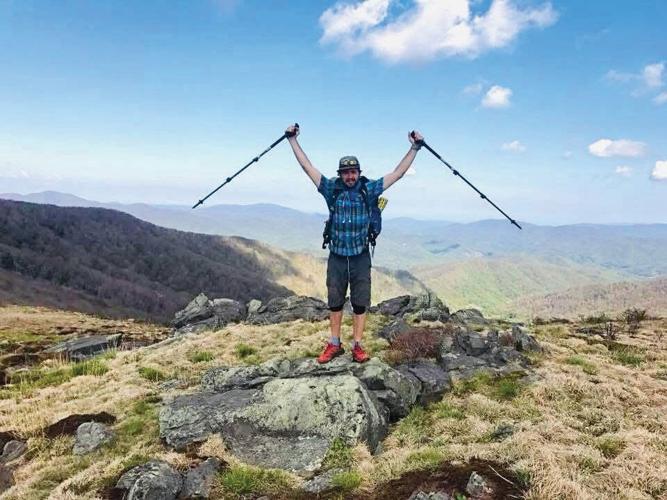
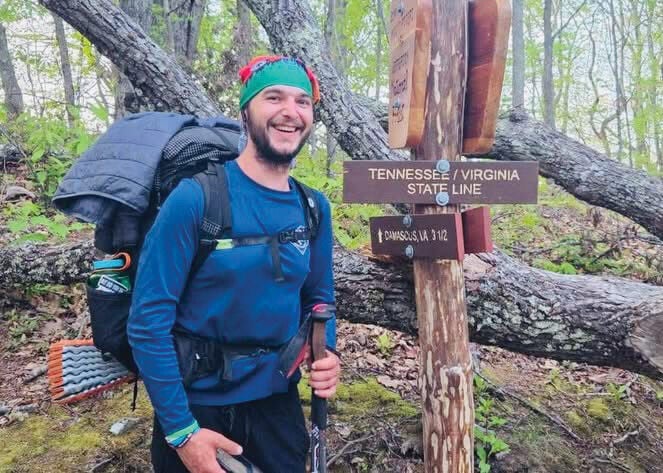
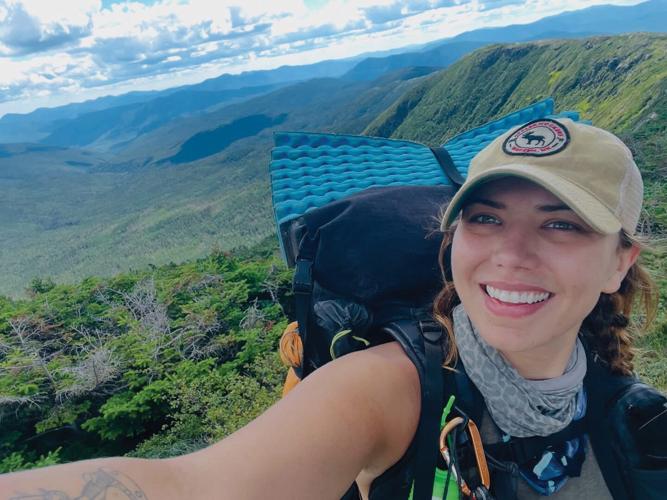
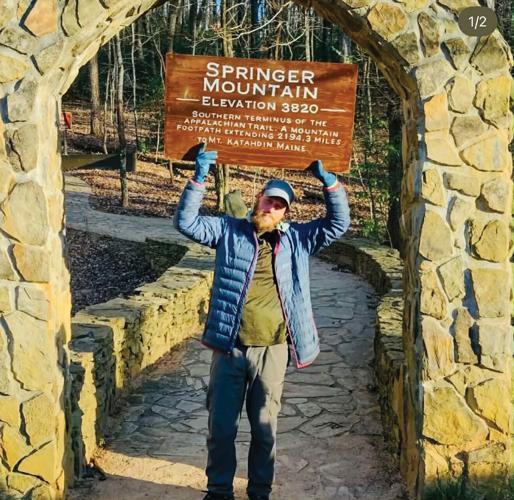
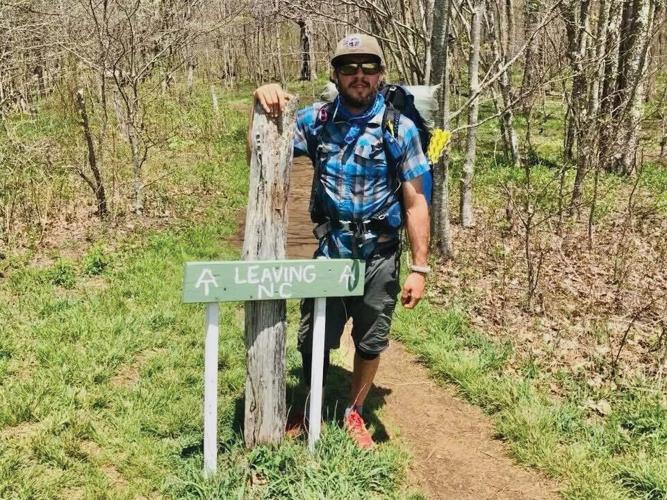

In 2018, Nate Loftis set out to hike the Appalachian Trail with his cousin. This was the journey that would bring into clear view the direction he wanted his life to take. For years, Nate had struggled with substance use disorder after a back injury and an opioid prescription changed the trajectory of his life. But Nate had gone through treatment and fought for his recovery. Somewhere among the mountains, shelters, strangers and miles of the Appalachian Trail, he found something else he needed: community, purpose and a sense of belonging.
On the trail, Nate fell in with an unusually large group of hikers who became his “tramily,” the affectionate term for the makeshift families that form among strangers walking the more than 2,000-mile route. They called themselves the Rochers (pronounced Rokers), a name born after Nate mangled the pronunciation of Ferrero Rocher candy. It was the kind of joke that suited him.
“Nate was so much fun,” his cousin Mike Freeman remembers. “He was wild and rambunctious,” with a magnetic personality and a willingness to help almost anyone.

More importantly, on the trail, he was happy. Nate hiked 786 miles of the Appalachian Trail before going back to work. His family wanted desperately for the happiness to last.
In 2019, Nate relapsed. And this time, it took his life. Not long after his death, his family heard from Jeff, the driver of Nate’s tour bus, who wanted to return his belongings. Jeff maneuvered the enormous bus down the family’s small residential street and unloaded Nate’s large gear box. But it was the smallest item he returned that carried the most meaning.
It was a Ferrero Rocher.
Jeff explained that when he changed the sheets on the bus, he would find the candy in Nate’s bunk. He didn’t know why it was there, only that it seemed important to Nate, so he always left it alone. It wasn’t until Jeff read Nate’s obituary and learned about the Rokers that he understood.
“He felt like it was something that was keeping Nate going and keeping him in sobriety, and helping him stay on the path,” his mother Babs Freeman-Loftis says. “Nate just dreamed of getting back out on the trail.”
Two months after Nate died, his family traveled to Erwin, Tenn., to the Beauty Spot, one of the trail’s most beloved views. His tramily came from all over the country to remember Nate and spread some of his ashes. They shared stories of the life lost and the spirit that inspired them. And during the following months, his family couldn’t stop thinking about the trail. It had given Nate something, and his family began wondering whether they could do the same for someone else.

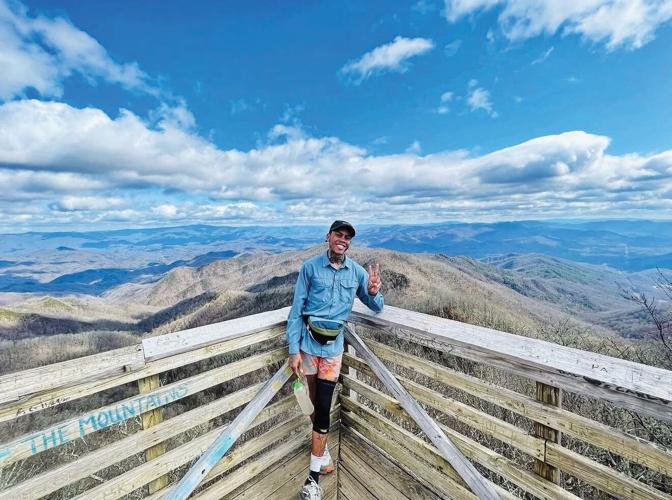
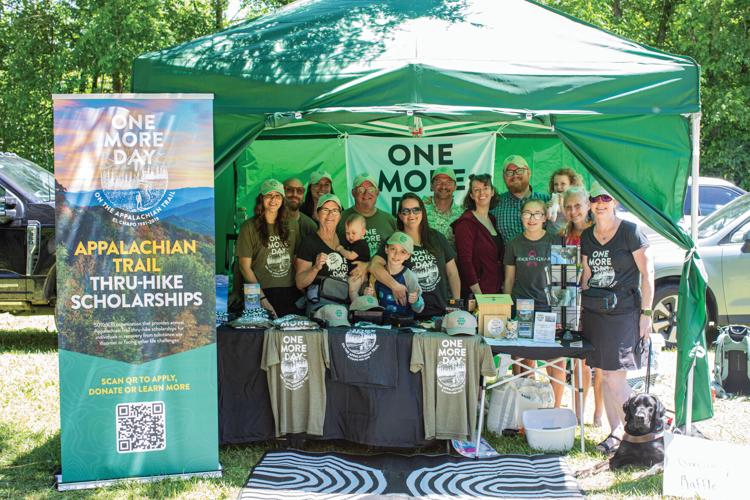
What Nate found on the trail eventually inspired his parents, Babs and Tom Loftis, to create One More Day on the Appalachian Trail, a nonprofit that helps people facing substance use disorder and other life challenges experience the same sense of possibility Nate found there. Since 2022, the organization has sponsored 11 hikers, helping with gear, transportation and expenses along the way. Four received sponsorships during the first year. Adam Dube, nicknamed “Cinnabun,” was one of them.
“I think [the scholarship] meant hope,” he explains. “I was recently sober after 15 years, and didn’t know who I was or where to go from where I was. I was kind of lost, and the scholarship gave me the chance to wander, slow down and reflect on what I wanted out of life.”
Adam finished the Appalachian Trail — and kept walking. He went on to complete the Florida Trail and half the Continental Divide Trail. Today, he is working, has a relationship and remains connected to the outdoors.
Although Babs and Tom initially envisioned the program for people in recovery from substance use disorder, the applications revealed a broader need. They heard from people facing all kinds of life-altering challenges, including a young woman who had left a strict religious community after years of abuse and wanted to discover who she was outside it.

For many, hiking has become a release and an escape. “There are ways to escape from the rat race to get out into nature to find solitude, to find peace, to find other people who are like-minded who are out there for the same reasons you are,” says Tom. “It’s a 2,200-mile community ... that’s 10 feet wide.”
Babs and Tom are careful not to suggest the trail can replace treatment. “We do not claim to know anything about addiction recovery,” Babs says. Traditional treatment and 12-step programs save lives, she adds, but for Nate, the outdoors offered something extra.
Before his death, Nate had begun imagining a future that would keep him connected to the place where he had found so much happiness. He, his cousin and one of his closest trail friends dreamed of becoming guides on the Appalachian Trail, helping people who might not believe they could navigate it alone.
“He said, ‘Mom, it’d be so cool if I could help people like me,’” Babs remembers. Nate imagined accompanying hikers for a section or perhaps the entire trail, helping set up tents, plan routes and find places to stay along the way.
That plan never came to fruition. But through One More Day on the Appalachian Trail, Babs and Tom have found another way to carry it forward, one hiker at a time. As One More Day looks toward its next group of hikers, 2027 scholarship applications are open Sept. 15 through Nov. 30.
“In a way, I feel like this organization is doing that,” Babs says. “Nate’s able to guide people outdoors now.”
Editor’s note: Mike Freeman, Nate’s cousin, is one of the owners of FW Publishing, which publishes the Nashville Scene, the Nashville Post, Nfocus and the Williamson Scene.


Commented
Sorry, there are no recent results for popular commented articles.