
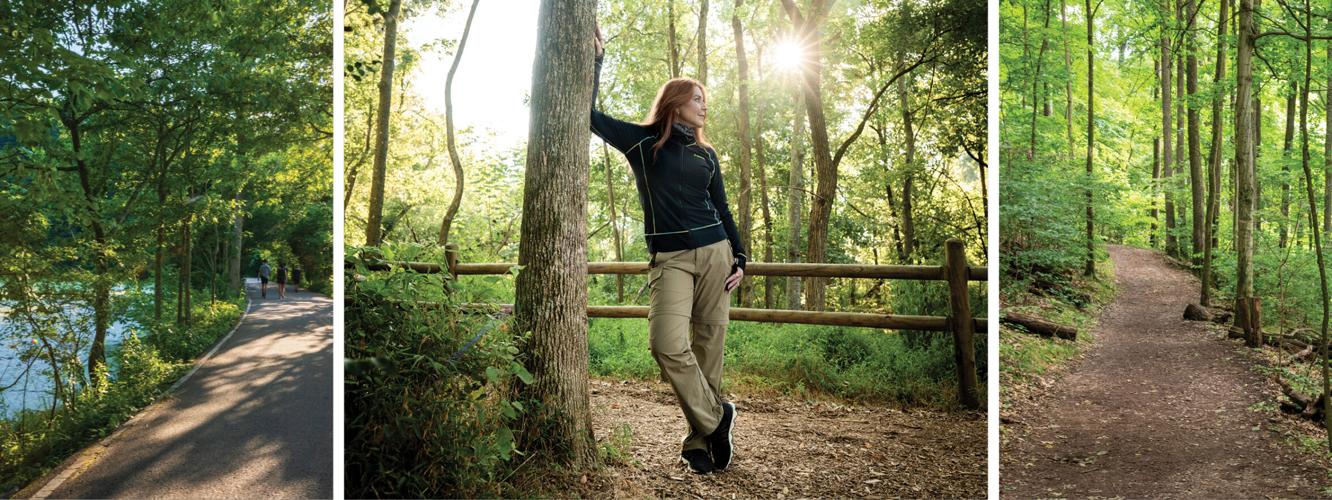
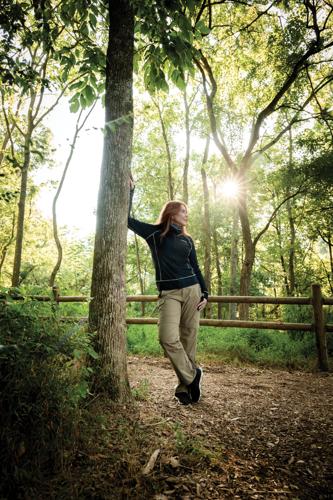
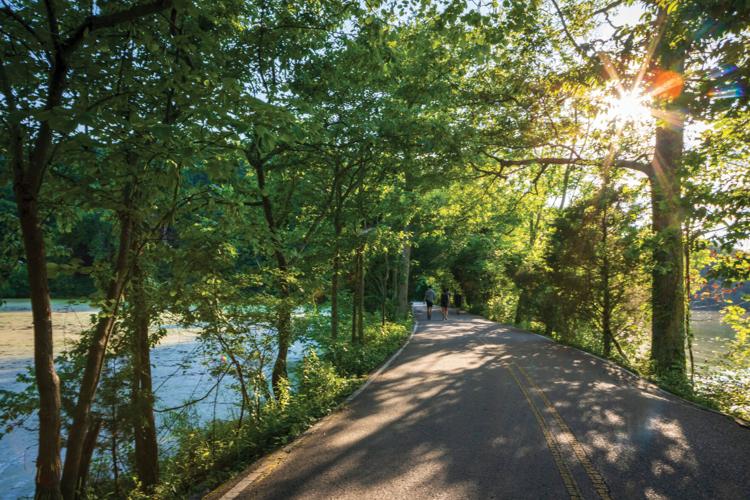

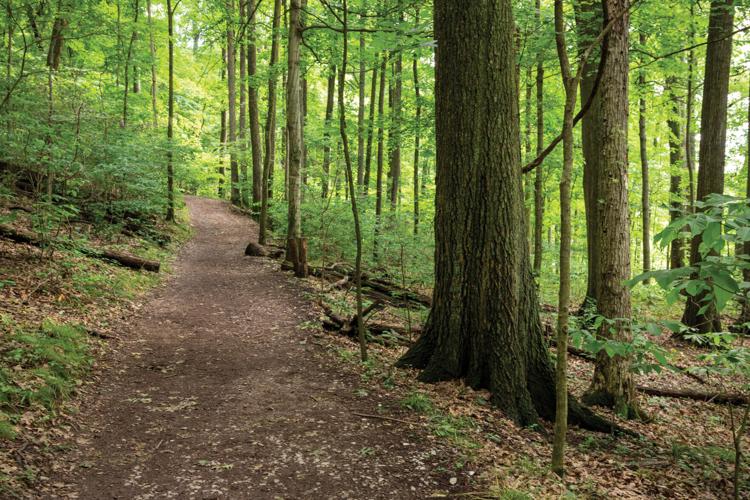

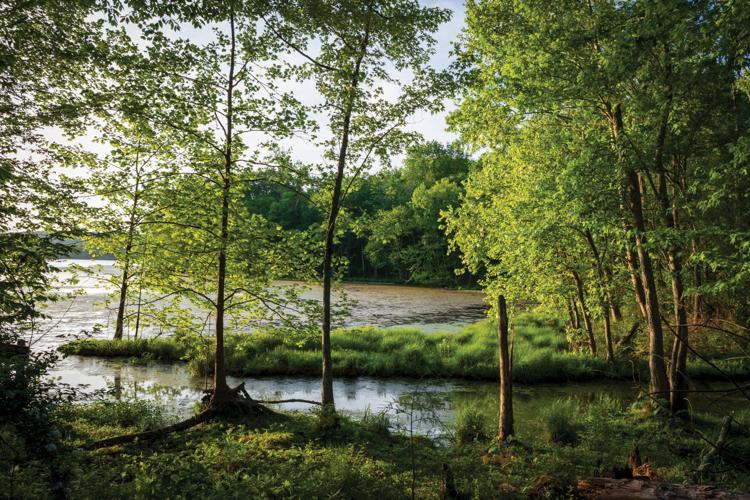
Early morning on a hiking trail or wooded walking path is a magical time. Wildlife comes alive with the chorus of birdsong and the scurry of woodland creatures pushing through the brush in search of their morning meal. Graceful deer move deftly between the trees. And there’s an ethereal quality to the light as it filters through the canopy, soothing the soul in those fleeting moments when the leaves part and the sun breaks through to find you.
Such is the scene at Radnor Lake State Natural Area on sunny mornings when nature is at her most brilliant. Park staff welcome hundreds of visitors throughout the day, many finding solace along the 7.5 miles of trails winding through the 1,391-acre park. As a protected Class II State Natural Area, Radnor Lake is devoted first to preserving the ecosystem within its boundaries and creating a refuge for wildlife — and, perhaps inadvertently, for people as well. Those 7.5 miles have become a treasured place for Nashvillians to stretch their legs and escape the rhythms of the city just a few miles south of downtown. Steve Ward, park manager at Radnor Lake, says he and his staff regularly hear from visitors who cherish having a “safe, quiet place to hike with a well-maintained system of trails.”

Those visitors may be getting more from their time on the trails than they realize. The benefits of walking are well established, but a growing body of research suggests that taking those steps through a natural environment may offer additional rewards, particularly for mental well-being. Studies of nature-based walking have associated the practice with reduced stress and anxiety, improved mood, and even a decrease in the repetitive negative thinking known as rumination.
It seems there really is something to the idea of taking a walk to clear your head. In one Stanford University study, participants walked for 90 minutes, either through a natural setting or along a busy urban road. Those who took the nature walk reported spending less time dwelling on negative thoughts afterward — and brain scans showed a corresponding change in the area of the brain associated with that kind of thinking. The urban walkers didn’t experience the same results.
The benefits aren’t limited to our mental health. Walking regularly can improve cardiovascular fitness, strengthen muscles and bones, and help maintain mobility and balance as we age. And a walk with a friend or family member adds another important ingredient: connection. Research on outdoor walking groups has found benefits ranging from lower blood pressure and resting heart rate to improved mood and physical functioning.

Luckily, none of this requires setting a personal record on the Lake Trail. A leisurely walk counts, too. And there may be good reason to slow down even further. More research on the short-term cardiovascular and mental health effects of Shinrin-yoku (forest bathing) suggests that simply spending intentional time among the trees — no mileage goal required — may offer benefits of its own, from reducing stress and anxiety to improving mood to lowering heart rate and blood pressure.
Perhaps the best reason to head into the woods, though, is the simplest one: It feels good. Steve sees visitors naturally slow down during quieter moments at Radnor Lake — around sunrise or sunset, or when a first encounter with a bald eagle or river otter brings someone to a standstill. There is value, he says, in “the tranquility of just enjoying the outdoors.”
There’s no step count required to appreciate those moments, no particular pace to keep and no finish line to cross. Sometimes the best thing for the body and mind may simply be to get outside, take a walk and pay attention to what’s around you. And at Radnor Lake, that opportunity waits just 8 miles from the State Capitol, 365 days a year.



Commented
Sorry, there are no recent results for popular commented articles.