

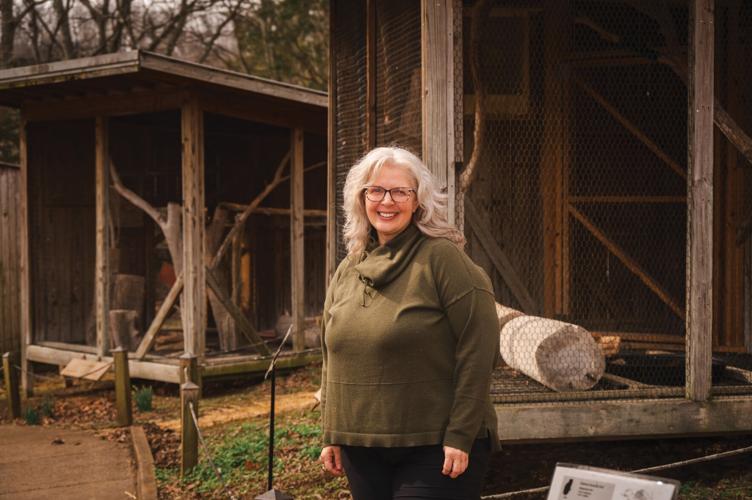
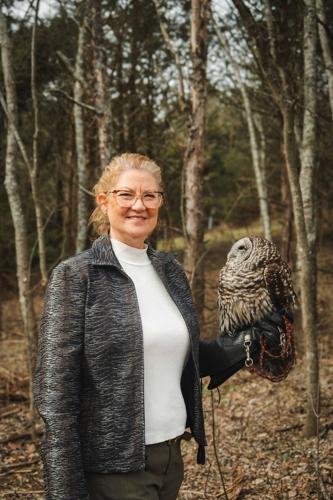
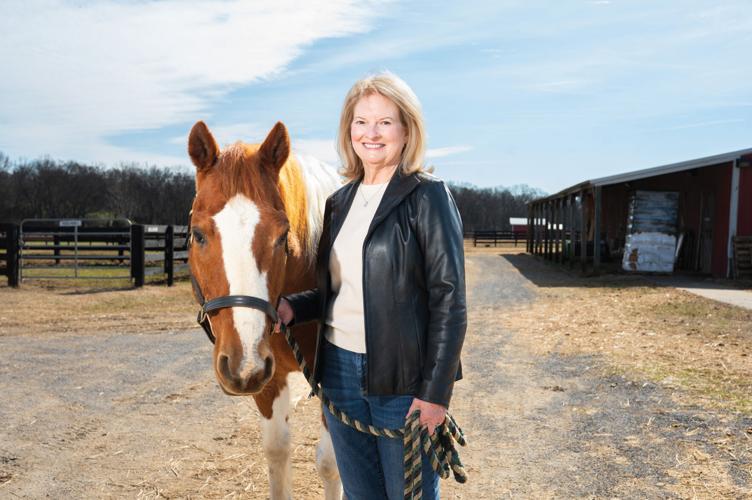
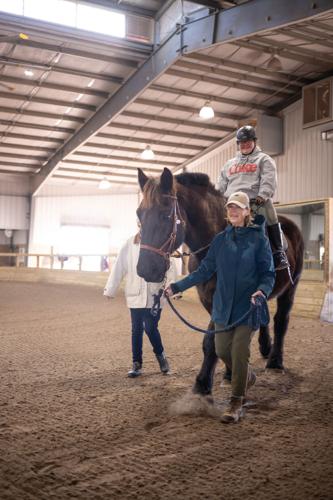
On any given day in Nashville, healing hands may work to rehabilitate a woodpecker recovering from a collision with a car. A horse may help a child with disabilities learn new skills. A newly rescued dog may curl up at the foot of the bed in his new forever home. A foster child may bond with an animal who has also known instability. Volunteers may work to restore and preserve forest trails in nature sanctuaries that double as classrooms for students of all ages.
Together, these scenes reflect the work of nonprofits across Middle Tennessee that view stewardship as both a responsibility and an opportunity — and represent a commitment to ensuring animals and people can thrive side by side.

Crossroads Campus
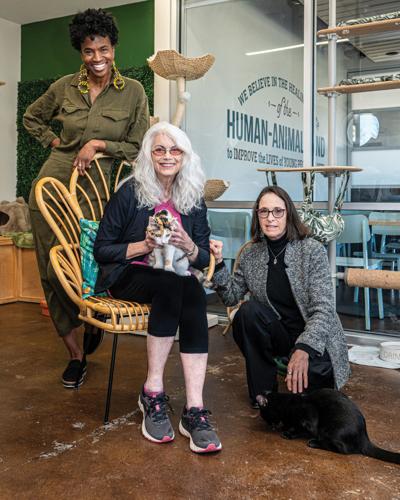
An 18th birthday can be a joyous milestone — inviting lively celebrations and a newfound sense of freedom. But for many young people, turning 18 also brings housing instability. Crossroads Campus is a launchpad for those aging out of the foster care system or facing other housing challenges. The organization leverages the healing potential of the human-animal bond to help young people in Nashville secure housing and employment.
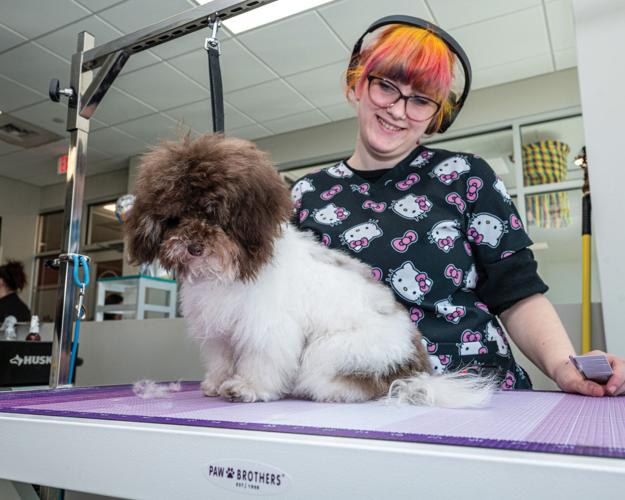
Founded in 2010 — with its first program, Caring Connections, beginning in 2011 — Crossroads Campus offers a range of resources to help young people find their footing and build successful lives. In addition to providing affordable housing and support services, Crossroads offers job training in pet-related fields at its social enterprise retail store, grooming salon, adoption center and cat café. Participants complete paid internships, leveling up and receiving raises as they master certain skills.
Research supports what organizations like Crossroads see every day: Animals can play an incredibly important role in the healing process. One University of Pennsylvania study surveyed nearly 400 young people experiencing homelessness, and the 23% with pets were significantly less prone to depression and loneliness than their peers. Through its array of pet-centric services, Crossroads invites participants to bond with animals that are also experiencing housing instability as they look for their forever homes.

“It’s such a less complicated relationship between an animal and a human,” says founding board member Emmylou Harris. “These kids who have been traumatized in their lives can connect with an animal … [and] get the benefit of knowing that they’ve made a difference just by showing up.”
The core program, now in its 13th year, has helped countless young people in the community. In 2013, Crossroads launched its Germantown campus — an affordable housing unit with four bedrooms and shared living space. Its new Buchanan campus has an additional 22 bedrooms, providing even more accessible housing for Crossroads participants. One former Crossroads resident, Ella, came to the campus the day after she aged out of foster care. She thrived in the program, received a full ride to Belmont University and went on to help author a bill that protects young Tennesseans in foster care.
“We love success stories of all kinds,” says Lisa Stetar, Crossroads Campus CEO. “Sometimes, [with] our young adults, you have to really look for the small wins so they can sort of put the pieces together, because … there’s a lot of barriers, right? Our job is really trying to get barriers out of their way.”

Harmony Wildlife
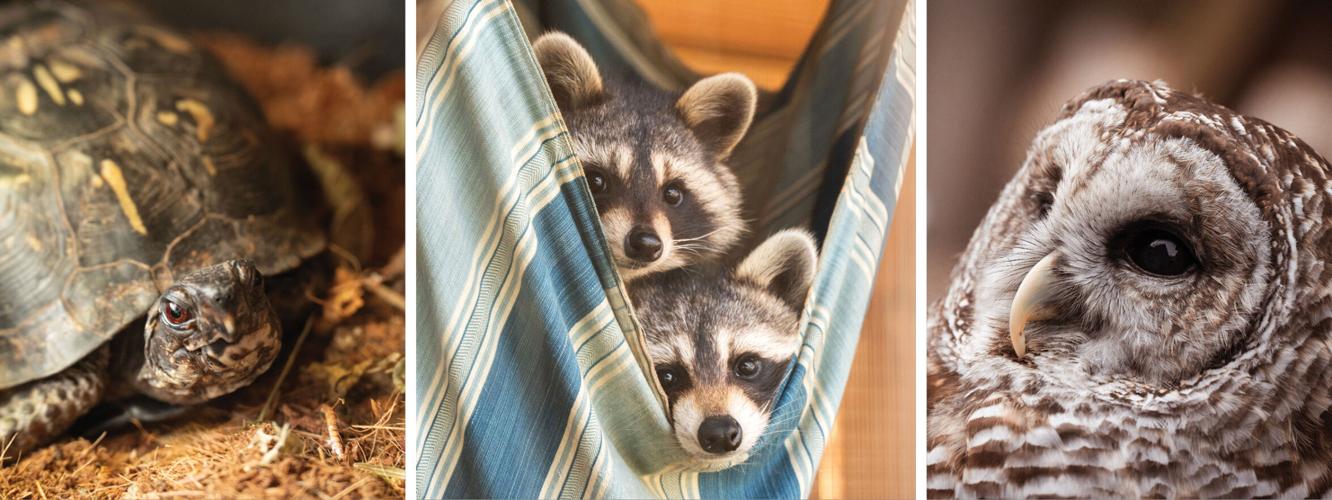
Humans share the land with wildlife, and that connection demands understanding. As Nashville continues to develop, humans and animals increasingly cross paths, heightening the need for coexistence. Conservation groups like Harmony Wildlife address this challenge by rehabilitating animals and — just as crucially — educating the community.
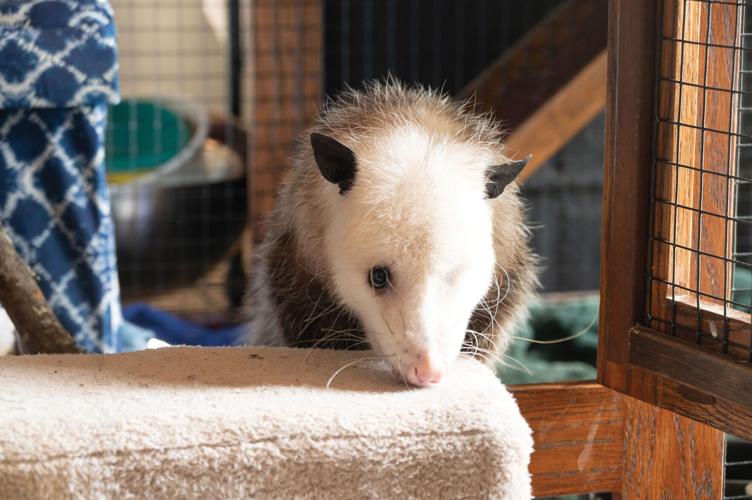
Founded in 1990, Harmony Wildlife cares for orphaned and injured animals. At its core, it’s a rehabilitation center. Under Tennessee law, it’s illegal for laypeople to keep wild animals, even if they intend to later release them. Rehabilitation centers focus on helping animals heal and return to the wild in order to preserve their natural behaviors and ecosystems. Since reopening in 2022 (after a 10-year hiatus), Harmony Wildlife has taken in more than 1,661 wild animals from over 70 species.
Harmony Wildlife’s website features stories about these rehabilitated critters — like the pileated woodpecker someone found on the side of the road, dazed and barely moving, after he struck a car. The organization took in the bird and treated him for a concussion, releasing him back into his Belle Meade habitat once he made a full recovery.
A second key component of Harmony Wildlife’s mission is community outreach and education. “The real magic happens when you see that lightbulb go off for someone else,” says Stasia Kudrez, the organization’s executive director. “Helping people understand and appreciate wildlife is critical for peaceful coexistence, especially as our communities grow and habitats shrink.”

While Harmony Wildlife keeps its location private to protect the animals in its care, it recently launched the Harmony Havens program, which invites homeowners to transform their backyards into natural sanctuaries. Community members within a 30-mile radius can work with the organization to create friendly habitats for animals and insects, bringing local wildlife in harmony with humans. “We’re excited to grow this program, because it ultimately supports our mission by creating thriving habitats for bats, birds and pollinators,” Kudrez says.
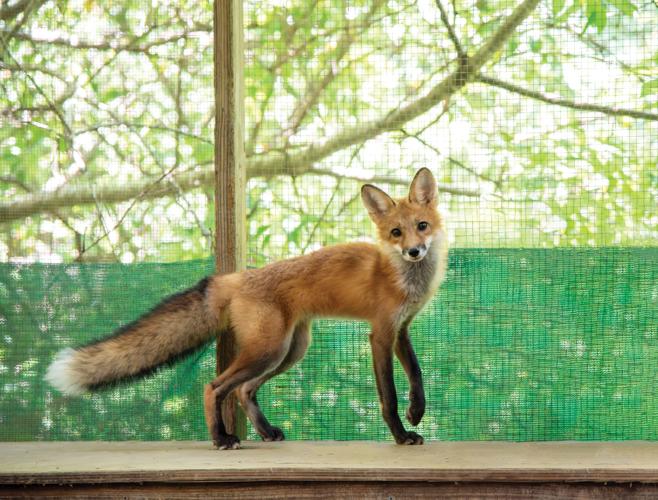
There is hope for the future of human-wildlife cohabitation in Nashville. Through conservation efforts and thoughtful land stewardship, community members can create spaces where wildlife not only survives — but truly thrives — alongside the rest of us. “Growing responsibly means recognizing that we are moving into their spaces, not the other way around,” Kudrez says. “I hope to see human-animal cohabitation evolve into a point of pride, not a problem to be solved. A fox sighting shouldn’t be a cause for fear, but a sign of a healthy, vibrant ecosystem.”

Owl’s Hill Nature Sanctuary
Birds chirping, streams babbling and squirrels scampering back to their nests all contribute to the magic of the forest. Ever-evolving flora and fauna create a symphony of biodiversity that breathes life into the land. This ecosystem serves as a natural classroom, allowing students of all ages to appreciate the beauty of Middle Tennessee.
Founded in 1988, Owl’s Hill Nature Sanctuary sits on land gifted to Cheekwood Estate & Gardens by the University of Tennessee, which previously purchased it from Huldah (Cheek) Sharp. The sanctuary has long been recognized for its community outreach, welcoming Eagle Scouts to complete service projects for over 35 years, offering badge programs for all levels of scouting, and hosting scout troops for visits and camping trips.
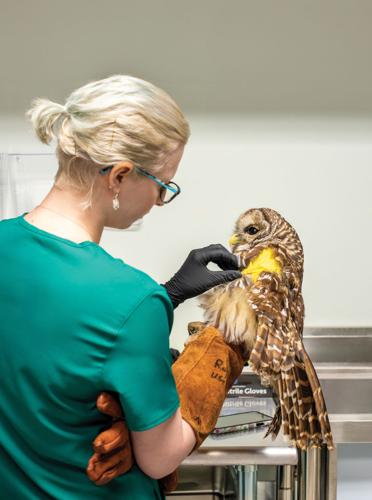
Balancing community outreach, education and stewardship, OHNS protects more than 2,000 plant and animal species. Each day, its staff members and a rotating team of over 300 volunteers restore fragile habitats, remove invasive species, and care for nonreleasable owls and other wildlife in the sanctuary’s care.

Executive director Sandy Obodzinski says OHNS’s goal is to “help species survive” — whether they live in Middle Tennessee year-round or are just stopping in as they migrate elsewhere. “We’re also a place for people to learn about curating healthy habitats in their own yards,” she adds.
Countless schoolchildren have experienced their first close encounters with nature by visiting the OHNS property — or by receiving classroom visits from its animal ambassadors and naturalists. Each year, over 60% of sanctuary visitors are students. And education can begin even earlier: The Knee-High Naturalist program invites children ages 3 to 5, accompanied by an adult, to explore the natural world.
“Early experiences in nature are crucial, because that’s a time when children are fueled by curiosity and wonder,” Obodzinski says. “Our motto is ‘explore, connect, protect,’ and this very much informs all of our education programs for children and children-at-heart. What we learn about as children tends to stay with us throughout our lives.”

Saddle Up!
The bond between horses and humans is ancient and symbiotic. Horses have stood alongside people in commerce and in battle, and they’ve long served as cherished companions. Working with a horse demands trust and mutual respect. They’re also highly empathetic animals, capable of mirroring human emotion and helping people manage stress and anxiety.
Alton Kelley, Lynne Evans, Charles Crafton and Nancy Wennberg founded Saddle Up! in 1989 as a once-a-week therapeutic riding program for children with disabilities. Today, the organization’s 34-acre farm offers riding year-round, along with individually tailored programs like adaptive riding and horsemanship, equine therapy, interactive vaulting and more. “It has been our privilege over the past 35 years to witness many first steps, first words and the joy of a precious child who experiences their first taste of mobility or independence on the back of a horse,” says Audrey Kidd, the organization’s executive director.
At Saddle Up!, the horses are part of the family. There are nearly 30 in the herd, and by working closely with them, students can uncover each horse’s distinct personality. With names like Bailey, Bishop, Jelly Bean and Governor, the horses’ patience and steady presence leaves a lasting impression on everyone they meet.

The program also gives students opportunities to showcase their equestrian skills for family and friends during SUPER Week and the SUPER Show competition, as well as the Music Country Grand Prix and Chukkers for Charity (both of which benefit the organization).
Saddle Up!’s work doesn’t end when its students turn 18. Through its Alumni Transitions program, designed for ages 19 to 26, the organization helps young people build valuable life skills while maintaining a structured focus on equestrian work. “The program builds confidence, communication and community among our young adult riders,” Kidd says.
For Saddle Up!, the future is full of opportunity. The organization currently has a two-year waitlist, and demand continues to increase. “We are thrilled to address this challenge head-on: increasing capacity, enhancing accessibility, creating family-centered spaces, broadening our impact in the community, and investing in the volunteers and staff who make our programs possible,” Kidd says.

Wags & Walks
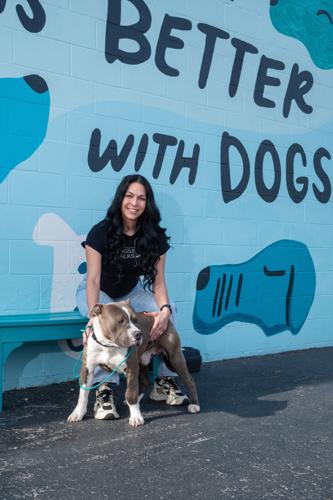
Dog lovers scrolling through Wags & Walks Nashville’s Instagram feed might find it difficult to resist jumping straight to the organization’s adoption page. The page is full of adoptable pups with sweet faces and charming names — Cocoa, Raisin, Pimento. It also tells some heavy truths about pet abandonment and hardship.
But it’s tough not to be won over by the canine companions that grace the page every day. Just ask former Democratic adviser and TV host George Stephanopoulos, whose family recently adopted a dog in the organization’s care.
Animal advocate Lesley Brog founded Wags & Walks in 2011 to rescue dogs and reduce euthanasia rates in shelters. Since then, the Los Angeles-based organization has saved nearly 17,000 dogs. Recognizing the need to address overcrowded shelters in the South, Kathryn Hurley founded the Wags & Walks Nashville chapter in 2019 — which has now grown into a central resource for pet owners across Middle Tennessee.
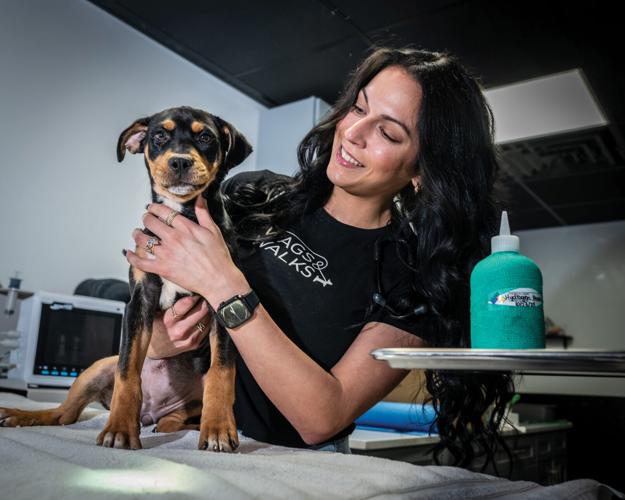
As one way to help the community, Wags & Walks serves as a bridge between pet ownership and pet surrender. By offering emergency medical relief, affordable spay and neuter services, and low-cost vaccines and preventative care, the organization prevents financial hardship from forcing families to surrender beloved pets.

“When pet owners face rising costs, even basic services can feel overwhelming,” says Jessica Vega, the nonprofit’s medical director. “Our goal is to help remove those barriers so people don’t have to choose between financial strain and their dog’s well-being.” Ultimately, Wags & Walks wants to “keep families together” and “build a safety net in our community,” she adds.
Take Blondie, a young German Shepherd who was hit by a car and needed an emergency amputation to survive. Blondie’s family couldn’t afford the cost of care and made the agonizing decision to surrender her. Wags & Walks stepped in to get Blondie the life-saving surgery she needed — and reunited her with her family the very next day.
“Sometimes people don’t need to give up their dog — they just need support before a crisis becomes a surrender,” Vega says. “Blondie is exactly why we built programs like Wags for Good and our emergency relief grant: to keep families together whenever we can.”

Walden’s Puddle
Backyard conservationists are encountering sick, mange-infested foxes across Middle Tennessee. The cases stem from several factors, including increased use of rodenticides, which weakens foxes’ immune systems, and habitat loss, which forces them into close quarters and accelerates mite transmission. Left untreated, the disease leaves wildlife emaciated and often leads to a slow, agonizing death. Walden’s Puddle works tirelessly to save as many of these animals as possible.
Founded in 1989 by the late home-based rehabilitator Vicky Carder, Walden’s Puddle rescues, rehabilitates and releases more than 4,000 animals each year from over 120 different species. Walden’s Puddle doesn’t let the public photograph animals in its care, and its caregivers wear specialized clothing to prevent animals from getting too used to human contact.
Walden’s Puddle receives no federal or state funding, relying solely on donations and foundation support. And while it has a paid staff including animal care experts and a facility manager, the nonprofit is largely driven by working board members and community members donating their time and talent. In 2023 alone, the Walden’s Puddle team served an estimated 7,000 volunteer hours.
“We are not here for the accolades,” says Lane Brody, recording artist and Walden’s Puddle CEO (in kind). “We are here for the animals.”

Foxes are only one part of the story. The organization’s intake list reads like a who’s who of Tennessee wildlife. Recently, Walden’s Puddle has seen an influx of raptors, including bald eagles, red-tailed hawks, great horned owls, barred owls, American kestrels and Eastern screech owls. Many arrive suffering from lead poisoning, gunshot wounds or other injuries tied to human-wildlife conflict.
Brody emphasizes that coexistence requires shared responsibility. When one local camp called to report three mangy foxes, the Walden’s Puddle team worked with camp leadership, helping them understand that the rodenticide and pesticides they used were creating the problem. Walden’s Puddle rehabilitated and released the foxes, and the camp ceased use of rodenticides. It now uses natural products to keep pests at bay and continues to partner with Walden’s Puddle to this day.
As development expands across Middle Tennessee, homeowners increasingly encounter wildlife in their own backyards. Often, these animals are simply searching for food, and pet food left outdoors can unintentionally attract wild visitors. “We humans have a part to play in this,” Brody explains. “We can engage with animals through thoughtful observation to understand why they are in our backyards and how we can coexist.”



Commented
Sorry, there are no recent results for popular commented articles.