
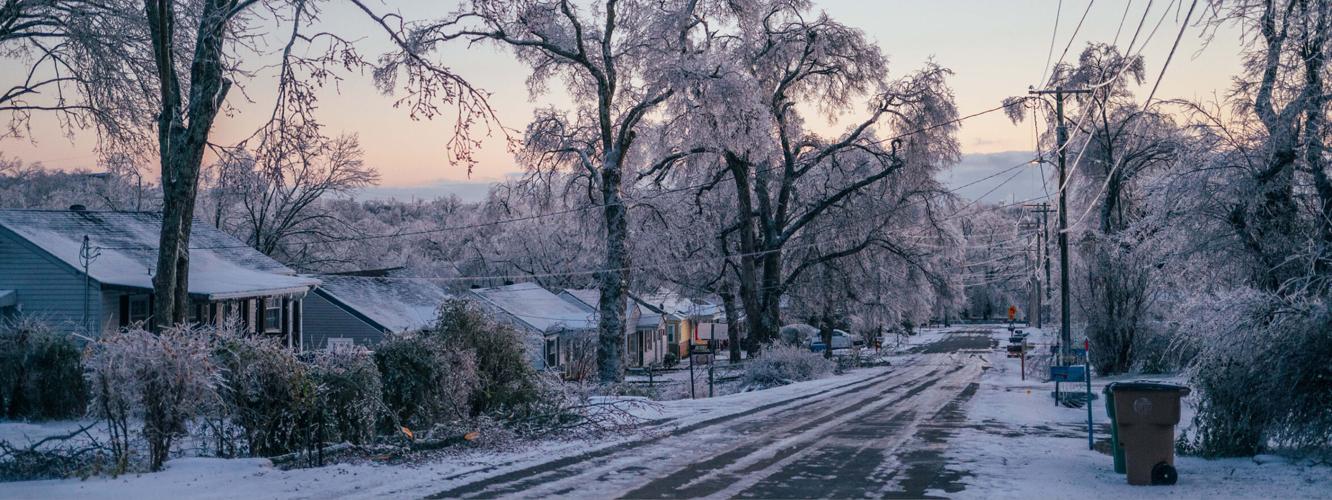
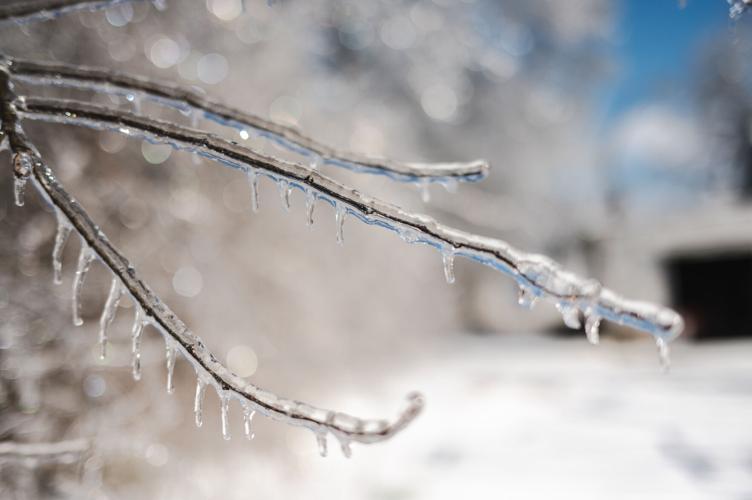
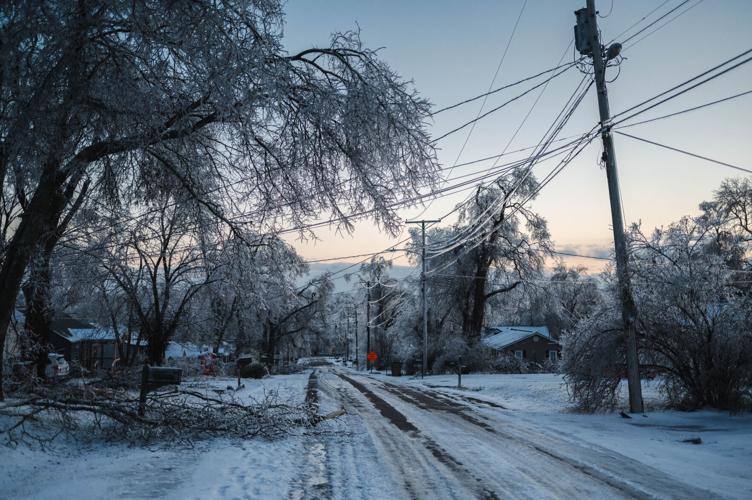
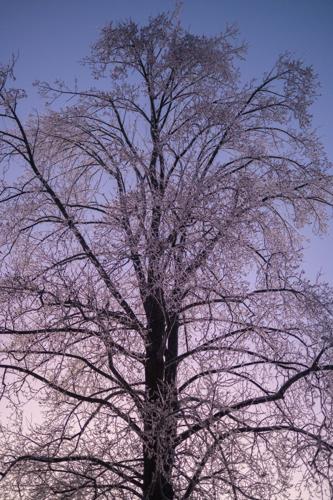



January’s once-in-a-generation ice storm left its mark on Nashville — straining infrastructure, disrupting daily life and inflicting widespread damage throughout the city’s beloved tree canopy.
In a matter of days, familiar streetscapes changed. Limbs snapped under the weight of ice. Mature trees were split or uprooted entirely. In neighborhoods across Davidson County, the quiet after the storm revealed not just fallen branches, but a visible shift in the landscape itself.
According to Metro Nashville’s 2023 Urban Tree Canopy Study, trees cover 56% of Davidson County — approximately 169,832 acres — making the urban forest one of Nashville’s defining environmental assets. Early assessments suggest the impact of this year’s storm far exceeded that of a typical winter weather event, with more than 1,800 tree-related service requests filed through hubNashville in just five days.
Metro’s data tells the story at scale. On the ground, institutions like Vanderbilt University are seeing that impact tree by tree.
As an accredited arboretum with more than 6,500 trees representing nearly 200 species, Vanderbilt’s campus functions as both a living collection and a defining piece of Nashville’s urban landscape. Like much of the city, it experienced widespread limb loss, structural damage and, in some cases, complete tree failure. Prominent magnolias along West End and 21st Avenue sustained visible damage, while elms and hackberries were some of the most affected species. University officials say many trees may recover, but a full assessment will take months.
While the cleanup continues, the larger question is no longer simply what was lost — but how Nashville rebuilds. Many organizations will be answering the call to help rebuild and restore the tree canopy in the coming months and years.

Root Nashville (Cumberland River Compact)
Root Nashville operates as a public-private partnership housed within the Cumberland River Compact, uniting Metro agencies, nonprofits, businesses and residents around an ambitious goal: planting 500,000 trees in Davidson County by 2050. Rather than focusing solely on quantity, the initiative emphasizes strategic placement — prioritizing neighborhoods with low canopy coverage and greater heat vulnerability.
Through coordinated planting campaigns like the Horticultural Society of Middle Tennessee’s Branching Out campaign, data-driven mapping and partnerships with property owners, Root Nashville works to ensure trees are planted where they will provide the greatest environmental and community benefits. The program also supports long-term stewardship, recognizing that planting is only the first step. Survival and maintenance determine whether today’s saplings become tomorrow’s canopy.
In the wake of widespread storm damage, Root Nashville’s mission takes on renewed urgency — not simply replacing trees, but strengthening the city’s resilience through thoughtful, equitable reforestation.
"Native trees, like the Nashville community, are resilient," say Jason Sprouls, Root Nashville Campaign Manager, Cumberland River Compact. "Root Nashville will be here to assist with this multi-year recovery by providing free, native trees to our neighbors. Despite the challenges of this loss, we're hoping to see this as an opportunity for Nashvillians to come together. "
Sprouls suggested neighbors consider becoming a Root Nashville planting neighborhood captain and make plans to replace lost trees with native trees.

Nashville Tree Foundation
Nashville Tree Foundation focuses on expanding and protecting the urban tree canopy, particularly in historically underserved neighborhoods. By working alongside community groups, volunteers and corporate partners, the foundation facilitates tree plantings that address both environmental and public health concerns — from mitigating urban heat islands to improving air quality.
Education is central to its work. The organization encourages residents to understand the long-term value of trees and the responsibility that comes with planting them. In areas where canopy coverage has lagged behind citywide averages, the foundation’s targeted efforts aim to close that gap and ensure all neighborhoods benefit from shade, cooling and beauty.
As Nashville assesses storm-related losses, the foundation’s community-centered approach reinforces the idea that rebuilding the canopy is not just an environmental project — it’s a civic one.

Nashville Tree Conservation Corps
Nashville Tree Conservation Corps focuses on protecting existing trees — particularly mature canopy trees — through advocacy, education and policy engagement. While planting new trees is essential, the corps emphasizes that preserving large, established trees provides immediate and irreplaceable environmental benefits.
The organization works to raise awareness about the ecological and economic value of mature canopy trees, encouraging residents and policymakers to strengthen protections during development and redevelopment. From public education efforts to engagement in conversations about tree ordinances and zoning, the corps advocates for thoughtful growth that balances Nashville’s rapid expansion with long-term environmental stewardship.
In the aftermath of a storm that exposed both the vulnerability and value of the city’s canopy, the corps’ message is clear: Protecting what remains is just as critical as planting what comes next.



Commented
Sorry, there are no recent results for popular commented articles.