

Andrew Jackson’s Hermitage has seen many changes since July 1804, when Rachel and Andrew Jackson moved to the 425-acre rural retreat that would eventually grow into their 1,000-acre plantation. “Old Hickory” became the seventh President of the U.S., the Civil War divided the nation, and the Emancipation Proclamation declared enslaved people to be free, to name a few milestones the property has witnessed.
But some things stay the same, including the fact that 90-degree temperatures make summer in Middle Tennessee uncomfortable — bordering on dangerous. So when the Hermitage relaunched the In Their Footsteps: Slavery at the Hermitage tour this summer, constant stifling humidity drew a powerful sensory throughline from 1845, when Jackson held more than 150 enslaved people upon his death, to 2026, when visitors can explore the life and landscape of families enslaved by the former president.
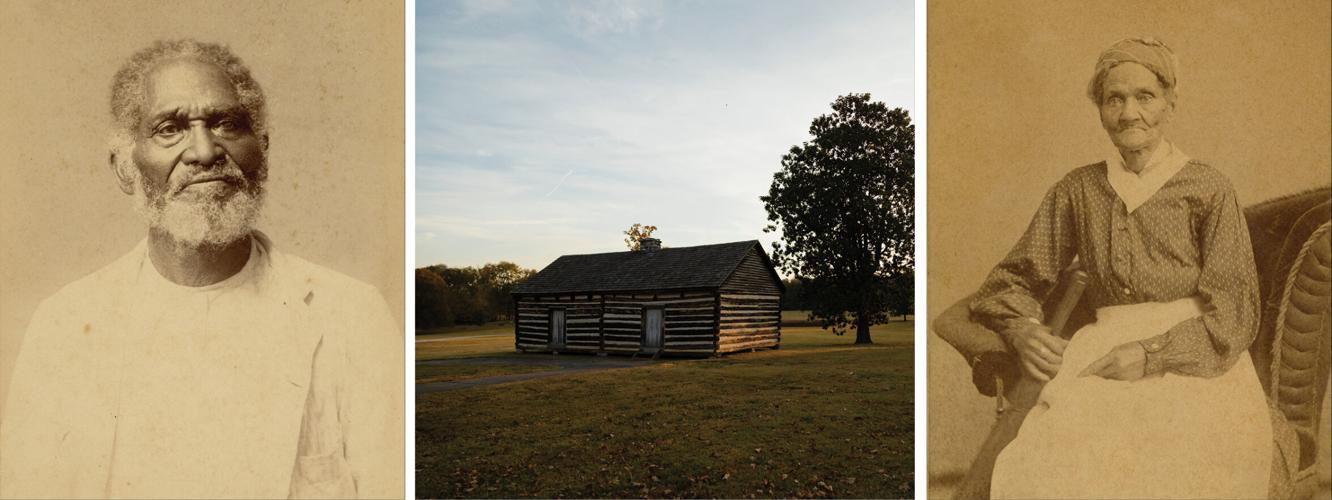
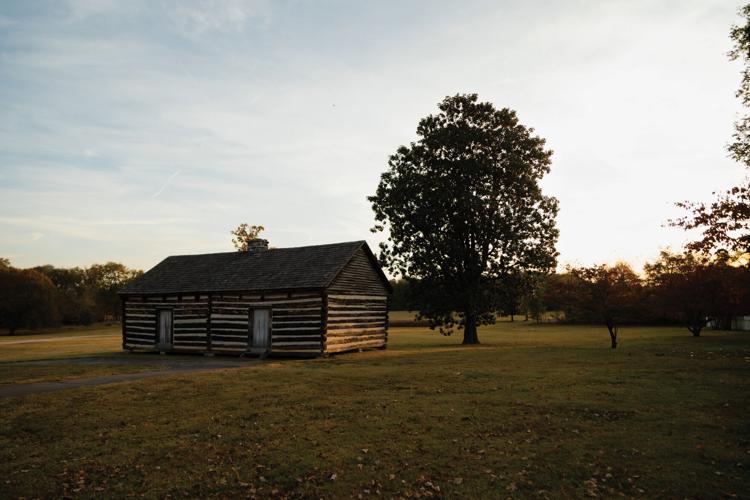
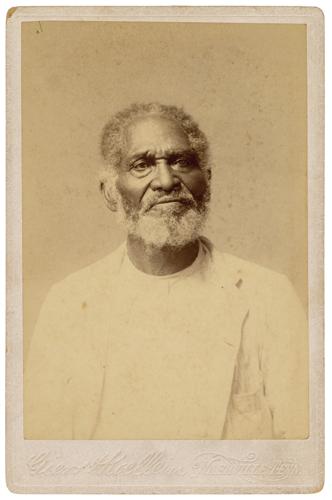
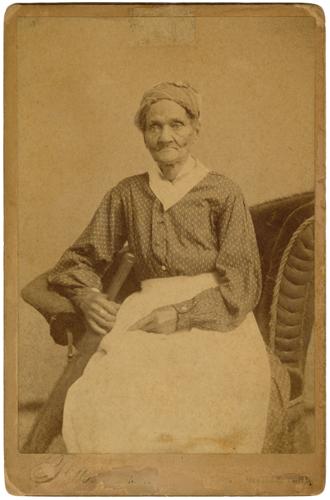
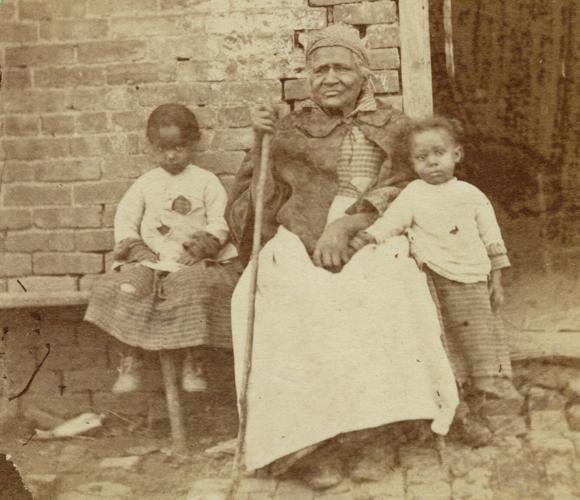
Standing in the thick, still air of a two-centuries-old log structure known as Alfred’s Cabin, summer visitors might find themselves momentarily uncomfortable, but they can leave whenever they choose. Few people who lived at the Hermitage before 1865 could come and go as they pleased. Not “Old Hannah,” whom Jackson purchased in 1794, along with her 18-month-old daughter, Betty. Not Betty’s son Alfred, born in 1812. Not Aaron and Hannah, whose unofficial union or “plantation marriage” yielded 10 children. Not Dunwoody, Titus, Molly, Jim or the other 300 men, women and children enslaved at the Hermitage over eight decades before the passing of the 13th Amendment.

Footsteps narrates the overlooked stories of these inhabitants of the landmark property through the unembellished candor of archival records and tangible archaeological evidence. For example, a ledger entry comparing the cost in dollars of the human laborer Betty to the purchase price of a piano speaks volumes. Meanwhile, Jackson’s blunt written instructions about treatment of livestock and laborers make all too clear how enslaved humans ranked on the farm.
After emancipation in 1865, Alfred remained at the Hermitage, renting 24 acres from the Jacksons to raise food and produce cotton and butter for sale. In the 1880s, he moved into the cabin that now bears his name, sharing quarters with his wife, Gracey, and children, Sara and Augustus. Alfred helped oversee the Hermitage historic site until his death in 1901, when he was buried in the garden near President Jackson’s tomb.
The cabin remains as it would have been in Alfred’s life. On a summer day, that means small, dark and sweltering. The conditions are enough to prompt a visitor on the Footsteps tour to ask: Why did free Alfred remain at the site of his antebellum confinement? And that question might prompt a thoughtful guide to remind 21st-century visitors that alternative opportunities in Reconstruction were not obvious or easy for formerly enslaved people.

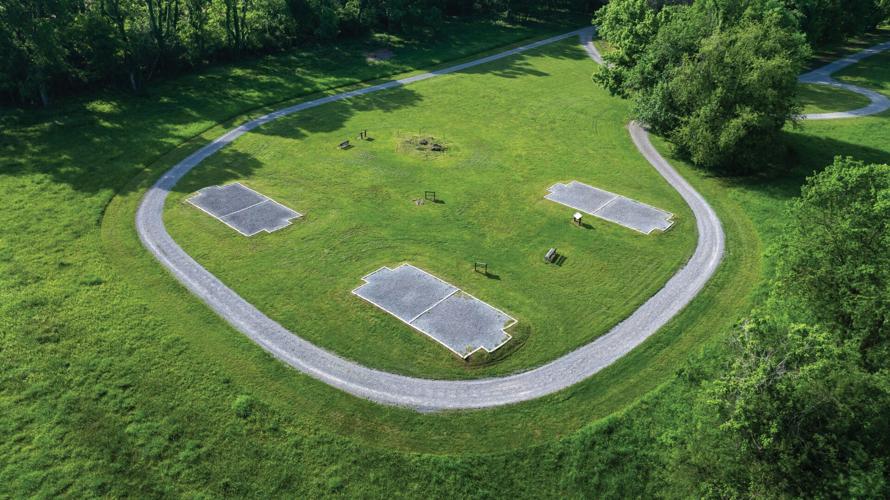
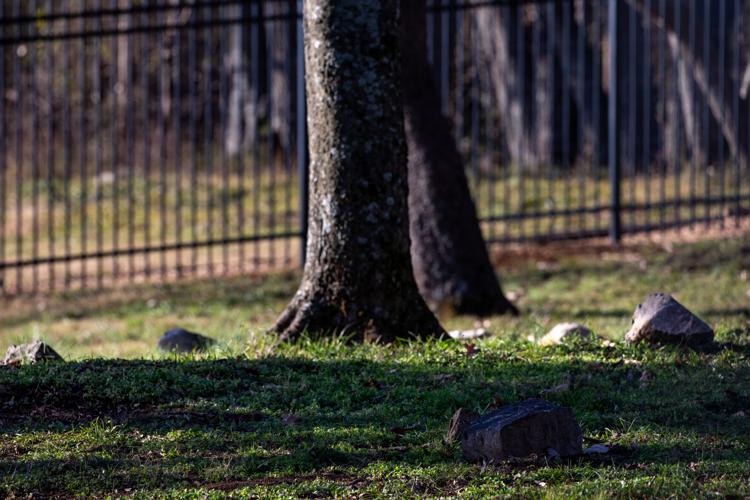
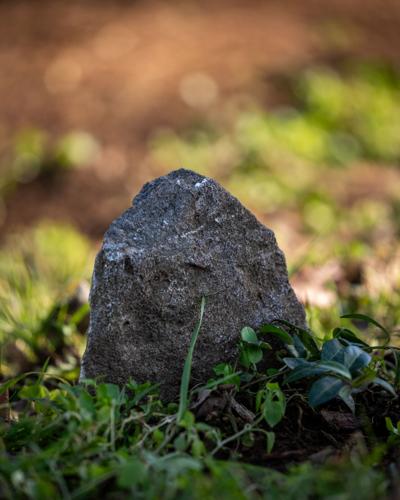
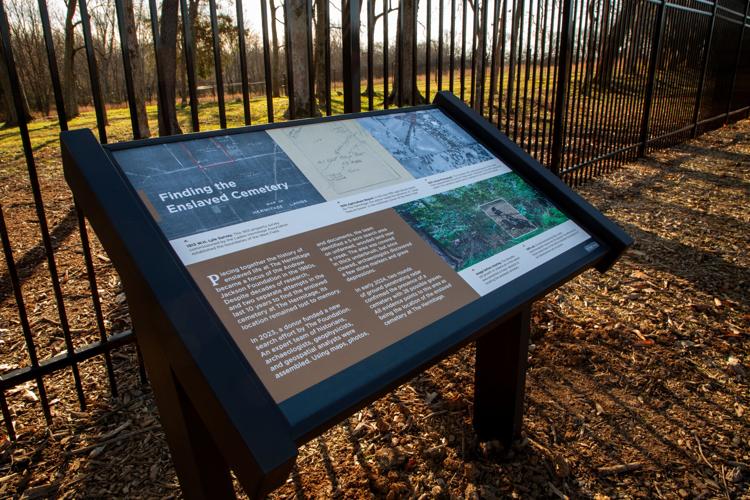
After strolling on gravel and mulched paths — past cabins, an icehouse and springs that served the farm — Footsteps arrives at the enslaved cemetery, a once-overgrown field that has been weeded and fenced to protect a pattern of burial sites. In 2024, using noninvasive underground testing, Hermitage historians — along with researchers from Tennessee State Division of Archaeology, TRC Environmental Corp. and Vanderbilt University — confirmed 28 graves, among what could be as many as 50 burials in the surrounding soil.
On our Footsteps tour, in the quiet shade of the cemetery, near waving fields of crops and the babbling water of Sinking Creek, tour leader Cody Youngblood invited young visitors to read aloud from the list of people thought to be buried nearby:
“Old” Hannah, Ned, “Old” Sampson, “Big” Sampson, “Old” Nancy, Dunwoody, Pleasant, Rachel, Gilbert, Titus, Molly, Jim, Jack, George, Joe, Adam, Anaca, Elick, Milly, Unnamed Infant, Hannah, Betty, Creasy’s Unnamed Child, Grace’s Unnamed Child, Sarah’s Unnamed Child, and Polidore.
And so the tour concluded, with the simplest of memorable ceremonies: children honoring people no longer overlooked, on a property never to be remembered the same.


Commented
Sorry, there are no recent results for popular commented articles.