
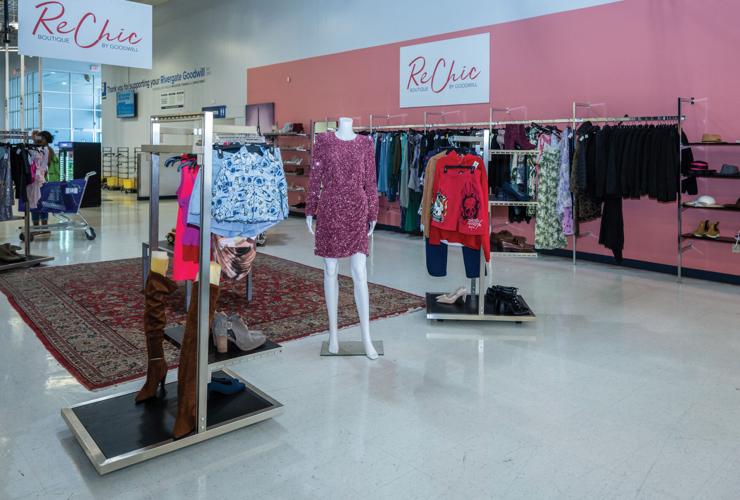
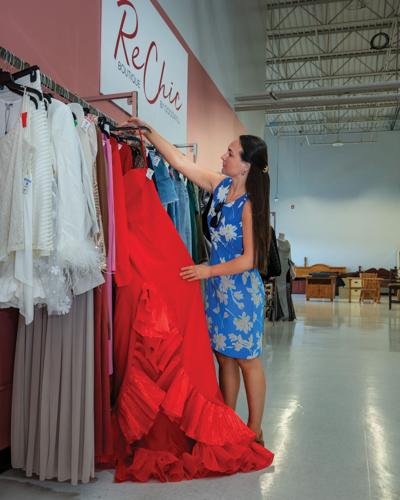
As consumers grow increasingly aware of fashion’s environmental footprint, secondhand shopping has become more and more of a necessity. Each year, 120 million metric tons of clothes around the globe are discarded — ending up incinerated or in landfills. Platforms like Poshmark and The RealReal have transformed resale into a booming industry, and social media creators regularly showcase thrifted finds and upcycled creations. Yet long before luxury resale became fashionable, Goodwill was building a circular economy — one donation at a time.
For more than a century, Goodwill has given clothing and household goods a second life, keeping millions of items out of landfills while using the proceeds to fund workforce development programs. In Middle Tennessee alone, the organization received more than 2 million donations last year. That’s approximately 123 million pounds of goods.
Those donations follow a carefully designed journey intended to maximize their usefulness and extend their lifespan as long as possible.

Sell or Salvage
“When people donate to Goodwill, the first thing we do is put quality merchandise into our stores,” says Leisa Wamsley, chief operating officer of Goodwill Industries of Middle Tennessee. “The sale of donated goods is what helps fund our mission.”
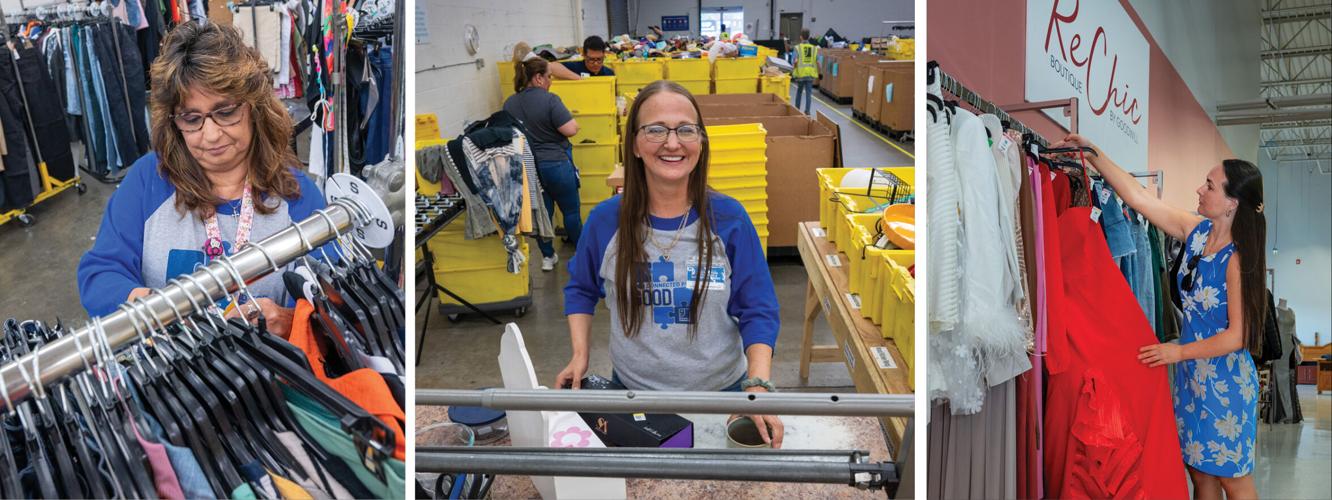
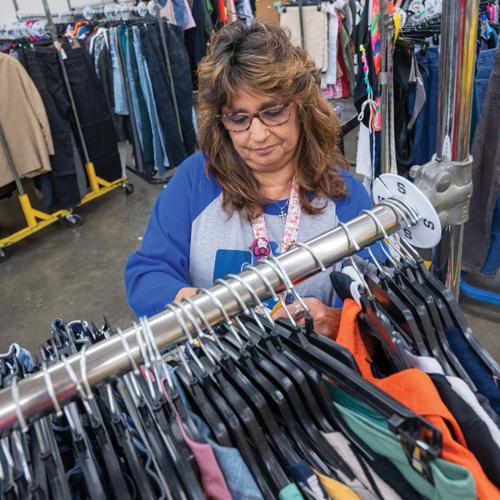
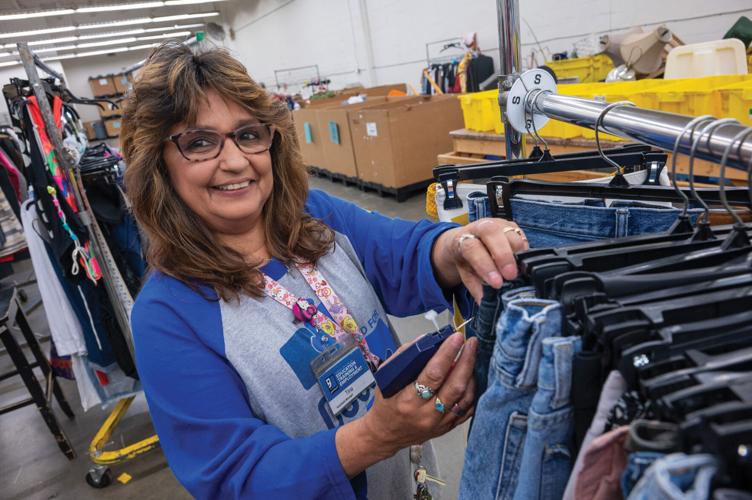
Clothing remains the organization’s most valuable donation category, accounting for approximately 60% to 65% of revenue. Donations arrive from across Goodwill’s 48-county service area, stretching from Kentucky to Alabama and from Union City to Crossville.
Items that fail to sell in traditional stores don’t immediately become waste. Instead, they move through a series of channels designed to keep them in circulation. Unsold merchandise goes to one of Goodwill’s outlet locations, where shoppers purchase items by the pound. Many of those customers are resellers, who give products yet another life through online marketplaces and small businesses. Goodwill also operates an e-commerce site for consumers who don’t have time to visit its stores in person, ensuring its garments reach even more people.
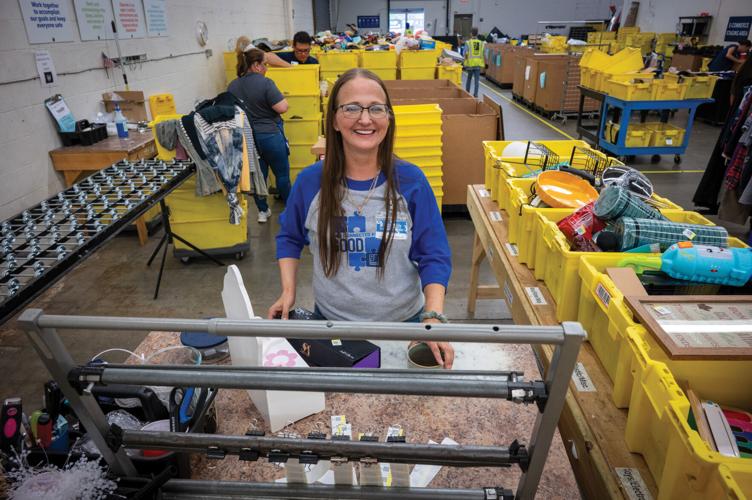
If items still don’t sell, Goodwill passes them on to one of its salvage and recycling partners around the world. Shoes, textiles, electronics, metals and other materials are sorted and redirected into secondary markets whenever possible.
Last year alone, Goodwill Industries of Middle Tennessee recycled or salvaged approximately 27 million pounds of material, including 1.6 million pounds of metal and 140,000 pounds of cardboard.

Circular Economy
This process embodies what sustainability experts call a circular economy — a system that keeps products and materials in use for as long as possible, rather than sending them straight to landfills. “We have to be concerned about the global impact, not just the local impact,” Wamsley says.
That challenge is particularly relevant in the fashion industry. Americans purchase and discard clothing at unprecedented rates, while fast-fashion retailers continue to shorten trend cycles. As a result, enormous quantities of textiles end up in landfills each year.
Goodwill’s model offers an alternative. By extending the life of a garment through resale, outlet stores and salvage markets, the organization helps reduce waste while creating economic value from items that might otherwise be discarded.
Not every donation can be reused, however. One of Goodwill’s biggest challenges comes from items that should’ve never been donated in the first place — think paint, propane tanks, compressed gas containers, mattresses and other materials that require specialized disposal.
Last year, the organization spent approximately $275,000 responsibly disposing of items it couldn’t sell or recycle through its existing systems.

The Greater Good
While Goodwill’s environmental impact is significant, its ultimate goal extends far beyond waste reduction.
Goodwill operates as a social enterprise, using the revenue generated through donated goods to fund programs for education, job training and employment. And unlike many nonprofits, the organization doesn’t rely heavily on government grants. Instead, community donations directly support its workforce development initiatives in Middle Tennessee.
Goodwill currently employs more than 1,800 people and offers job-training programs in industries like construction, health care and adult education. The organization also helps people overcome barriers to employment by providing transportation assistance, housing support and success coaching.
“We collect and sell donations to support our mission of changing lives through education, training and employment,” Wamsley explains. This underscores a reality many donors overlook: Each dress, handbag or pair of shoes given to Goodwill doesn’t just stay out of a landfill — it funds valuable opportunities for people in your community.

Second Chances
As resale continues to gain popularity and consumers become more conscious of their purchasing habits, organizations like Goodwill are proving that sustainability and community impact can go hand in hand.
Long before circular fashion became a buzzword, Goodwill was already putting it into practice. Every donation represents another opportunity to keep useful goods in rotation, reduce waste and invest in the people who call Middle Tennessee home.



Commented
Sorry, there are no recent results for popular commented articles.