



Sometimes, the more things change, the more they change. At its heart, the dinner party remains a time for friends and neighbors to gather for an evening of fun and fellowship. But the decades have brought an array of changes — to attire, drinks, cuisine and etiquette — causing entertaining to evolve with the tastes of the times.
1920s
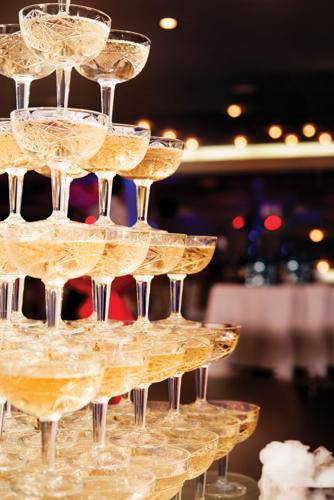
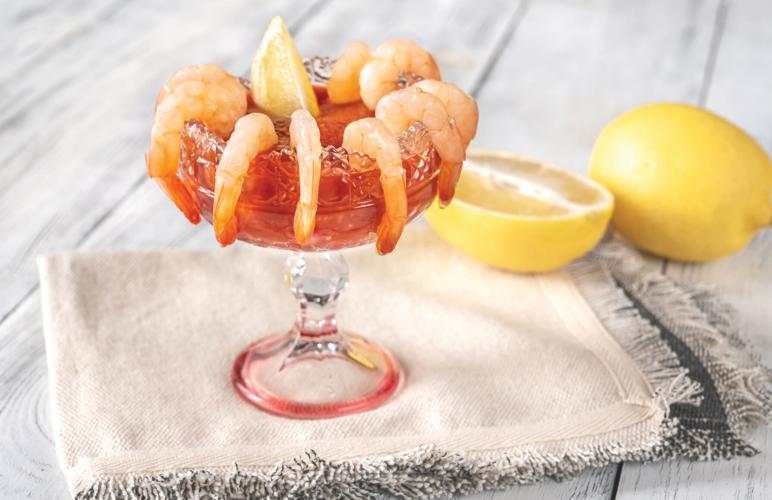
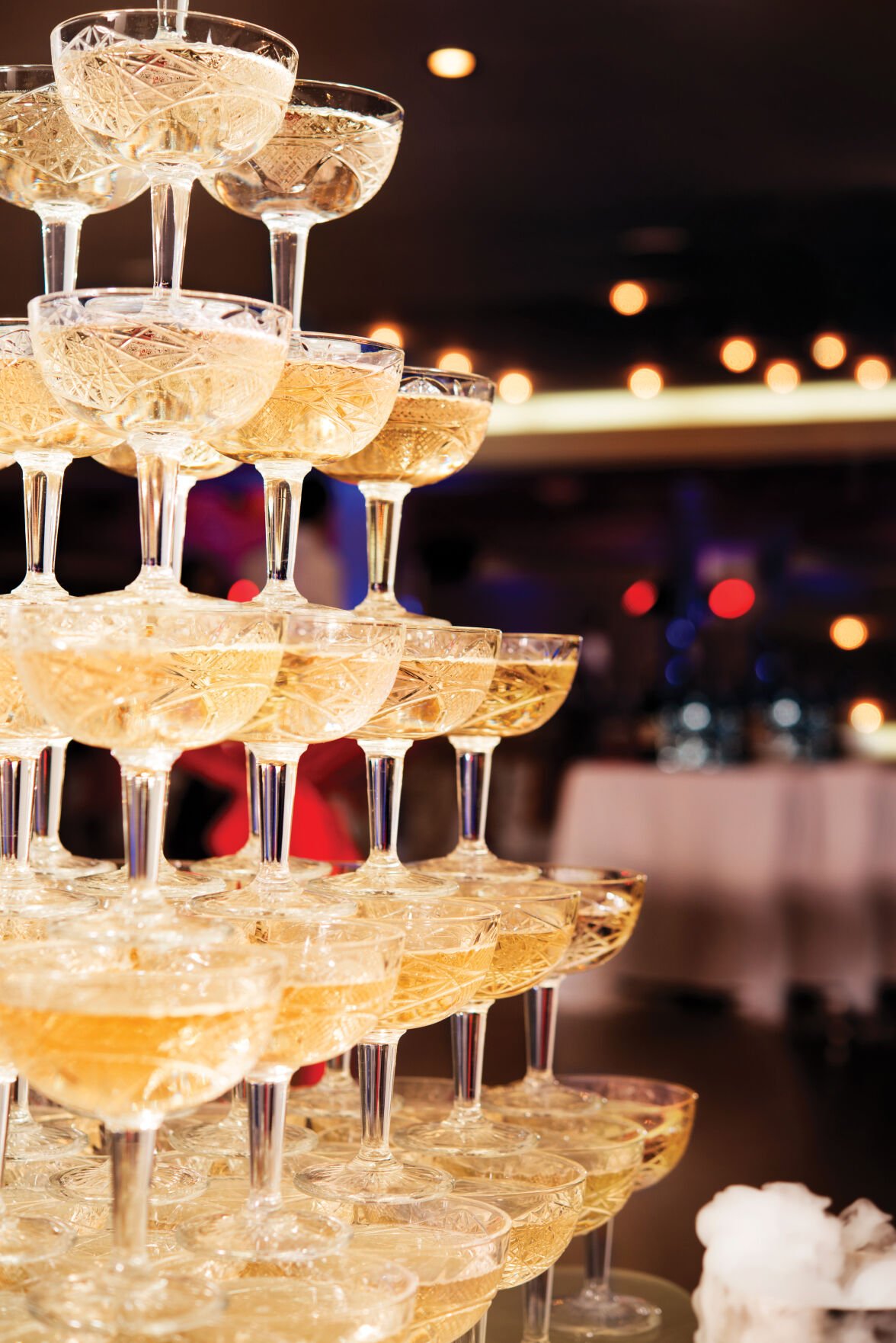
Though the country was cloaked in Prohibition, regulations didn’t stop gregarious hosts from throwing grand parties — Champagne towers included. Guests dined on delicate hors d’oeuvres, like deviled eggs and shrimp cocktails, and nibbled on cheese and olives from bountiful platters — all while dancing the night away. The so-called “hemline index” — an urban legend that says as the market gets better, the hemlines get shorter — suggested a roaring economy, with ladies donning short flapper dresses.
1930s
During the Great Depression, friends still got together — but the economic turmoil demanded ingenuity on the part of the gatherers. This decade saw the rise of the modern potluck, as friends and neighbors pulled together what resources they had and brought dishes to share. Popular items included tuna paté on crackers and farm-fresh foods, such as turnips and beans. Hemlines lengthened, grazing the floor.
1940s
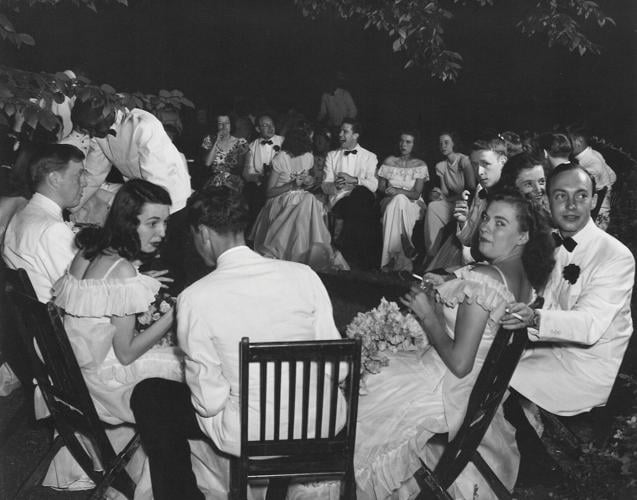
There’s a line of demarcation between dinner parties in the early ’40s and those in the late ’40s. During the beginning of the decade, rationing for the war effort dictated what could be served. Hosts tended to their victory gardens, whipping up vegetable-forward dishes, such as homemade tomato soup. It wasn’t uncommon to ask guests to bring their own coffee. Attire was glamorous but practical, with men in black-tie and ladies in cocktail dresses or long, formal skirts.
The later years saw more hearty dishes served — think comfort foods, like meatloaf and mashed potatoes. Guests enjoyed listening to the radio, dancing to swing music, and playing cards or parlor games, such as musical chairs.

1950s
The ’50s were the domain of the homemaker. Entertaining offered a way to show off the home — and demonstrate the skill of the home chef. Formal dinner parties often started with canapés, like stuffed celery, shrimp cocktail and rumaki (bacon-wrapped water chestnuts and pineapple), and featured casseroles as a main dish. Desserts like jello salad and angel food cake were also popular. Formal etiquette was expected: Men should pull out chairs for ladies, and no one should eat until everyone was seated and the hostess signaled it was time.
In less formal settings, the ’50s gave way to the neighborhood barbecue and the luau-themed party. The latter became particularly popular once Hawaii became a state in 1959. This was also a big era for playing games at parties, with gatherings planned around specific activities, such as bridge, charades or 20 questions.
1960s
Music was a central component of 1960s dinner parties, with guests bringing music or playing DJ to set the right mood. Guests enjoyed playful appetizers, like stuffed celery or cheese-and-pineapple skewers, and hearty mains, like beef bourguignon or Swedish meatballs. Fondu was also wildly popular — with both meat and cheese on offer.
Hosts always brought out the best china, crystal and silver they owned. Attire shifted over the course of the decade, with the early years trending toward the voluminous looks of the ’50s and the later years moving toward more tailored looks and modern shift dresses. The hemline index was once again hard at work, as the miniskirt made its appearance mid-decade.
1970s
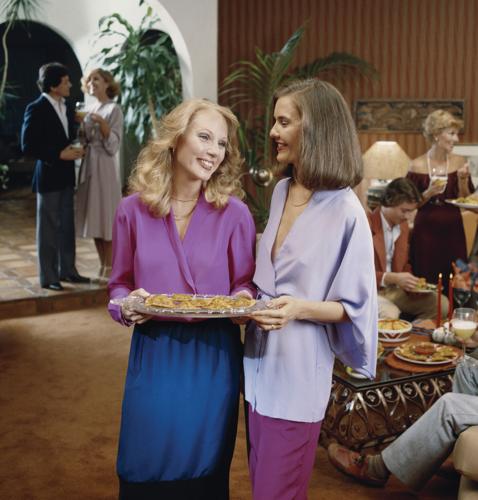
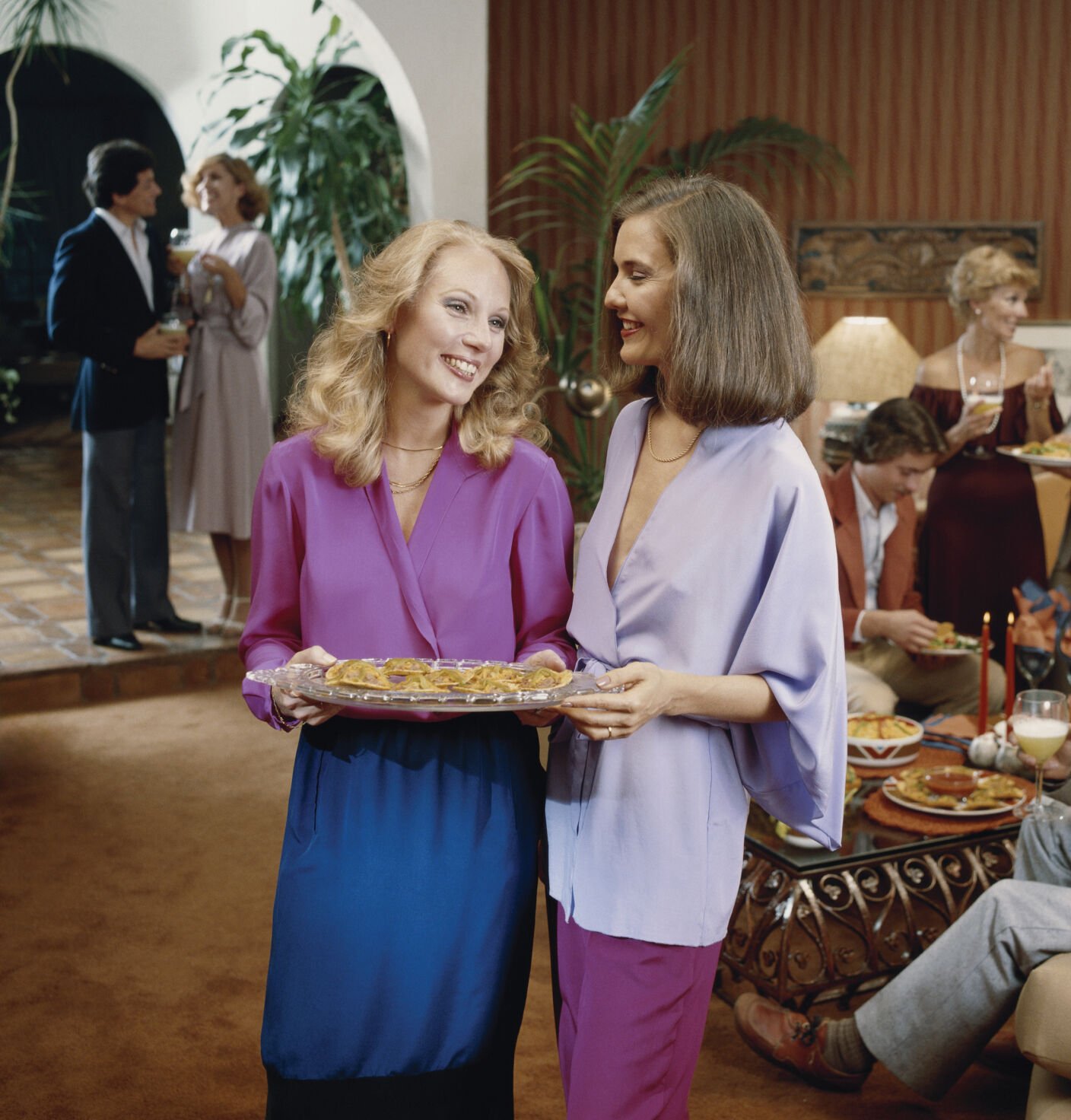
During the 1970s, colorful buffets and scene-setting music served as the centerpiece of the evening. Hosts served cocktail meatballs, pigs in a blanket, cheese hedgehogs, and aspics — and main dishes like pineapple chicken or glazed ham loaves. Attire ranged from casual maxi dresses, to chic wrap dresses, to disco-glam looks. And who could forget leisure suits for the finely dressed gentlemen?
Guests often enjoyed an evening listening to music — both recorded and live — and being engrossed in conversation.
1980s
In the me, me, me era of the go-big-or-go-home ’80s, beef Wellington, stuffed chicken breasts, and pasta with vodka sauce graced the tables at elegant dinner parties. Entertainment ran the gamut from casual conversation to board games, like Trivial Pursuit — or even arcade games, like Pac-Man and Donkey Kong. Karaoke parties became a hit. And tactile activities, like air guitar contests and Rubik’s Cube races, were the height of fun.
Dinner parties ranged from formal sit-down events featuring high-design attire, to casual house parties where the kitchen was the place to be.
1990s
Formality at dinner parties returned in the 1990s. Hosts unearthed their formal china, crystal and silver from tucked-away hiding places, and topped tables with a combination of global cuisine and American comfort food. Home cooks often served an eclectic fusion of flavors and textures. It wasn’t rare to see hybrid dishes, like buffalo chicken spring rolls — or homey classics, including bagel bites and tuna noodle casserole, served alongside chicken Kiev and Chinese chicken salad. After the excess of the ’80s, fashion went minimalist, with slip dresses, jumpsuits and velvet LBDs dominating dinner party attire.




Commented
Sorry, there are no recent results for popular commented articles.