
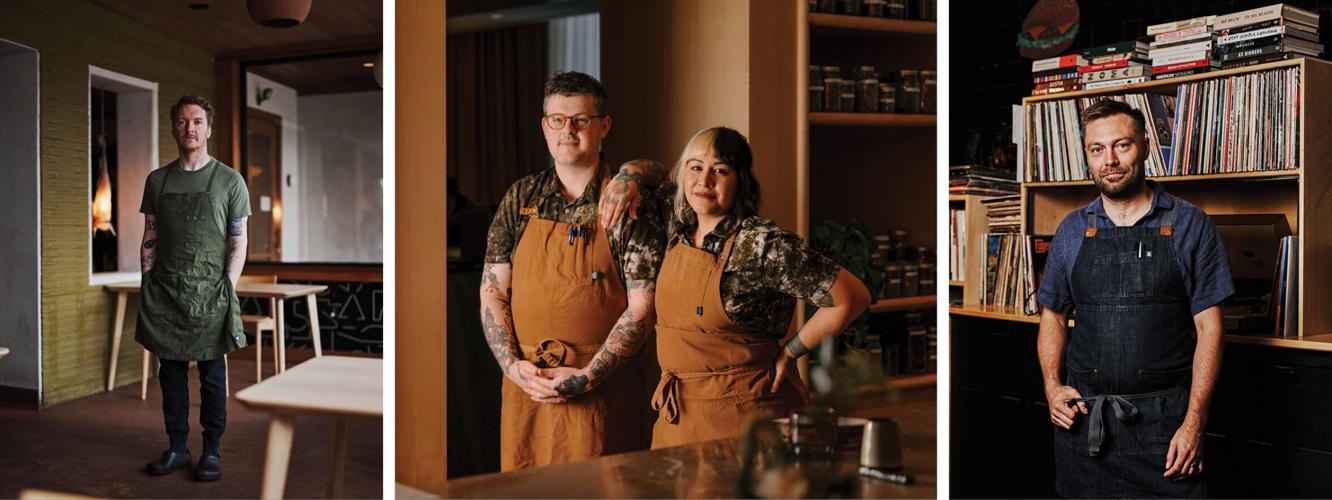
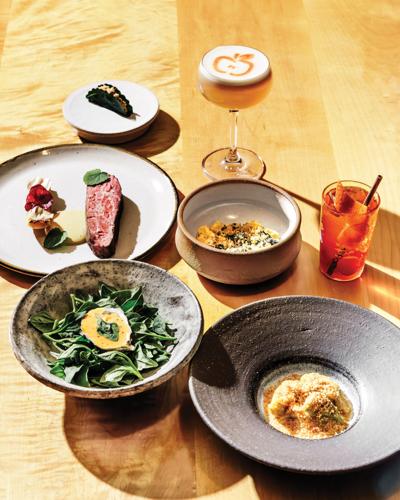


The stars are out on Broadway, their names plastered on the sides of mega-bars — Jelly Roll’s Goodnight Nashville, Dierks Bentley’s Whiskey Row, AJ’s Good Time Bar and the like. But the new stars hitting Music City are of a different ilk. Celebrity now takes center stage on a plate, rather than a platform, and the art is a combination of flavors and presentation more complex than a basket of you-fry-it-I’ll-try-it brown.
Nashville has gained new fame in the form of Michelin stars, awarded to three standout restaurants: Bastion, The Catbird Seat and Locust.
But what does having Michelin-starred restaurants mean for Nashville? What changes, if anything? And where does this place the city on its seemingly endless meteoric rise nationwide?

Why Michelin Matters
Like most citadels of hospitality, ratings matter. For years, the stalwart rating systems have been controlled by the Mobil Travel Guide (now the Forbes Travel Guide), the AAA Travel guide and the MICHELIN Guide — all respected publications with legacies of setting the standard in dining and travel. Hoteliers and restaurateurs pour hours into training, hoping to attain the level of service and product required to achieve these coveted rankings.
A Michelin star is awarded based on five criteria: ingredient quality, technique mastery, flavor harmony, personality of the chef in the cuisine and consistency across visits. And stars are reassessed annually. While a restaurant may earn a star one year, it must sustain that recognition.
The accolades bring prestige, including increased press attention (both nationally and internationally), features in culinary tourism guides, more opportunities for collaborations and guest chef events, and greater leverage in attracting investors or expansion capital.
But with prestige comes pressure — heightened scrutiny from diners, increased food costs and a widespread expectation to perform at a higher level.

Nashville Contenders
For Nashville, the recognition comes with unspoken global implications. Michelin stars signal that restaurants operate at a globally benchmarked standard, graduating a city from “regional scene” to “serious culinary market.”
“MICHELIN’s nod to Nashville affirms what locals have long known: Music City is a culinary destination,” says Deana Ivey, Nashville Convention & Visitors Corp president and CEO. “The creative spirit that drives our world-class music scene also inspires epicurean innovation.” This elevates Nashville’s reputation, tempting visitors and driving tourism, she explains. “We’re proud of our chefs and restaurants who work tirelessly to shape Nashville’s diverse food landscape, which … invites the world to a table where Southern hospitality meets culinary ingenuity,” Ivey adds.

Bastion
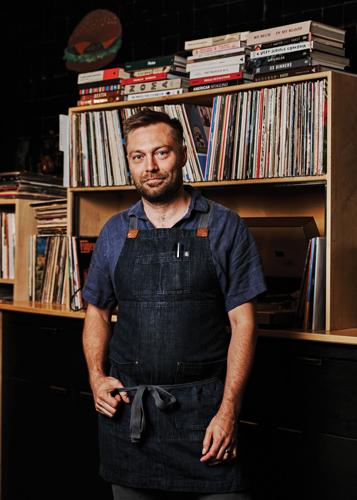
Before opening the newly Michelin-starred Bastion, Josh Habiger cofounded The Catbird Seat in 2011. The move — originally questioned as a risky business decision — soon earned him a number of accolades. Habiger was named one of Food & Wine’s Best New Chefs in 2012, and he was a James Beard Award finalist for Best Chef: Southeast in 2023. Habiger played a foundational role in shaping Nashville’s tasting-menu culture — grabbing the attention of The New York Times, which named Nashville the new “it city” in 2013.
As the architect of Nashville’s tasting era, Habiger began to look for new opportunities to share and expand this vision. After years of success at The Catbird Seat, he dreamed of a new model — opening Bastion in the up-and-coming Wedgewood-Houston neighborhood in 2016. The restaurant, an immediate hit, boasts a casual bar on one side and a 24-seat tasting room on the other. Behind an iron door, guests sit down to enjoy a multicourse tasting menu. The atmosphere is both intimate and chef-driven, creating a once-in-a-lifetime experience for diners with every visit.

The Catbird Seat
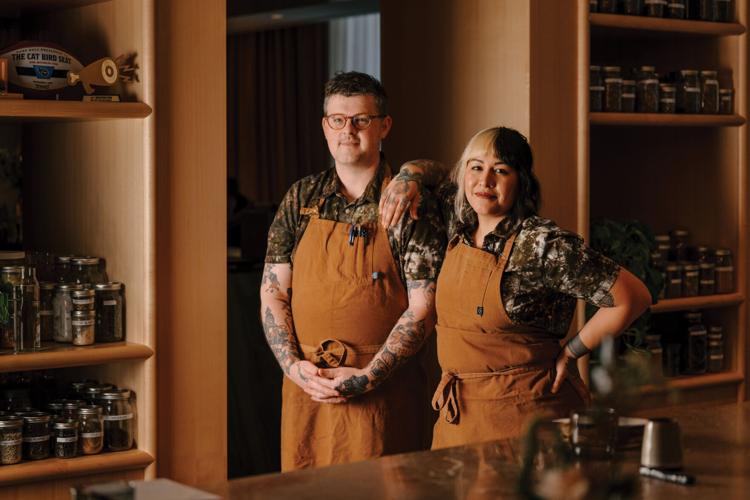
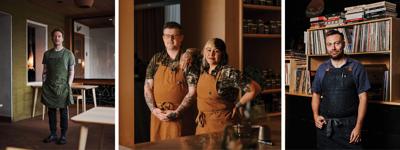
A new era and location make for tough operations on a good day — let alone in the middle of inspection season, when anonymous judges assess restaurants for Michelin stars. Tiffani Ortiz and Andy Doubrava recently became the sixth chef team to helm The Catbird Seat, which moved into the Bill Voorhees Building in 2024. Doubrava previously led California’s Rustic Canyon restaurant to its first Michelin star, and he and Ortiz also founded Slow Burn, a nomadic culinary experience. Together, the pair have logged over 45,000 miles hosting pop-ups across North America, sharing their deep commitment to sustainability and regenerative agriculture with curious diners.
While The Catbird Seat’s location has changed, much has stayed the same. It still boasts an iconic U-shaped counter that invites guests to interact with chefs. And it rotates executive chefs every few years, acting like an incubator for culinary talent (much like Denmark’s famed Noma). The restaurant, now in its 15th year, continues to evolve the tasting menu format with a current emphasis on seasonality and climate-conscious sourcing.

Locust
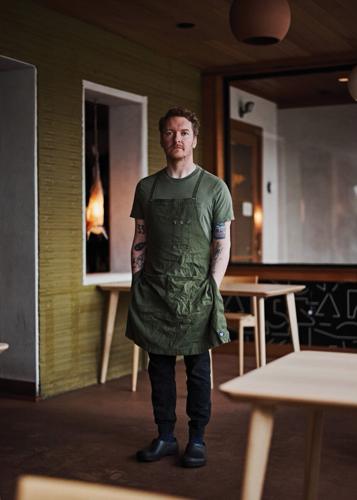
Born and raised in Ireland, chef Trevor Moran trained in Dublin before joining René Redzepi’s Noma in 2009. Moran spent over four years honing his skills at the restaurant during its global dominance era. And in 2014, he made his U.S. debut as executive chef of The Catbird Seat. Moran’s experience with Nordic sourcing philosophy and precision-driven kitchens shaped his work, and the James Beard Awards named him a Best Chef: Southeast semifinalist for two years in a row, in 2023 and 2024.
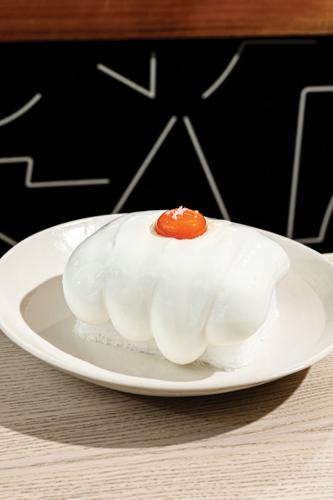
Often one of the hardest reservations to get in Nashville, Locust opened under Moran’s leadership in the bustling 12South neighborhood in 2020. What began as a seafood, dumpling and shaved ice restaurant evolved into a culinary experience that pairs modern dishes with classical cooking techniques and Irish influences. Locust is known for its meticulous sauce work and disciplined techniques.

Nashville’s New Era
Michelin recognition doesn’t change who Nashville is — but it does clarify who the city is becoming. Sure, the stars will bring heightened expectations, fuller reservation books and a new level of scrutiny. But at its best, this moment is less about prestige and more about proof.
And Moran says Nashville is “absolutely” ready for this moment. “We should be proud as a city — the three stars awarded this year offer different experiences,” he says. “There’s plenty of room for these awards. We don’t have to be so formulaic — why not get a star for barbecue or hot fish and keep it affordable?”
Years ago, The Hermitage Hotel set the standard by bringing five new Forbes Travel Guide stars to Nashville, becoming the first hotel in the state to earn the recognition. Little did we know, that was just the beginning.
For decades, Nashville has built its reputation on creativity, hospitality and ambition. Now, that ambition is being measured against a global standard. If the city can embrace the discipline that comes with distinction while preserving the warmth that defines it, these stars will not simply mark a milestone — they will signal a new era.


Commented
Sorry, there are no recent results for popular commented articles.