


In aesthetic medicine, knowing how to perform a procedure is only part of the job. Sometimes, the more important decision is knowing when not to perform one.
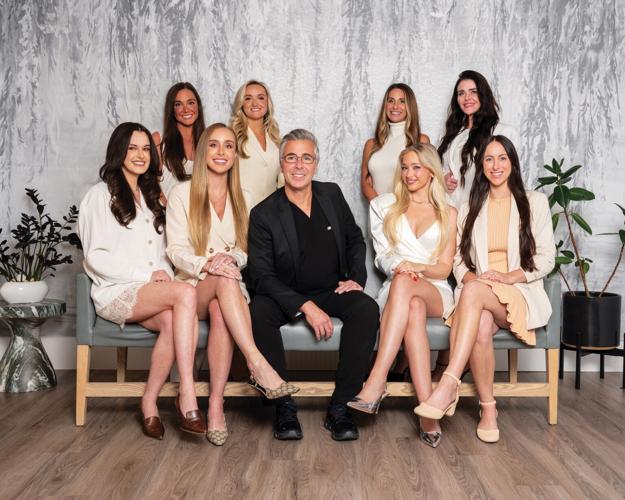
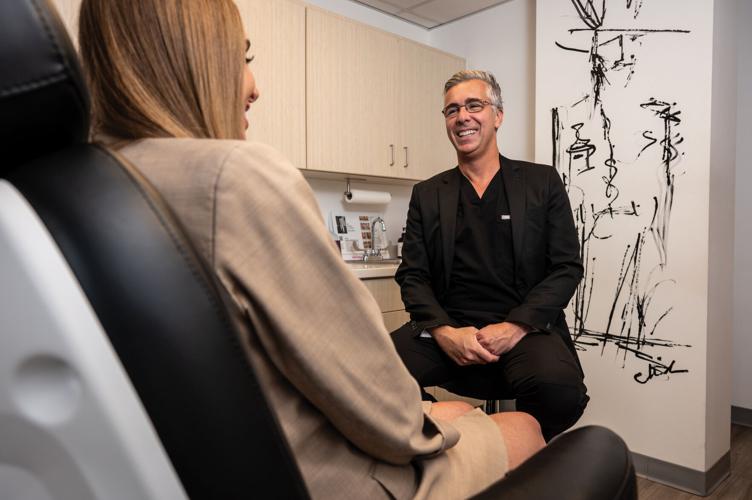
At Hatef Aesthetics & Plastic Surgery, Dr. Daniel Hatef sees patients who arrive seeking solutions — including some who are unhappy with procedures performed elsewhere. But a consultation doesn’t necessarily end with another treatment or surgery.
That’s particularly true when a patient is still recovering from a recent operation.
Swelling and shifting tissues can make results appear unusual during the early postoperative period, Hatef says, and patients may feel alarmed before their bodies have had time to heal. If the original procedure was well planned and performed by a board-certified plastic surgeon or facial plastic surgeon, he often recommends patience rather than immediate intervention. He might also encourage the patient to return to the original surgeon to discuss their concerns.

That measured approach is reflected in Hatef’s ongoing clinical research, where the practice is studying outcomes across facial, rhinoplasty and breast procedures.
For facelift patients, Hatef is comparing smile recovery following a deep-plane facelift with recovery after liposuction and radiofrequency tightening. Although a face and neck lift might seem like the more invasive procedure, preliminary observations have produced an interesting result: Patients in the facelift group are returning to strong, symmetrical smiles sooner.
His rhinoplasty research reflects another evolution in aesthetic surgery — the growing preference for results that retain some of a patient’s natural characteristics.
Rather than completely eliminating a dorsal hump or creating a scooped profile, Hatef is studying rhinoplasty procedures that leave a softer version of the hump intact. The results, he says, can appear strikingly natural. Increasingly, patients are arriving at consultations specifically requesting that look.
Another study focused on breast surgery. Hatef is examining “bottoming out” (when implants drop too low) and comparing how the complication relates to different implant types, surfaces and surgical planes. The goal is to better understand how those variables affect outcomes over time.
Patients themselves are also coming to consultations better informed than they were just a few years ago.

Social media has given prospective patients access to detailed information about procedures and surgical techniques, Hatef says. Facelift patients now ask intricate questions about the anatomical changes he plans to make. Rhinoplasty patients are asking for more subtle results.
But greater access to aesthetic medicine also brings concerns.
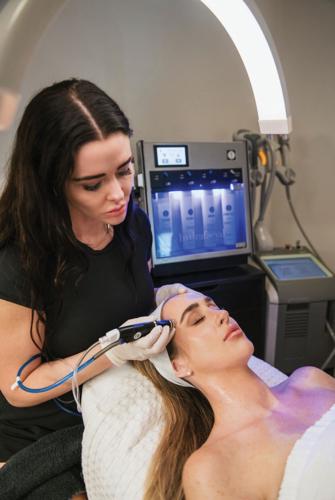
Hatef believes the rapid growth of the industry has outpaced appropriate safeguards. He points to the proliferation of medical spas across the country, arguing that standards governing some aesthetic practices and certain prescription medications are too lax.

For patients, that makes credentials, training and long-term medical judgment increasingly important to consider when choosing a provider.
Hatef sees the consequences when patients arrive at his office seeking help after treatments performed elsewhere. His concern is that financial incentives sometimes take precedence over a patient’s long-term outcomes — a dynamic he believes threatens both patient well-being and the reputation of the profession.
Against that backdrop, his philosophy comes back to restraint: Understand the anatomy, study the outcomes and recognize that the right treatment is not always the most aggressive one.
Sometimes, the best prescription is simply time.


Commented
Sorry, there are no recent results for popular commented articles.