
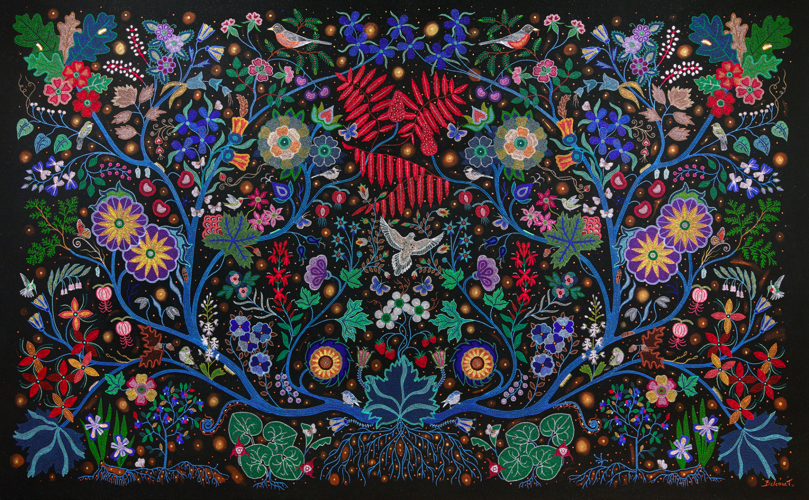
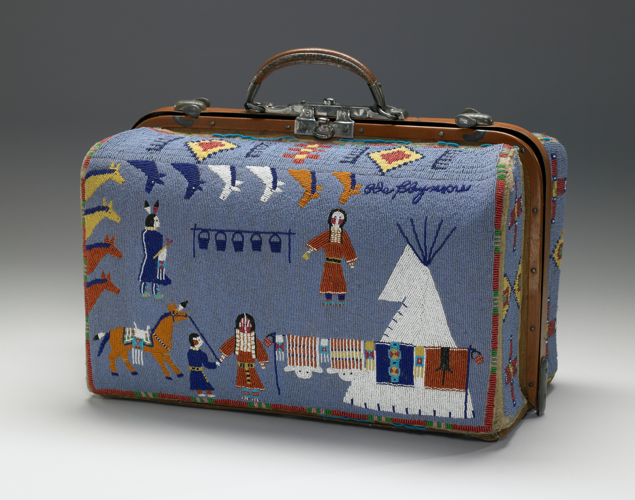
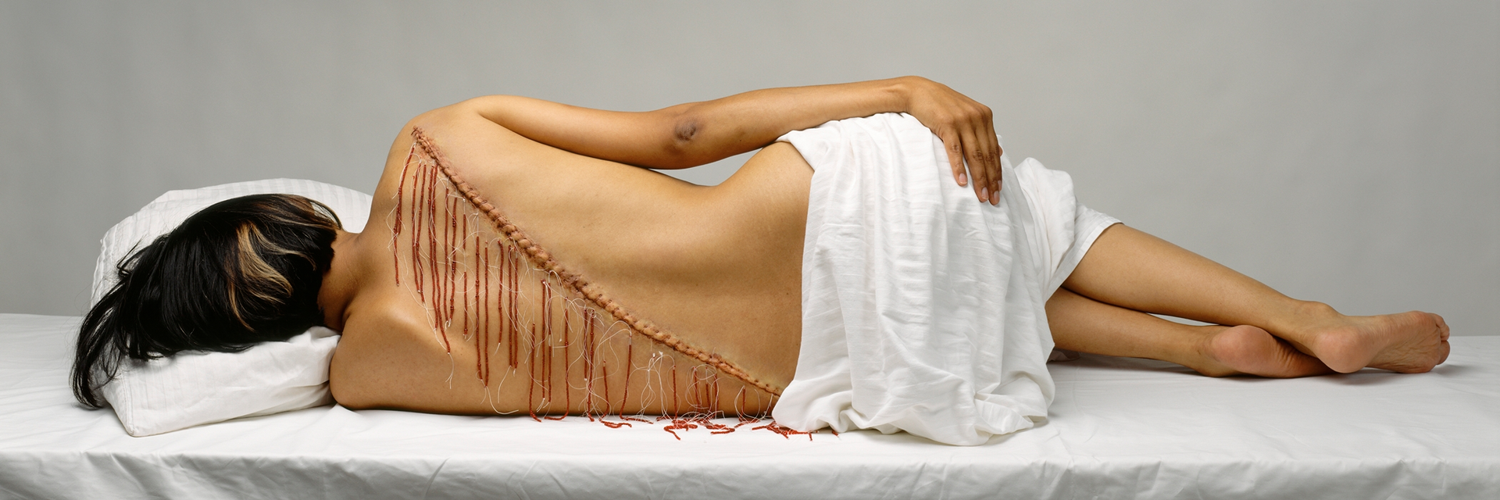
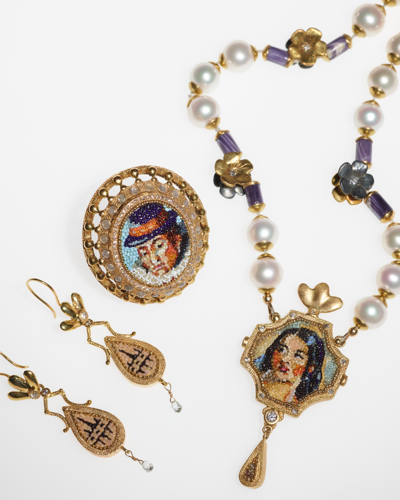
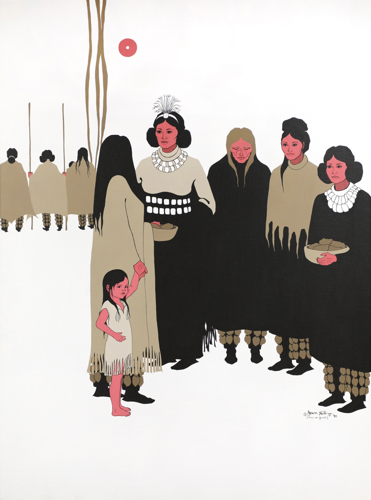
When Jill Ahlberg Yohe, the associate curator of Native American art at Minneapolis Institute of Art, began planning the first all-female exhibit of Native American works, she asked Kiowa artist and scholar Teri Greeves to join her. Teri jumped onboard before even fully processing that as a member of the Kiowa tribe, she's only able to speak for other Kiowa tribe members. What started out as a two-person team quickly became a joint effort involving a board of 21 additional women, most of whom are also Native American artists and scholars.
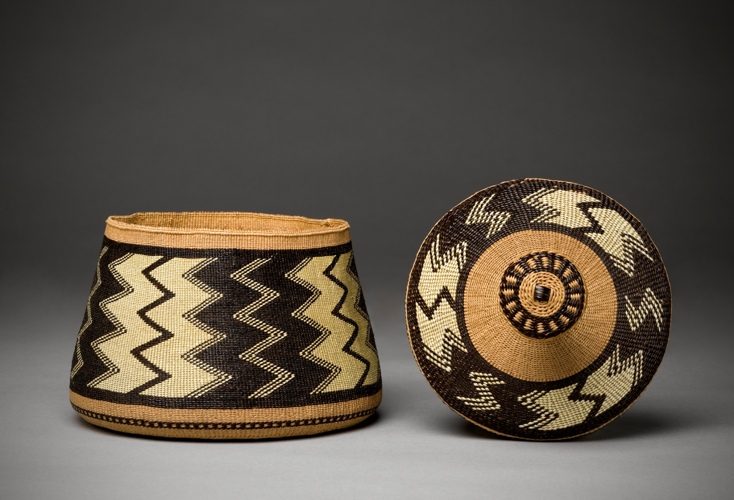
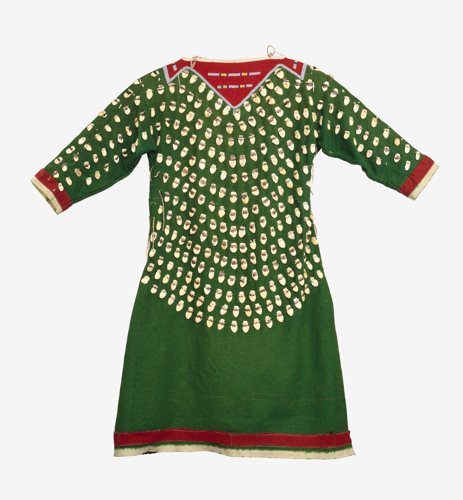
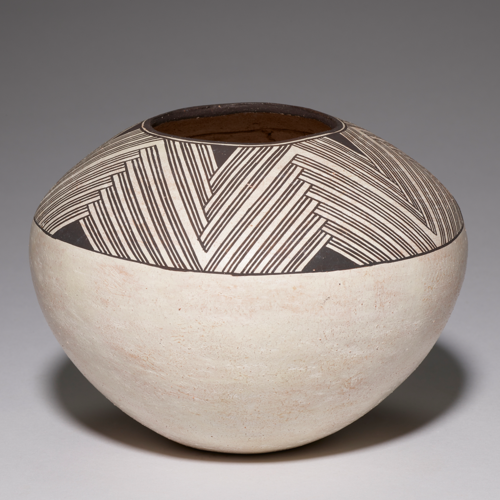
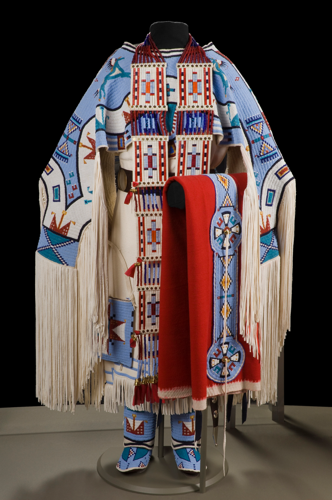
The result of their labor is Hearts of Our People, the Frist Art Museum's incredibly moving new exhibit, on loan from the Minneapolis Institute of Art. The exhibit features 115 objects — including pottery, baskets, beadwork, textiles, sculptures, paintings, video and installation arts — from artists across the United States and Canada, from ancient times to today.
"You will see similarities across cultures and communities, but you will also see many differences," the Frist's exhibit summary explains. "Native Americans are not a single monolithic group, and each tribe, nation or community has its own unique culture, history and present moment."
While exhibits are typically classified by material, timeline and region, the board decided that didn't make sense for this exhibit and opted to divide the works into categories of legacy, relationships and power. Legacy explores how Native women are impacted by the generations that preceded them. At the gallery opening, Teri talked about how she sees objects as living beings, things that are always changing. She used the example of how she adapted a pair of leggings her grandmother had made so that her son could wear them to this graduation. Many would see the restructuring of the leggings as destructive, but Native women — and Teri in particular — see it as a way to keep the item alive, a way to honor her grandmother's legacy.
Jill says the exhibit is about creating a new way of seeing that is intuitive to Native Americans. And Teri's example of the leggings is just one instance of those differences.
An installation of crushed bone china sits in front of a projection of running buffalo. The work speaks to the era in which buffalo were targeted and slaughtered as an effort to kill off the Native American people. While the buffalo were a comprehensive means of survival, they were also seen by the Native people as being in relationship with one another, and the buffalo were commonly referred to as "brother." The mound of shattered bone china, which was often made from the bones of buffalo, serves as an offering back to the creatures that sustained the Native people for so many years.
While Hearts of Our People is powerful all on its own, it's merely the beginning of a conversation about how Native female artists have so deeply impacted what we now think of as American art today. And the hope is that the exhibit will reframe the perspective you began with.
The last item in the exhibit is a glass box lit from inside. The light casts shadows of the etched images on the glass onto everything around it, including the viewer. The message is that regardless of which part of the story we found ourselves in or whether or not we chose to be a part of the story, we can't escape it. We're all here now and are able to choose our impact on the future.
For more information, visit fristartmuseum.com, and make sure to stop by the Frist to see the exhibit before it leaves on Jan. 12, 2020.
Photographs courtesy of Frist Art Museum


Commented
Sorry, there are no recent results for popular commented articles.