

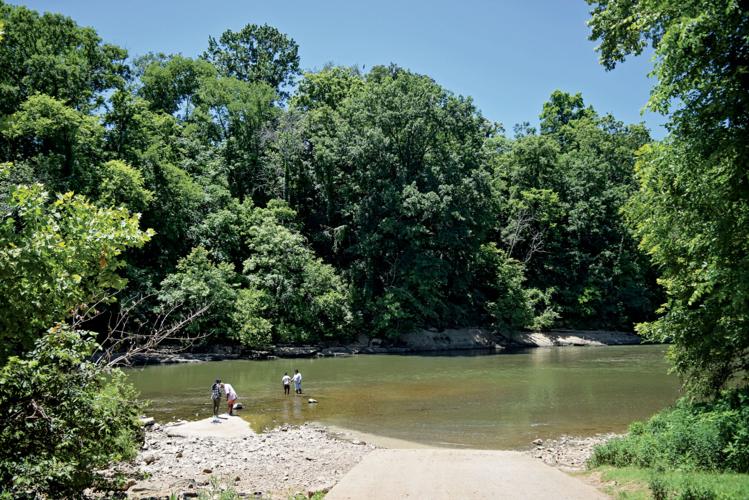

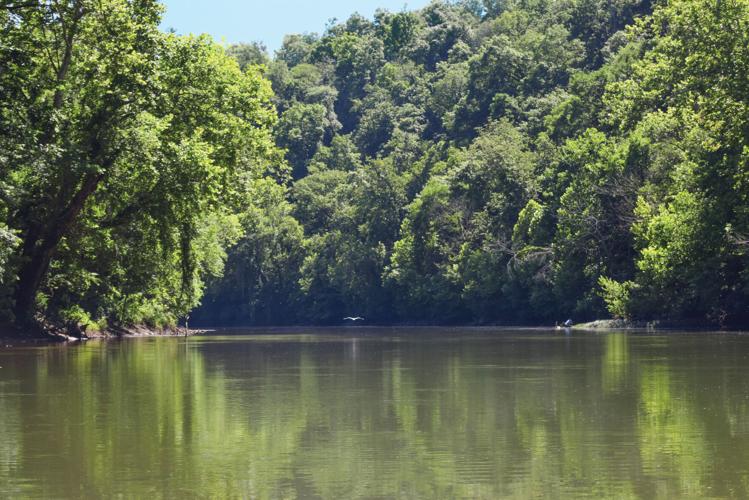


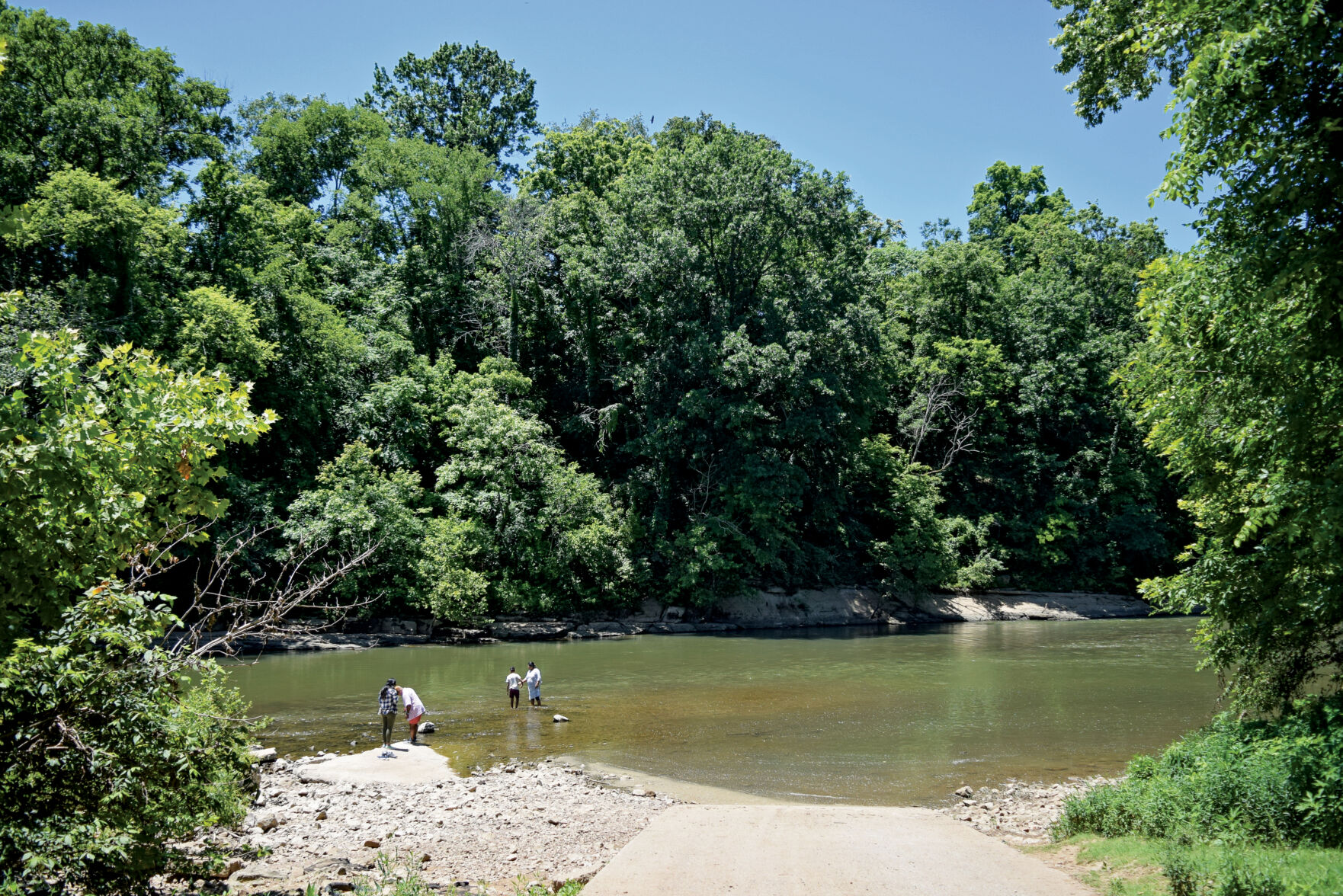
Each morning, as the sun rises over the Duck River, the water continues its lazy flow to the Tennessee River. The tree canopy shields the flora and fauna that inhabit the area along the river’s shore from the harsh midday sun, as it has for thousands of years. Beneath the surface of the water, a dense ecosystem goes quietly about its business.
For many Nashvillians, the Duck River is a cherished getaway — and a place to return to time and time again. The beloved waterway has been a destination for summer activities as generations of urbanites have made their escape from the city to the river. While this biodiverse ecosystem provides water for the area, it also sits in third place on American Rivers’ 2024 Most Endangered Rivers list. Harpeth Conservancy is working hard to save the Duck and preserve this natural treasure.
The Duck
Formed millions of years ago from a natural spring that emerges from the limestone bedrock of the Highland Rim barrens, the Duck River crosses through seven Middle Tennessee counties before joining the Tennessee River in Humphreys County. Legend has it the river was named for the many ducks that called it home. The shores of the 270-mile river were once inhabited by the Muscogee (Creek), Yuchi, Chickasaw, Choctaw, Cherokee, Shawnee and Seneca tribes.
Today, the river supplies water for agriculture and heavy manufacturing and provides drinking water to over 250,000 Middle Tennessee residents. But excessive water use is the very reason the Duck has been named an endangered river, and conservationists throughout the state are looking for solutions. “We are not anti-development,” says Grace Stranch, Harpeth Conservancy CEO. “We just want lawmakers to help create a plan that is sustainable and does not over-tax the river.”
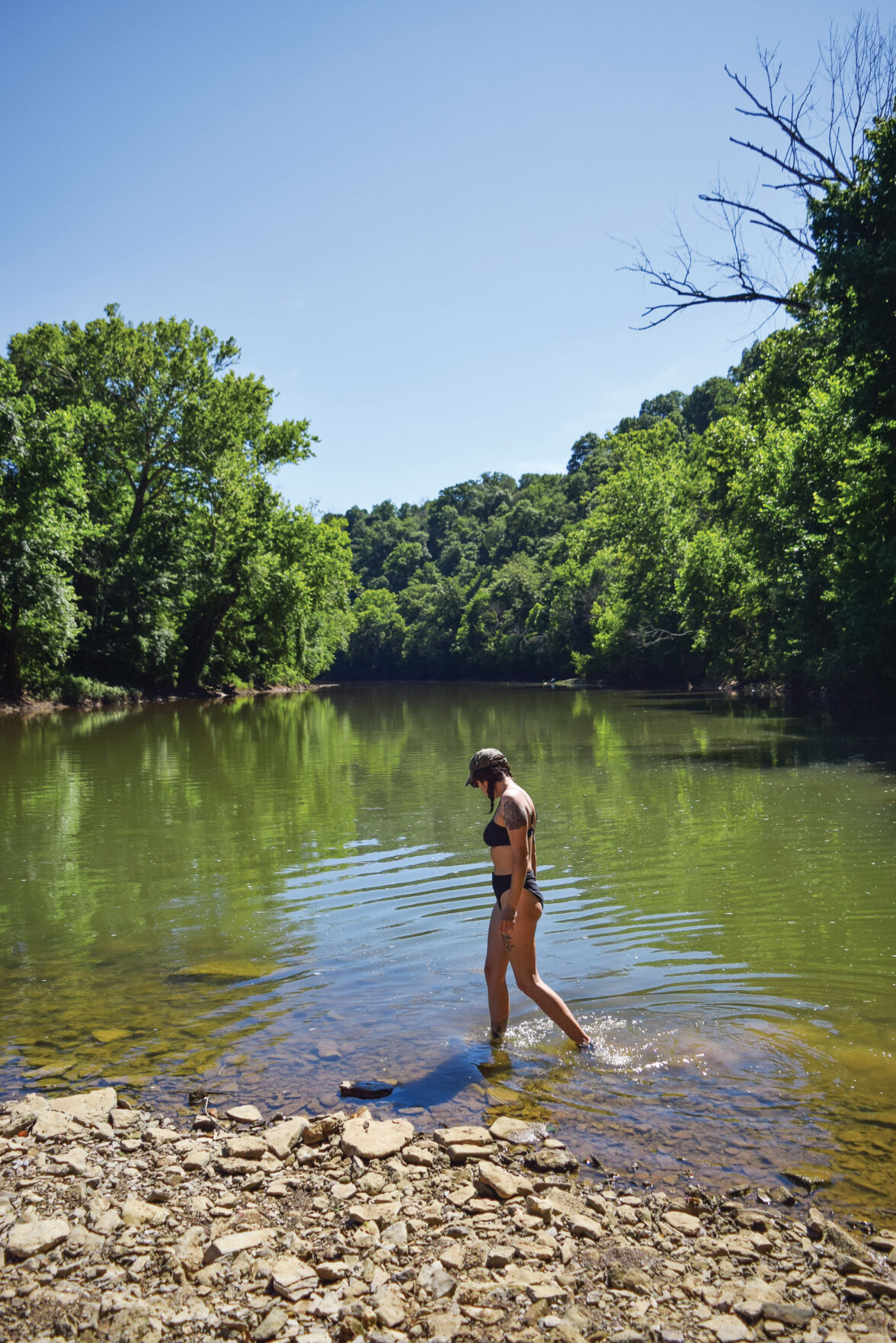
Each summer, an estimated 150,000 people spend time on the Duck River and its tributaries. The weekends see the heaviest traffic, as visitors travel to the banks of the Duck for some rest and relaxation. The gentle gradient and calm waters make the Duck River an ideal spot for kayaking and canoeing. The river is also perfect for a lazy day of bank and boat fishing, and it is renowned as a fly fishing paradise. With the flurry of activity, it is no wonder the river is the region’s main outdoor and recreation economic driver, resulting in millions of dollars flowing into local economies each year.
Beneath the surface
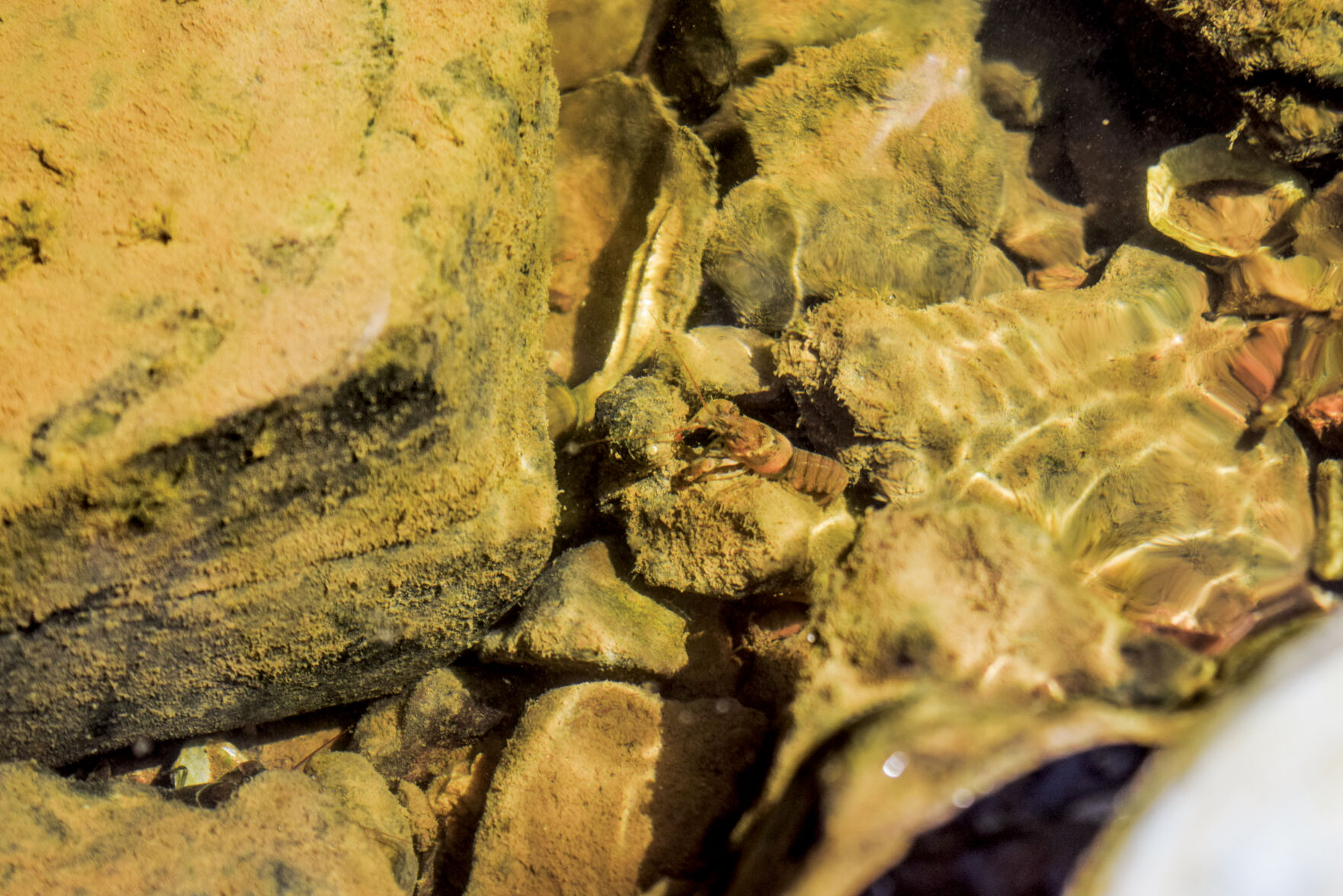
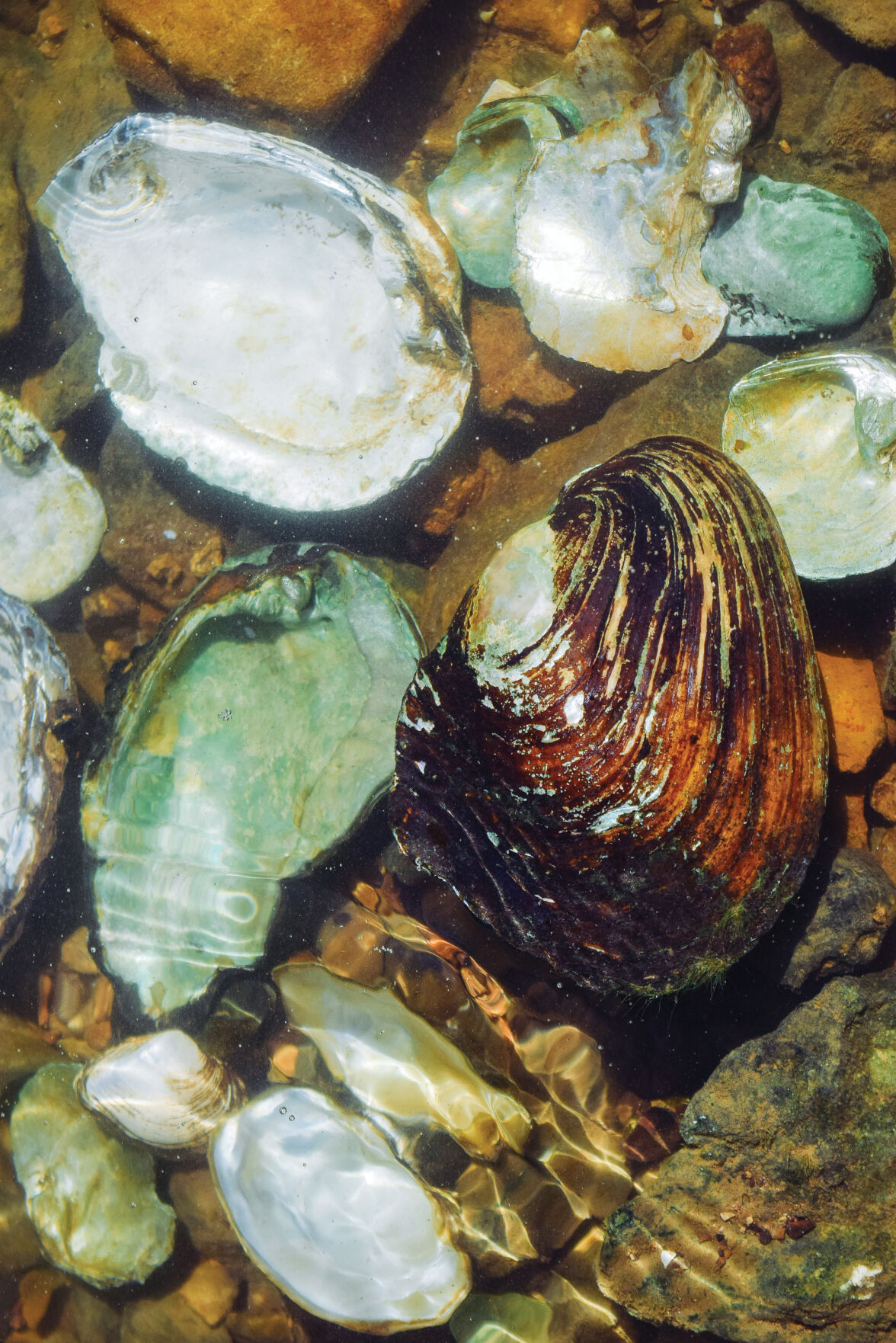
While humans enjoy their time on the surface of the water, it is the variety of life within the river that places the Duck River on the international stage. The Duck is the third-most biodiverse river in the world and the most biodiverse in the U.S. The river is home to 151 species of fish, 56 species of mussels and 22 species of snails. Several of these species are unique to the Duck River, and many are federally listed as endangered or threatened.
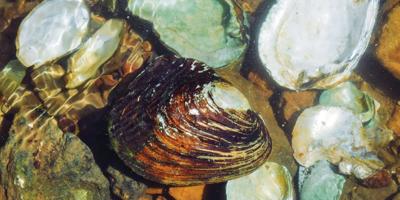
Within a 30-mile stretch of the Duck resides the last remaining population of Epioblasma ahlstedti — the Duck River dartersnapper — a freshwater mussel species that was, at one time, found as far south as Muscle Shoals, Alabama, and is now critically imperiled. Mussels, a reliable indicator of water quality, are extremely sensitive to pollution. Mussels act as the filtration system for a river, removing bacteria, algae and pollutants from the water and thus improving water quality. Most freshwater mussel populations have been wiped out in the U.S., making the Duck River bivalves even more crucial.
This is not the first time Tennessee waterways have come under scrutiny. In 1973, the Tellico Dam project by the Tennessee Valley Authority threatened the habitat of the endangered snail darter. The project was approved before environmental regulations were enacted. However, the small-but-mighty fish gained notoriety, as lawsuits claimed that the habitat would be irrevocably damaged, threatening the future of the species. While the lawsuit slowed the project, it did not prevent the construction of the dam. Forward-thinking biologists rallied and worked to introduce snail darters into the Hiwassee River. In July 1984, the snail darter was downgraded from endangered to threatened because of the work done to preserve the species. Finally, in November 2022, the U.S. Fish and Wildlife Service officially delisted the snail darter after extensive work to support the species and the discovery of other populations.
Saving the Duck
While saving a species is no small feat, preserving an entire ecosystem is an entirely different matter. The Duck River is facing a multiple-front threat. As population growth and development in the area increases, so does the demand for more drinking water and more water for sewage, agriculture and manufacturing. The Duck River is in a situation where water consumption exceeds what the river can sustainably provide.
Enter the Harpeth Conservancy, a Middle Tennessee-based conservation organization that was formed to monitor, restore and protect the scenic Harpeth River and its tributaries. The organization’s mission has since expanded to include more Tennessee rivers and waterways.
The Harpeth Conservancy has firsthand experience with American Rivers’ Most Endangered Rivers list. In 2015, the Harpeth River ranked ninth on the list, due to water quality issues like unpermitted wastewater discharges, sewage pollution, excessive water withdrawals, low dissolved oxygen and phosphorus pollution. Through scientific work and community advocacy, the Harpeth Conservancy catalyzed change for the threatened river. And in 2020, the Harpeth River was removed from the Most Endangered Rivers list.
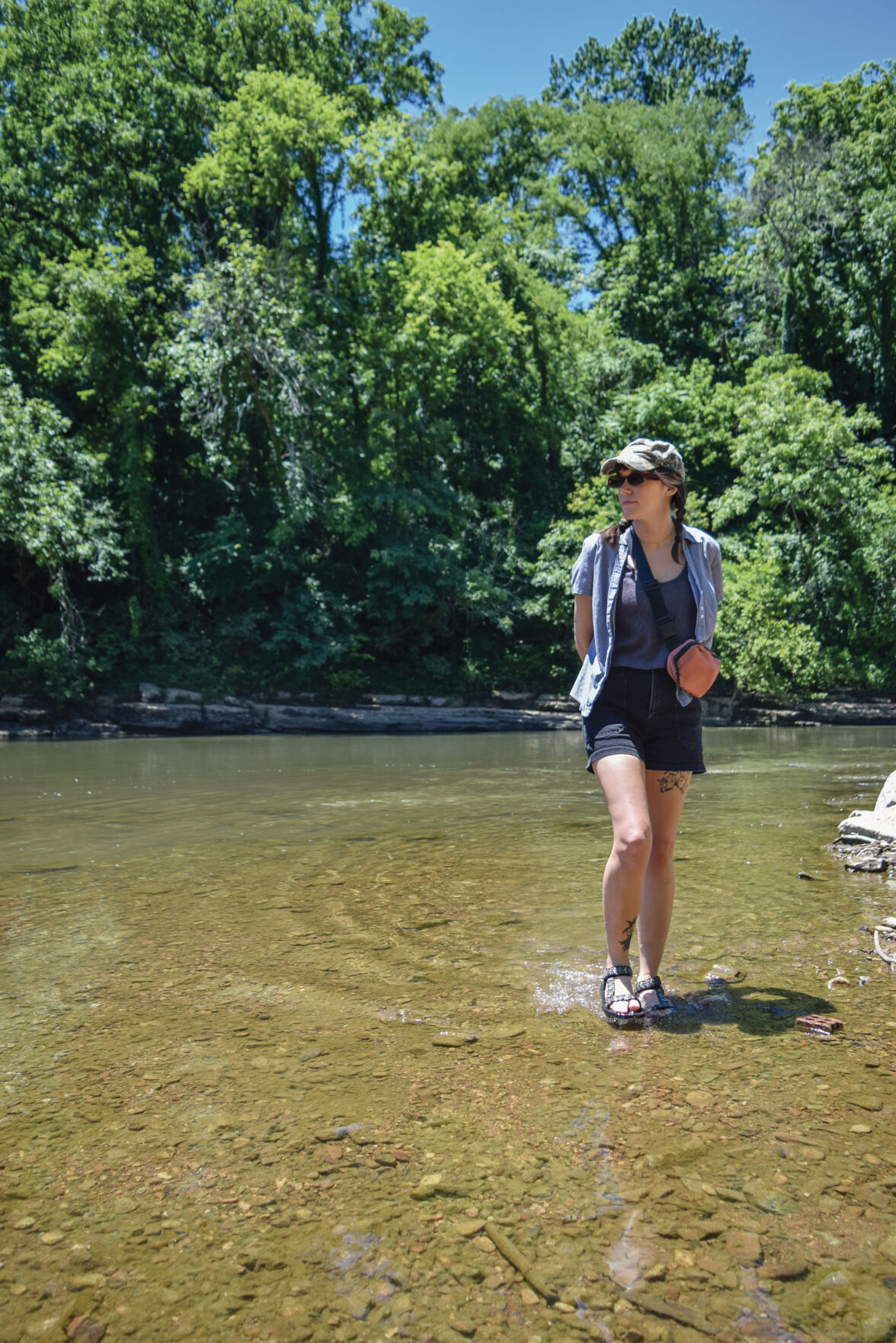
Today, the Harpeth Conservancy is using the same playbook to preserve the Duck River. The organization is currently working with American Rivers to ask individuals to sign a petition. Additionally, representatives of the Harpeth Conservancy are in direct contact with Gov. Bill Lee's office and have had meetings with his representatives to ask the governor to convene experts to oversee water management and conservation in the Duck River watershed. The organization has also asked the Tennessee Department of Environment and Conservation (TDEC) to develop a comprehensive plan to manage the long-term and sustainable use of the Duck River. And the group has asked the governor to fund much-needed research to understand the needs of the river. The environmental impact on the Duck River will be detrimental if action is not taken, and local economies will also be greatly affected.
“Approximately 90% of Tennesseans live within a mile of a river, stream or waterway, which collectively provide about 60% of the state’s drinking water,” Grace says. “The Duck River, the pearl of our river systems, has the potential to serve as a model for sustainable management, demonstrating how we can balance the interests of Tennesseans while preserving our vital water resources. If we want the Duck River to be a resource for future generations, we must act now, together.”



Commented
Sorry, there are no recent results for popular commented articles.