





Under the hot South African sun, a pride of lions crouches in the grass, eyes locked on a nearby herd of Cape buffalo. Muscles twitch with anticipation. A break in the line: A calf drifts too far from the others, unaware of the danger lurking inches away, hidden in the golden brush.
The humans watching — travelers with Abercrombie & Kent sitting in open-air jeeps — hold their breath. The air stills. Then, with spring-loaded force and silent coordination, the lions begin their advance. The calf moves within striking range — just a heartbeat away from sharp teeth and claws.
Where the Wild Things Are
The 7,500-square-mile swath of land — just 2,000 less than Vermont — that is Kruger National Park was born when the Sabie and Shingwedzi reserves merged. These reserves, created in the late 1890s and early 1900s, were South Africa’s earliest attempts at wildlife conservation. In 1922, the park welcomed its first guests as part of the South African Railways’ popular “Round in Nine” rail tours. In 1926, the park officially became known as Kruger National Park, named after president Paul Kruger, and began welcoming drive-through tours.
South Africa’s diverse terrain offers many distinct biomes, from verdant grasslands and lush forests to arid deserts and shrubby thickets. But most of what you’ll find in Kruger National Park is the savanna — a woody grassland dotted with trees.
Within the savanna lie even smaller vegetation zones, which, depending on the time of year, support the various fauna that live in the park. During the dry winter months, animals often gather near watering holes, making them easier — and more thrilling — to spot. This ever-changing landscape offers an ideal escape for visitors on safari.

Life at the Lodge
On the Sabie side of Kruger National Park sits Thornybush Game Lodge — more of an immersive experience than a rustic camp. Originally opened in 1961, Thornybush offers 16 luxurious private suites, each outfitted with indoor and outdoor showers, deep soaking tubs and heated blankets for cool winter nights. Guests fall asleep behind screened windows to the sounds of the wild — and awaken to its wonders.
Each morning and evening, armed guards escort guests from their private lodges to the al fresco dining area and meeting space to prevent unwanted wildlife encounters. Each meal is prepared and enjoyed in this outdoor oasis, which allows for views of the Monwana River (a seasonal fixture that runs dry in the winter) and offers glimpses of parading elephants or solitary leopards.
The Thornybush culinary team whips up exquisite meals that range from local fare to more classically European and American dishes. Each dish is expertly prepared, and the bar is always open. While dining, it’s not unusual for guests to observe a range of wildlife, from the antelope that frequent the property to the ornery monkeys that often try — and at times succeed — to steal bread. While the Thornybush team has slingshots on hand to keep the monkeys at bay, one or two of the clever critters reliably manage to pull off a heist.
Conservation pulses through Thornybush. For two decades, the Thornybush community has led the charge in important preservation work through photography, internship opportunities and community education. One new initiative, Thornybush Kids in Conservation, teaches local schoolchildren about conservation and helps them earn scouting badges. Thornybush also supports economic and nutrition efforts in the local community through the Thousand Herbs and Vegetables Garden program, which provides fresh produce and herbs to luxury resorts throughout Kruger National Park.
Protecting the reserve is the job of the Tango K9 Anti-Poaching Unit, a specialized team that includes highly trained dogs and their handlers. Together, they patrol Thornybush and the Greater Kruger region, working to curb illegal hunting and safeguard the area’s most vulnerable species. The team is in place for good reason. From 2011 to 2020, Kruger National Park’s white rhino population dropped 75% — from 10,600 to 2,607. With critically endangered and vulnerable species in their care, the unit acts as guardians, protecting animals from their biggest predator — humans.
Encounters with the Big Five
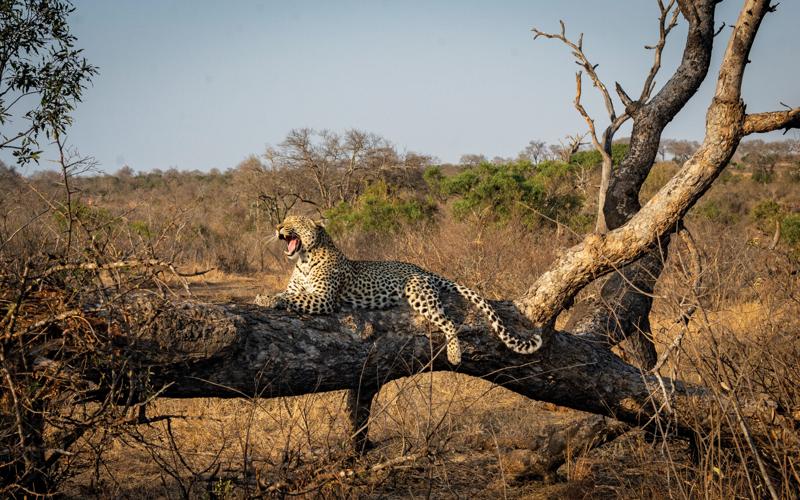
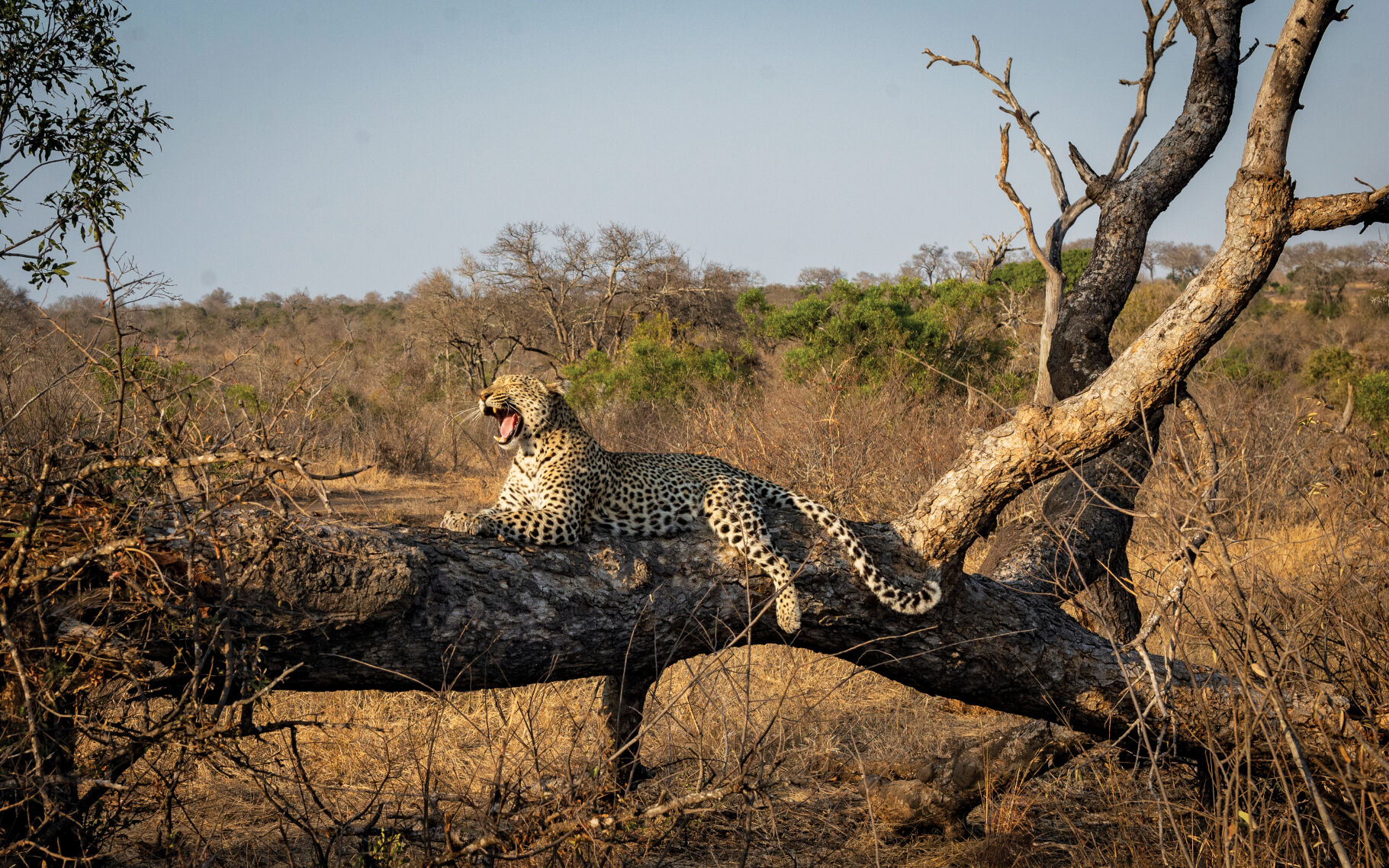
Kruger’s wildlife feels endless. As the sun rises and golden light spills across the savanna, a young leopard stalks a herd of impalas. Though he fails at first, we later spot him in a tree with a young warthog clutched in his jaws — out of reach above a snarling pack of hyenas.
Further inside the park, a mother elephant and her 4-month-old calf graze on a bush beneath a tree. Though the calf grows nervous as the jeep approaches, the mother remains calm — almost stoic. We turn off the engine to hear the quiet hum of industrious insects and the persistent munching of vegetation. Perhaps to calm her calf (and the now-enthralled humans), the mother elephant lets out a low hum — almost a purr — letting those nearby know everything would be all right.
Later, a white rhino and her calf appear. This mother keeps her distance. The cost of survival is carved into their faces — both rhinos have had their horns removed to deter poachers. Roughly 16,800 white rhinos remain in the world today.
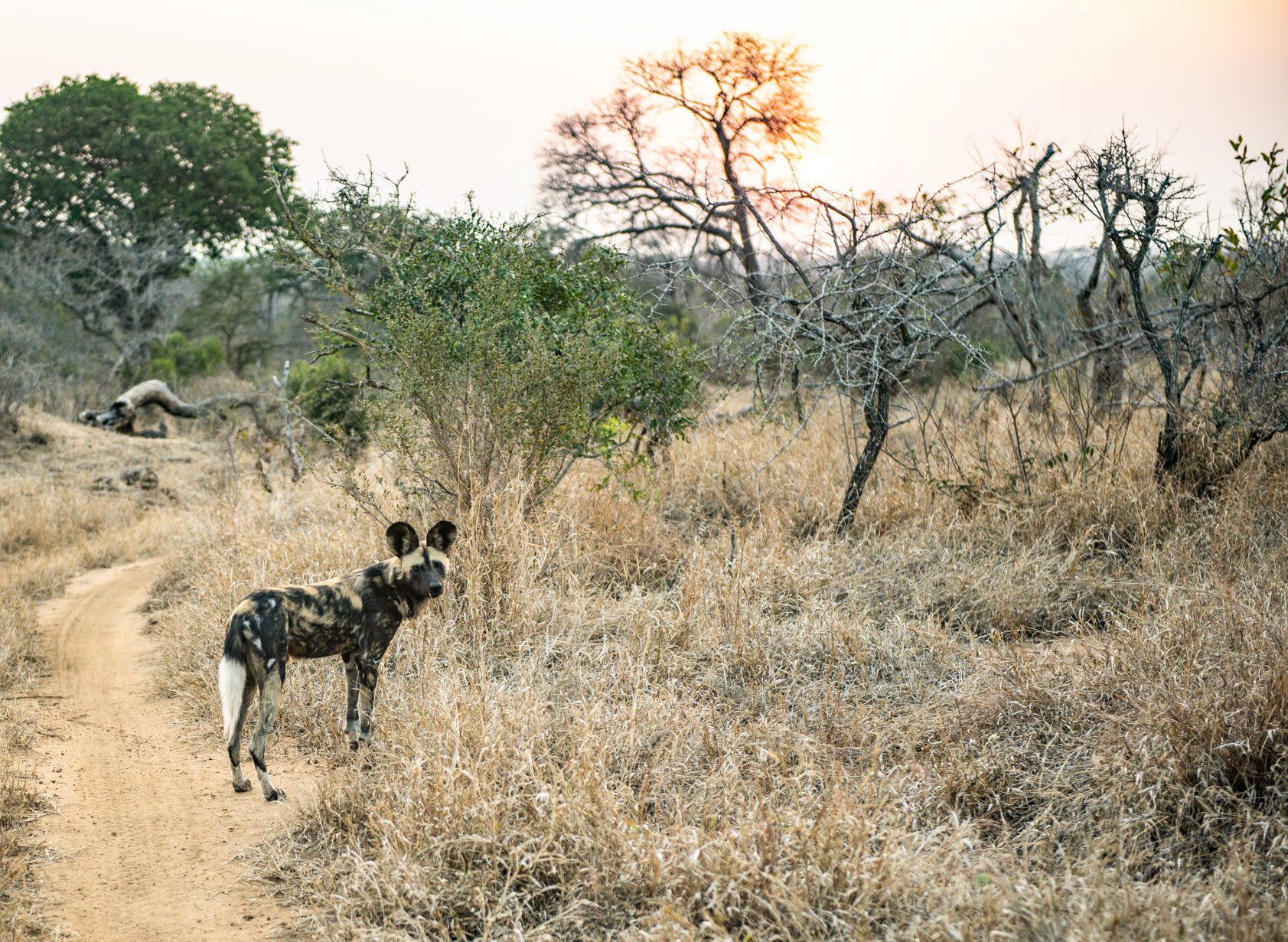
Aside from the Big Five, one of the rarest sightings of all emerges at sunset. A pack of African wild dogs — also called painted dogs — begin their hunt. Fewer than 7,000 remain in the wild. The rare creatures vanish into the bush just as the Southern Cross constellation appears overhead, reminding us it’s time to head back toward camp.
Reflecting on our days watching the Big Five, it becomes clear there is a fragility in this coexistence. With the loss of just one of these species, the thread is broken and the fabric of this ecosystem begins to unravel.

The Cast of Characters
Beyond the wildlife and wonder, one of the most beautiful parts of travel is the cast of colorful characters who make a trip unforgettable.
A pair of lifelong companions celebrating 49 years of friendship. Three couples enjoying a bucket list trip. A group of four from New York — including one proud and delightful shopaholic — who are warm, charming and inclusive. And who could forget the valiant group leader who gently, yet firmly, keeps everyone in line when it comes to staying on schedule?
As much as the destination enriches you, it is the Gilligan’s-Island-esque troop you share memories with that makes the journey magical.
Final Scene
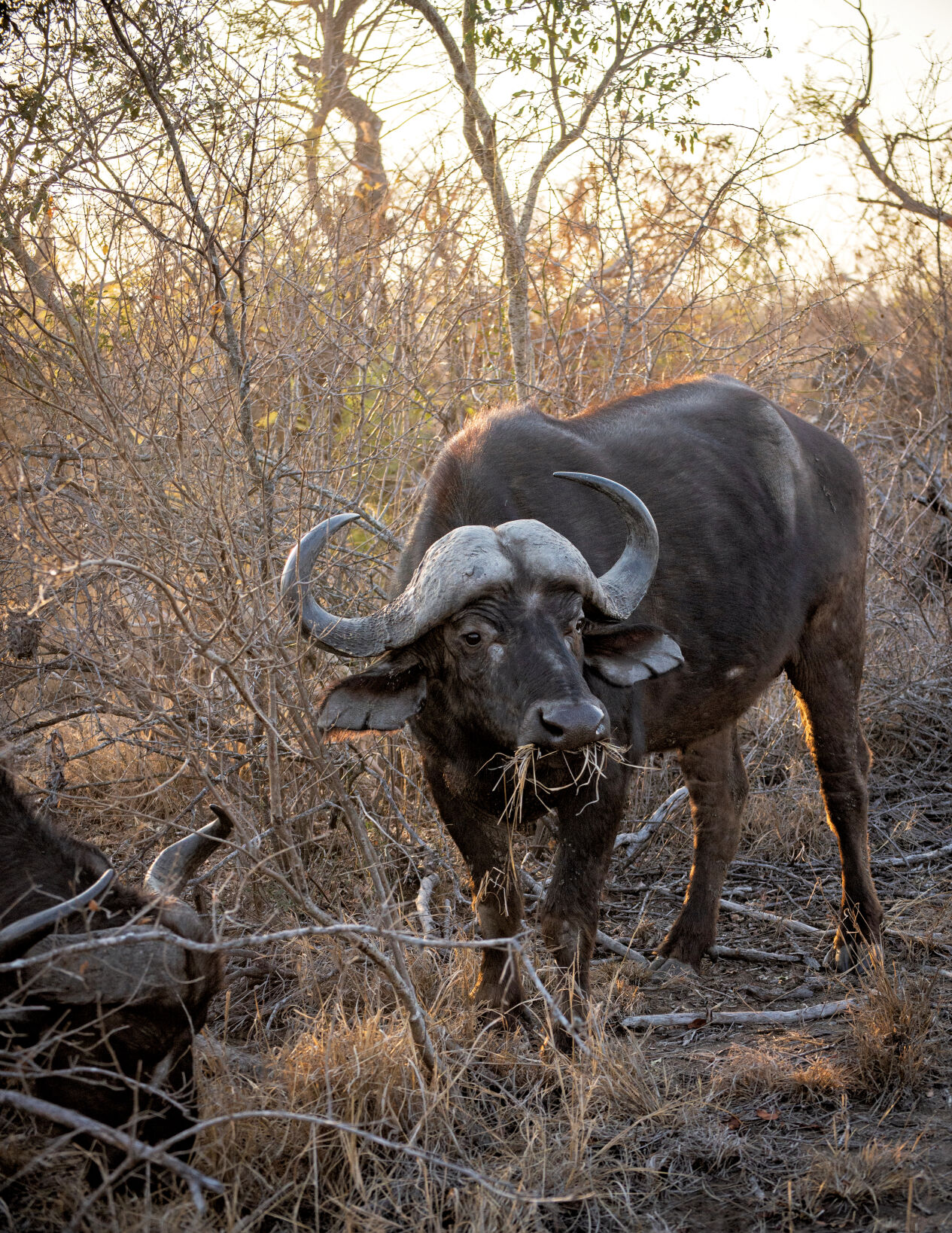
As the lions advance, seemingly certain of their victory, the adult buffalo quickly close ranks to form a living shield around the calf. One adult Cape buffalo can be a meal for a pride, but a herd is a more formidable force in defending a helpless calf that hasn’t yet grown into her horns.
The calf lives. The lions slip away into the shadows, lean with hunger but still alive — just like everything here, fighting to endure.


Commented
Sorry, there are no recent results for popular commented articles.