
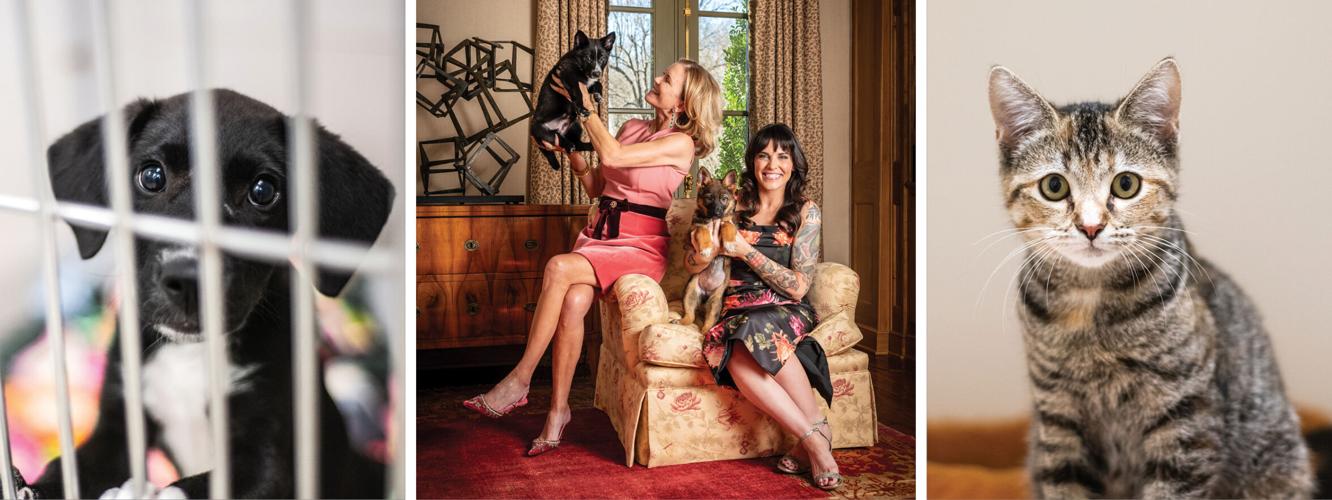

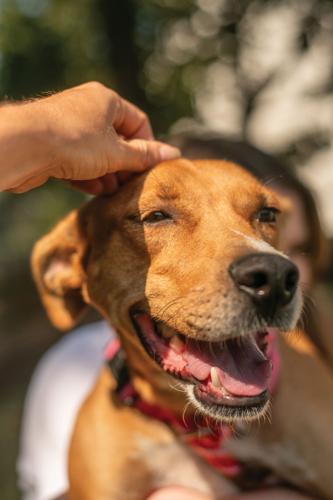
When you visit Nashville Humane Association on Oceola Avenue, team members greet you with bright, smiling faces. But as you pass through the spaces housing NHA’s furriest residents, a sense of hopeful anticipation hangs in the air. There, watchful eyes and expectant faces study you — following each step, each pause and each moment of consideration as you linger outside the kennel of a hopeful pup or curious cat.
This scene has played out thousands of times over the past 80 years. For many animals, it marks the beginning of a new chapter. For others, it signals the end of a traumatic road traveled. And for NHA, it represents just one facet of a mission rooted in care, protection and advocacy for the animals of Middle Tennessee.
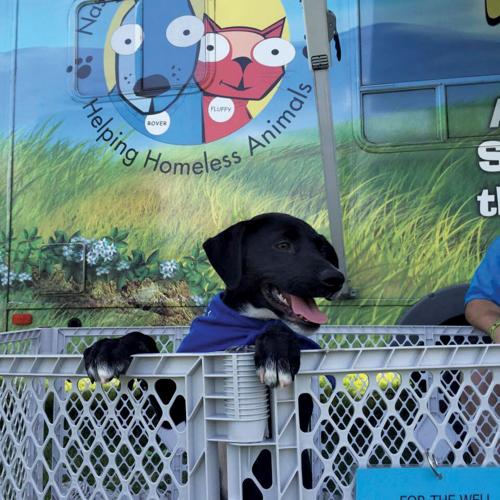
In the past five years alone, NHA has helped thousands of animals find loving homes. But the organization has also extended its reach beyond its own walls. Through partnerships with agencies such as Metro Animal Care and Control, NHA has stepped in to support at-risk animals and save furry lives across the community. In 2024, the organization placed 3,139 dogs and cats into forever homes, maintained an impressive 99% save rate — well above the national benchmark for no-kill shelters — and facilitated 3,187 medical procedures for pets in need.
Guided by steady leadership from executive director Laura Baker and strengthened by committed board members like Robin Patton, NHA enters its ninth decade with both momentum and purpose — prepared to meet the evolving needs of animals and the community that cares for them.

In the Beginning
In 1946, Nashville was a city in motion — balancing tradition with modernization as soldiers returned home from World War II, bringing new ambitions and ideas. That spring, then-Mayor Thomas Cummings introduced natural gas. In December, the Nashville Symphony debuted under the direction of famed composer William Strickland. Country music was gaining momentum: Hank Williams recorded songs at the WSM studio, further shaping the city’s cultural identity.
That same year, NHA was incorporated — quietly beginning a legacy of animal welfare that would grow alongside the city itself. “Eighty years in Nashville years is basically forever,” says Baker. “When Nashville Humane Association was founded, the city was a lot smaller. The music was on vinyl, and animal welfare looked very different. The fact that we’re still here — thriving, evolving and saving lives — says that Nashville has always had a big heart, and that heart has only grown over time.”

Laying the Groundwork
Animal advocacy had begun taking root in the United States decades earlier. In 1877, the American Humane Association was founded to advocate for the humane treatment of livestock and working animals — particularly those used in transportation. In time, its efforts expanded to include the protection of children, reflecting a broader concern for the vulnerable at a moment in history when child labor laws did not yet exist.
Early newspaper accounts reveal that in our community, NHA’s work was often difficult and, at times, grim. Headlines detailed harsh realities of abandonment, injury and abuse — placing suffering animals squarely in the public eye.
But as frequently as stories of neglect appeared, so too did moments of light and healing. There were photos of children beaming with pride displaying the puppies they’d won through a contest. There were essay prompts — with pictures of puppies in buckets and cheerful captions like “Hey Kids! This Puppy Can Be Yours!” — inviting children to explain why they hoped to adopt the featured puppy. Accounts of Nashvillians volunteering their time, resources and voices to support NHA’s growing mission punctuated the pages.
Together, these stories illustrate a truth that has endured for decades: Even in its earliest years, NHA existed not only to respond to cruelty, but to foster compassion — one animal, one family and one act of care at a time.

NHA Today
Animal welfare has now taken center stage in Nashville. The city has gathered to champion animal-centric causes, and NHA’s scope has expanded to include controlling rabies, examining bite cases, caring for stray animals and investigating cruelty reports. “Today, animal welfare isn’t just about adoption — it’s about access to care, behavior support, crisis response and recognizing that pets are family,” Baker says.
While Baker found her calling in animal advocacy at The Ohio State University, her love of animals began much earlier. Growing up in rural Ohio, she saw animals as an integral part of everyday life — a perspective that continues to inform her leadership today.
“One of the initiatives I’m most proud of is that NHA became the first KultureCity-certified animal shelter in Tennessee — and in the entire Southeast,” Baker says. This means the NHA team is trained to support guests with sensory needs. “Animal welfare isn’t a one-size-fits-all experience,” she adds. “And adoption shouldn’t feel intimidating or inaccessible.”
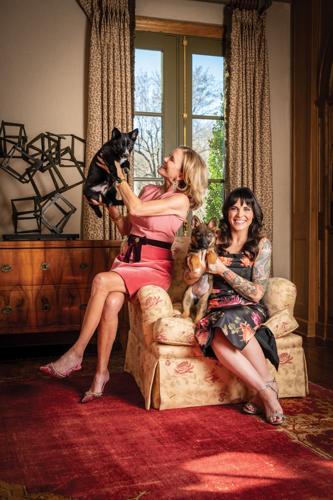
NHA would also not be here without ardent supporters like Patton. “Some people joke that I love animals more than people, and in some ways that may be true,” Patton says, laughing. “Animals don’t have a voice, and I feel a deep responsibility to give them one through the work of NHA.”
Patton’s love of animals started early: She often brought home wounded and homeless critters as a child. When she began volunteering with NHA over 30 years ago, she wanted to go beyond writing a check to create a meaningful impact for the organization. Patton’s interior design business, Robin Patton Interiors, worked with Marjorie Feltus Hawkins’ Feltus Hawkins Design to design NHA’s new building interiors.
“We set out to create a feel-good experience — a place where, the moment you walk in, you sense hope rather than heartbreak, and you feel that these animals are on their way to loving homes,” Patton explains.
Reflecting on the organization’s evolution, Patton credits a group of dedicated leaders — including John Colton, Bob Crosby and Jim Delanis — who helped guide NHA through a pivotal period. “Together, we worked to strengthen the organization — from revising the bylaws to reshaping the mission,” she says. “To stand here at the 80th anniversary, having been part of NHA for most of my adult life, and to see it thriving and fulfilling its purpose, is profoundly satisfying.”



Commented
Sorry, there are no recent results for popular commented articles.