
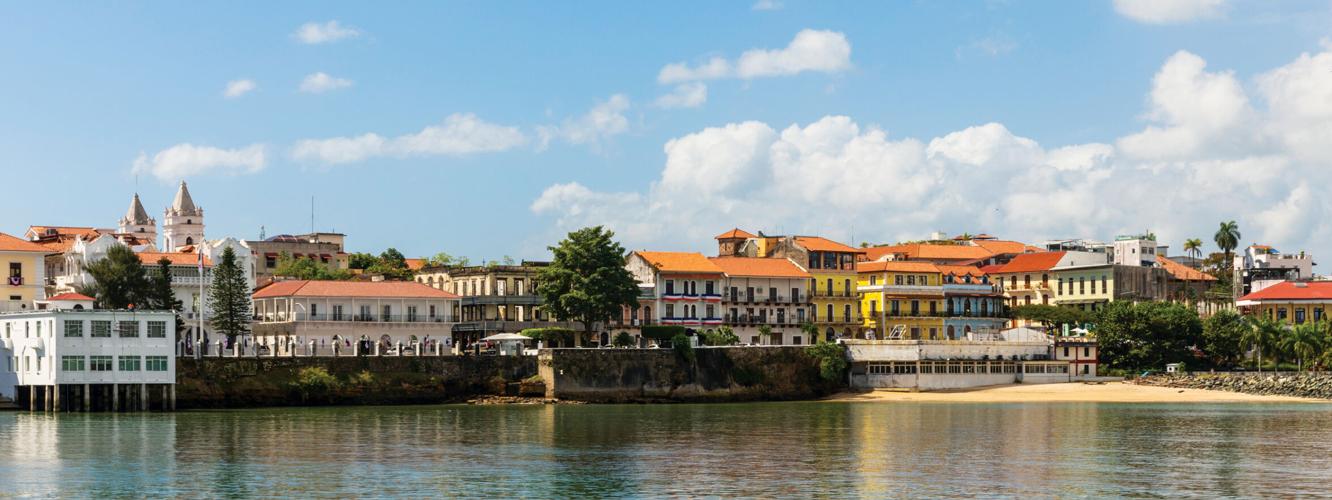
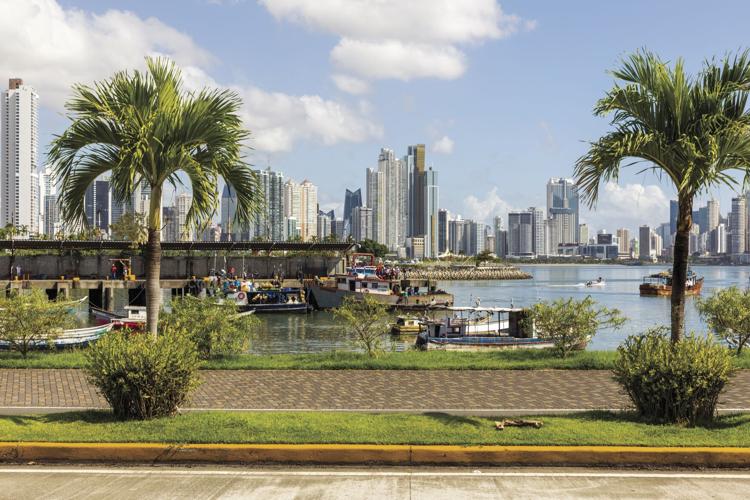
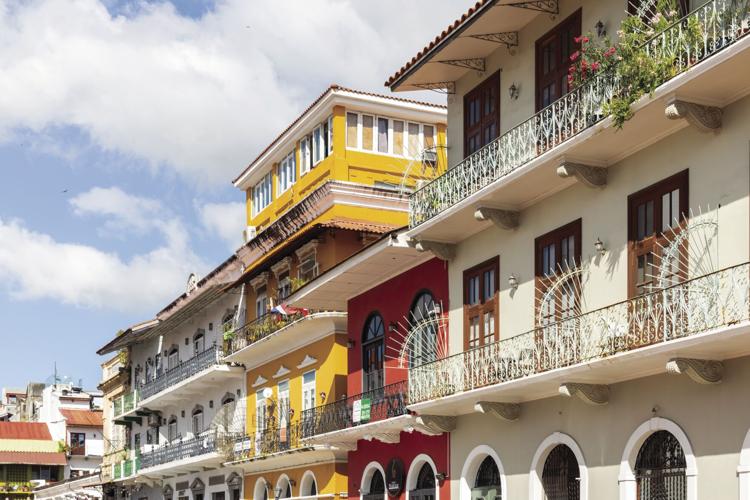

Situated on the coast of the Panama Bay in the Gulf of Panama lies the Isthmus of Panama. This stretch of biodiverse land connects North and South America and is home to the Panama Canal. Cradled in the heart of the strip of land sits the country of Panama and its eponymous capital city. With its rich and vibrant history, beautiful architecture, natural and man-made attractions and dynamic culinary scene, this coastal metropolis offers an incredible respite for winter-weary Nashvillians.

Origin story
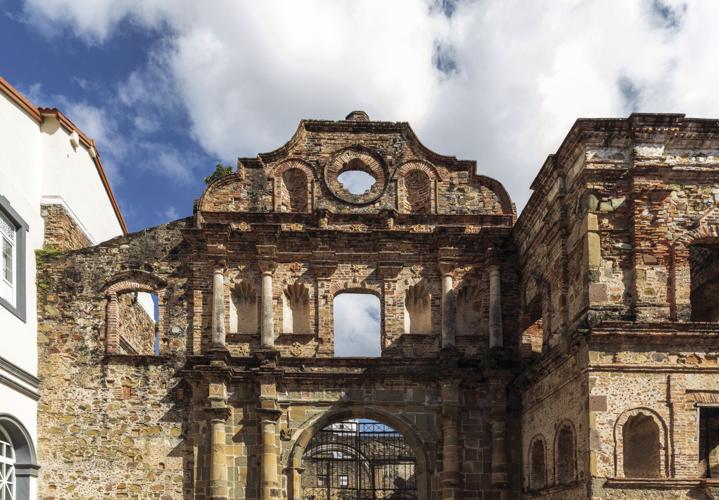
Originally settled in 1519by Spanish conquistadors, Panama City is designed on a grid — a nod to European city planning. The city quickly became a stopping point for ships loaded with silver and gold on their voyages back to Spain. In 1671, the city was destroyed by British buccaneer Henry Morgan — the namesake for Captain Morgan rum. In 1674, Panamá Nuevo — now called Casco Viejo or the historic district — was built southwest of the original site of the city.
As Panama City’s prominence grew in trade, so did the desire to create a commerce route between the Atlantic and Pacific oceans. For centuries, ships had to sail around Chile’s southern tip, Cape Horn, adding two months of travel time to cross-ocean journeys.
The first attempt to build the Panama Canal — one of the most difficult engineering feats in history — came from the French. From 1881 to 1889, Ferdinand de Lesseps, developer of the Suez Canal, oversaw the project to make the Panama Canal a reality. Unfortunately, he never realized his dream. After losing investor confidence — and the lives of approximately 22,000 people — the French abandoned their efforts to construct the canal.
In 1904, the United States, under President Theodore Roosevelt, took over construction of the Panama Canal. After 10 years of construction, the new canal opened under U.S. operation, offering new opportunities for nautical commerce.

Sofitel Legend Casco Viejo
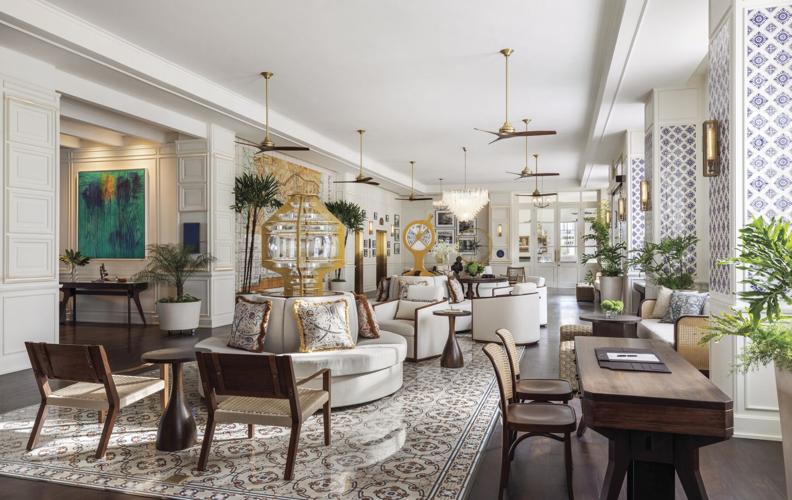
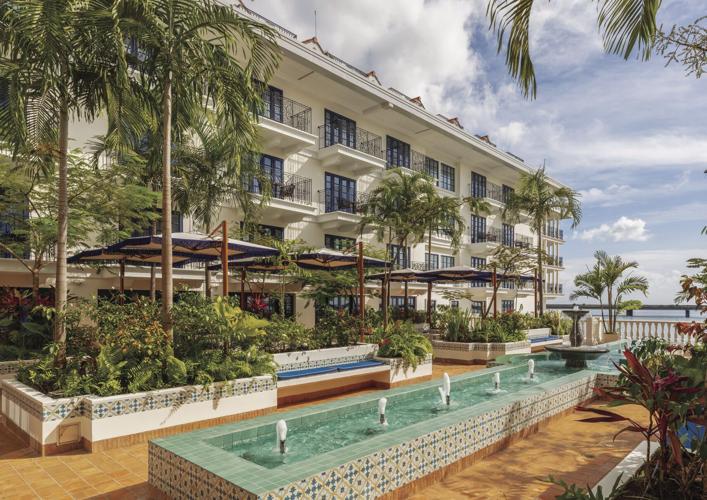
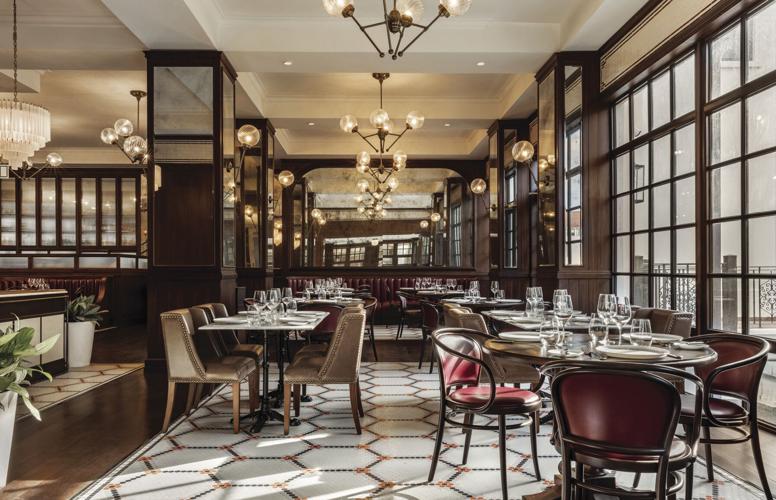
In the heart of the historic district lies the site of the former Club Unión. The exclusive club once served as a haven for the city’s elite, but has since been transformed into the newly reimagined Sofitel Legend Casco Viejo hotel. The interior design has been masterfully modernized while retaining the club’s historic charm. Cascades of orchids and oversized vases filled with verdant plants adorn the common spaces, giving the feel of understated opulence.
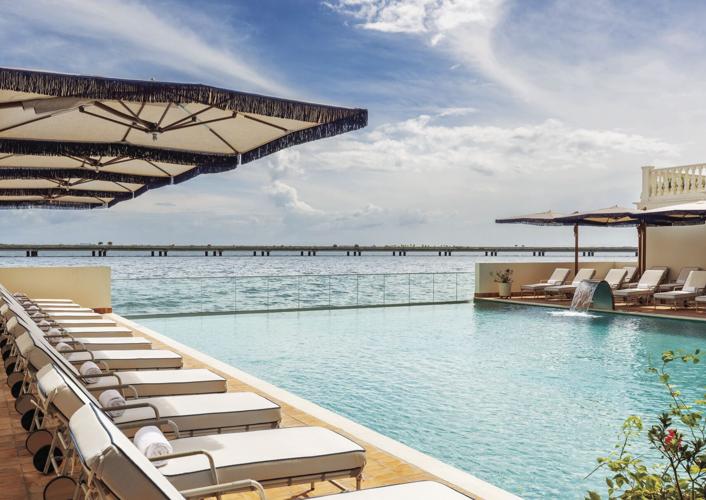
Boasting 159 luxury rooms and suites, the hotel offers sweeping views of the water with the modern Panama City skyline behind. Some rooms offer balconies, so guests can enjoy their morning coffee while watching the bustling city or sip a glass of wine as the tide ebbs and flows. The staff of the hotel exemplifies five-star service as they lead you to your destination — like the spa or the pool — with charm and grace.
With six restaurants and bars to choose from, there is little need to leave the hotel. But guests will no doubt feel the draw of Panama City’s culture pulling them to explore. Luckily, the hotel is situated on a cobblestone street within walking distance of some of the city’s best restaurants and nightlife options.

Food and fun
Visitors to Panama City will find no shortage of magnificent food or exceptional activities. Panama City is the only city in the world that has a rainforest within city limits, and guests are welcome to explore the natural beauty of its biodiverse ecosystem. Hiking is abundant, and a visit to a turtle sanctuary to learn more about Panama’s conservation efforts is a must. History and architecture collide throughout the city, encouraging strolls and self-guided architecture tours through Casco Viejo.
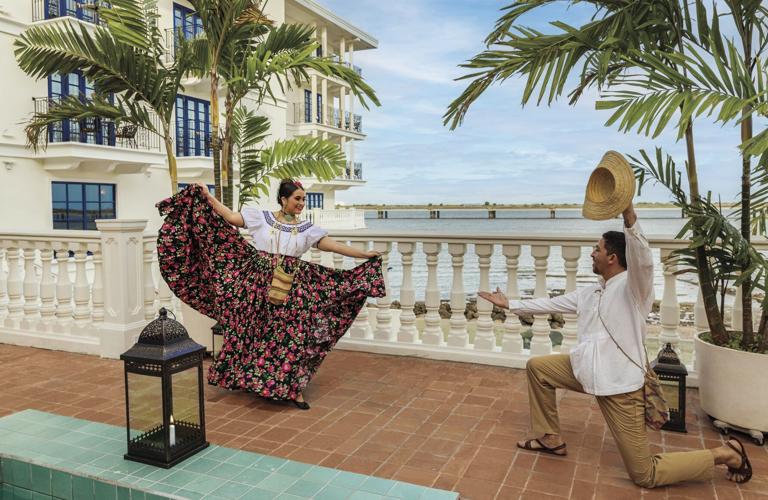
One of the best times to visit Panama City is just before Lent, as Carnival begins the Friday before Ash Wednesday. Originally a Roman Catholic celebration, Carnival now embraces all religions to create an atmosphere of unity. Carnival begins with a baptism of sorts, as cistern trucks release cannons of water onto a jubilant crowd during La Mojadera (the “water hose”). Then, visitors and locals alike enjoy a four-day celebration of colorful parades, tempting food stalls, the Carnival Queen crowning and more. The energy is electric, and each day’s celebrations last long into the night.
Whether or not you make it for Carnival, Panama’s cuisine is a study in the extraordinary. Food stalls serving empanadas and local beers line the streets, while fine-dining restaurants serve local cuisine with international flare. Since 2017, Panama City has been designated as a UNESCO Creative City of Gastronomy, with influences from African, Spanish and indigenous cultures. No two meals are alike, and visitors will find flavorful dishes to suit any palate.
When planning a spring break getaway or a couples retreat, the other Panama City is an escape to paradise.


Commented
Sorry, there are no recent results for popular commented articles.