

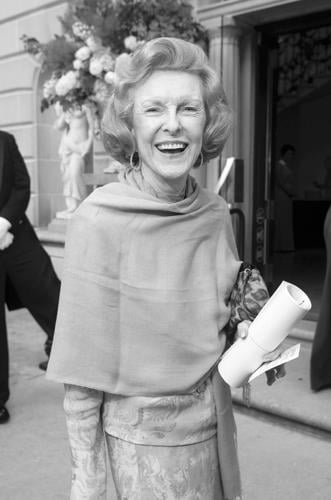
As we celebrate 30 years of Nfocus, we have asked our friends in the community — many of whom have been with us since the beginning — to tell their story in their own words. Throughout the year, readers will hear from those who have graced our pages and supported our stories.
This month, we reached out to a dear friend and former editor-in-chief of Nfocus, Beth Alexander, to discuss 30 years of Swan Ball and its illustrious history.
The Swan Ball was born to be a transcendent evening. Founder Jane Anderson Dudley sparkled with ideas, and each ensuing chairman — whether she knew Jane personally or not — still aims for transcendence. Fundraisers grow, change and sometimes fade away, but this event remains fresh. Each leader feels inspired to compose the enchantment anew. Like the magical day of Brigadoon, the Ball annually recreates, seemingly from gossamer, a massive tent and all the architecture required for an elegant al fresco ballroom.
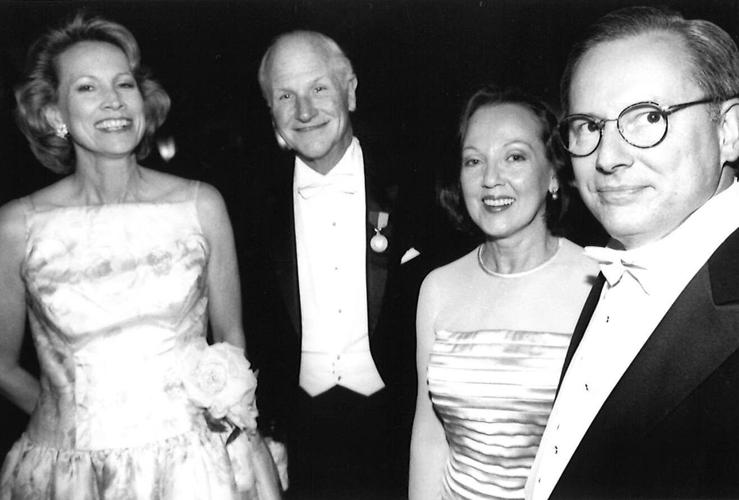
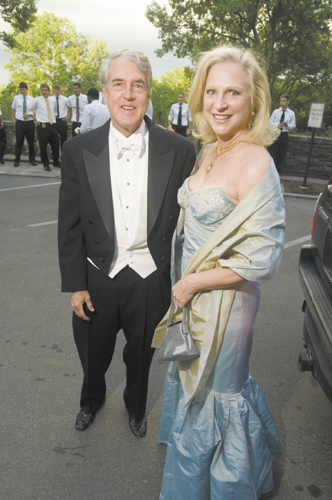
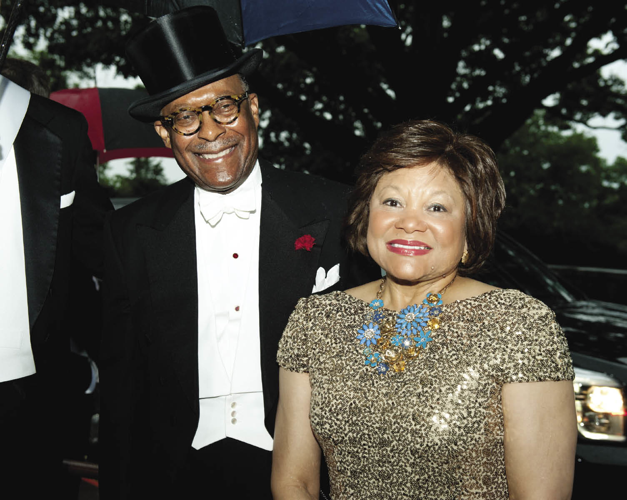
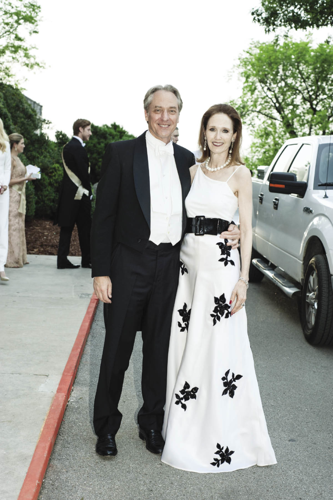
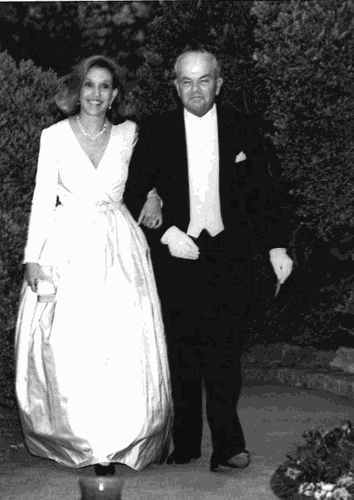
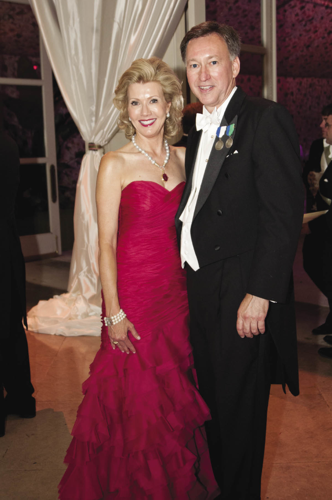
Has it changed over the past 61 years? Of course. But if you squint just right, you can still see the families of yesteryear: men in their best white-tie and tails; ladies resplendent in special gowns, each a princess for one night only.
As 1978 Dance Committee members headed into the 15th Ball, my first, I had little notion of what this might entail. The girls were tasked with selling chances — for dances and raffle tickets — to the gentlemen there, all complete strangers to me. I was intimidated and struck mute, paralyzed with fear. Fighting tears, I escaped toward the stairs that led to the second floor just as Jane Coble was descending. “Are you having a wonderful time?” she asked brightly. Well, I should be, I scolded myself. I turned back toward the crowd wearing the smile she gave me. I’m pretty sure I sold one chance. Maybe.
Much has changed since then, starting with the dollar. Ticket price for a couple attending the first Ball was $50. This year, it was many times that.
Changes that seemed revolutionary include air-conditioning the tent in 1988; many thanks to the gentlemen of the Penguin Society who contributed to that particular improvement. The segue to a computerized system from longtime Ball maven Lillian “Lil” Granbery’s card catalog was also a sea change from the file cards that Lil preserved, year after year. Florence Blair, beloved by all and the Ball’s only paid staff for years, kept the official records in the Swan Ball office. She and her affable husband Frank also managed the auction at the Ball, making this big job — full of details and egos — look like fun.
Improvements over the years include moving the Auction Party from gratis to paid admission, as well as moving the auction itself to an online portal so that those unable to attend but eager to bid are free to join the fun. A Late Party was added as a transition between “Dance Committee member” and “Ball attendee.” The Late Party is now its own event with its own co-chairs, auction and sometimes entertainment.
In the early days, the Ball had revolving themes: Monet’s garden, an Imperial Russian celebration, an evening in Spain with toreadors, midnight in Paris, and the Jade Ball — featuring a pagoda in the center of the tent. Roberta Lochte was the Ball designer over the years, ably assisted by Chris Tibbott. The pair also designed sets for Nashville Children’s Theatre for many years. Upon Roberta’s retirement, hiring outside designers began in earnest, a shift that perhaps reduced the number of volunteer hands but added a sophistication that suited the approaching 21st century. Those production volunteers possessed an enviable and enduring esprit de corps, although the task of set construction now largely falls to the professionals.
Every year, the evening’s design takes my breath away, each more beautiful than the last. The tables themselves are often works of art, as in this description from the 2004 Ball: “Coral and celadon overlays were embroidered whimsically with a bumblebee here and a dragonfly there. Ruffled-edge celadon chargers were accessorized with gold-rimmed China and heavy, knobbed flatware, crooked as a branch grows. Each centerpiece had a personality, featuring a rainbow of fresh flowers.”
The flowers are always lovely and creative, befitting a botanical garden and art museum. One year, oversized papier-mâché tulips and lilies evoked Alice’s Wonderland. Another year brought boxwoods into the tent, mimicking an English garden maze. Black, white and red were the colors when the Swan Award was presented to Red Groomes; dense balls of red carnations made a sophisticated statement against striking pop art on black walls.
And entertainment? Always a bit of a nail-biter for the co-chairs, but no one else is the wiser if contract issues or last-minute cancellations arise. And for Swan Ball chairs, “last minute” for a June extravaganza could mean keenly disappointing news in February. That’s where the well-connected Lee Maxcy of EastCoast Entertainment saved the day; he’ll be sorely missed in years to come.
For the first 32 years of the Swan Ball, big-name entertainment alternated years with an haute couture fashion show. Vera Wang’s knock-‘em-dead presentation in 1995 was the last of the fashion shows. In 2007, a double dose of entertainment began with comedic tour de force Jay Leno, followed by a full set from Earth, Wind & Fire. Tony Bennett singing in the round to a packed house was indelibly memorable.
Entertainment reflects a particular moment in time, from Lester Lanin in 1963 to this year’s Idina Menzel. In between, performers ranged from Martina McBride, Aretha Franklin, and Frankie Valli to Diana Ross, The Pointer Sisters, and Kool & The Gang, each causing the crowd to surge forward to dance and sing along to every word.
Major names who’ve attended the Ball include Mrs. Bing Crosby at the very first, followed by Bill Blass, Barbara Mandrell, Martha Stewart, Bunny Williams, Mario “Prince of Chintz” Buatta and countless politicians. Each filled the room with color and outsize personality.
The list of those we miss on the Swan Lawn could fill this magazine, starting with founder Jane Dudley and her husband Guilford, former ambassador to Denmark. Among the dozens who contributed their quirky charm over the years are Teenie Buchtel, Nfocus’s founding editor Herbert Fox and his friend — songwriter, tax protester and Renaissance man — Tupper Saussy, and numerous inveterate volunteers.
Dancers-for-life Becky and O’Neal Clayton began to share the Swan Ball dance floor with the ageless Amy and Owen Joyner in the late ‘70s. The Joyners remain a good reason to arrive promptly: the couple is perennially drawn to dance during the cocktail hour.
You can see why families fall in love with the tradition. Several generations can gather for one extraordinary night. Swan Ball is a throwback to other times — young men in white tie opening car doors, offering a hand to emerging ladies — but the notion is lovely. Like the fleeting beauty of a floral arrangement, it’s there only for a moment, then gone.
Before Nashville became an “It City,” entering the loggia and the tent-covered Swan Lawn felt like walking into a friend’s living room where all your favorite people had gathered. That feeling remains, though the guest list has evolved — as it should — to accommodate the glamorous new people who are helping build our city in fresh, imaginative ways. Fascinating people add a piquancy to the cocktail crowd.
But if you take a peek into the spacious dining room and dance floor before the party gets under way, you can see ghosts of past Swan Balls: couples gliding to the dance floor to foxtrot to Pat Patrick’s Orchestra, smiling into each other’s eyes.


Commented
Sorry, there are no recent results for popular commented articles.