
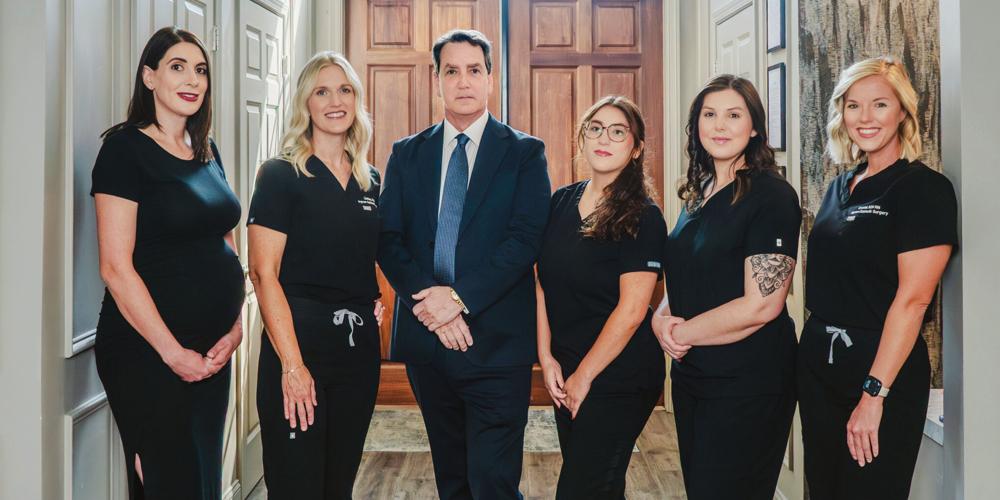

For Dr. Alton Ingram, a consultation is a chance for connection and education.
That belief shapes the philosophy at Ingram Cosmetic Surgery, where patients receive access to their surgeon and candid advice about what surgery can — and sometimes can’t — accomplish.
Every patient receives Ingram’s cell phone number and is encouraged to use it. After nearly 30 years in practice and more than 20,000 surgeries, Ingram sees his role as giving patients the information they need to make their own decisions, even when his recommendation is to do less — or nothing at all.
“The question I ask is never, ‘What could we do?’” Ingram says. “It’s ‘What does this patient actually want, and what’s the least invasive way to achieve it safely?’”
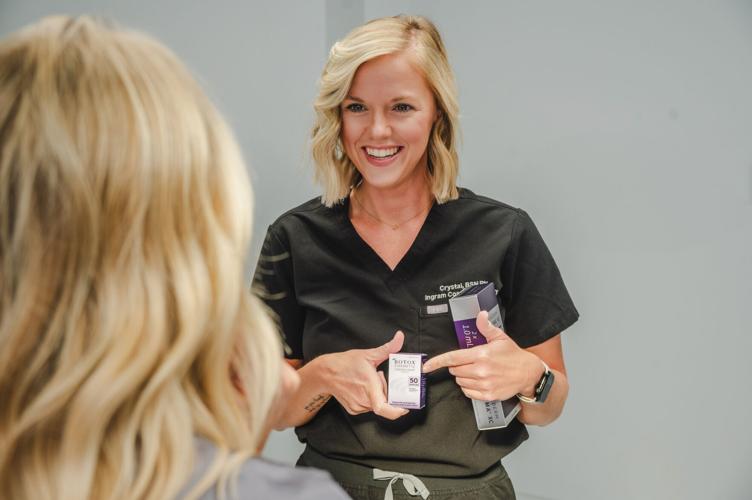
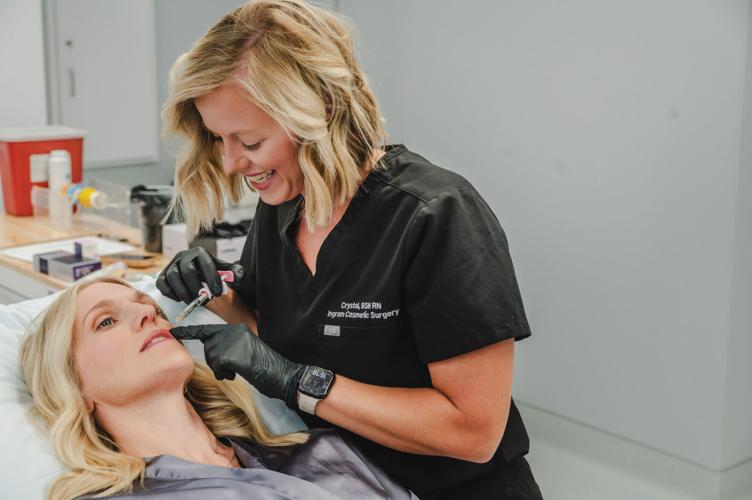
His practice focuses exclusively on surgery, rather than offering injectables or skin treatments. If a smaller operation can accomplish a patient’s goals, he recommends it. If expectations and anatomy don’t align with a result he believes he can safely deliver, he says so.
That emphasis on restraint is informed by Ingram’s work as patient safety editor of The American Journal of Cosmetic Surgery. He believes surgeons are defined as much by the procedures they decline as those they perform.

When considering new technology, Ingram begins with peer-reviewed research rather than marketing. He looks for independent studies, complication rates and long-term outcomes.
“I’d rather be a year late to a good technology than a year early to a bad one,” he says.
The practice tracks revision and complication rates along with patient-reported satisfaction. Ingram and his team also participate in research, including a recent study examining techniques intended to reduce bacterial contamination in breast augmentation. The data has reinforced his belief in consistency and a focused range of procedures.
Among those procedures, breast surgery and abdominoplasty have led to some of his most lasting relationships with patients. Ingram describes tummy tucks as particularly transformative for mothers who have exercised, changed their diets and still can’t correct physical changes caused by pregnancy.
Separated abdominal muscles and permanently stretched skin, he notes, are anatomical issues rather than failures of discipline. For some women, understanding that distinction can be as meaningful as the physical result.
Ingram also sees an encouraging change in the patients entering his office: They’re asking more sophisticated questions.

Access to medical information, social media and artificial intelligence tools has made it easier for prospective patients to research techniques, credentials and potential complications. They’re also increasingly interested in natural, proportional results and how those results will look years from now.
Ingram welcomes the scrutiny.
He believes the aesthetics industry falters when it blurs the boundary between medicine and retail, turning a patient into a customer to be persuaded rather than a person making a medical decision.
For Ingram, transparency is the corrective: Who is performing the surgery? What is that physician’s training? How often has the surgeon performed the procedure? Where will the operation take place?
Aesthetics may be elective, but surgery carries real stakes. Ingram believes patients should have both the information and the freedom to decide what’s right for them — including the freedom to decide that less is enough.


Commented
Sorry, there are no recent results for popular commented articles.