
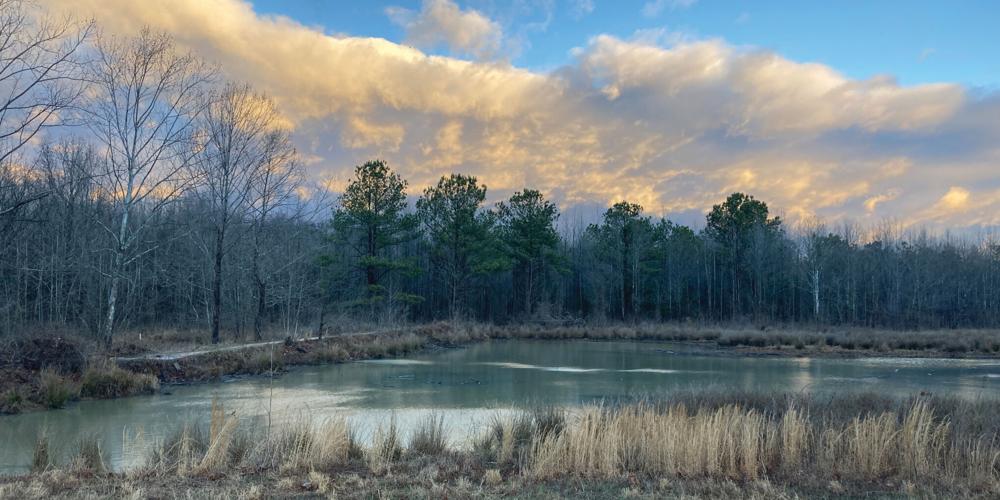
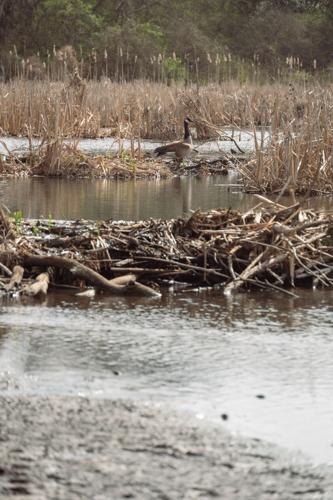
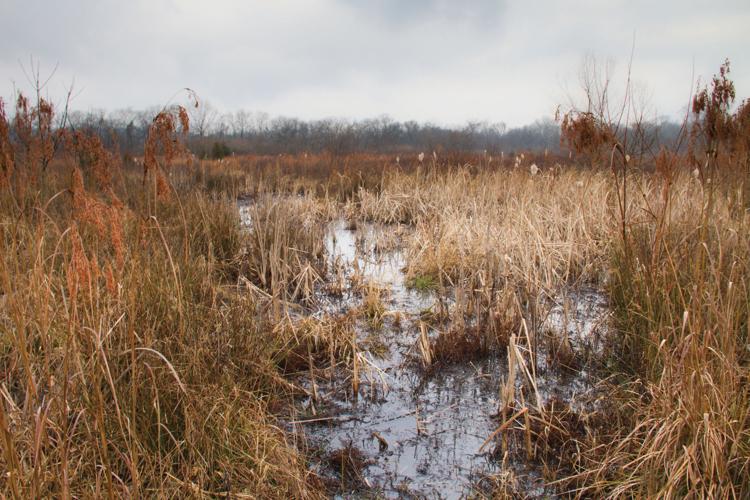
Running along bustling highways and tucked into forested mountains, Tennessee’s wetlands are prolific — and crucial for our ecosystem. The state boasts 1.8 million acres of wetlands, which act as filtration systems for waterways and provide natural habitats for everything from invertebrates to songbirds to mammals. Quietly working away, these wetlands are vital for conserving greenspaces and preventing land erosion.
What is a Wetland?
Wetlands are large or small areas of land that are covered with water or have water just below the surface. The plants that grow in these areas — known as hydrophytes — have adapted over time to thrive in wet, low-oxygen conditions.
Wetlands are also habitats, teeming with fauna that serve as food, cycle nutrients and keep the ecosystem healthy. Wetlands — and their continued existence — are crucially important to the well-being of greenspaces, protecting against destructive flooding, filtering pollution and replenishing the groundwater supply.

Types of Wetlands
Tennessee is home to a full — and varied — spectrum of wetlands. Most run along rivers and streams, feeding from or draining into larger bodies of water. But you’ll also find isolated wetlands — unique ecosystems that aren’t directly connected to other waterways.
Bottomland Hardwood Forests
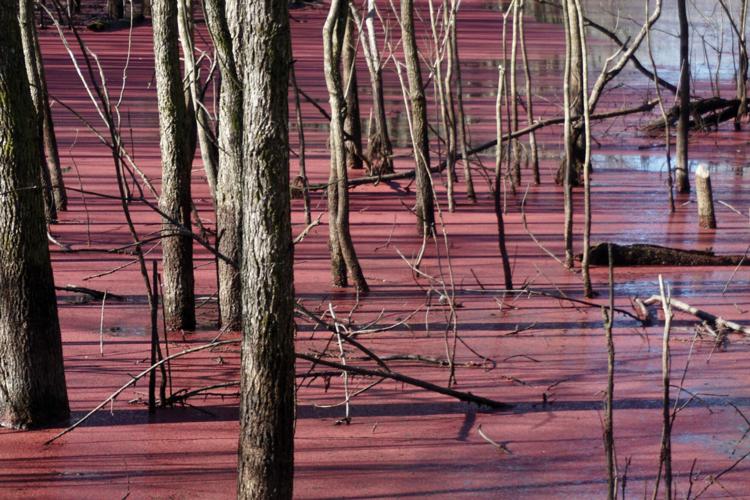
Found primarily in floodplains along rivers and large streams, bottomland hardwood forests are seasonally flooded forests dominated by hardwood trees, like oaks, hickories and sweetgums. These rich habitats support a diverse range of wildlife, from amphibians to migratory birds, and are particularly valuable for maintaining biodiversity in river systems.
Scrub-Shrub Wetlands
These wetlands are dominated by woody vegetation less than 20 feet tall, such as alders, willows and buttonbushes. Often found at the edges of lakes, streams and ponds, scrub-shrub wetlands serve as important transition zones between aquatic and forested environments. They provide nesting grounds for songbirds and offer refuge for reptiles and amphibians.
Wet Meadows
Characterized by grasses, sedges and wildflowers, wet meadows remain saturated for much of the growing season, but they’re rarely flooded for long periods. These open, sunny wetlands are especially important for pollinators and ground-nesting birds. They often occur in low-lying areas, along stream banks or in abandoned agricultural fields undergoing natural regeneration.
Mountain Bogs
Among the rarest wetland types in the Southeast, mountain bogs occur in high-elevation areas with poor drainage and acidic soils. These peat-rich wetlands support a unique mix of plant life — such as sphagnum moss, ferns and carnivorous plants — and are critical habitats for several endangered species. Many are threatened by development, invasive species and climate change.
Ephemeral Vernal Pools
These seasonal wetlands form in shallow depressions, filling with rain and snowmelt during winter and spring and drying up by summer. Though temporary, vernal pools are vital breeding grounds for amphibians, like salamanders and frogs, which rely on the absence of fish to protect their eggs and tadpoles. These wetlands also support a wide array of invertebrates and cycle nutrients for surrounding forests.

Wetlands in the Neighborhood
Even within Nashville’s borders, wetlands abound — often quietly nestled in parks, on school campuses or along greenways. These local ecosystems not only support native wildlife, but they also offer Nashvillians an opportunity to engage with nature, right in their own backyards.
Shelby Bottoms
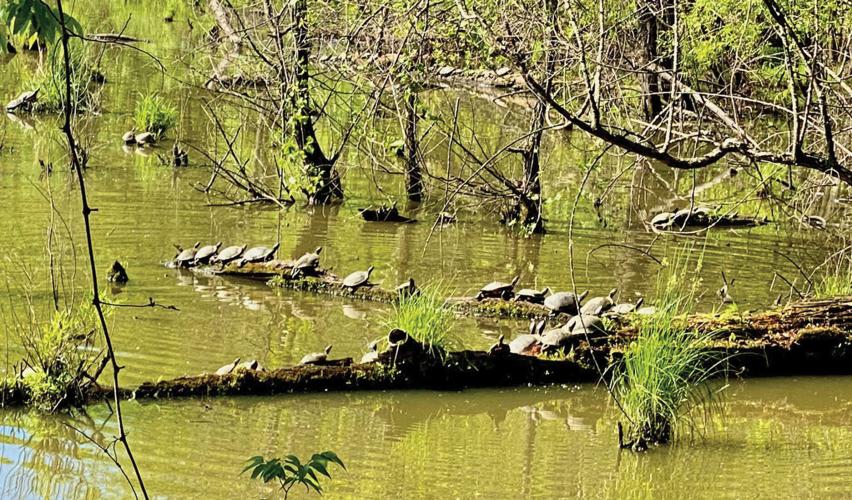
Located along the Cumberland River in East Nashville, the wetlands at Shelby Bottoms Nature Center and Greenway offer a striking example of how urban conservation can thrive. This bottomland habitat features seasonal wetlands, wooded swamps and wet meadows — all of which support a rich mix of flora and fauna. Visitors might spot great blue herons wading in shallow waters, turtles sunning on logs, or red-winged blackbirds calling from cattails. The wetlands here also serve as a natural buffer during heavy rains, soaking up floodwater and purifying runoff before it reaches the river.

Tennessee State University
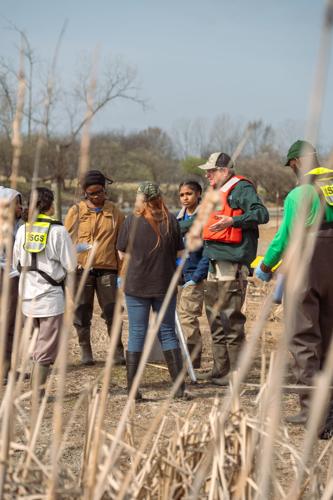
Tucked between Tennessee State University’s agricultural fields and the nearby floodplain lies the lesser-known — but ecologically significant — Tiger Bay Wetlands. This low-lying area often fills during rains and supports a mix of scrub-shrub and wet meadow habitats. Used for hands-on environmental science research by TSU students, the site is a working example of how urban campuses can integrate greenspace into their infrastructure. The wetland not only provides a critical habitat for amphibians and pollinators, but it also serves as a living classroom for future conservationists. In April, our sister publication, Nashville Scene, profiled TSU students studying and working to restore the Tiger Bay Wetlands.
University School of Nashville
In a quiet corner of the University School of Nashville’s River Campus campus lies a pocket-sized wetland project that proves ecological education doesn’t require a massive footprint. Originally developed for a student-led sustainability initiative, the wetland captures stormwater from the surrounding neighborhood and filters it through native wetland plants, like sedges and rushes. It’s a model of how small-scale interventions can make a measurable impact on water quality and urban biodiversity. Students monitor everything from water levels to insect populations, making this a thriving mini-laboratory for urban ecology.



Commented
Sorry, there are no recent results for popular commented articles.