
Gardens are never static. Seasons reshape them, storms — like Winter Storm Fern — alter them, and time allows them to grow into something far more personal than a collection of plants. They become living reflections of the people who tend them — places where memories take root and nature is allowed to flourish.
This summer, we visited three remarkable Middle Tennessee gardens. Each reflects the vision, passion and personality of its caretakers while offering lessons in beauty, stewardship and the enduring connection between people and the natural world.

Lisa Manning
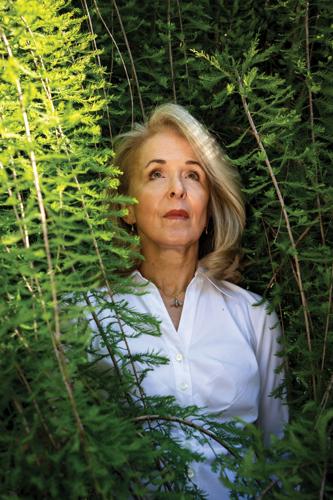
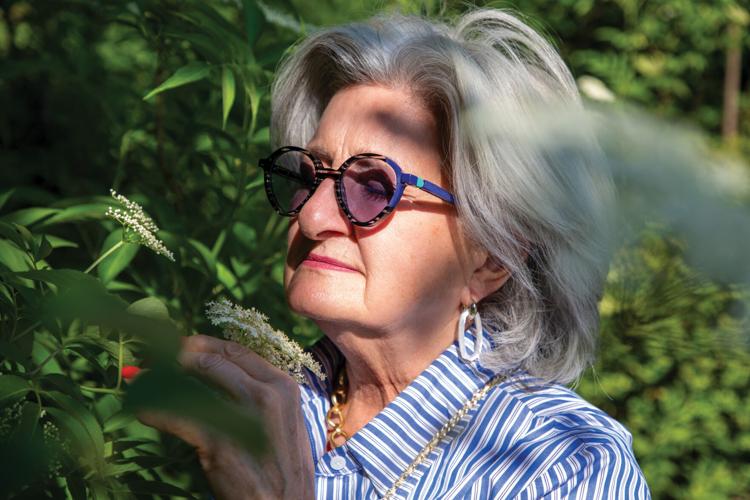
Lisa Manning, a horticultural judge for the Garden Club of America who also teaches at The Cheekwood Gardening School, spends countless hours working and admiring the home garden she’s cultivated for 28 years.
Lisa shares her West Nashville home and garden with her husband, David, and a pair of Norwich terriers, 13-year-old Sully and 8-year-old Jake, who regularly sniff out any chipmunks or rabbits digging under the diverse, multicolored layers of foliage.
Handprints from their now-grown children are immortalized in concrete pavers. The lone severed remnant of a large pine tree stands near the front of the garden, a reminder of Winter Storm Fern, bringing new light to other trees and flowers that continue to grow into the summer months. “That’s one of the beautiful things about gardening,” Lisa says. “It’s always changing.”

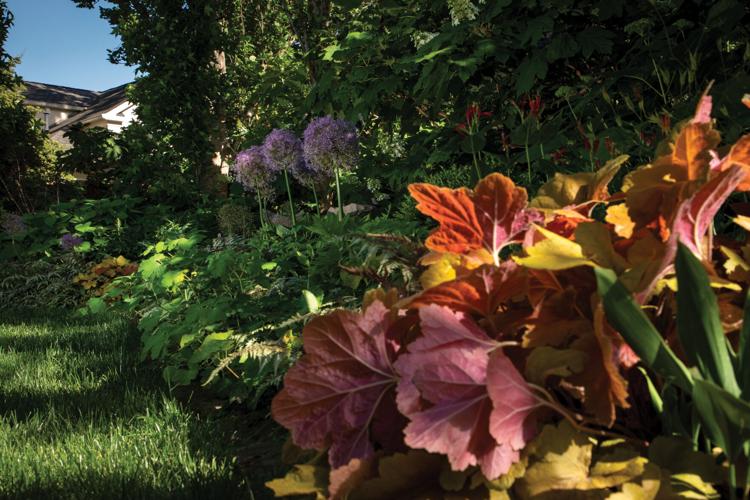
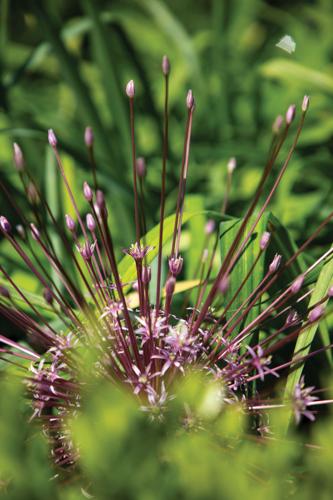
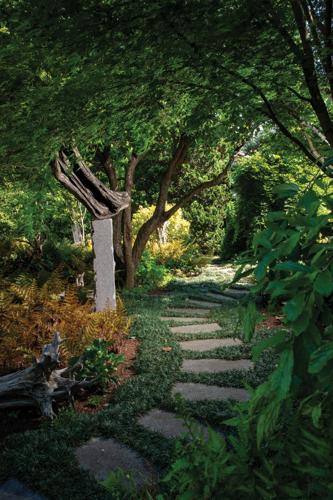
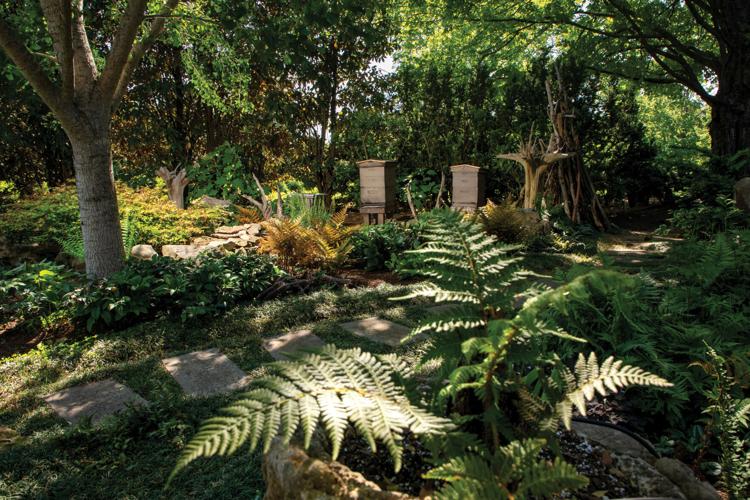
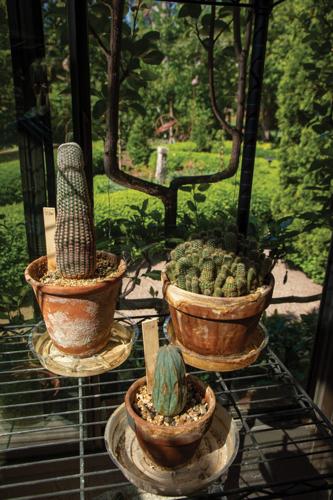
At the center of the garden is a Japanese maple standing tall beside a pool. The garden also includes dozens of varieties of ferns and epimediums, wild orchids, bald cypresses, lettuces, cacti, an Ethiopian mock orange tree, several beehives and much more.
“I use all organic material and I don’t use chemicals,” Lisa says, adding that she also favors native plants. “For me, it’s more about the textures and the colors and then the shapes, you know, how they complement one another.”

Over time, her approach to gardening has changed. “I’m letting things be more themselves now, because plants remind me of who they came from,” she says. “A lot of the people that gave me my initial plants … have passed. So I’ve been more relaxed about them using different spaces and crowding some spaces than I used to be.”
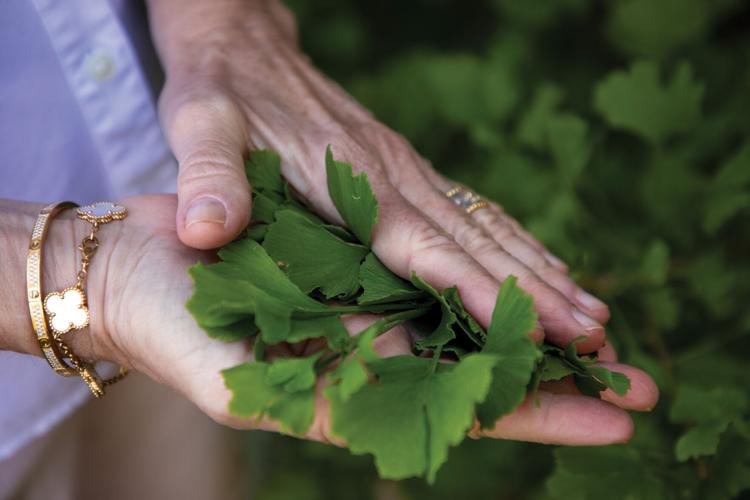
While walking through the garden, Lisa reaches out to some plants, stroking their leaves as if holding hands with them in a moment of physical connection — a partnership of annual and perennial life. “I didn’t used to talk to trees,” she says. “I’m not saying I do that all day, every day, or anything like that. But especially when I plant new trees, I always tell them they’re going to be OK, they’re in my garden, and I’m going to take care of the best I can.”

Lisa’s passion for gardening stems from her grandfather. “His gardens were works of art,” she says. “They were so beautiful — how he laid his vegetable gardens out.” She recalls eating freshly grown pomegranate with him, and him introducing her to Lenten roses. “I remember as a little child thinking that was a really interesting plant,” she says. “And now I want lots of them, because they remind me of him.”
Several plaques adorn stone benches and walls, one bearing a George Washington Carver quote that speaks loudly among the plants: “I love to think of nature as unlimited broadcasting stations, through which God speaks to us every day, every hour and every moment of our lives, if we only listen.”

Steve Sirls and Allen DeCuyper
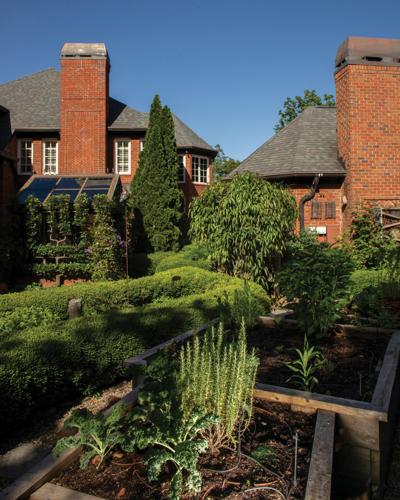
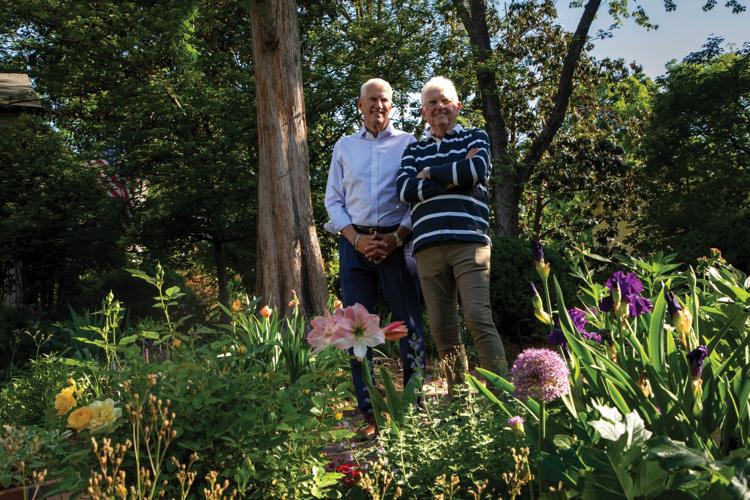
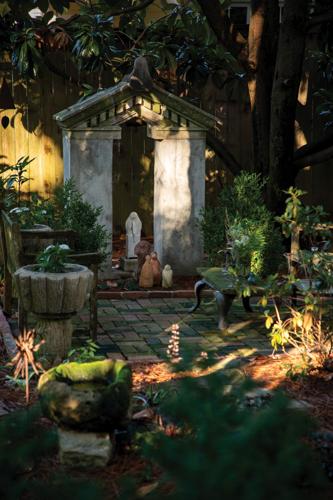
One of Nashville’s oldest brick homes, the Craighead House, sits on a 1-acre plot that includes a six-room English-style garden. Steve Sirls and Allen DeCuyper moved into the two-over-two Federal-style house in 1998 when they started the garden that has since evolved into its current form.
“We both enjoy the garden,” Steve says, walking along its winding brick path, days after returning from an inaugural and inspiring trip to Japan that gave him new landscaping ideas. “I’m the one that’s the gardener,” he explains. “I’m the one that has it in my head all the time. He works harder than I do at other things, but you know, so be it.”
Visitors may find 14-year-old Whippet Harper Lee, her 10-year-old pup Leo and new addition 9-month-old Lady Mary traversing the garden’s serpentine paths.

Just outside the garden sits a memorial sidewalk bench honoring the couple’s late friend and neighbor Jamie Cox, with the inscription: “She loved a party. She loved life. We loved her.” Passersby can view portions of the garden from the sidewalk, where smells of flowers overtake the West Nashville air and command one’s attention to the slice of nature tucked away within the city. “Our gate’s always open,” Steve says. “I really enjoy people that want to walk through.”
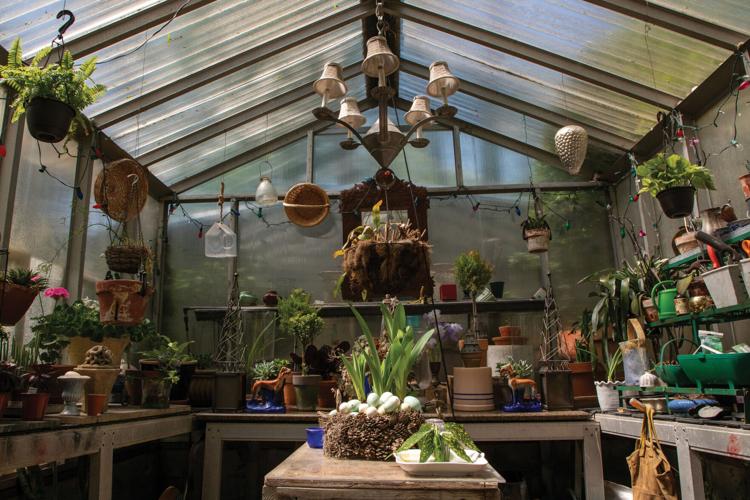
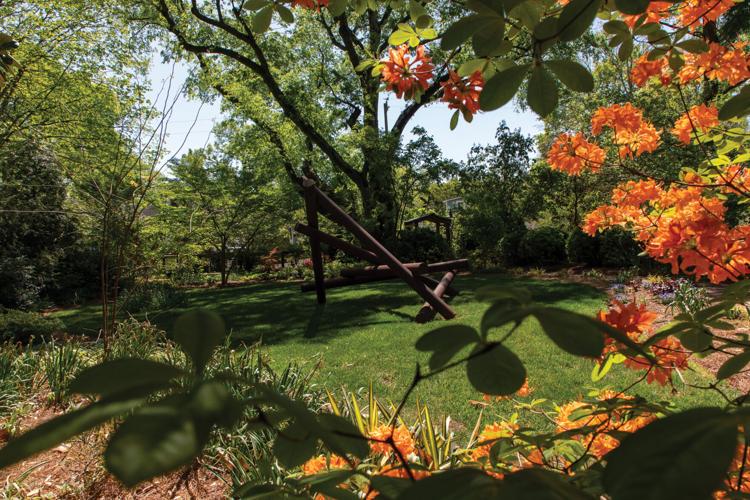
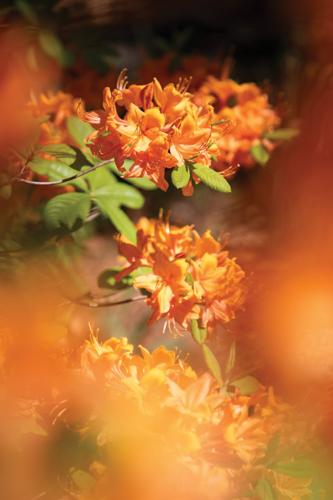
Inside, a large sculpture, “Merging Steel,” by Nashville artist Steve Benneyworth, sits in front of the home’s front porch, near brilliantly blooming orange native azaleas. The back of the property features a greenhouse and a vegetable garden, with edible plants protected from rabbits and other critters by glass and wire cloches. A fountain sits as the centerpiece of another area. “I don’t really have a favorite part,” Steve says. “I have to sort of cherish the whole thing.”

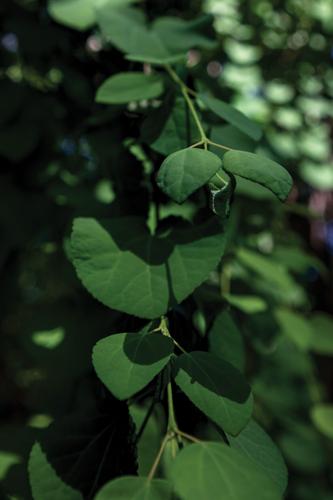
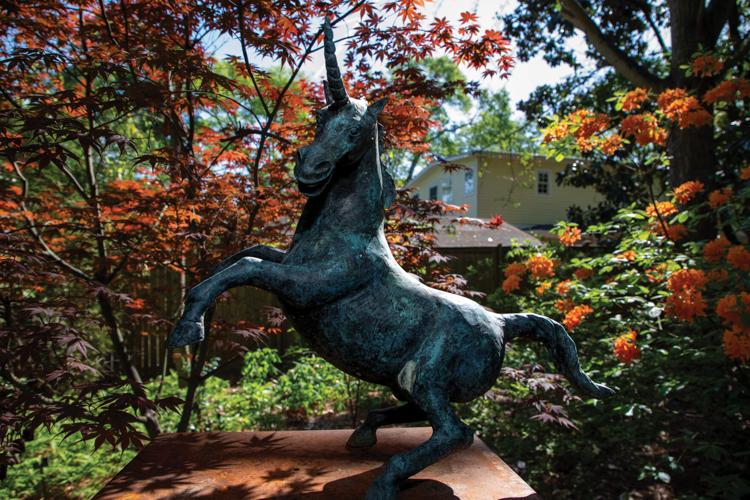
The garden, which was added to the Smithsonian’s Archives of American Gardens in 2014, includes a Sharp’s pygmy Japanese maple, weeping Katsura trees, needle palms, persimmons, Lenten roses and much more. The newest space features several pieces by Clarksville sculptor Olen Bryant, while feet away stands a 1972 sculpture of a unicorn named “Rufus” by Nashville pediatrician and artist Bill Doak, passed down from Steve’s uncle.
Steve’s love of gardening is rooted in his grandparents, and he spent years as a landscape designer, helping others with their own outdoor spaces. While he still works on other gardens — “only if I like them,” he jokes — his focus is now at home.

“I like to work as [I] figure out light and sun and what’s going to grow where,” he says. “That’s what it’s all about — working with nature and understanding the things that work for you. …You have to pay attention to your site, and that’s what many people don’t understand.”
Steve’s garden keeps his mind — and his hands — occupied. “As a gardener, you think about every plant,” he says. “Every time you walk by, you think, ‘Well, I’ll have to do something to that, I’m going to move that tomorrow.’” On that note, he adds that a wheelbarrow is a “gardener’s best friend.”

Deby Pitts
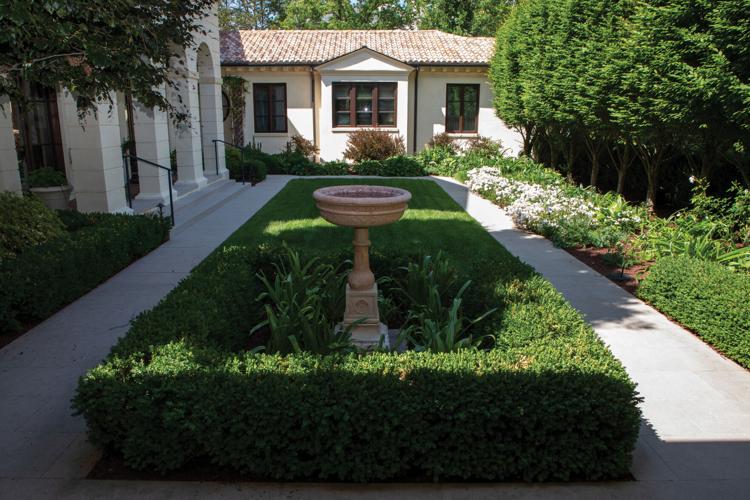
Like the landscape encircling a classical Italian villa, the gardens surrounding Deby Pitts’ house become more intricate as they approach the architecture, until leafy walls of a tree-lined driveway plaza open to an intimate courtyard, ringed with flowering plants, like so many baubles in a jewel box.
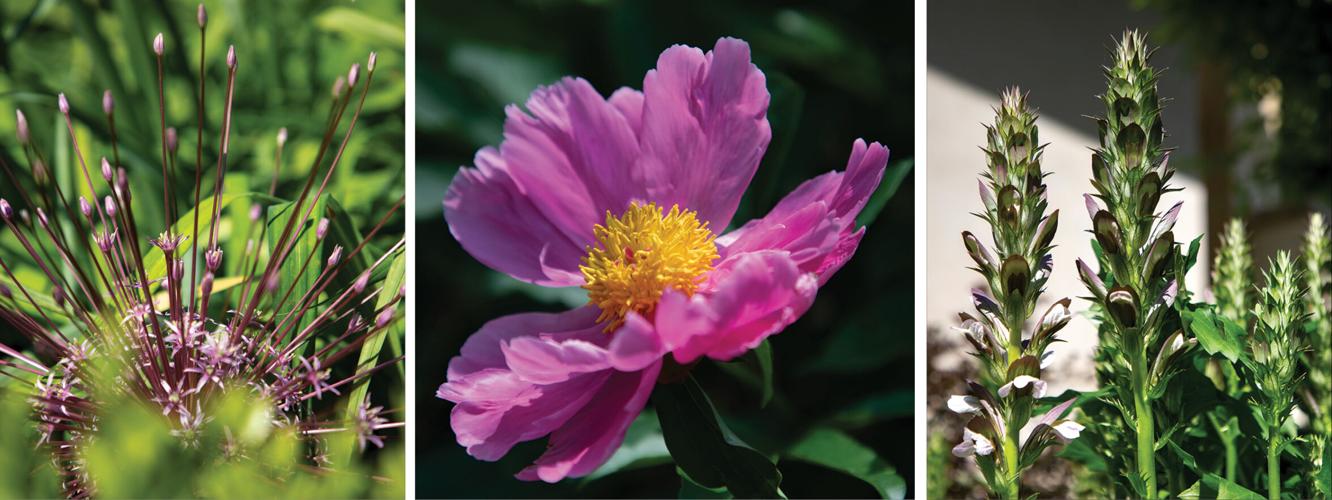
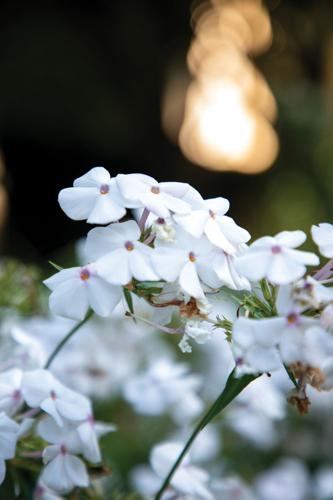
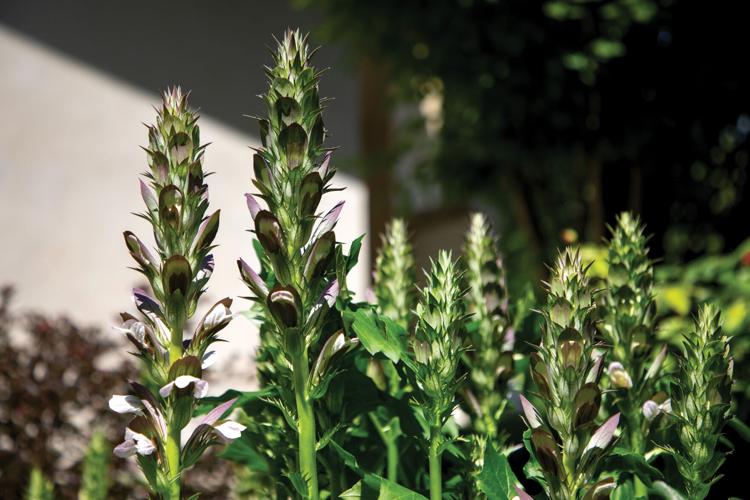
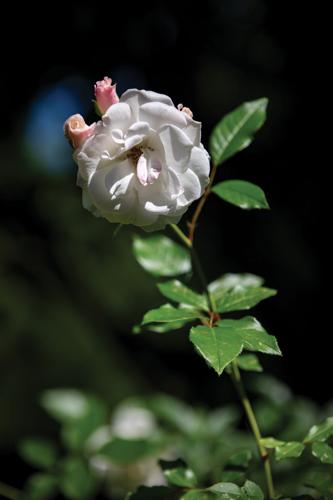
Bordered by phlox, roses, columbine and three cultivars of acanthus worthy of Corinthian column capitals, the formal front courtyard is the first of many outdoor rooms that flank the modern-day villa Deby and husband Keith built in 2008.
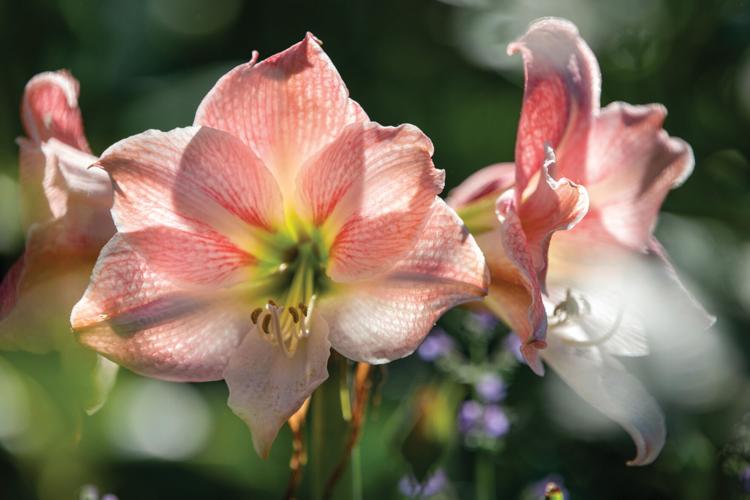
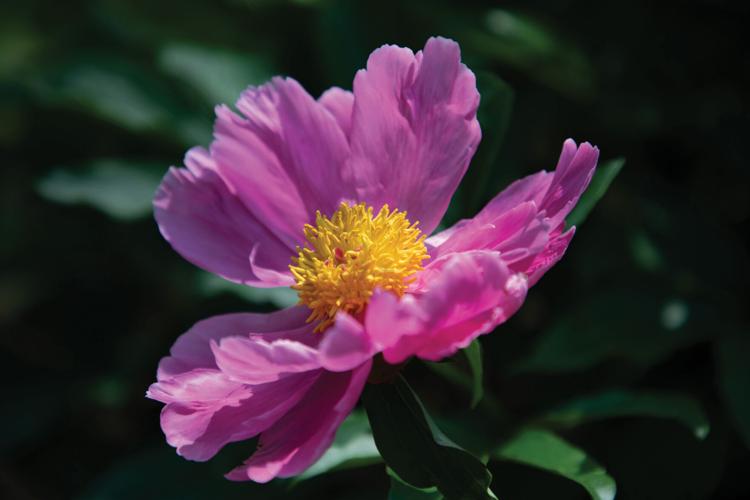
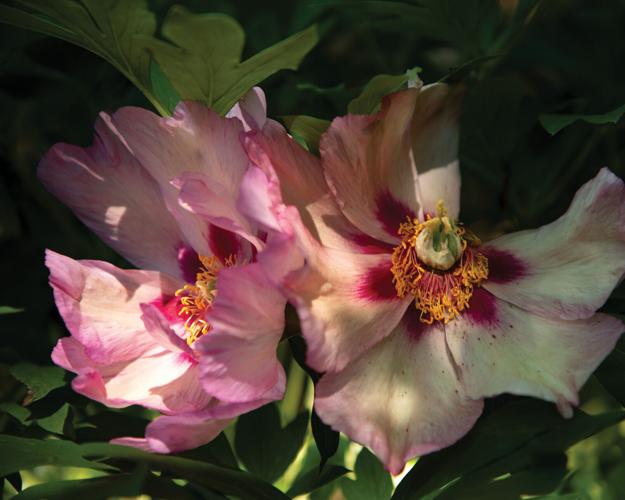
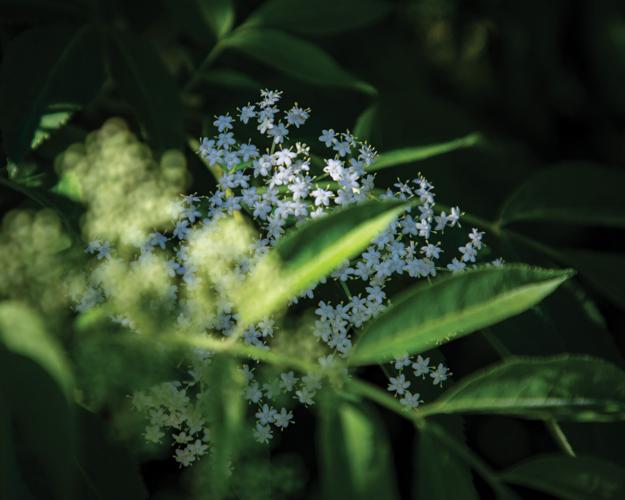
In this intimate oasis, under graceful arches and shadows of arborvitae and beech, Deby monitors the seasonal show with a cup of coffee and a biologist’s eye, celebrating the bloom of peonies, azaleas, hydrangeas, lilies and a prized trillium, under whose broad leaves dwell magical fairies — at least that’s what Deby tells her grandchildren. When a rose of Sharon volunteers unexpectedly among the pulmonaria and crinum lilies, she welcomes its plucky “garden warfare” and lets it thrive.

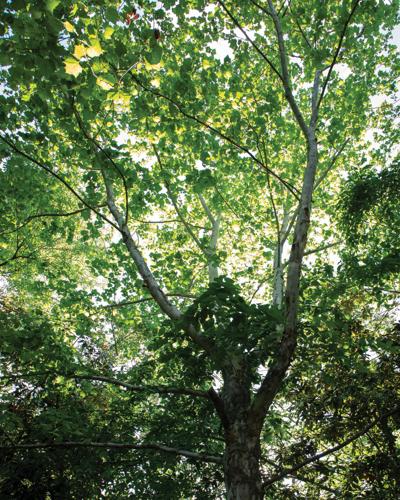
Deby, who earned a degree in biology before business school, knows her plants and trees by name. That’s not just to say that she knows a curly willow or a regal oak from a pawpaw or a hornbeam, or that she can rattle off Latin labels of native perennials. Deby actually names her favorite specimens, including Slim Pickins the sycamore, Free Willy the dawn redwood, and Horton the weeping bald cypress.
That affection for trees in her own yard has led Deby, who is outgoing president of Horticultural Society of Middle Tennessee, to champion Branching Out, HSMT’s urban tree-planting campaign that extends Root Nashville’s citywide goal — 500,000 trees by 2050 — to surrounding counties.

Over 16 years, the Pitts’ landscape, which was originally mapped by Mike Kaiser of Kaiser Trabue, has matured into a series of lush and peaceful microclimates, with pockets of wooded wildness balancing front-facing formality. At a low rear corner of the 2-acre lot, a deeply shaded rain garden helps filter stormwater runoff. (Fireflies blaze here in summer.) Nearby, an arch of espaliered pear trees shades a cozy bench, a gift from Deby to Keith for Father’s Day.
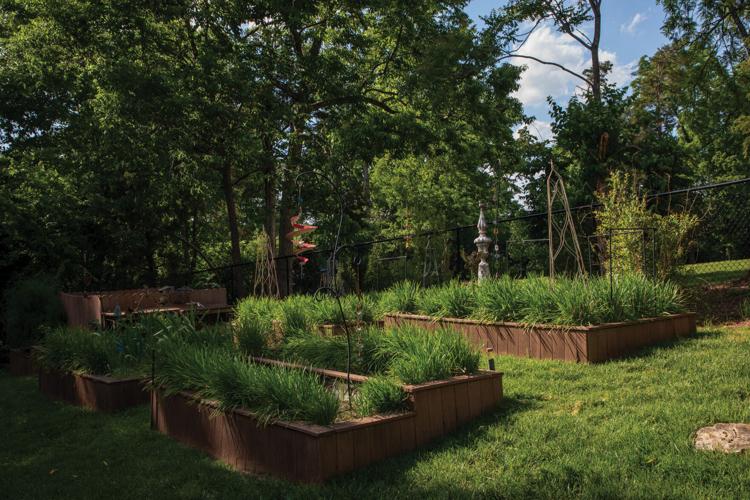
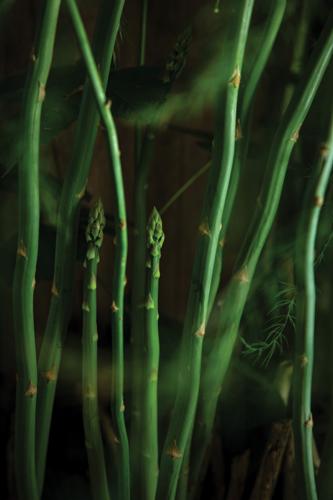
Between the pool and the outdoor kitchen pavilion, fig trees and mint grow together in stone beds that confine their spread. At the highest border of the property, sun shines on a series of raised beds, where asparagus and raspberries grow beside a compost pile. Outside the kitchen door, beds and pots abound with chives, rosemary, oregano, lemon balm and sorrel.
A patch of tropical ginger has wandered off course from the kitchen garden. An unlikely survivor of Winter Storm Fern, the ginger has found shelter from wind and warmth from a garage wall that radiates heat. Deby respects the ginger’s garden warfare and lets it thrive. “I won’t fight with my plants,” she says. “They have to fight with each other.”


Commented
Sorry, there are no recent results for popular commented articles.