



Nonprofit leaders across Nashville are navigating a fundraising landscape that feels markedly different than it did even a few years ago. Government funding cuts have threatened cornerstone cultural institutions like Humanities Tennessee and the Southern Festival of Books. Most recently, Centerstone learned that 28 of its federal grants were cut, effective immediately — only for the administration to reverse course 24 hours later, restoring approximately $14.3 million in funding.
There are other stressors, too: rising operational costs, generational shifts among donors, and unexpected crises, like the fire in the Nashville Public Library downtown branch parking garage. These challenges can redirect donor attention away from long-term planning, and they threaten to damage the delicate nonprofit ecosystem.
Yet many nonprofits have found ways to shift strategies — and emerged successful. Per the Fundraising Effectiveness Project, 57% of donations in the first quarter of 2025 came from patrons giving $1 to $100, challenging the common assumption that major gifts drive fundraising. From sunsetting big galas to embracing new donors for major capital campaigns, local organizations are creatively mobilizing their donor bases and engaging in a new era of giving.

A New Beginning
Three years ago, the Centennial Park Conservancy saw an opportunity to deepen relationships with donors and direct more funds back to the organization. It opted to sunset the Conservancy Gala and create the Centennial Circle, a small group of devoted Centennial Park supporters, whom it would celebrate with an intimate annual dinner.
This model was not only donor-facing, but it also put the organization on more sound financial footing — cutting costs, diversifying revenue and allowing more funds to flow into the operation.
Saying goodbye to a signature fundraiser is undoubtedly a bold decision. But pressure has been mounting on events like the Conservancy Gala. Costs to hold these gatherings have risen, and many organizations rely heavily on the money they generate.
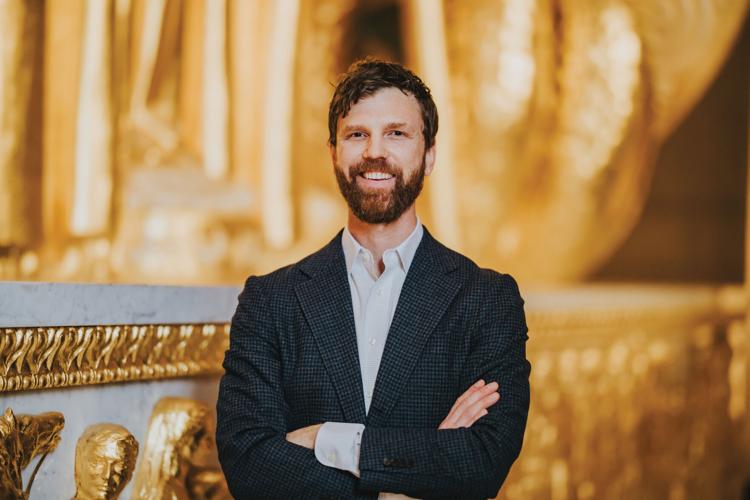
By splitting revenue streams, organizations ensure there’s no single point of failure for funding critical operations. “No one revenue line makes up more than 30% of our revenue,” says Justin Tam, vice president of development and partnerships. The Centennial Park Conservancy instead raises money through a more even split of corporate sponsorships, merchandise, events and memberships.
The nonprofit has also invested in interactive programming — including Kidsville activities and the Musicians Corner concert series — as a way to bring the community together. “Everything is increasingly digital,” Justin says, underscoring the importance of building in-person relationships with donors and supporters.
He concedes, however, “The model may not work for everyone. To get the trust of a donor takes a long time.”

Follow a Vision
Even in the best of times, engaging the community in a capital campaign is a big ask. For institutions like the Tennessee Performing Arts Center (TPAC), the changing fundraising landscape isn’t just about adjusting annual strategies — it’s about meeting a singular, transformational goal.
In May 2023, TPAC launched a capital campaign to build a new performing arts center, rather than undergo costly renovations to modernize its existing outdated facility. What followed has been an outpouring of support from individual and corporate donors alike.
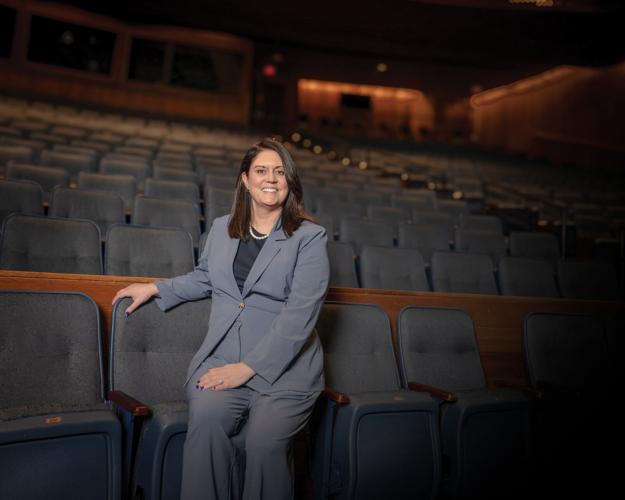
“I have been surprised, in a positive way, by the amount of early support for [the] vision,” says Sara Pomeroy, vice president of the capital campaign. “With capital campaigns, you have to be able to follow a vision for something that doesn’t exist yet — something that isn’t there yet — and believe the people who are the stewards of your dollars.”
This initiative harkens back to TPAC’s beginnings 45 years ago, when Martha Ingram and a group of volunteers had a vision to bring the arts to Nashville. The passionate group campaigned statewide, drawing from every corner of Tennessee to raise funds to build TPAC’s current facility.
And the organization’s donor base still reflects that statewide effort. “We do have ticket holders who come from 100% of the counties in the state of Tennessee,” Sara notes. “We have donors that are contributing from 92% of those counties.”
Sara realizes the decision to give is a very personal one. “Everyone’s motivated by their own experiences,” she says. “They want to be able to see the impact in the future.”
She’s especially proud of TPAC’s youth outreach programs, and she feels delighted each time she sees the wonder on a child’s face when they step into the theater. “I just say to myself on the inside, ‘Just you wait, kid,’” she says. “We’re going to have a new home for the arts, and it’s going to be even bigger and better and more beautiful.”

The Big Picture
Across Nashville’s nonprofit community, these shifts are felt at every level — from annual fundraising to long-term sustainability planning. At the Center for Nonprofit Excellence, executive director Meagan Flippin works closely with organizations navigating this complexity every day.
While government funding has been cut for many organizations — and remains uncertain for others — many communities are coming together to offset the loss. “Individual and corporate giving has increased, even as grant funding remains unstable due to government cuts,” Meagan says.
Staffing shortages continue to be a challenge, with senior development roles seeing particularly high turnover. “There is a high burnout rate among fundraising staff due to increased costs, rising demand for services, and limited funding, creating a ‘more with less’ environment,” Meagan explains.
Leadership changes don’t just impact productivity. They can also pause or delay funding, as donors seek clarity about the organization’s future.
And as one generation gives way to another, many nonprofits are adjusting their messaging to resonate with different audiences. Legacy giving has long been a focus for older donors, but individuals in their 40s are increasingly concerned about family and legacy too.
Younger generations are also engaged, with an emphasis on cause-specific and individual-focused giving, driven by their desire for transparency and immediate impact.
Navigating this new environment requires passion and creativity, but the future is bright. “We are a very giving city,” Justin says. “Nashville has such a big heart, and we continue to be able to accomplish amazing things. … [It] gives me a lot of hope that we are going to be able to sustain organizations that truly serve the community.”



Commented
Sorry, there are no recent results for popular commented articles.