


On a steamy summer morning, as mist rises from dewy fields and forests around the sprawling Iroquois Steeplechase grounds, an athletic ecosystem comes to life in Warner Parks. If you listen, you might hear a limber group of early risers unfurling yoga mats at a trailhead, or the gentle tromp of hikers pacing through a waking thicket, or the ticking of bicycles descending a paved road bordering the open field known as the Bread Tray.
But as still as you stand and as hard as you listen in this sanctuary of wildness, there are sounds you likely won’t hear: the songs of birds whose numbers have faded with their dwindling habitats, as native grasslands have become an endangered ecosystem in North America.

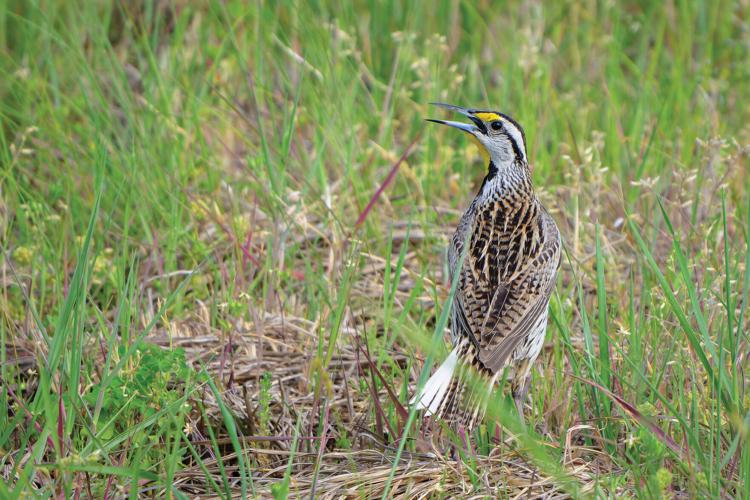
Take the eastern meadowlark, for example. Once regularly observed in Warner Parks, the species decreased by 75% between 1970 and 2019, according to the Cornell Lab of Ornithology. And that’s not the only vanishing bird. The loggerhead shrike and the American woodcock have also dropped significantly in numbers, reflecting a broad loss of grassy habitats — in Warner Parks and across the country. Tennessee, in particular, has lost almost 95% of its native grasslands.
The nonprofit Friends of Warner Parks is working to combat that decline of habitat and wildlife, restoring native flora to support the fauna that roamed the land before Edwin and Percy Warner Parks were established almost a century ago.
In 2022, Friends of Warner Parks announced a long-term meadow restoration project — in collaboration with Warner Park Nature Center, the Metro Parks Natural Areas division, the Metro Parks Maintenance division, The Nature Conservancy in Tennessee, Invasive Plant Control Inc., Southeastern Grasslands Institute and Davey Resource Group — to restore native grasses to as many as 100 eligible acres throughout the 3,200-acre park system.
“We were thrilled to see a project take off so quickly,” Molly Elkins, Friends of Warner Parks’ senior director of advancement, says of the meadow restoration project, which was announced at Sunday in the Park in November 2022. That speed could be attributed to the widespread love and admiration for Friends of Warner Parks founder Clare Armistead, who died that year and whose family seeded the project to honor her devotion to the natural beauty of Warner Parks.

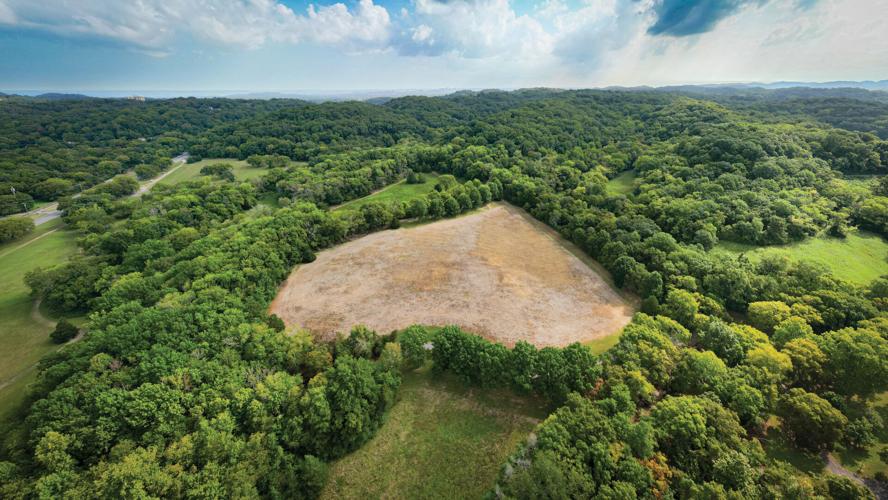
In the fall of 2023, crews began clearing non-native grasses and invasive species from Nature Center Meadow, a 4.2-acre field near the nature-play children’s area, and from Clare’s Meadow, a 6-acre heart-shaped field behind Steeplechase. Eventually, a palette of native plants — such as sedges, asters, Joe Pye weed, milkweed, coneflowers and more — will replace the more manicured non-native turf.
“We’re coming back to the idea that lawns and mowed grasses don’t support the native population,” Molly says, adding that many of Warner Parks’ open spaces have been arbitrarily sown with non-native grasses and mowed regularly, eliminating habitats for native species. Restoring native species to Clare’s Meadow and Nature Center Meadow will provide a model for other potential meadow restorations throughout Edwin and Percy Warner Parks and the adjacent Burch Reserve and Hill Forest. So Friends of Warner Parks executive director Jenny Hannon and the meadow restoration team — including Clare’s landscape architect daughter-in-law, Tara Armistead — are “listening to the land” to determine which areas would most benefit from the next phase of grassland restoration.
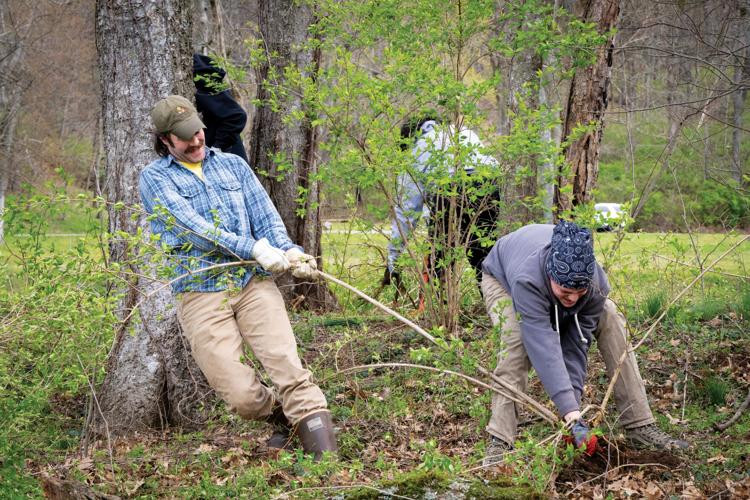
A campaign to restore native plant species in the park’s open areas dovetails with another long-term initiative of Friends of Warner Parks: As the park system approaches its 100th anniversary in 2027, Friends has set the goal of eradicating non-native invasive plant species. Since 2019, Friends, with the help of Invasive Plant Control Inc., has treated 800 acres — approximately one-quarter of the parkland — clearing out non-native invasive species, such as privet, euonymus and tree of heaven. Next time you’re hiking in the park woods, if you can see daylight through the trees rather than an impenetrable tangle of honeysuckle and understory, chances are the IPC crew has been there. It’s ambitious work that will likely continue long past the centennial celebration.
Meanwhile, the restoration of the Nature Center Meadow and Clare’s Meadow will take several cycles of weeding and seeding before the native grasses and wildflowers take root and flourish. Maybe then the eastern meadowlark, loggerhead shrike and American woodcock will follow.
“We’re hoping their visitation and breeding will increase when the meadows are restored,” Molly says. “To see these birds come back would be incredible.”


Commented
Sorry, there are no recent results for popular commented articles.