
![1929-32 Construction Photos 0003 004Fleming_Bryan[same page asBuilding_image1].jpg](https://bloximages.newyork1.vip.townnews.com/nfocusmagazine.com/content/tncms/assets/v3/editorial/0/0c/00c9d265-9b6f-48c2-b797-9540dcefa184/68114e6c5f35b.image.jpg?resize=316%2C500)

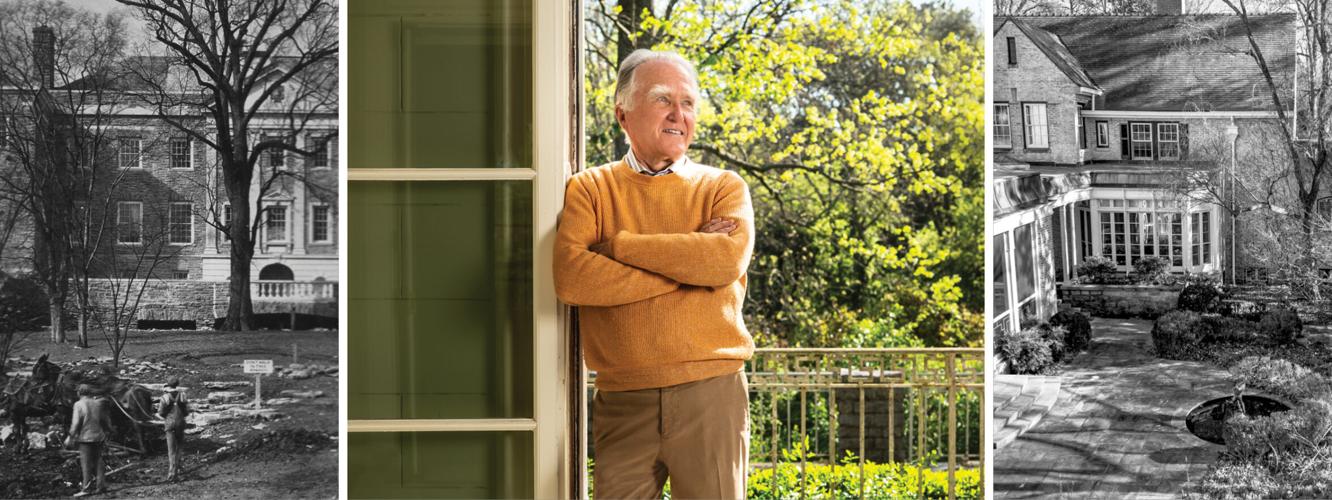
Nearly 20 years ago, local landscape architect Ben Page of Page Landscape delivered the keynote speech to the the Southern Garden History Society Convention. His focus: the prolific work of famed building and landscape architect Bryant Fleming, who joins the pantheon of prominent design figures — like landscape architect Frederick Law Olmsted, landscape architect Beatrix Farrand and architect Charles Adams Platt — who helped shaped the national landscape movement known as the Country Place Era. Bryant made a particularly significant mark across the country, especially here in Nashville.
As the city began to blossom into a bustling metropolis, dynastic families — Warner, Cheek, Allen, Schwab, Tyne and others — wanted to create homes for their families that reflected their financial and social positions. Because the Southern Garden History Society was initially founded to study and document the importance of designs like Bryant’s, Ben felt it was only natural to celebrate the architect’s important work at Cheekwood. It was a fitting topic for the conference, as Ben not only worked on Cheekwood but also helped restore several other Bryant-designed properties, breathing new life into their outdoor spaces and preserving Nashville’s architectural treasures.
![1929-32 Construction Photos 0003 004Fleming_Bryan[same page asBuilding_image1].jpg](https://bloximages.newyork1.vip.townnews.com/nfocusmagazine.com/content/tncms/assets/v3/editorial/0/0c/00c9d265-9b6f-48c2-b797-9540dcefa184/68114e6c5f35b.image.jpg)
The American Country Place era
Fueled by prosperity from the Industrial Revolution, Americans developed a passion for outdoor living. Around the turn of the 20th century, President Theodore Roosevelt expanded the National Park System, created the National Park Service and signed the American Antiquities Act into law. At the same time, many Americans began seeking refuge in the countryside as cities grew more crowded.
The country’s most prominent families built expansive country estates, modeled after Europe’s grand homes. These properties featured large houses designed for entertaining and displaying the owner’s erudition and social status. The formal gardens included terraces, fountains, alleés, sculptures and carefully chosen established plants to give the landscape a sense of history. Uninterrupted vistas often completed the scene, offering sweeping views of a home’s bucolic surroundings.
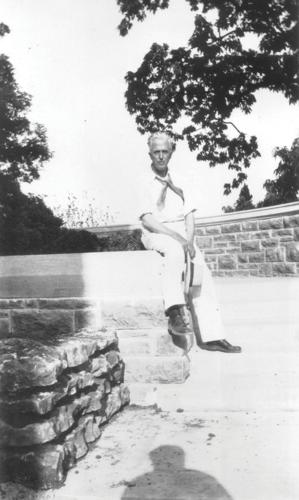
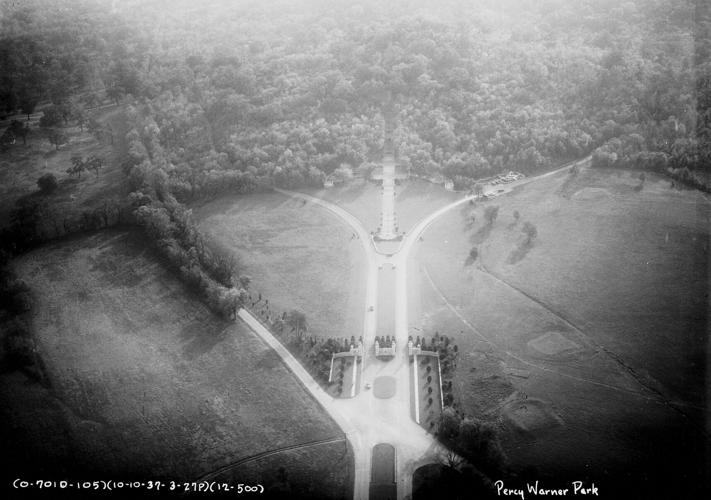
Bryant was brought to Nashville in 1923 for his first project. Before long, he’d taken on so much work here — and in nearby Memphis and Louisville — that he and his father decided to live in Nashville on and off. Bryant’s notable projects in Nashville include Brookhill for Edwin Warner, Jocelyn Hollow for W.F. Allen, a home remodel for George Schwab, Cheekwood for the Cheek family, Burlington for the Shepherd family, Watersmeet for the Runcie Clements family (in cooperation with architect Herbert Rogers), Longleat for the Tyne family, and the Allée at Percy Warner Park.

Brookhill
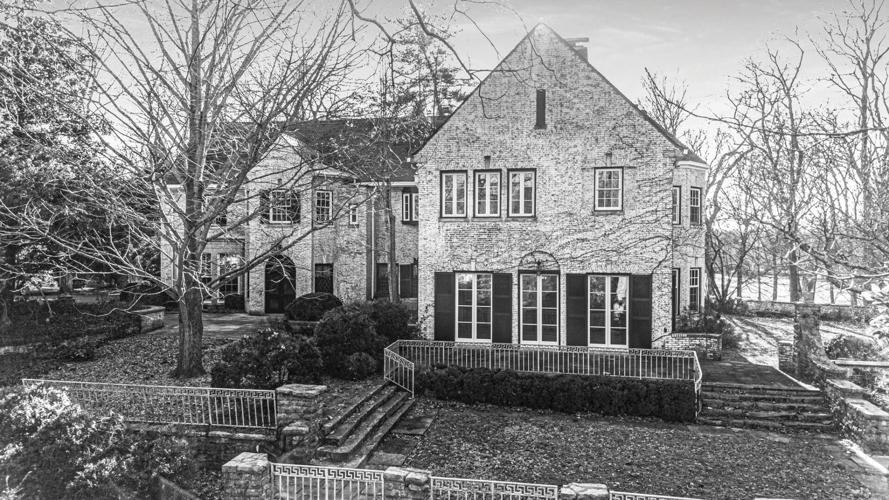
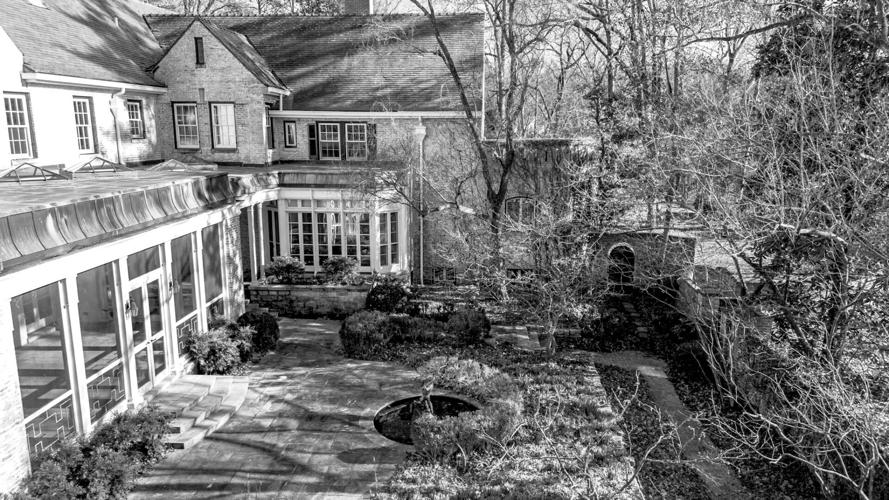
BROOKHILL IS AN ESCAPE to the country while being minutes away from the heartbeat of the city — offering a graceful balance of elegance and nature. The home’s lush, expansive lawn and intimate garden spaces feel both refined and inviting. A charming walled garden graces the west side of the home while Sugartree Creek runs along the east, accompanied by a floodplain and a wisteria-covered trellis that beckons visitors to sit and embrace the natural harmony.
In his speech, Ben noted that Brookhill was an early — and very restrained — classically inspired piece of architecture. An arcade, with its contiguous arches, leads from the garage to a side door. The grand front entrance faces east, and many of its original interior design elements remain intact — preserved as they would have been in the 1920s. A black-and-white marble checkered floor leads to a stunning spiral staircase. The library and great room both have wood-paneled walls, and the latter even has a wood-paneled ceiling. Both rooms feature rich parquet floors installed by Bryant.
Urban legend claims that after touring Brookhill, Leslie and Mabel Cheek hired Bryant to design their dream home on the 52 acres they had recently acquired.

Cheekwood Estate & Gardens
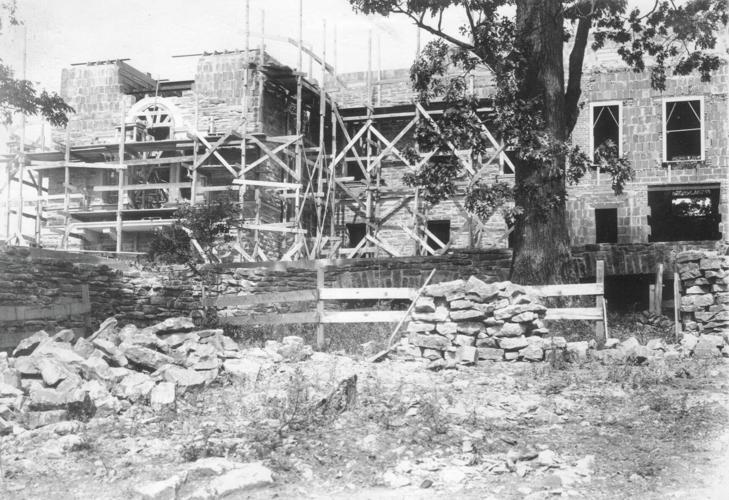
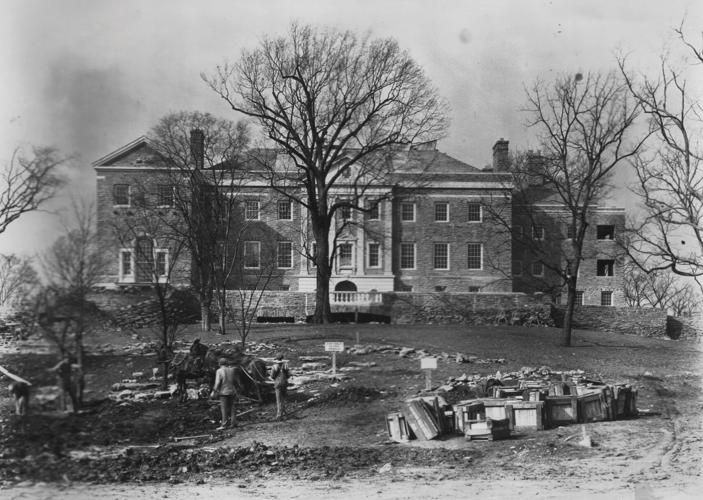
At Cheekwood, Bryant envisioned a garden landscape as the project’s raison d’être. He brilliantly moved the footprint of the house from its seemingly logical location to the top of the hill so the Swan Lawn — with its gorgeous Swan Fountain — could occupy the estate’s pride of place. With the house and fountain in place, Bryant unfolded a series of garden rooms around the hill — creating magical and interconnected horticultural experiences for the owners and their many guests to enjoy.
Cheekwood is widely recognized as a premier example of America’s Country Places Era. Because Bryant designed both the home and its surrounding landscape elements, the project also provides a rare opportunity to celebrate the harmonious interior-exterior relationships that have become hallmarks of the best 20th-century residential designs.
Bryant had the rare architectural confidence to borrow stylistic elements from a vast spectrum of design movements, including the Italian and French Renaissances, the English Georgian period, the Regency era, and the American Colonial period. He mixed and matched elements to create his own romantic idea of what was right for each client — always paying homage to the site’s genius loci, its unique character.

The Allée At Percy Warner Park
During this era, the park service continued to grow through public-private partnership. In 1926, Luke Lea and his wife Percie Warner Lea — daugther of Percy Warner — deeded 817 acres of land in Belle Meade to Metro Parks for $1, launching what would become the Warner Parks system. In 1932, the Edward Daugherty Gates were completed as an entrance to the park. That same year, Bryant completed work on Cheekwood.
Lea commissioned Bryant to design the steps at the Allée in Percy Warner Park as an open invitation to the public. Bryant used rough-hewn limestone from the site to build the ascending staircase. From the top, visitors could — and still can — take in sweeping views of Belle Meade Boulevard.
Thanks to Ben Page for his contributions to this story.


Commented
Sorry, there are no recent results for popular commented articles.