
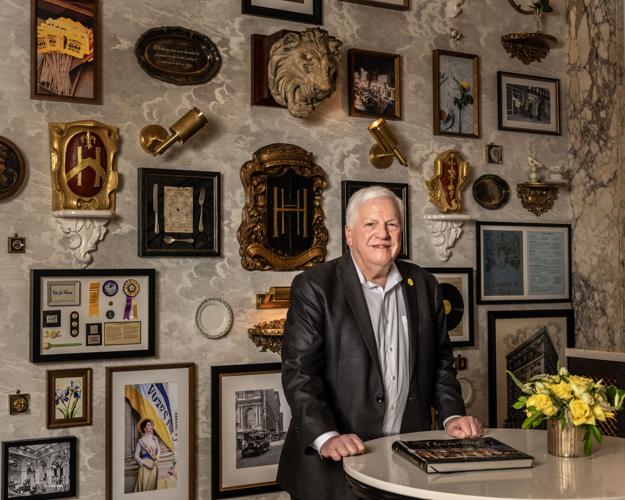
When Tom Vickstrom, The Hermitage Hotel’s historian and financial adviser, tells the story of suffragist leader Carrie Chapman Catt’s stay in room 310, he often tears up. Legend has it that Catt opened her room’s Tennessee State Capitol-facing window to shouts and cries of joy once women officially gained the right to vote, a story Tom has proudly recited on historic hotel tours since 2009.
Pro- and anti-suffragists famously set up headquarters in The Hermitage Hotel, leading up to Tennessee’s ratification of the 19th Amendment. Those in favor wore yellow roses, while those against wore red ones — and to this day, yellow is one of the hotel’s key branding and storytelling devices.
Tom’s motto: “Quality always pays.” Whether he’s creating immersive guest experiences or enriching revelers with the property’s history, Tom’s love of the hotel shows — and he’s still making historical discoveries to this day.

What are some key facts about the hotel’s role in the suffragist movement that not everyone knows?
[The hotel had] an expressed policy to open its doors to women, and that was documented in the newspaper as of 1911. We [also] gave a rent-free office to the national Equal Suffrage League as of 1915, in support of votes for women, and they used that right through 1920.
What are your other favorite things that took place on the property?
Nashville’s first hit record [in 1947] is very significant. That was [by] our orchestra leader, Francis Craig, who initially provided music here starting at 1925 and continued right through to 1947 — 22 years of live music, six days a week at The Hermitage Hotel. [It] really helped bring the building to life.
Which anecdotes from your tours surprise guests the most?
People are always fascinated with celebrities. Charlie Chaplin checked in at the front desk with a custard pie in his hand. Amelia Earhart gave a newspaper interview here in the lobby with her husband in 1935 — it was highly interesting. It’s fun that Minnesota Fats lived in the hotel for seven years in the 1980s. He was a celebrity, but he liked to station himself in the lobby and strike up conversations with guests that he didn’t even know. He just loved to tell fantastic stories about his life.
What is your research process like, and how does it evolve as you keep making discoveries?
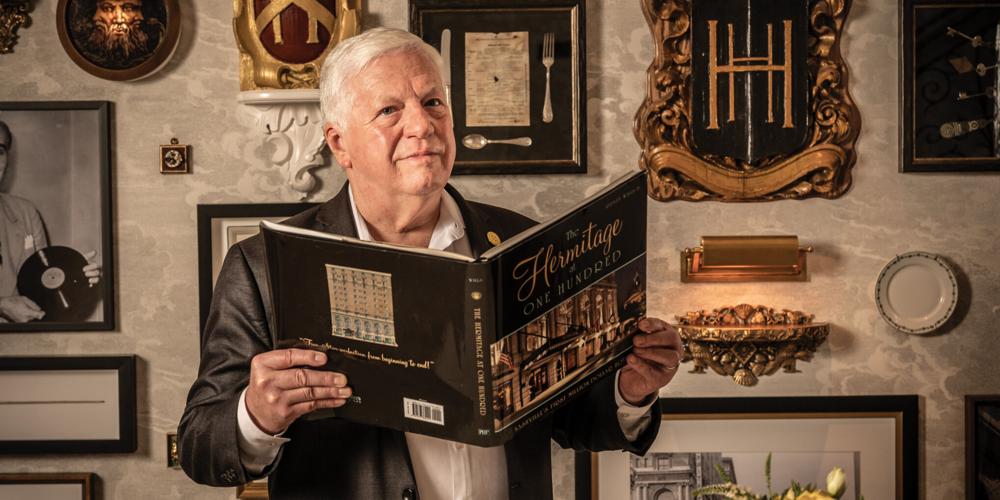
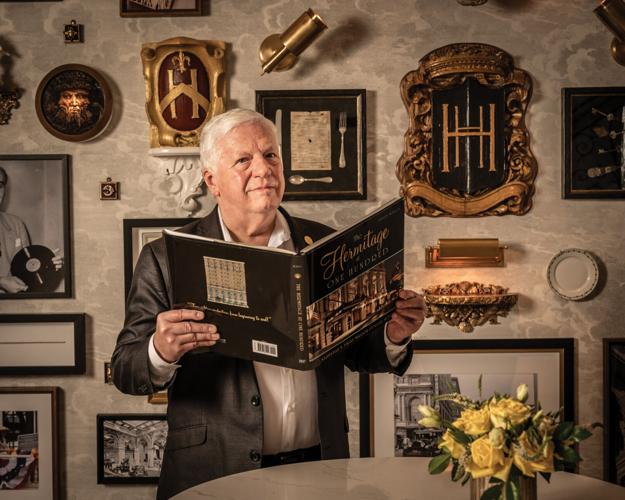
When we produced our book, The Hermitage at One Hundred: Nashville’s First Million-Dollar Hotel, we pushed to have that published before our 100th birthday, which was [in] 2010. We engaged a prominent local historian, Ridley Wills, to research and write the book. At that point, I discovered the vertical file at the Nashville Public Library, and they had newspaper clippings about The Hermitage Hotel. I copied the complete collection, and that was a treasure trove of new information.
Up until then, we had a few old menus, some postcards, people mailed in stories — but then getting the book project going really put this into high gear.
In partnering with my wife, Wanda, it’s been a labor of love to work together. Sometimes we’d stay up until midnight on a Friday night, researching at home, talking back and forth, sharing results and findings. [She has a] very keen eye and a good sense of curiosity.
What’s the most rewarding part of your job?
Besides loving the building and everything that’s happened in it, I think the most rewarding [thing] is working with such a talented group of hospitality professionals. I’ve said many times: We’re like a Super Bowl championship team. Just because we won it last year doesn’t make it automatic. Every day is our A-game.


Commented
Sorry, there are no recent results for popular commented articles.