


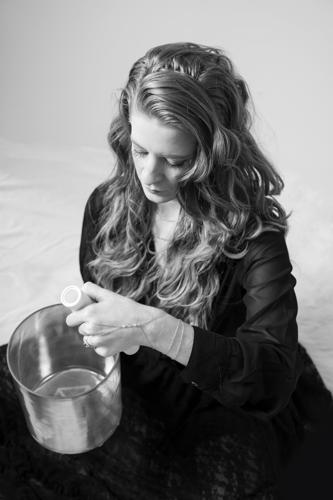

Many ancient cultures believed that sound had the power to heal the body from within. Evidence of sound baths — meditative experiences where the body is immersed in sound and vibration — can be found in ancient Egypt, Greece and India. Today, the practice has seen a resurgence, as many look for alternative healing therapies in a tech-weary and anxiety-ridden world.
Sound Bathing
While sound therapy has been used for centuries for healing and meditation, modern sound bathing derives from the work of Swiss scientist Hans Jenny, who researched the effects of sound waves on physical matter. His discoveries led to the use of sound therapy in modern medicine, as well as the development of ultrasounds and sonography. The 1960s and ’70s saw an uptick in the practice of sound bathing. Today, the practice has grown even more popular — with sound baths available throughout the world.
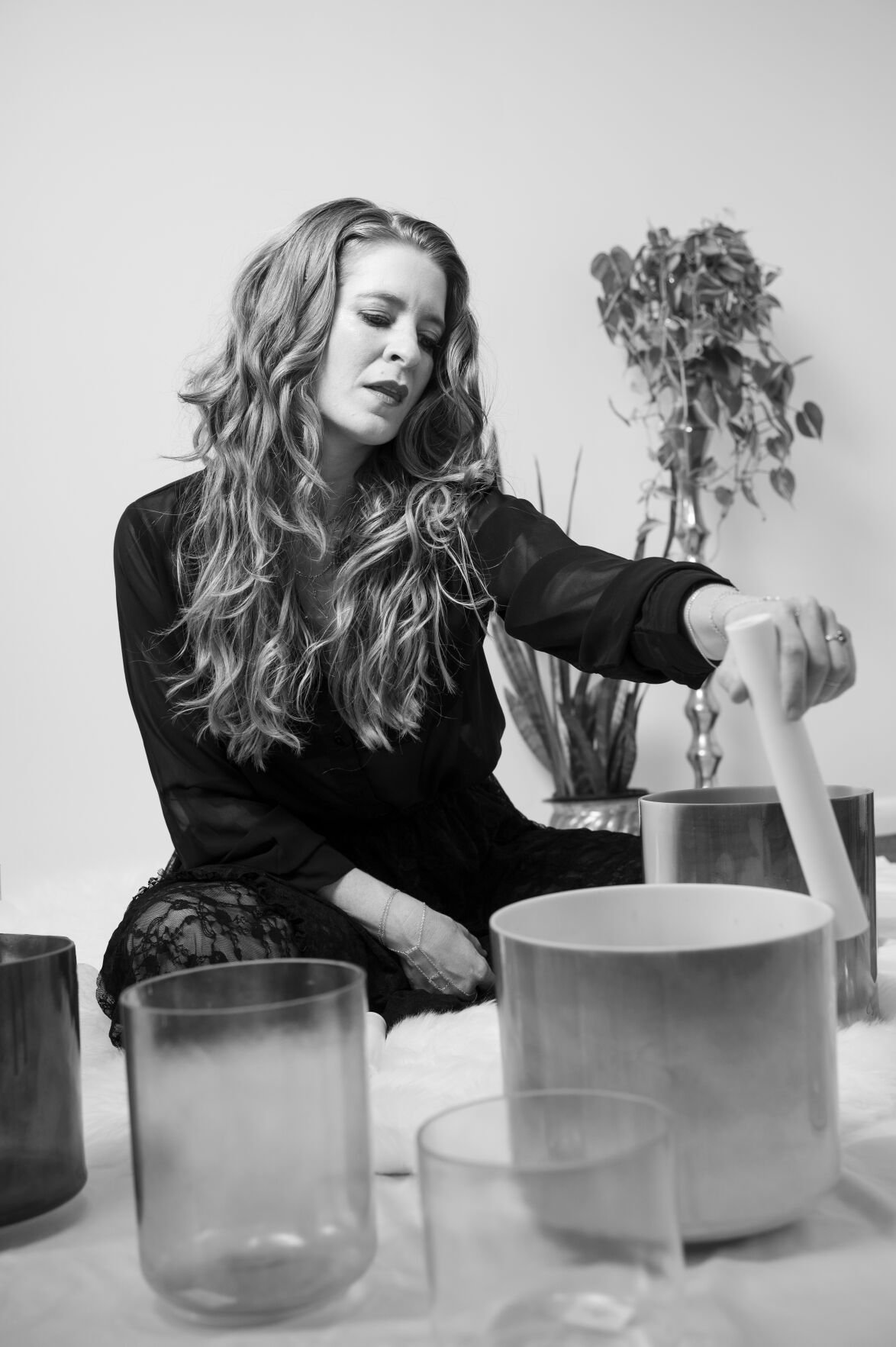
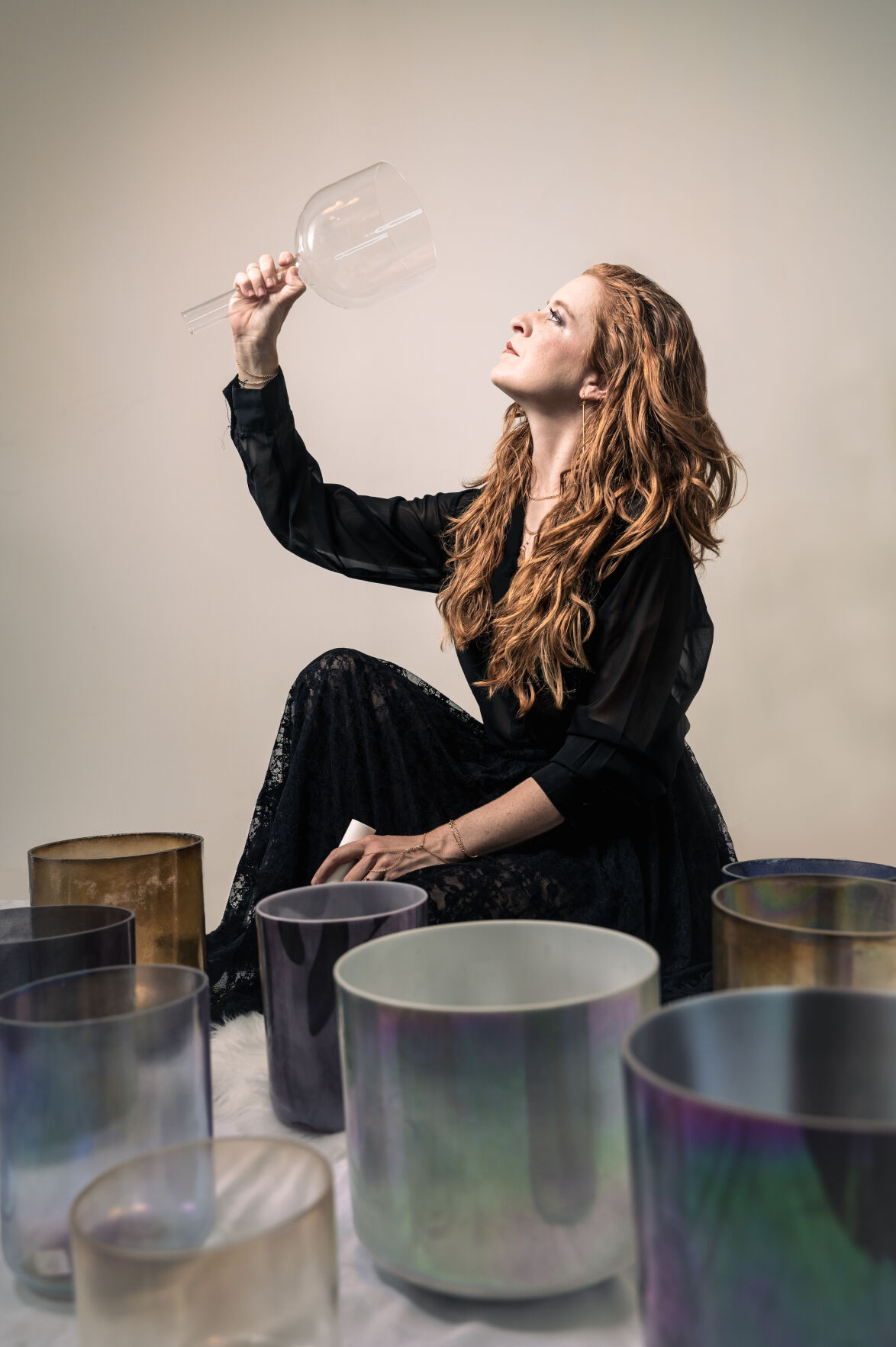
During a sound bath, healers use a variety of instruments to immerse (or “bathe”) the body in sound. While each sound healer may use different instruments — like Tibetan singing bowls, crystal bowls, gongs, tuning forks and more — they create sounds and vibrations that connect the body and mind while helping to calm the central nervous system. “You can feel the frequencies from instruments, like crystal bowls and gongs, in your body as much as you can hear them in your ears,” says Kayce Laine, a musician, sound healer and teacher at The Sound Healing Academy.
The Experience
While each sound bathing experience is different, the goal is relaxation. Practitioners wear comfortable clothing and sometimes bring a yoga mat, pillow and blanket. Kayce uses crystal bowls as a focus in her practice and weaves in additional instruments. She also likes to ensure her sound fits the setting. “Louder does not mean more healing, so the experience does not need to be super loud to be effective,” she says. A room with heavy fabrics will absorb more sound than a room with more hard surfaces, she adds, and practiced healers know to adjust the sound accordingly.
Beginners to the practice often experience a wide range of sensations. During one of Kayce’s sound baths, a woman with arthritis reported feeling pain-free for the first time in years. Another client, a veteran, had booked one-on-one sessions to help reduce the tinnitus she’d experienced since a nearly fatal explosion. “After the first session, she told me that her tinnitus was completely gone,” Kayce says. “It turns out, one of the frequencies from one of my bowls seemed to cancel out the ringing in her ears, and she had no ringing in her ears for around 10 days after.”
Where to Find a Sound Bath
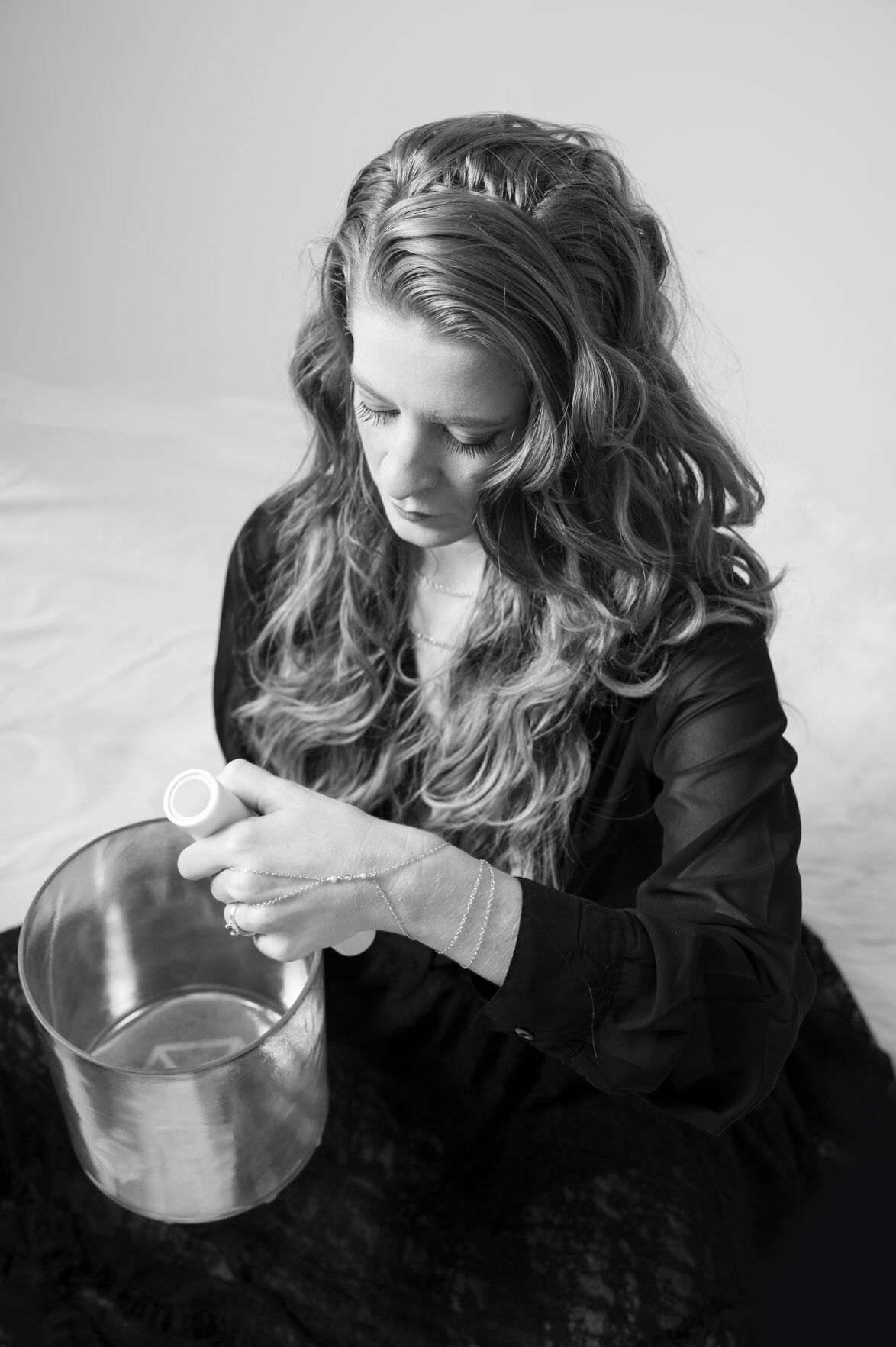
Kayce offers public and private sound bath experiences. She’ll soon host a public sound bath at the Frist Art Museum, and she regularly hosts sound baths for SoHo House members and guests.
Kayce notes that many yoga studios in town have occasional sound-bathing events. Group and private sessions are also available at HAUM Sound Bath Speakeasy, where practitioners are asked to meditate before the practice and journal about their feelings after the experience.



Commented
Sorry, there are no recent results for popular commented articles.