
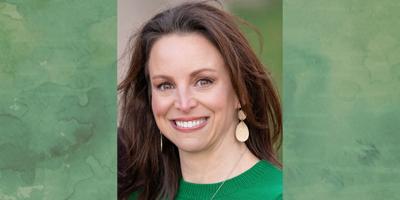
An Ascension Saint Thomas OB/GYN shares tips on addressing those awful symptoms
Obstetrician and gynecologist Dr. Reagan Saig says there’s a small subset of women (20 to 30 percent, she estimates) who may not have symptoms of menopause. Lucky them.
For the rest of those living with hot flashes, night sweats, periods, and weight and hair changes, the Ascension Saint Thomas physician sat down with Nfocus to share tips on surviving menopause and perimenopausal changes.
Perimenopause and menopause are difficult to diagnose
Menopause is defined as 12 months of not having a period, but perimenopause can begin as many as five to seven years before a woman stops having her period, she says. It’s not like diabetes or high blood pressure, where a blood test can pinpoint a diagnosis.
“There's not a hormone level that we can check and say, ‘yep, you're definitely in menopause’ because it's part of a clinical diagnosis and not necessarily a medical 'here's your blood test, here's your results' diagnosis,” Saig tells Nfocus. “ As the ovaries decline in function, and depending on where a woman is in her menstrual cycle, those hormone levels can fluctuate significantly. [A blood test] doesn't give us a ton of data that's necessarily helpful.”
The quality of life rule
“I think seeing a doctor is important if you're having hot flashes, mood changes that are concerning or are impacting quality of life,” Saig says. “Or if your periods change in such a way that's impacting your quality of life.”
That includes sex.
“I think one thing that the women are potentially a little more reticent to talk about are changes of libido or pain during intercourse that may happen with menopause,” she added. “I think that women are just kind of shy to discuss sexual function in general. So a lot of times they make it a point to discuss that or to ask about it.”
Be leery of hormone replacements
Replacement therapy in the form of estrogen can help with the flashes, though it’s important to watch the dosage, which is much higher than a person may be used to with birth control. Saig refers patients to the North American menopause website for natural supplements that can help: including evening primrose oil, a soy supplement, and black cohosh. In addition, she cautions against "bioidentical" hormones, which aren’t regulated as tightly as those found in the pharmacy.
“I think that there's some false information out there in terms of hormones and hormone levels that can be harmful,” she says. “Conversely, I think that we as Western doctors could potentially learn a little bit more about what is available from a holistic perspective, just to kind of meet patients where they are and give them all the options that they would like.”
Strength training is key
Weight changes happen with perimenopause and menopause – but it’s less clear if that’s caused by the condition or in correlation with losing muscle mass and burning fat less readily with age.
“I talk to every single patient regardless of age about the importance of strength training,” Saig says. “We need to be doing it at least twice a week. Estrogen is protective of the bone’s strength and structure. The more muscle mass we have, it improves our bone strength and structure so that’s why it’s important to get in that habit earlier in life.”
Strength training can include lifting weights, utilizing resistance bands, pilates or yoga – whatever the patient prefers, she says. Increased muscle tone also helps with balance and coordination to prevent falls and broken bones with age, too.
Pee problems
Urine urgency or that bit of pee that releases during a sneeze can come from estrogen receptors inside the urethra and bladder being affected by the lack of estrogen as you age.
Pelvic floor physical therapy helps for many, topical estrogen can help in some cases, too. A female urologist would also be a good person to discuss this, Saig says.
Make sure your doctor specializes in gynecological conditions
There’s a lot to learn in residency, especially for OB/GYNs who learn the ins and outs of child bearing – sometimes specialities like menopause and other hormone conditions fall by the wayside.
“I think learning medicine is a lifelong process,” Saig says.”It's important to kind of have a physician who's continuing to read and educate themselves in general.”


Commented
Sorry, there are no recent results for popular commented articles.