
On May 24, 1976, a major upset sent shockwaves around the world. It wasn’t when Muhammad Ali knocked out Richard Dunn in the fifth round, marking the last knockout of Ali’s career. And it wasn’t when the first commercial flight of the Concorde landed in Washington, D.C. No, it was when some “kids from the sticks” — California, to be exact — beat out French winemakers in what Time magazine reporter George Taber would name the Judgment of Paris.
The story began months earlier when Steven Spurrier dreamed up a friendly competition between the United States and France and visited California to learn more about the region’s wines. In an effort to bring more attention to these little-known wines — and make money for his Parisian bottle shop — Spurrier orchestrated a blind tasting.
Among the nine judges were Odette Kahn, editor of the prestigious wine magazine La Revue du vin de France, and Aubert de Villaine, the director of the Domaine de la Romanée-Conti estate in Burgundy. Tucked away in the Intercontinental Paris hotel, the discerning oenophiles sat down to a tasting weighing white Burgundies and red Bordeauxs against comparable California upstarts.
Much to everyone’s surprise — including the all-French panel of judges — the California wines emerged victorious, with Chateau Montelena’s 1973 chardonnay winning the white category and Stag’s Leap Wine Cellars’ 1973 cabernet sauvignon beating out Bordeaux. Kahn was said to be so incensed that she demanded her tally card back, lest anyone find out how she scored. Taber, looking for a quote for his story, called Chateau Montelena winemaker Jim Barrett, who was traveling in Bordeaux at the time. After learning of the win, Barrett famously quipped, “Not bad for kids from the sticks” — a quote that forever marked the day.

50 Years in the Making
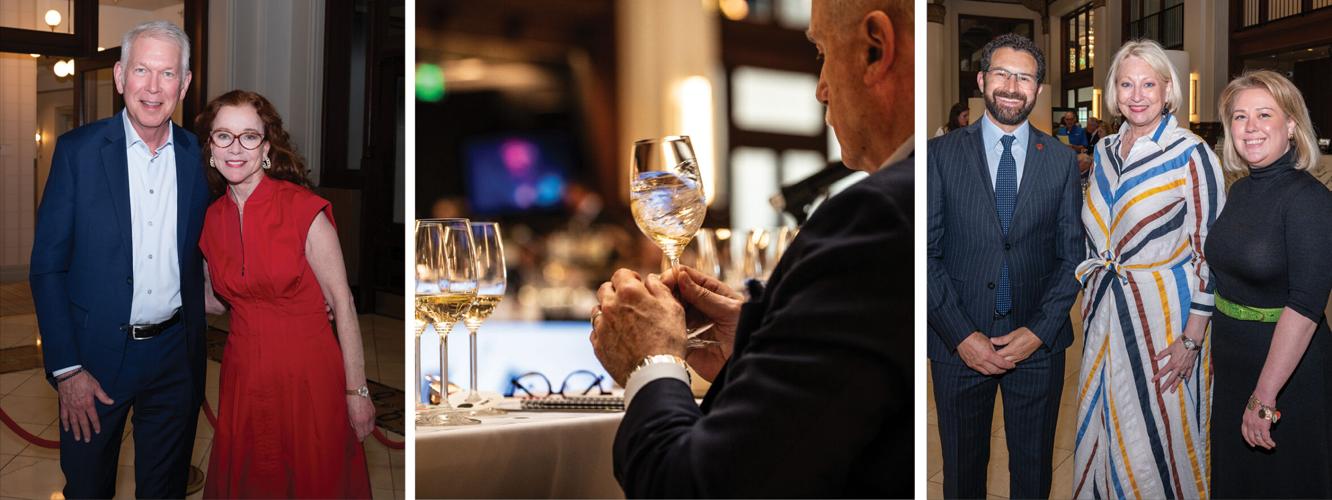
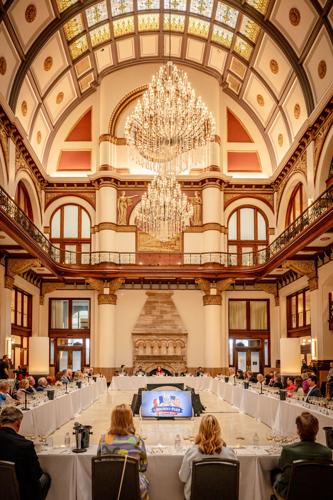
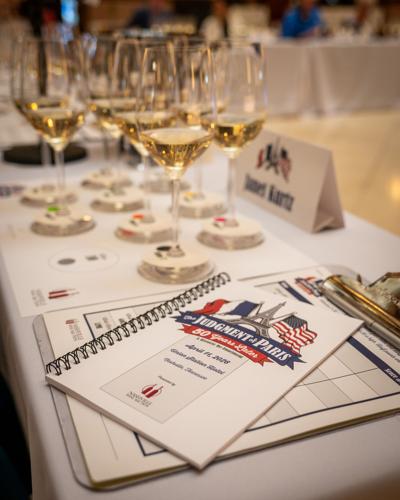
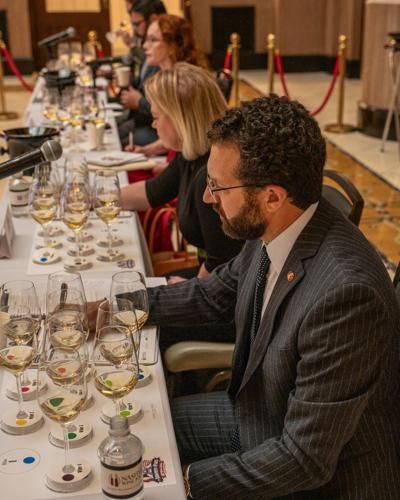
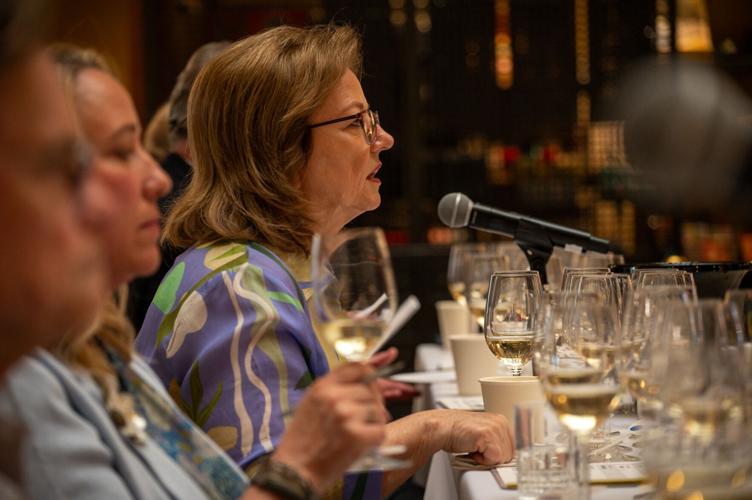
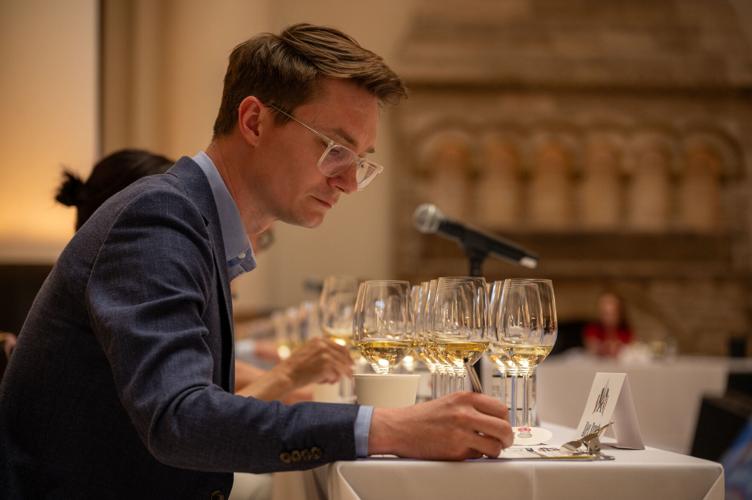
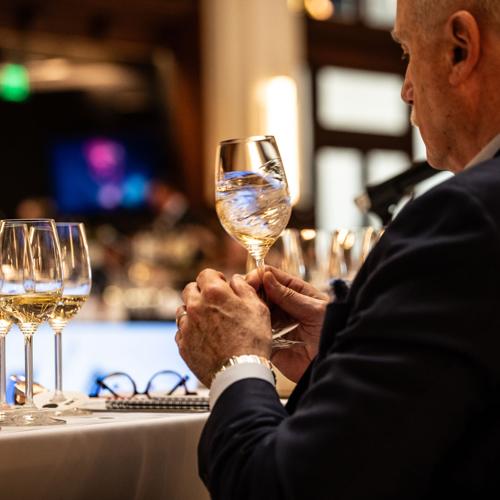
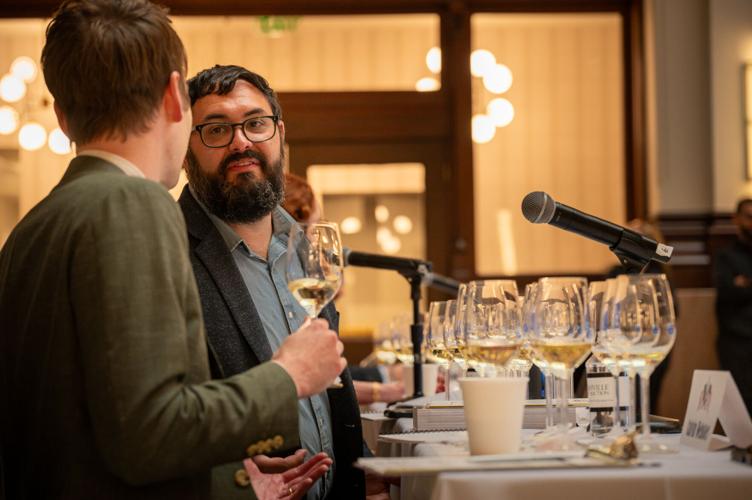
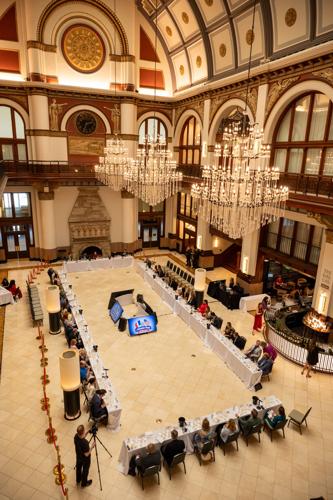
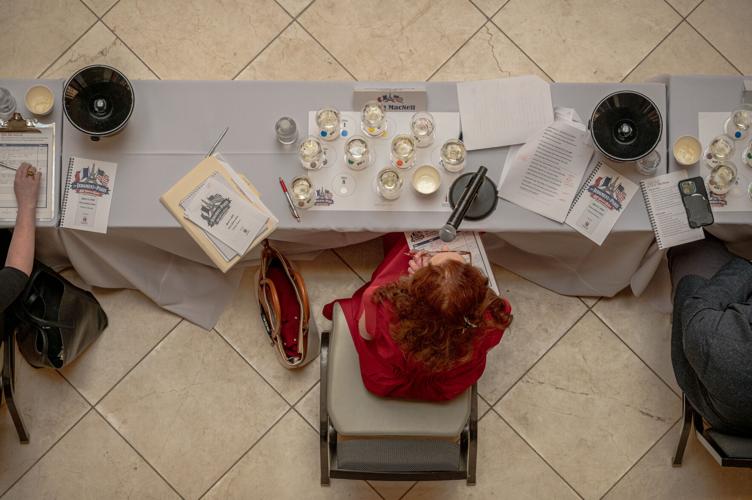
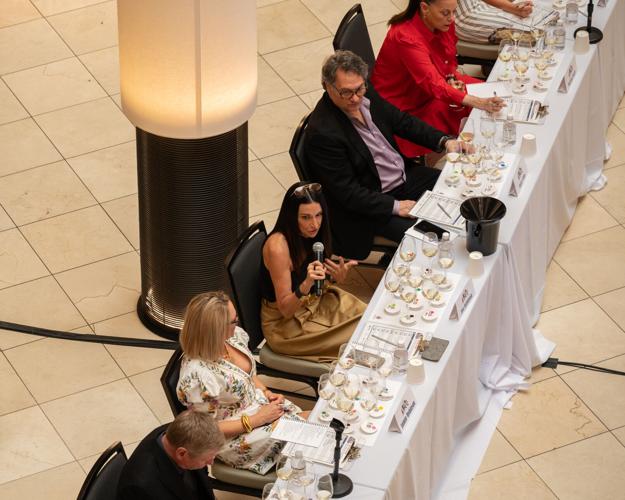
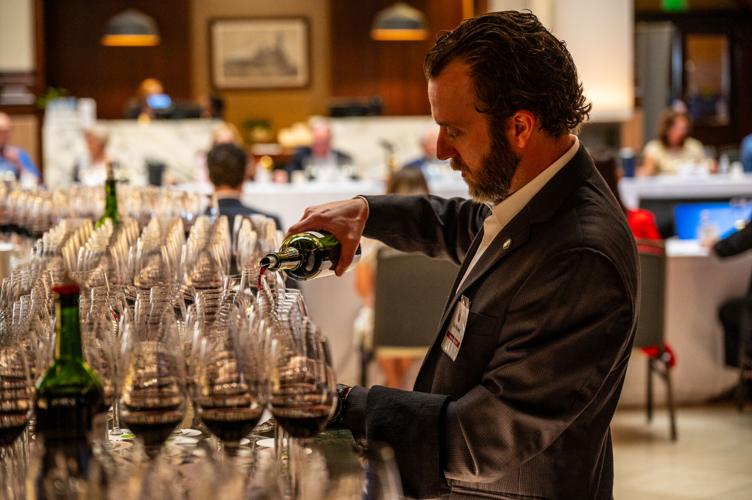
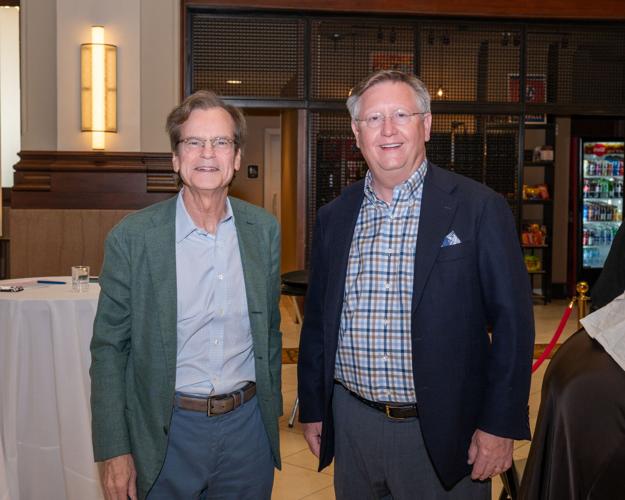
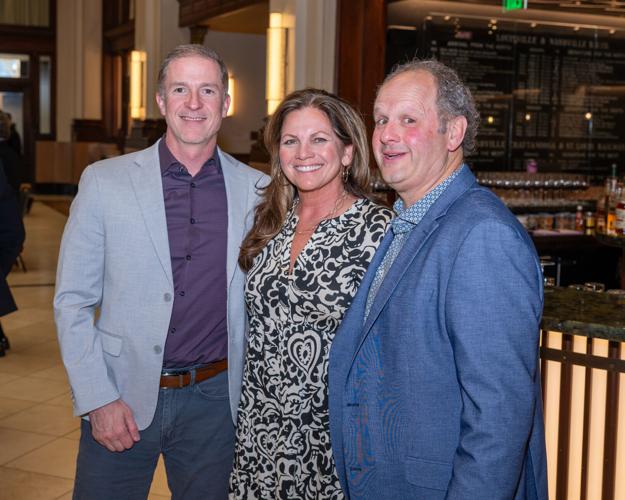
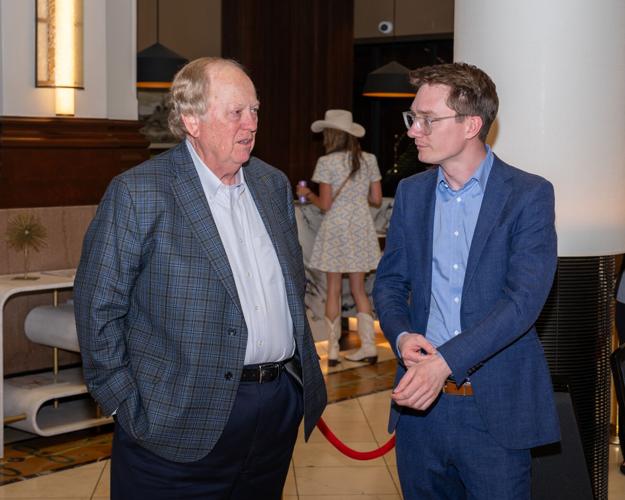
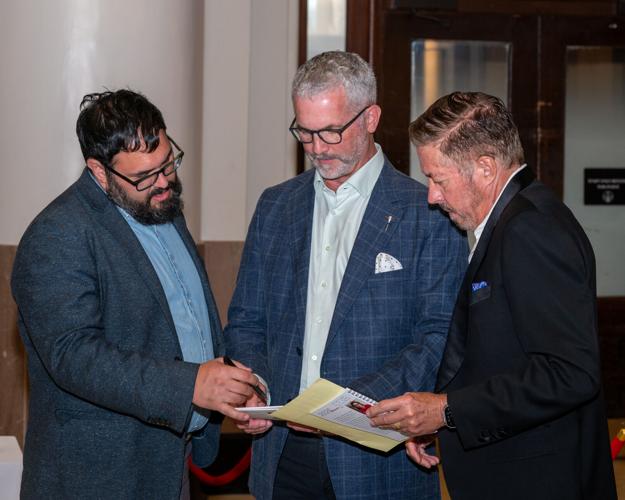
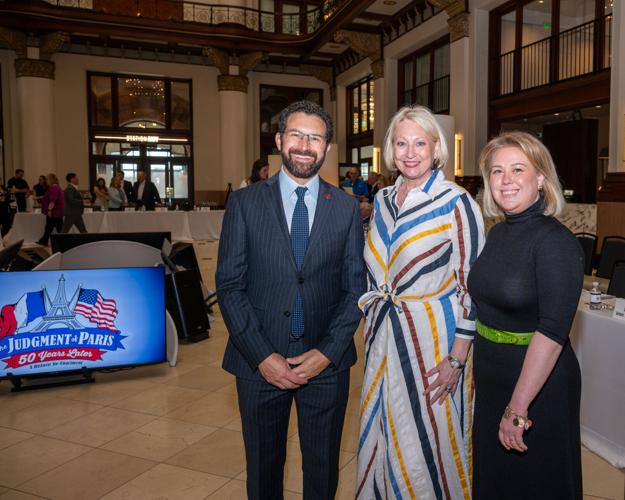
The Nashville Wine Auction consistently produces standout events. Its signature gatherings — l’Eté du Vin and Pairings — draw large crowds and even larger bids. At last year’s l’Eté du Vin, organizers introduced an ambitious auction lot: a reenactment of the 1976 Judgment of Paris. The blind tasting would pit the same California juggernauts against the same French stalwarts, with updated vintages across nine white wines and 10 red wines. (Veedercrest Vineyards’ chardonnay was the only wine missing from the reenactment.) The lot won the Nfocus Best Parties 2025 Readers Poll for its unique character and creativity.
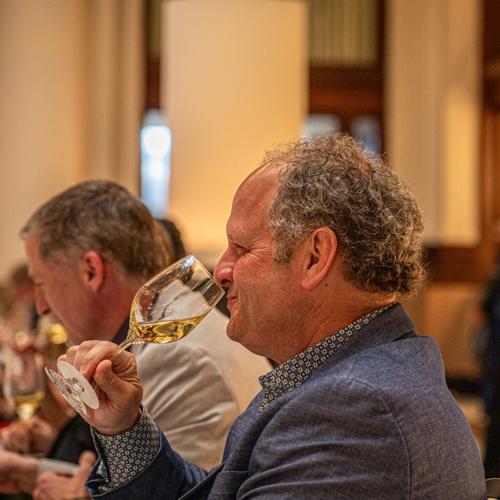
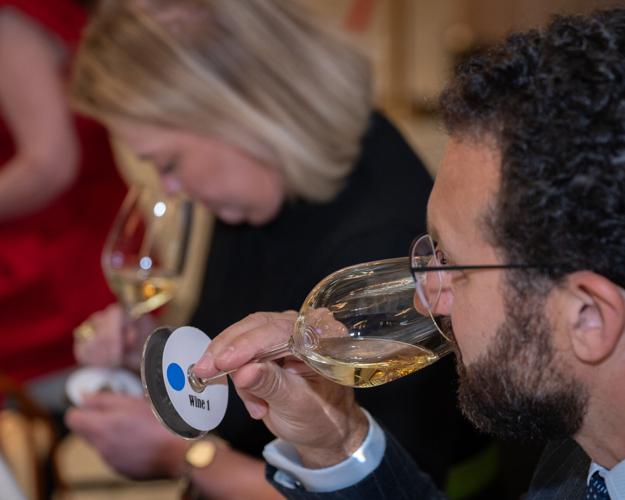
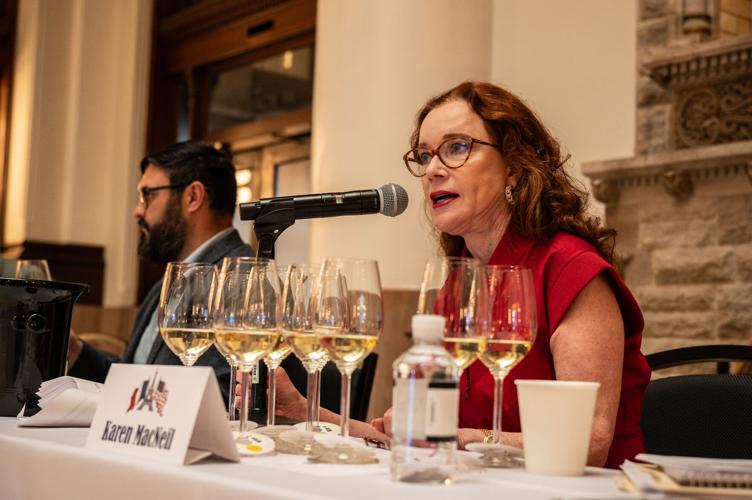
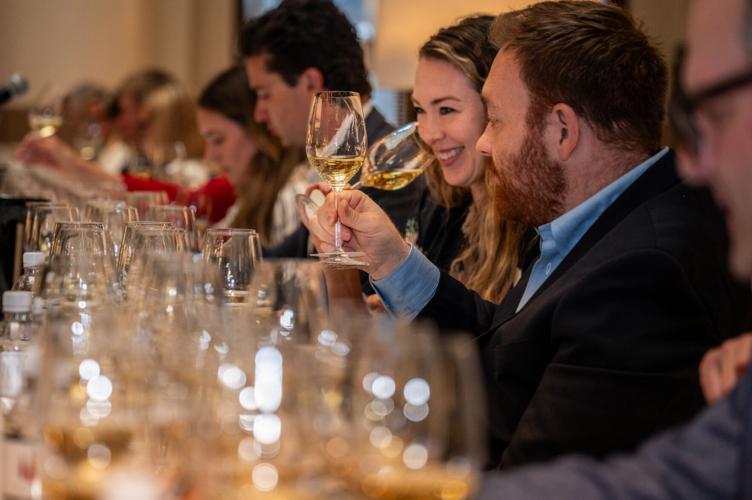
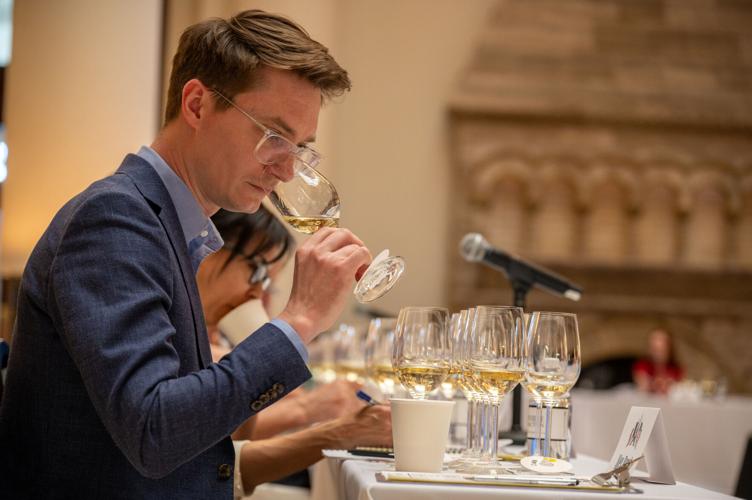
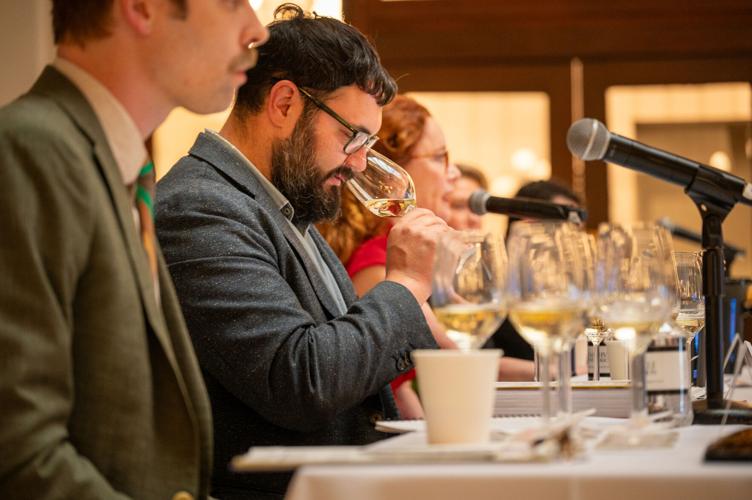
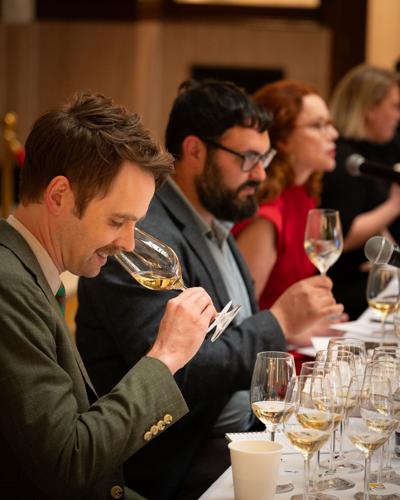
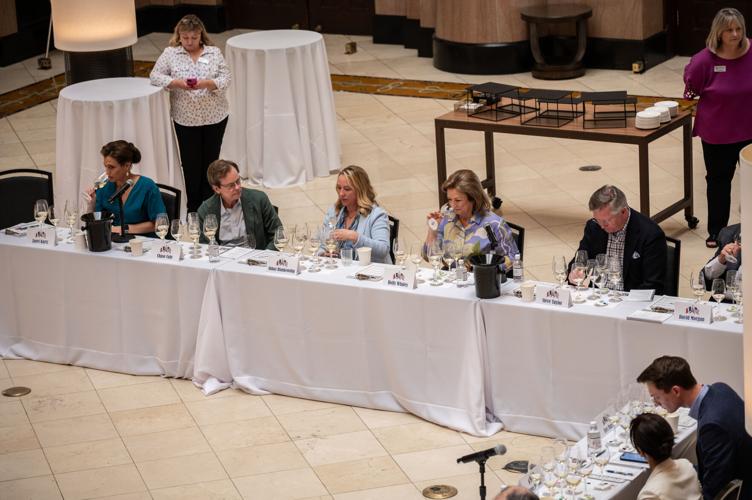
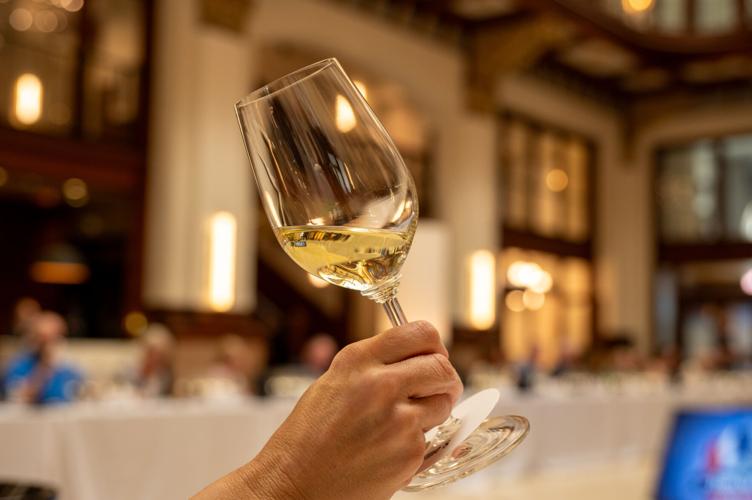
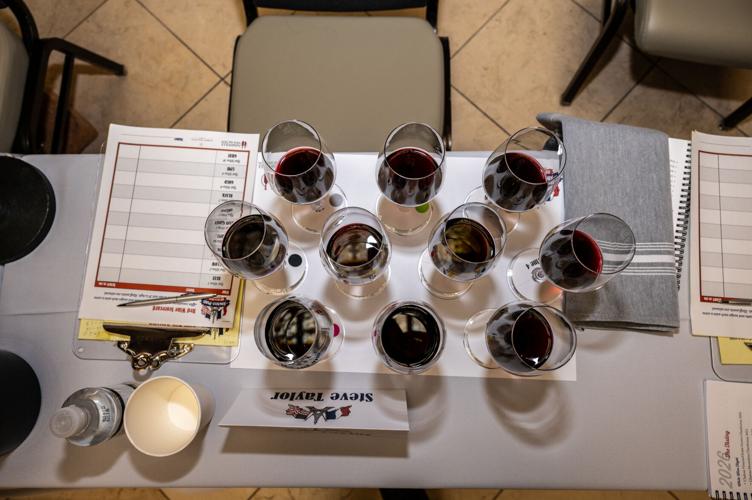
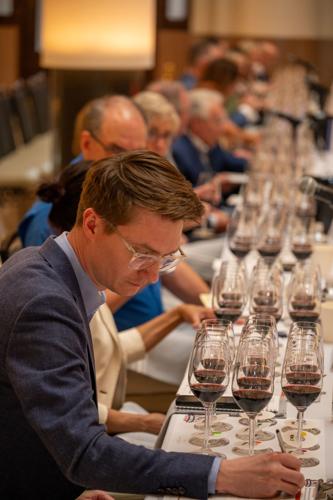
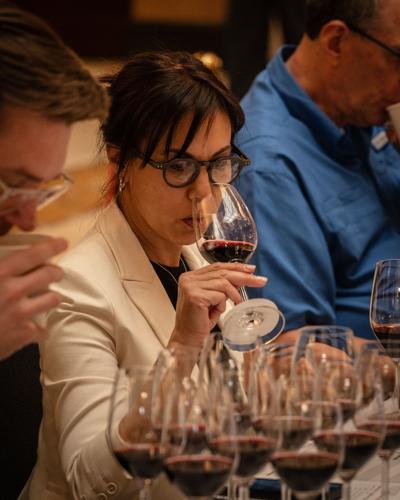
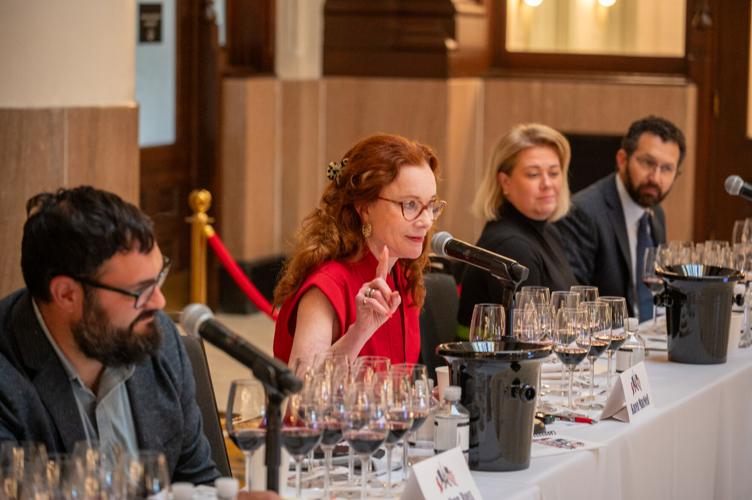
As guests took their seats to celebrate the landmark anniversary in wine history, conversations softened and glasses lifted. The first pour set off a rhythm — swirl, sniff, sip, consider, repeat. Guests leaned in, comparing notes and second-guessing instincts. Was it French? Californian? Renowned wine expert Karen MacNeil gently redirected the room, urging tasters to abandon guesswork in favor of what mattered: structure, aroma, balance. One by one, guests marked their scores — 1 to 20 — each decision a small act of conviction.
As the tasting progressed, the wines revealed themselves in layers. Early favorites faltered. Understated pours became more compelling as they opened. Guests returned to earlier glasses, discovering entirely new expressions with each pass. The exercise became less about identification and more about evolution — of the wine and of the palate.
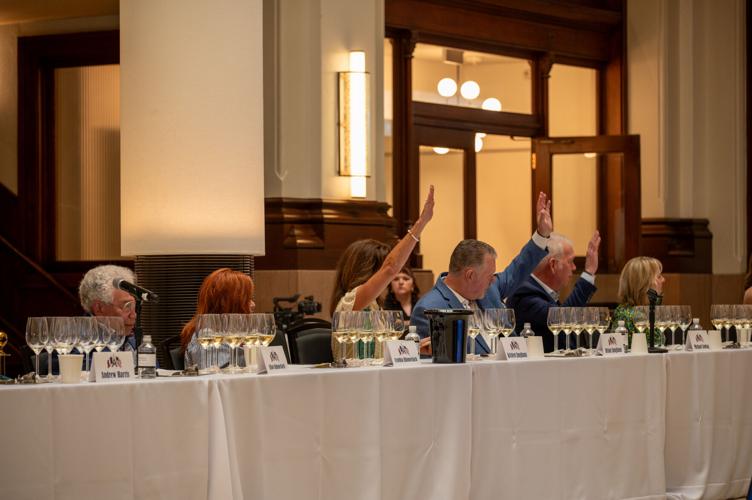
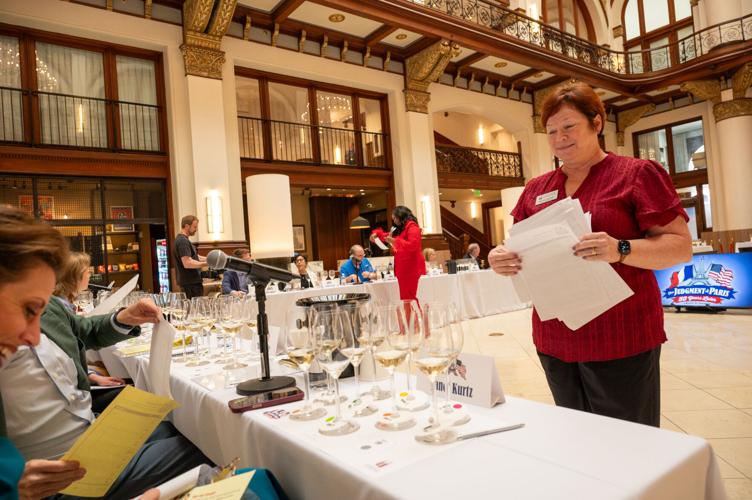
After the final white, hosts collected the scorecards, and the room exhaled. Guests studied the display of bottles lining the wall, analyzing labels and retracing their assumptions, while staff reset the room for the next act. A low hum of debate carried through the space as judges — including Nashville sommeliers Jonathan Ross, LeeAnne Arnold, Phillip Patti and Calvin Webster — shared early impressions.
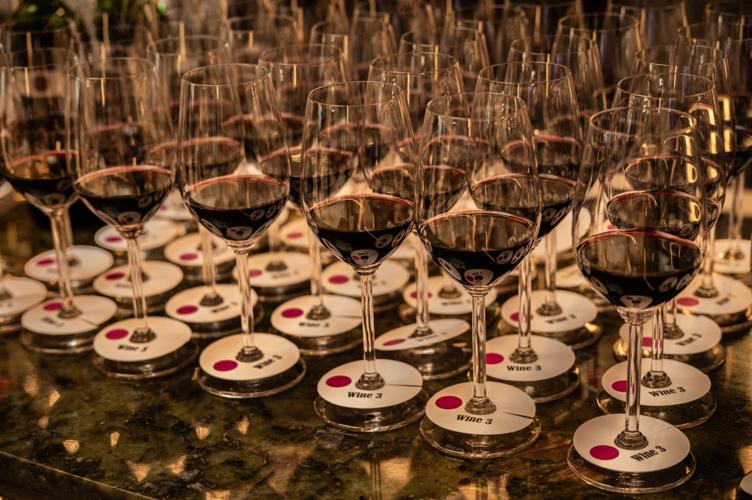
Then came the reds.
With renewed focus and a touch more confidence, guests settled back in. The second round unfolded with greater boldness — richer pours, stronger opinions and a growing willingness to speak up. The rhythm returned, now sharper: taste, assess, debate. If the white wines invited curiosity, the reds demanded conviction.

The Winners
Nearly five decades later, the story is no longer about disruption — it’s about evolution. California’s Chalone Vineyard Estate Grown Chardonnay 2024 claimed the top spot for the whites, and France’s Chateau Mouton Rothschild 2020 was the clear winner for the reds. In 1976, tastemakers asked: Do Californian wines belong on the world stage? The answer was a resounding yes. And clearly, it still is. Today, the story is about parity.
Fittingly, the evening ended not in competition, but at the table — where guests gathered over dinner, sharing conversation, perspectives and above all, a mutual appreciation for the wines that brought them there.

The Final Standings — White Wines
1. Chalone Vineyard Estate Grown Chardonnay 2024
2. Joseph Drouhin Clos de Mouches Beaune 1er Cru 2023
3. Spring Mountain Vineyard Heintz Vineyard Chardonnay 2024
4. Domaine Leflaive Les Pucelles Puligny-Montrachet 1er Cru 2022
5. Freemark Abbey Chardonnay 2022
6. Chateau Montelena Chardonnay 2023
7. Domaine Jean-Claude Ramonet Batard-Montrachet Grand Cru 2023
8. Domaine Roulot Charmes Meursault 1er Cru 2023
9. David Bruce Winery Chardonnay 2023
The Final Standings — Red Wines
1. Chateau Mouton Rothschild 2020
2. Stag’s Leap Wine Cellars S.L.V. Cabernet Sauvignon 2023
3. Ridge Vineyards Monte Bello 2021
4. Freemark Abbey Cabernet Sauvignon 2019
5. Clos du Val Cabernet Sauvignon 2022
6. Mayacamas Vineyards Cabernet Sauvignon 2021
T-7. Chateau Haut-Brion 2020
T-7. Chateau Montrose 2020
9. Chateau Leoville Las Cases Grand Vin de Leoville 2021
10. Heitz Cellar Martha’s Vineyard Cabernet Sauvignon 2019



Commented
Sorry, there are no recent results for popular commented articles.