
The Whitland Avenue Fourth of July Parade Celebrates America’s 250th Birthday

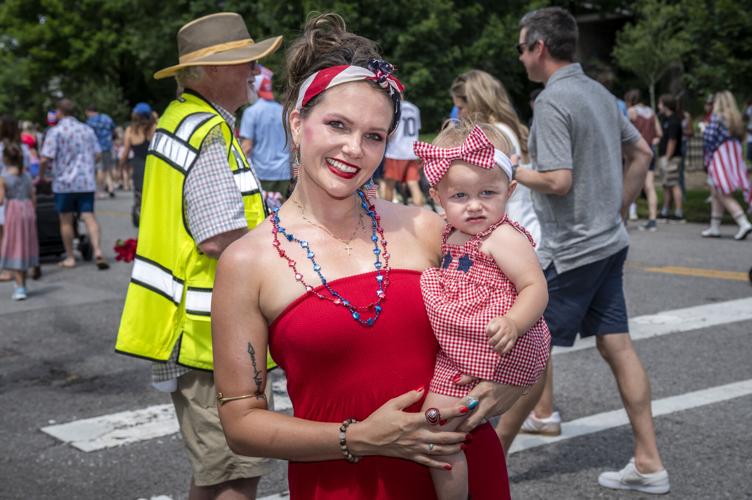
In its 49th year, the Whitland Avenue Fourth of July celebration remains a treasured annual tradition, drawing generations of neighbors together to celebrate the nation’s founding and the enduring bonds of community.
The beloved event began much like countless Fourth of July celebrations before it — with a group of neighbors and a fun idea. It all started in 1976, when then-Mayor Richard Fulton reportedly performed a dramatic reading of the Declaration of Independence. Nashville celebrity photographer and well-known prankster Slick Lawson was so moved by the event that he famously joined his Whitland Avenue neighbors, including Pat and Dan Burton, to launch the parade the next year.
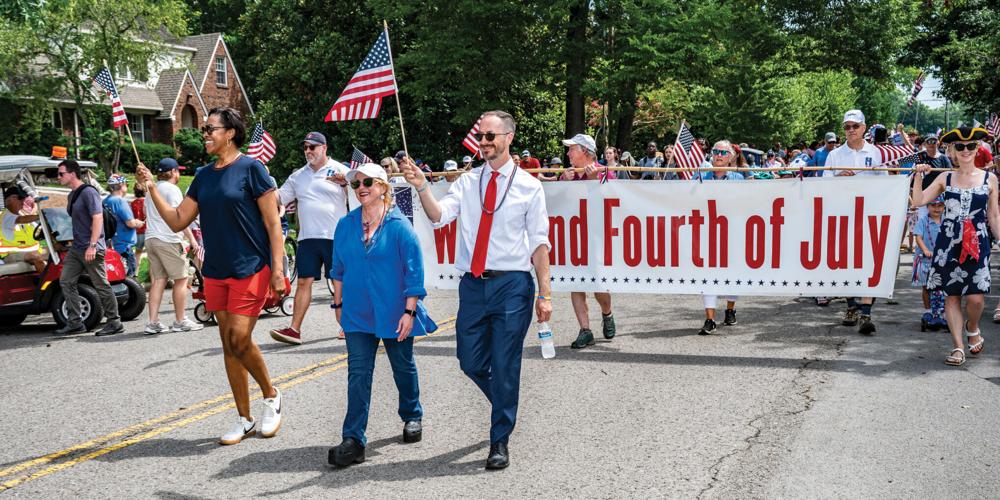
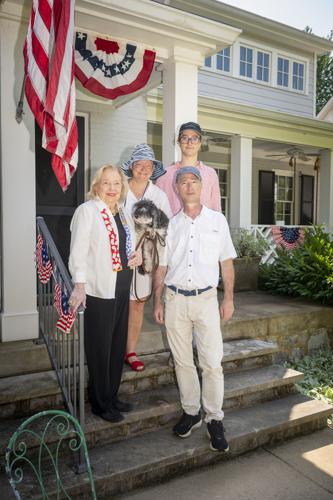
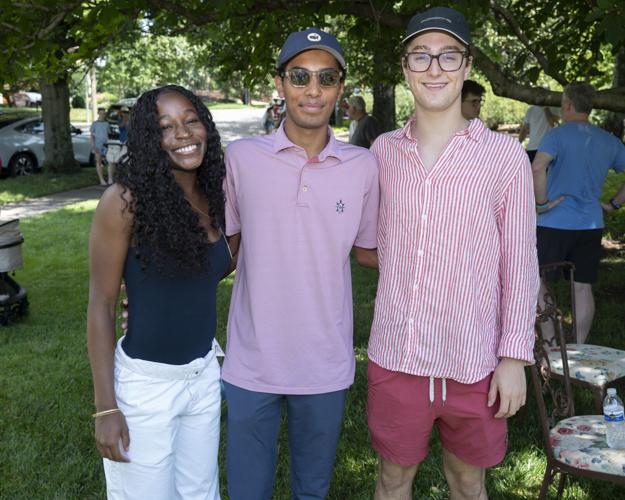
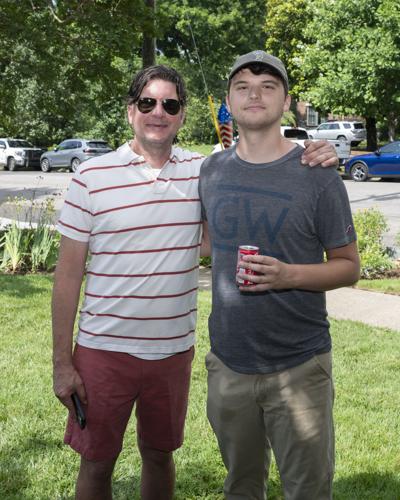
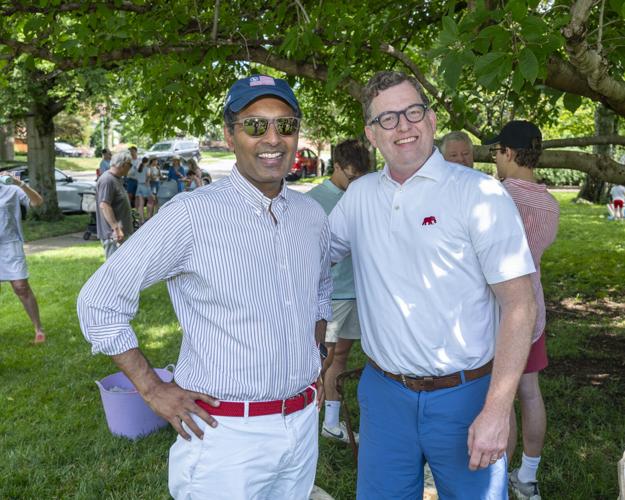
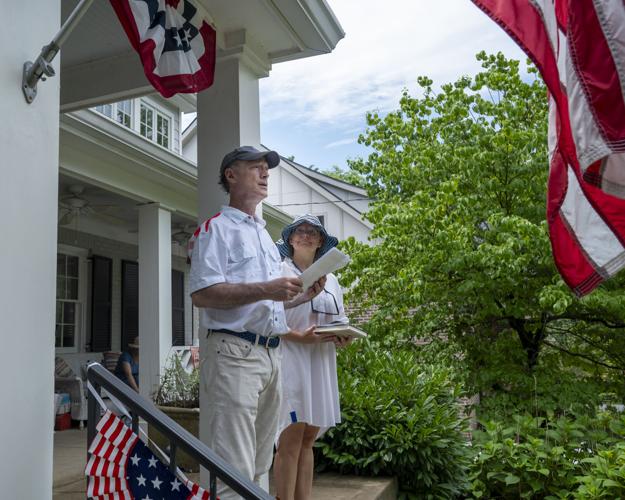
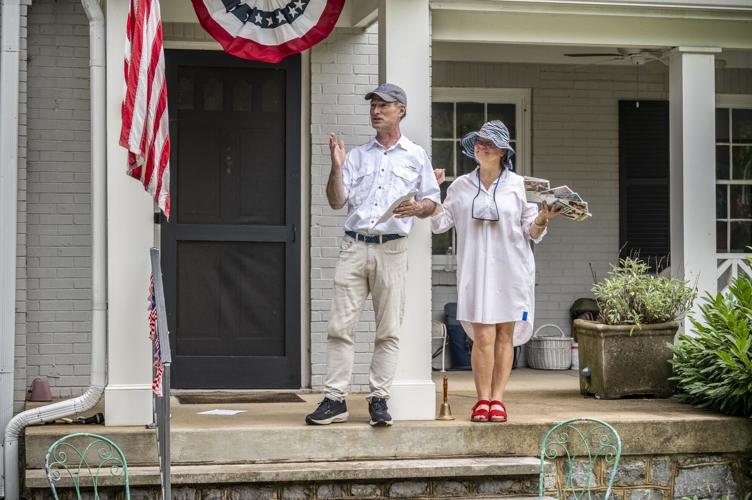
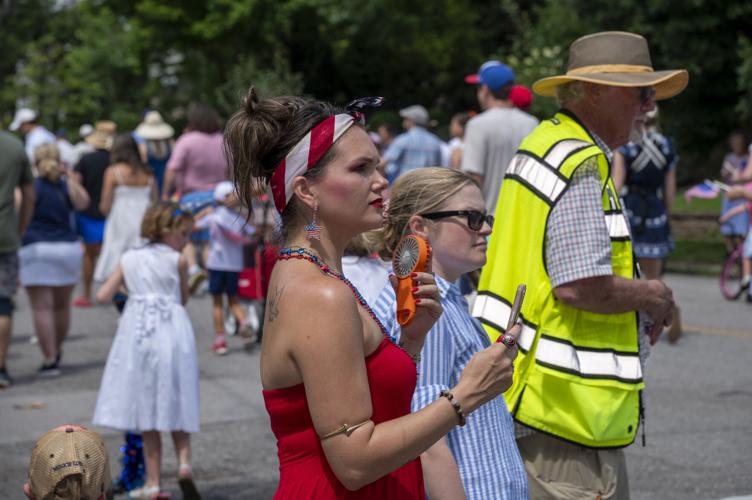
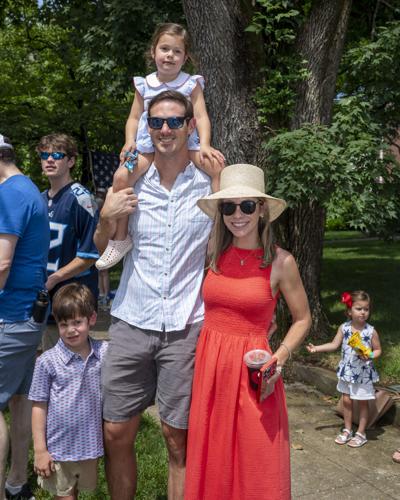
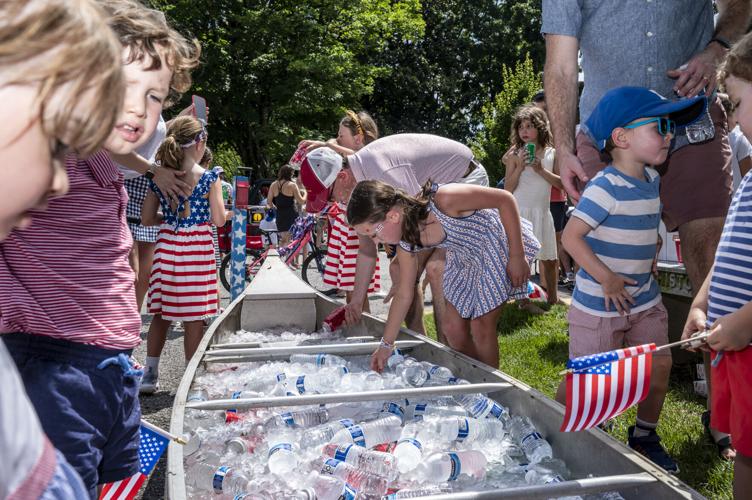
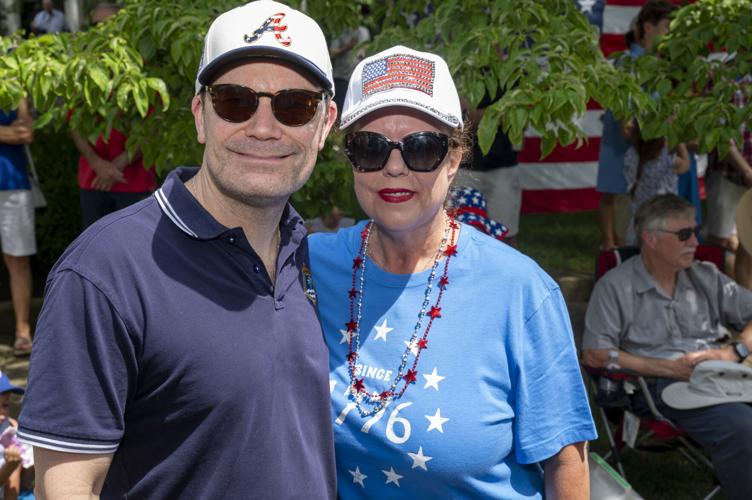
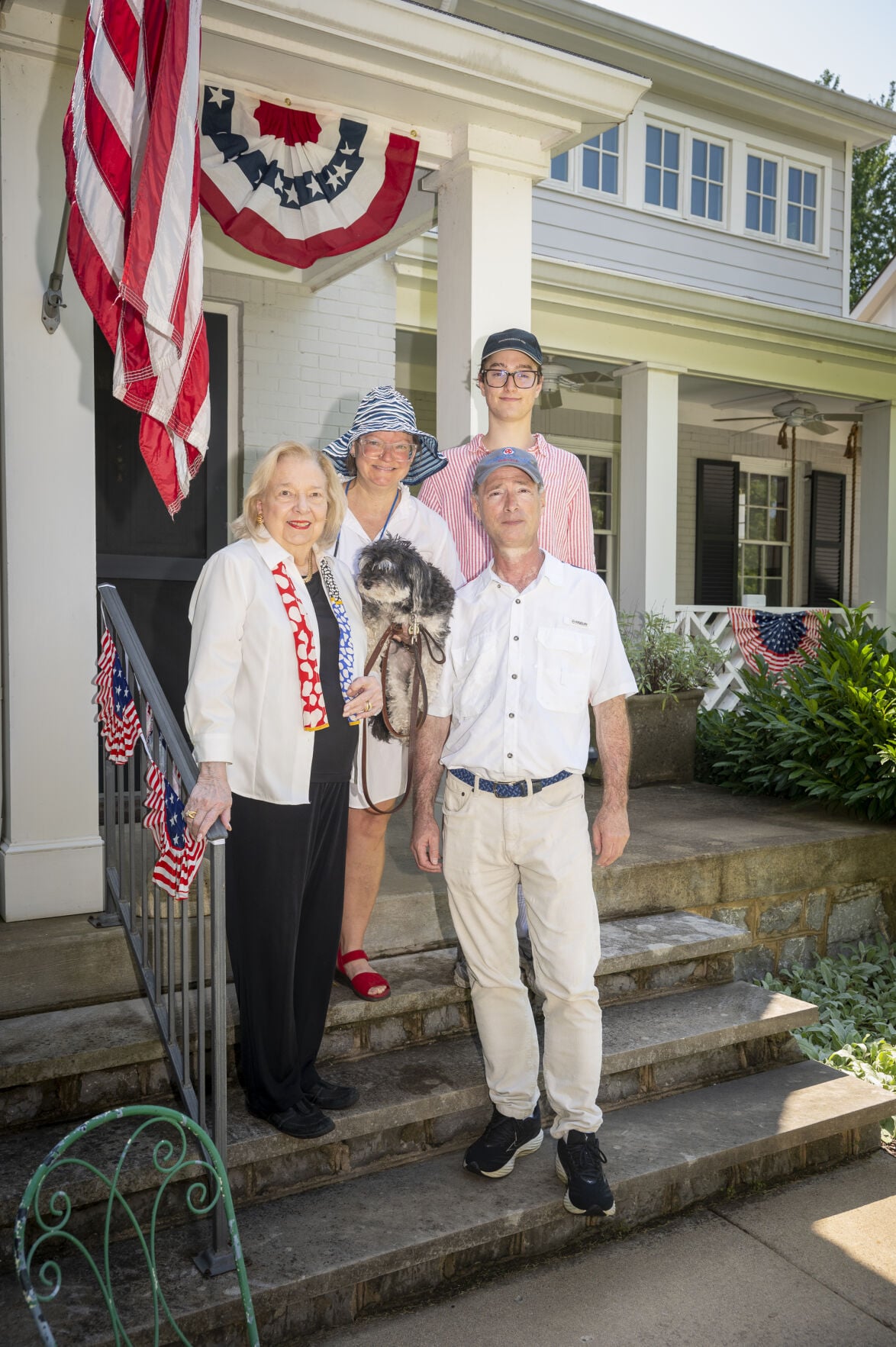
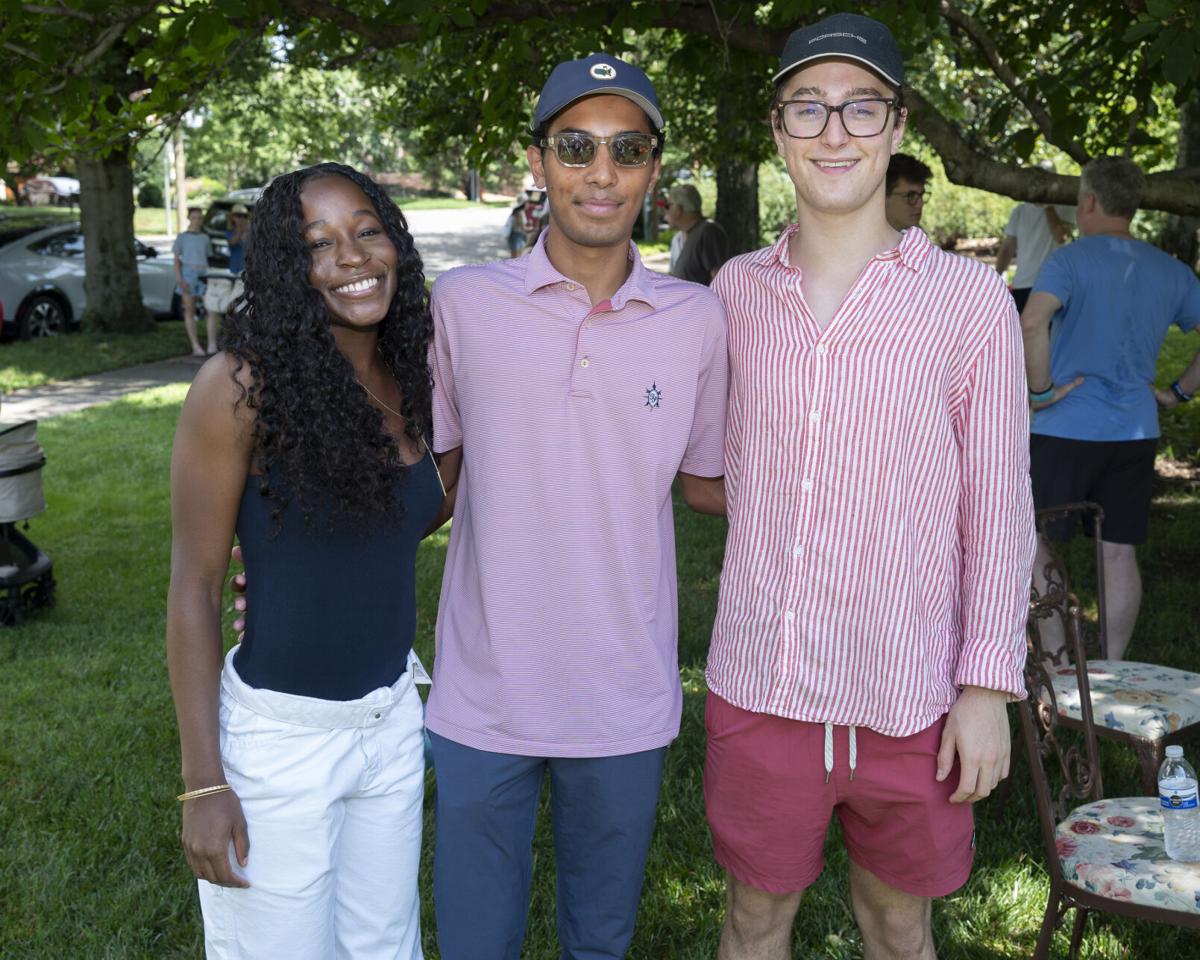
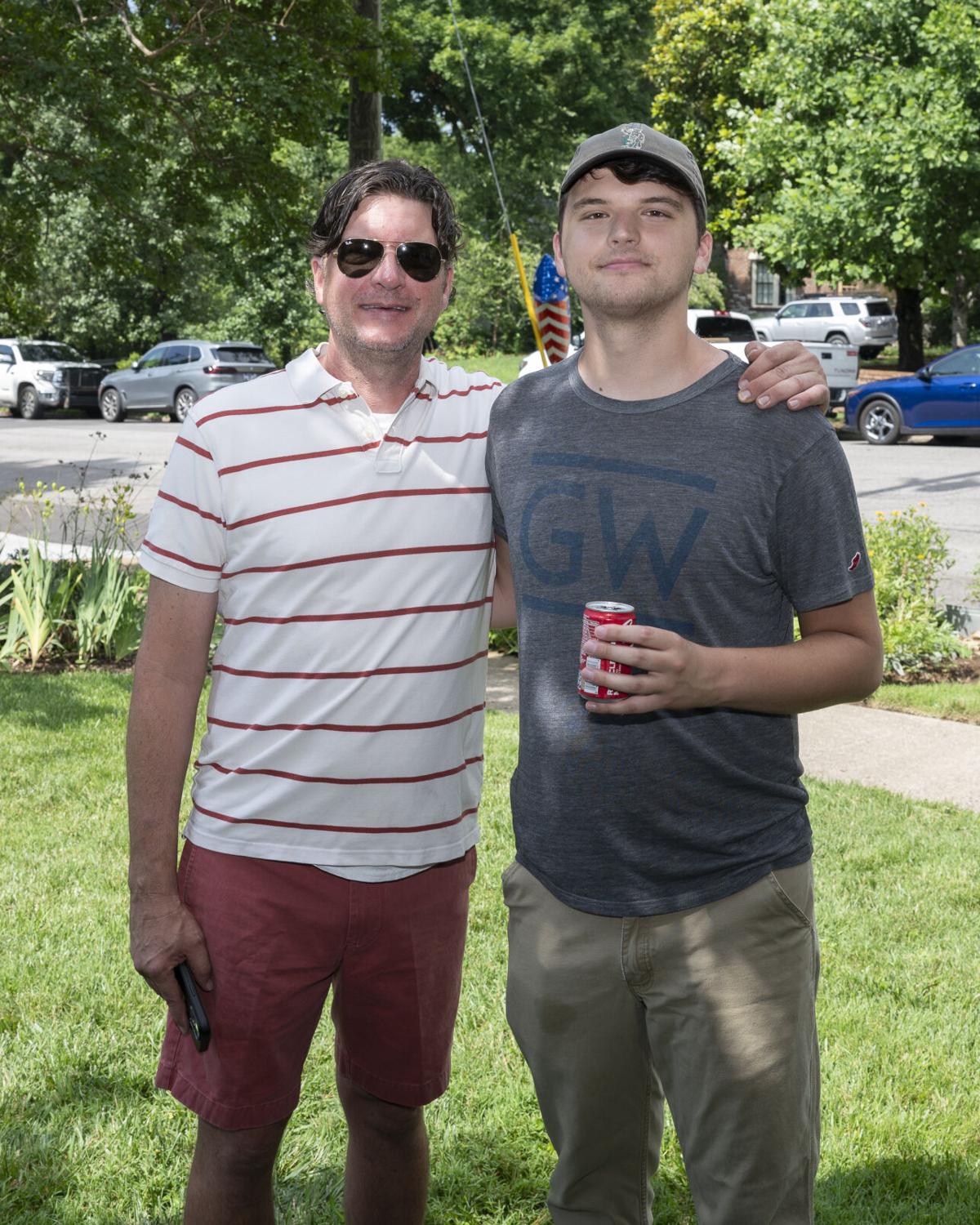
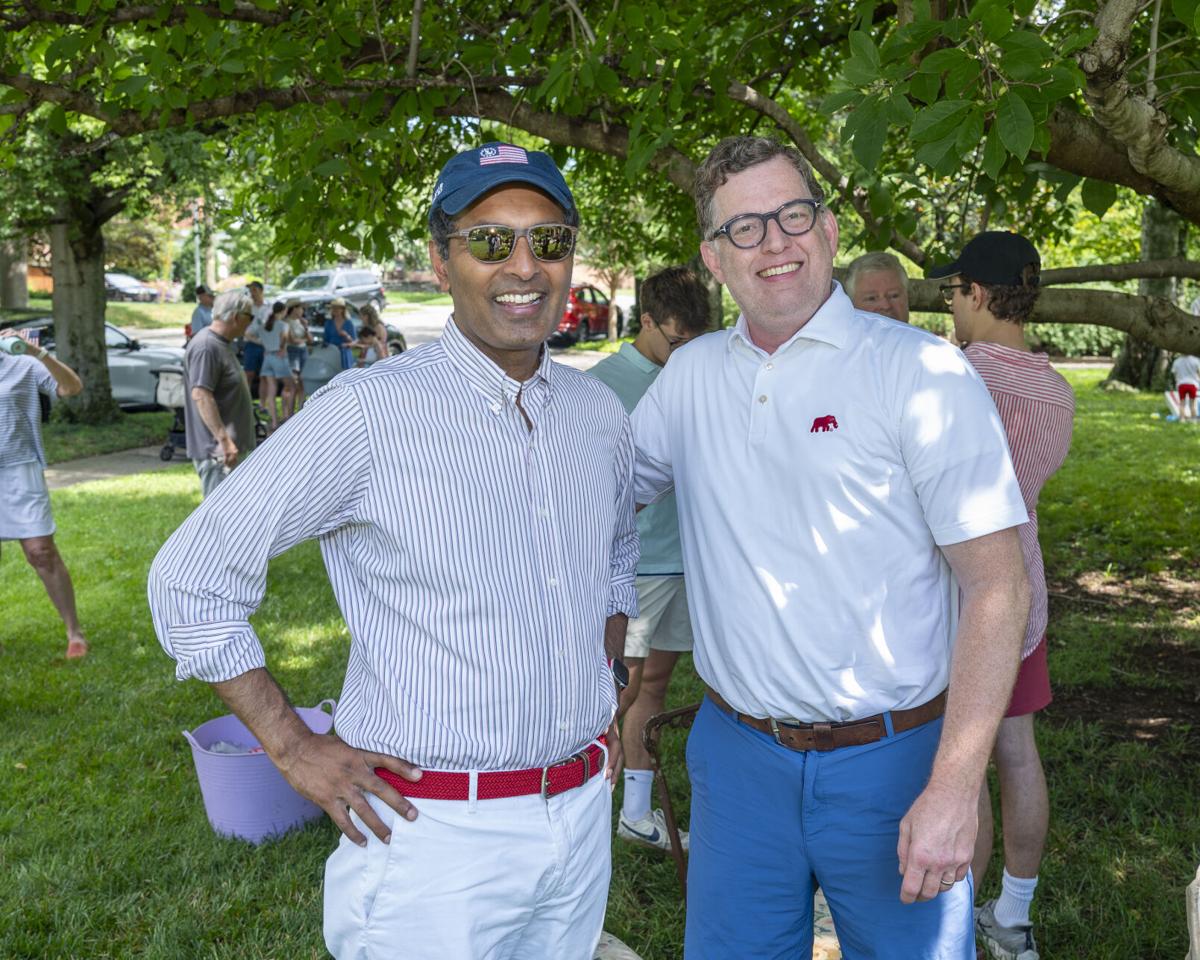
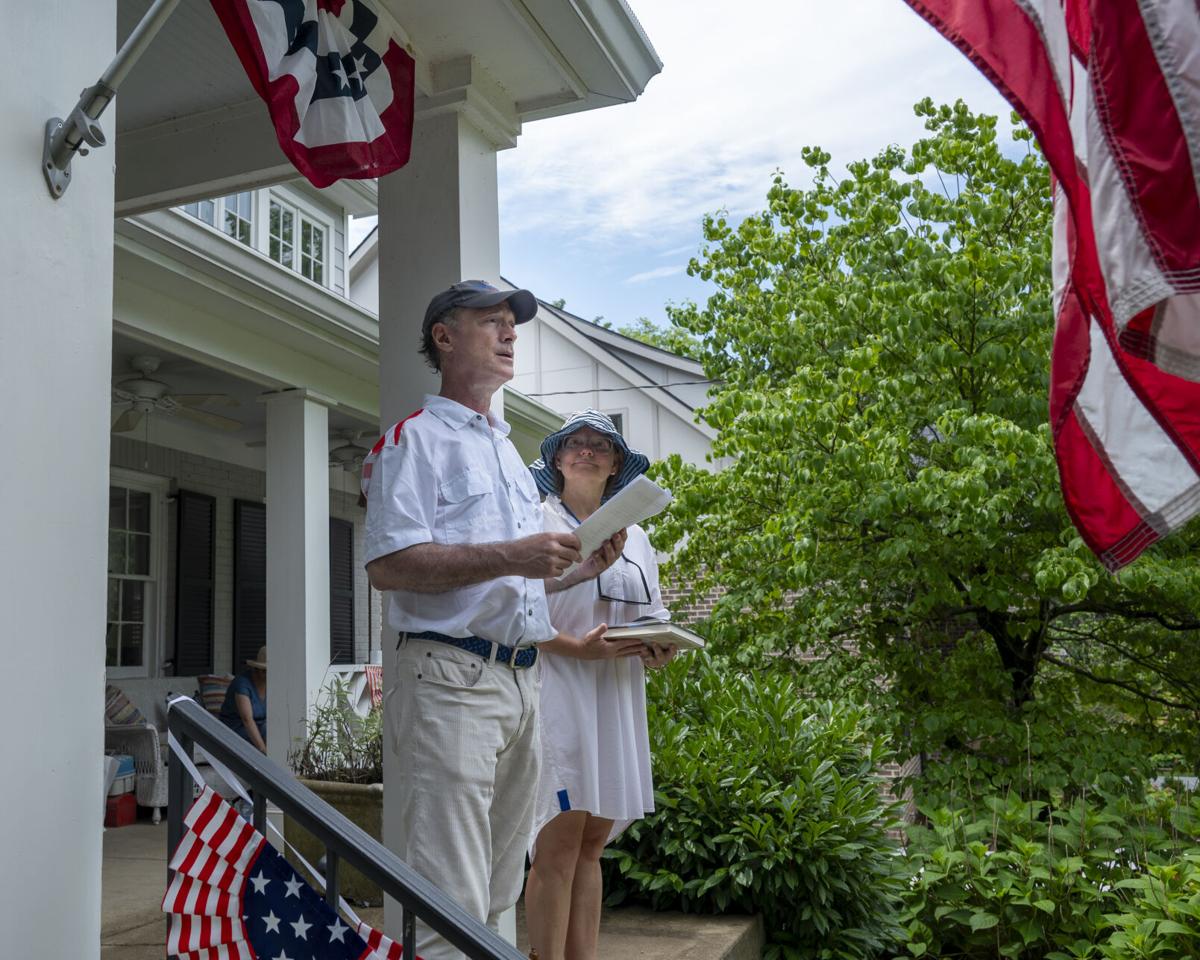
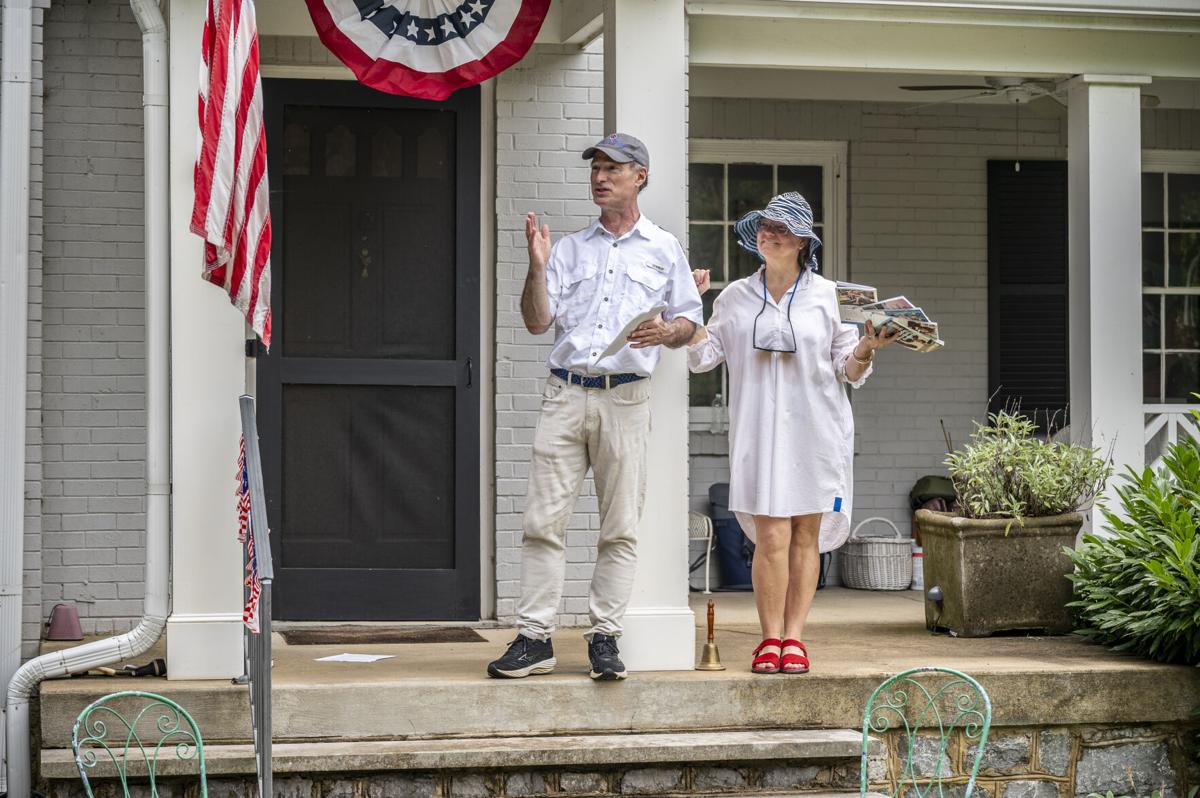
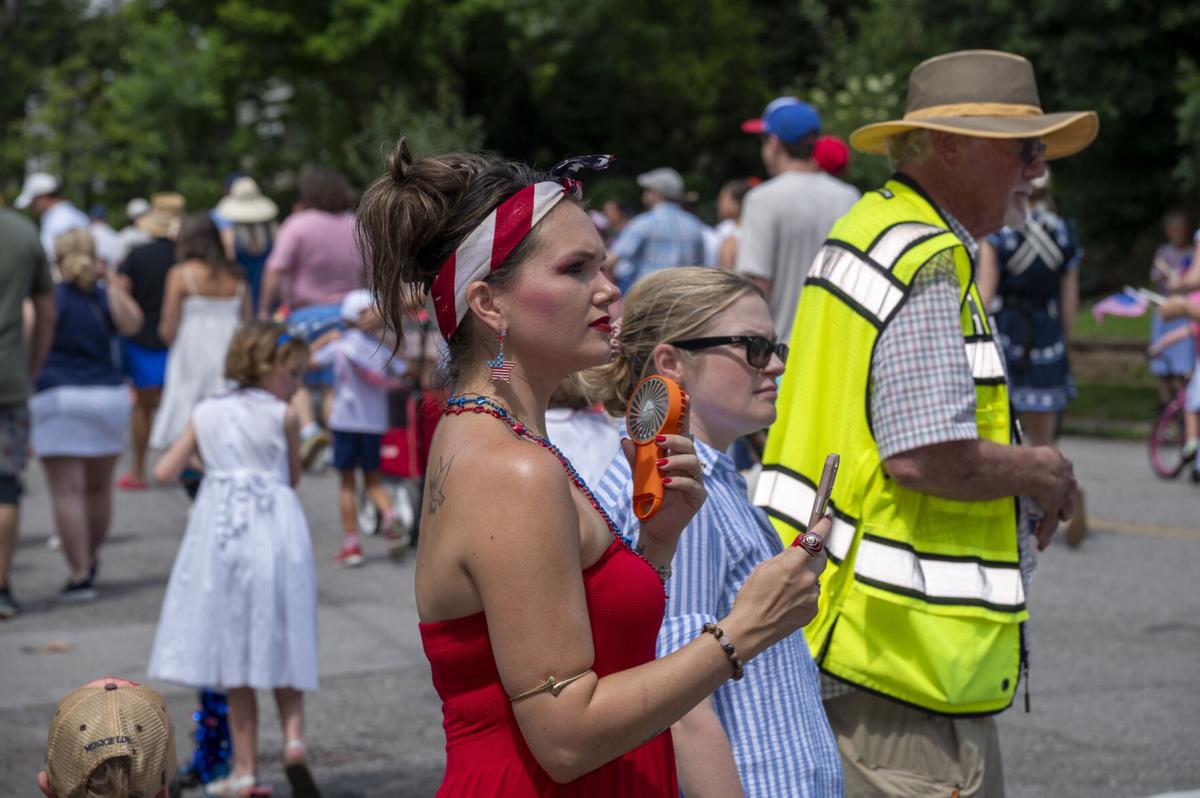
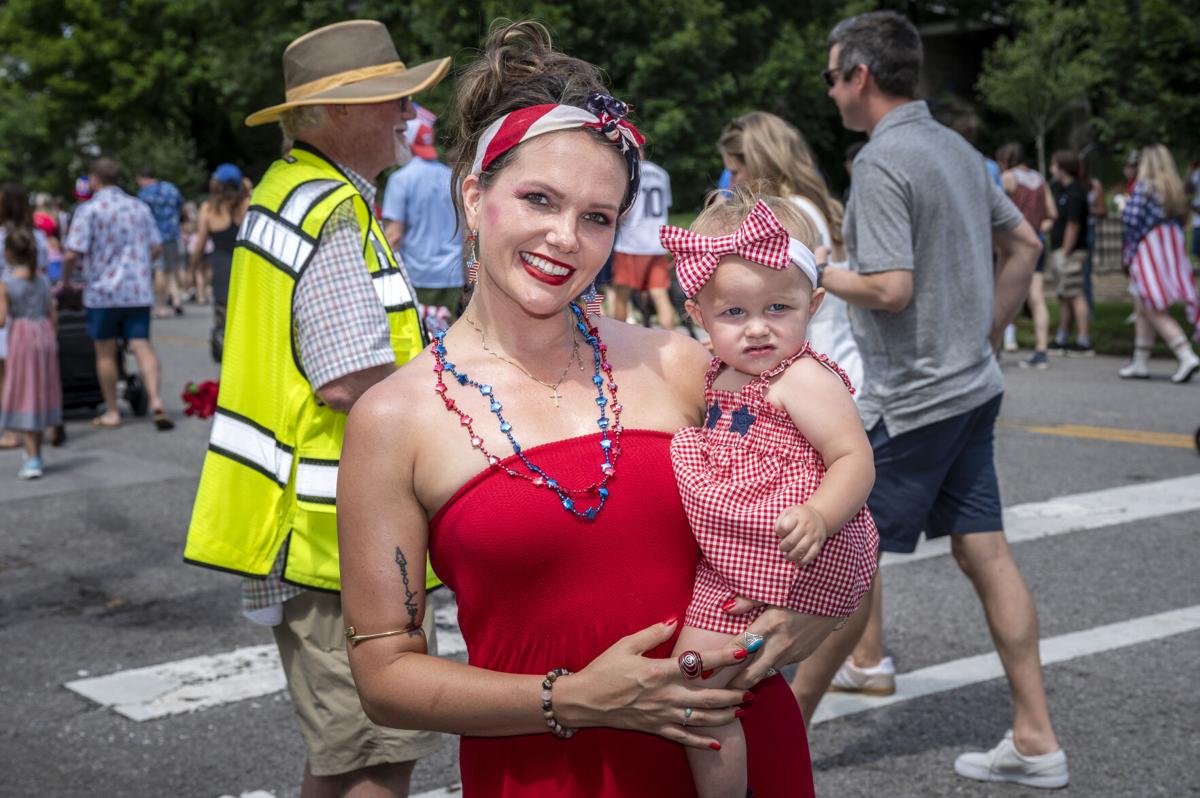
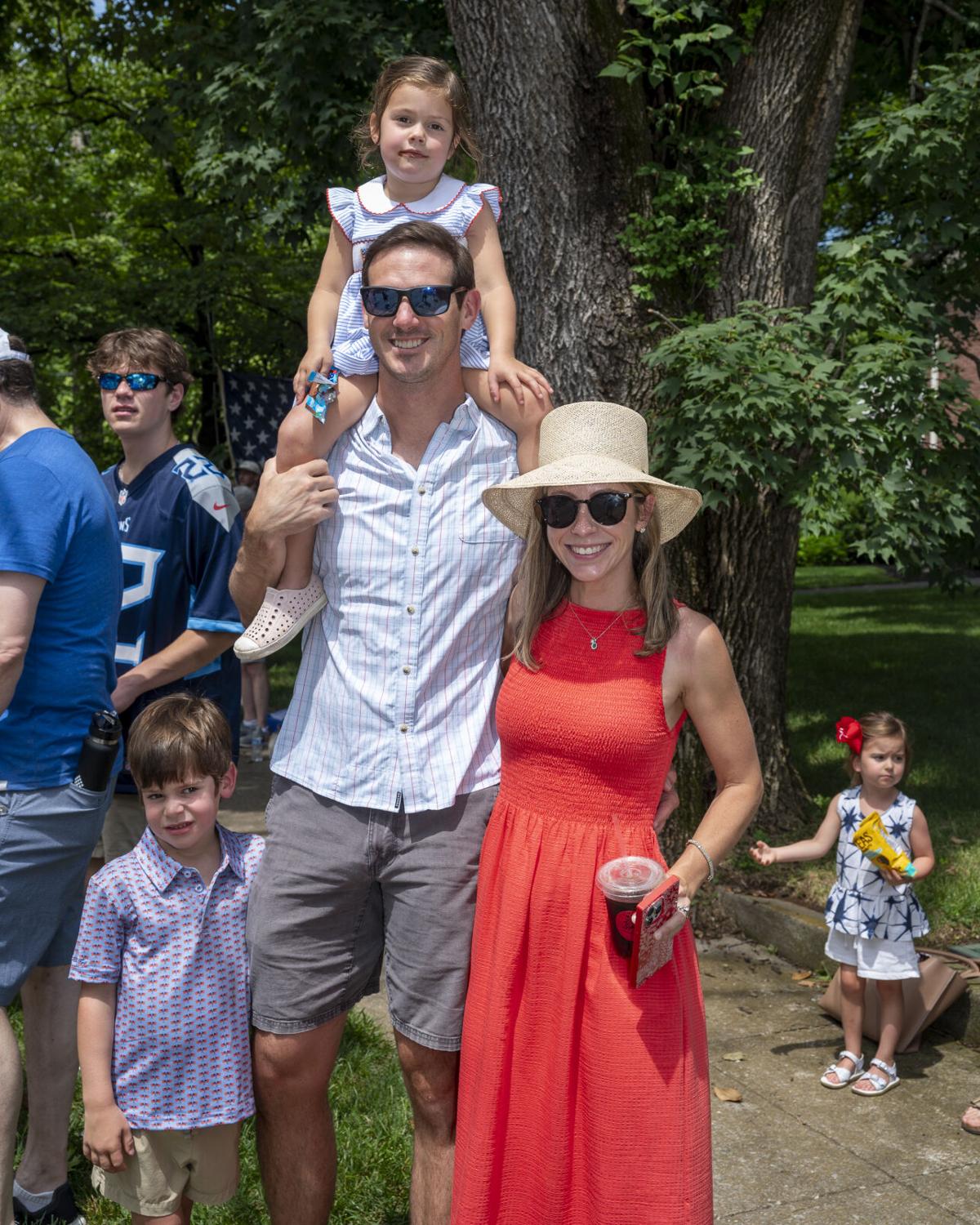
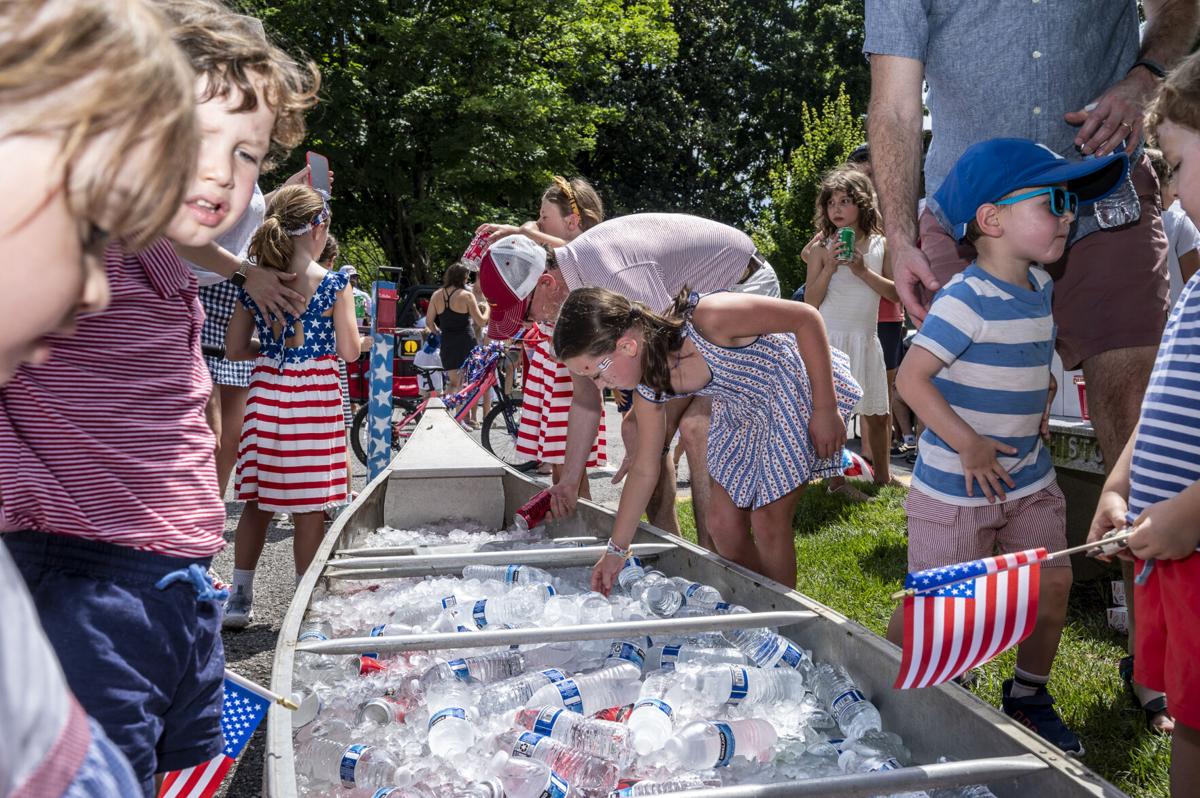
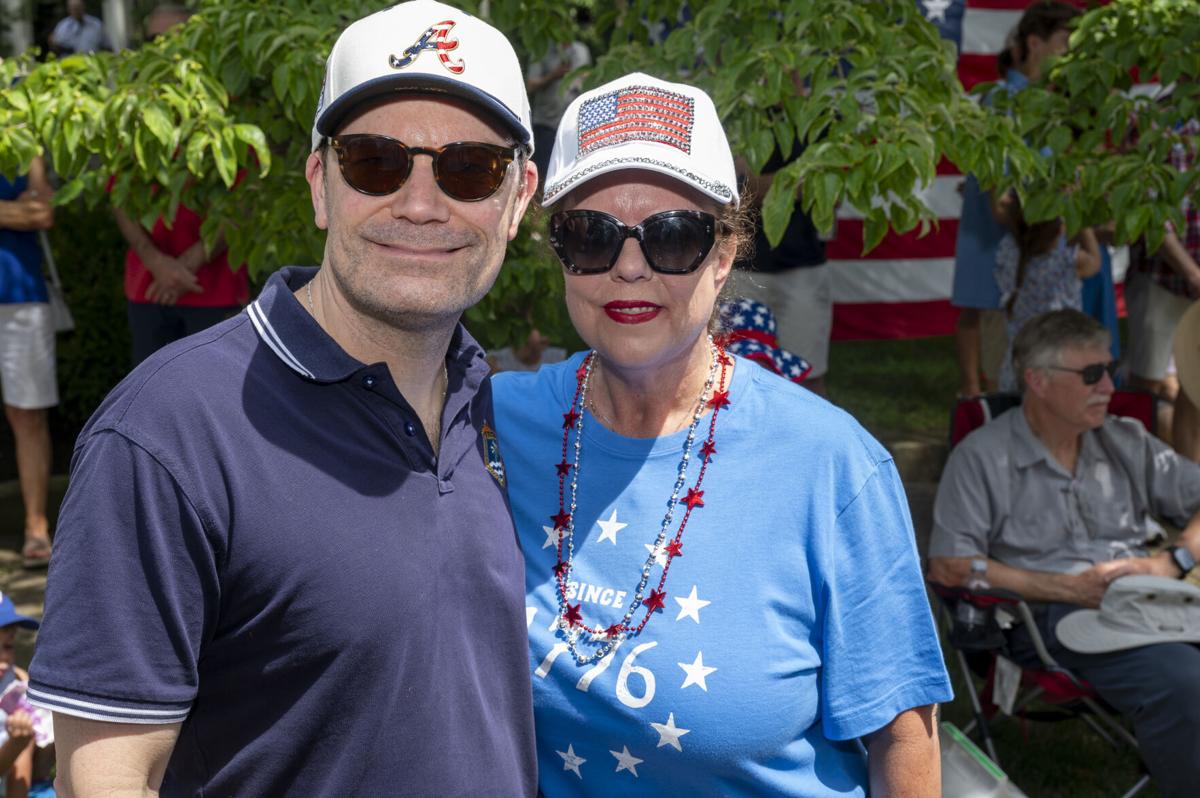
Nearly five decades later, as the sun climbed on America’s 250th birthday, residents gathered for front-yard parties and scoped out choice vantage points along the parade route. Carrington and David Fox began their annual Constitutional trivia game promptly, giving revelers plenty of time to make their way to the celebratory parade. For months, neighbors had stocked up on bottled water, sodas, popsicles and hot dogs in preparation for the cherished — and often scorchingly hot — tradition.
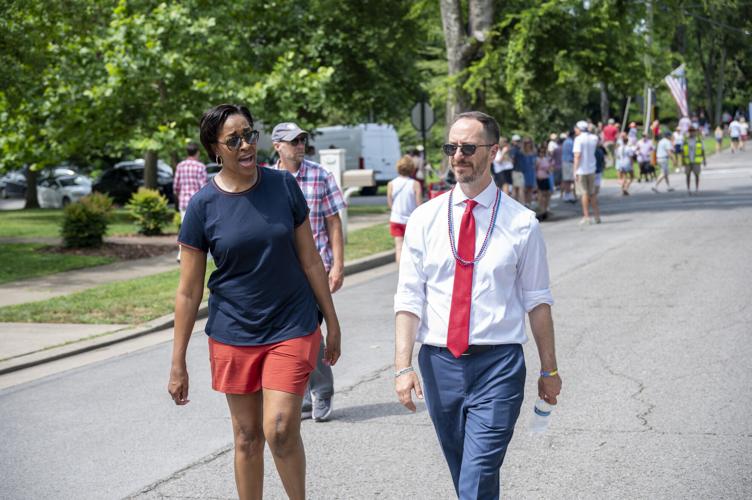
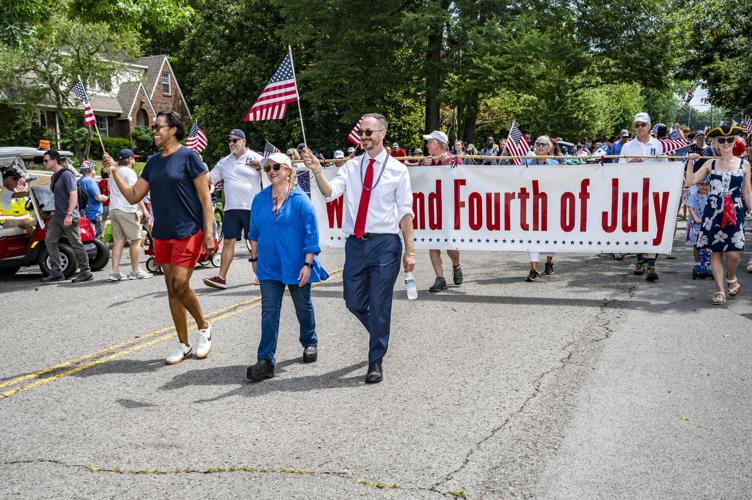
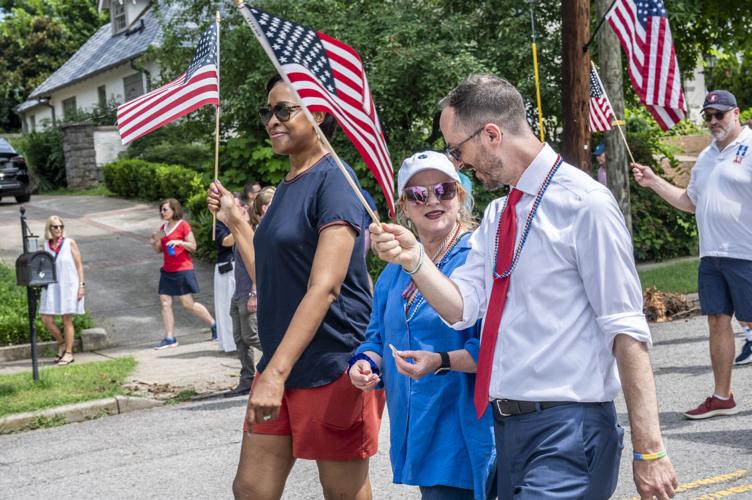
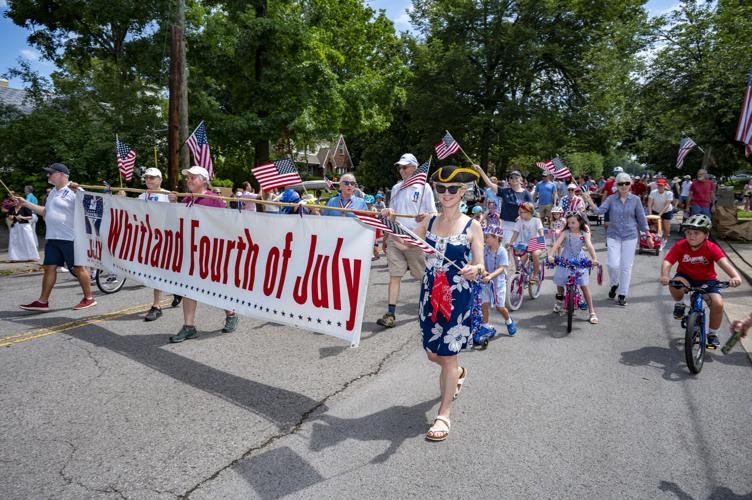
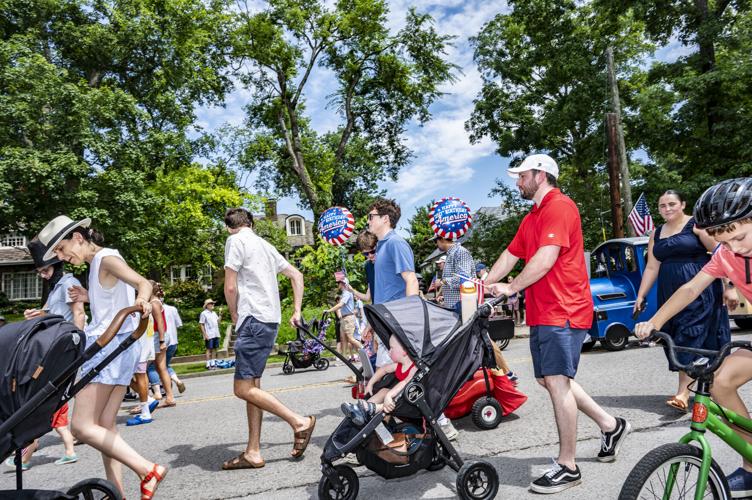
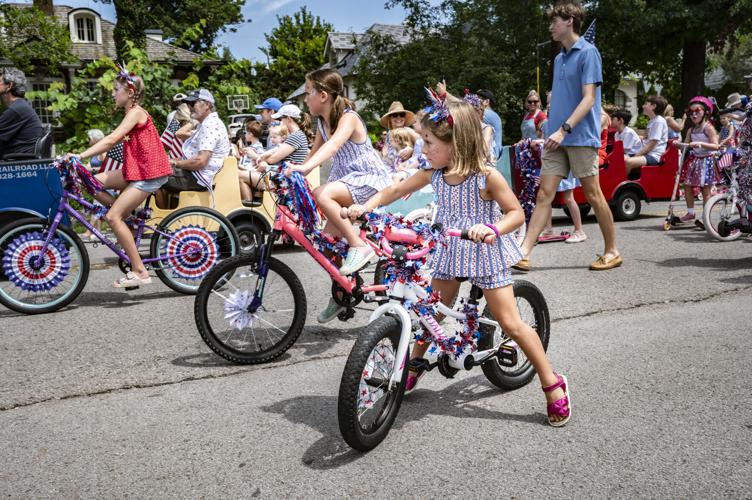
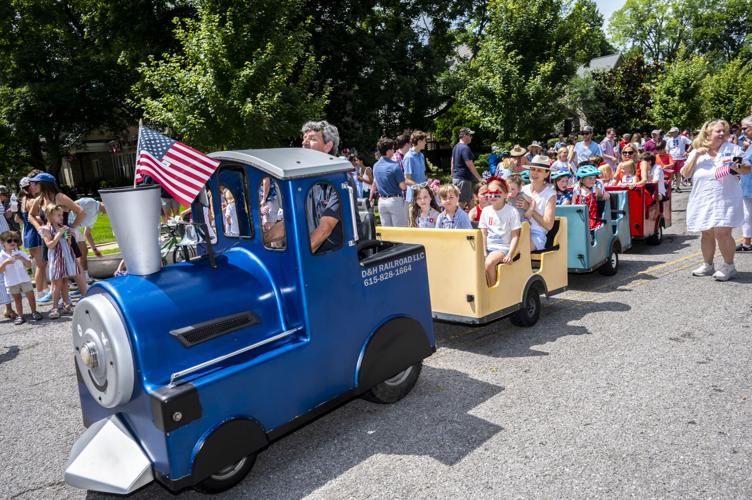
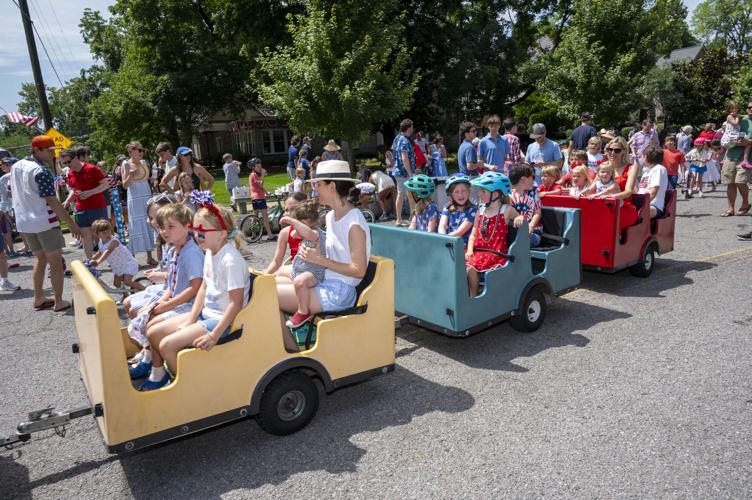
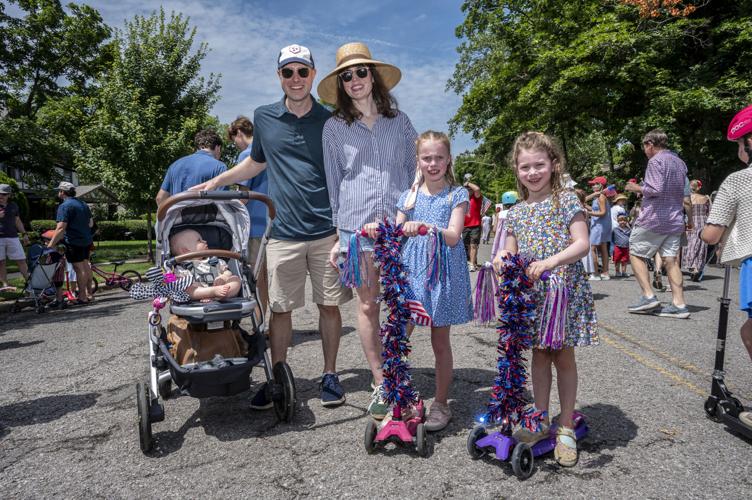
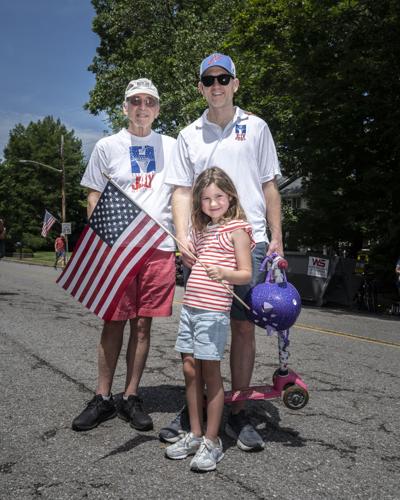
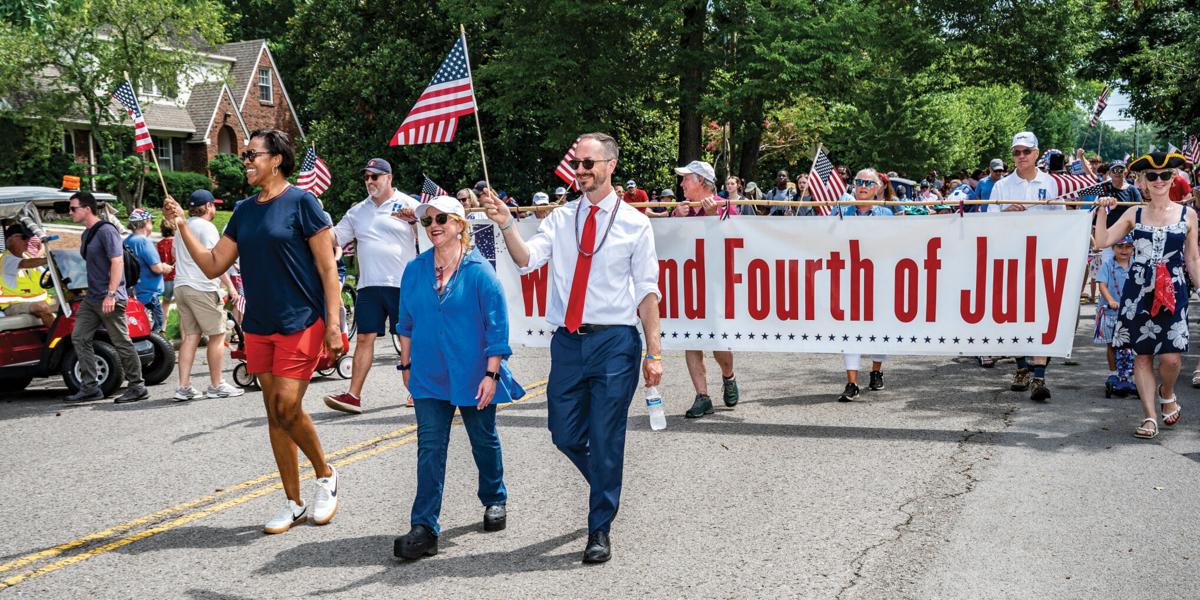
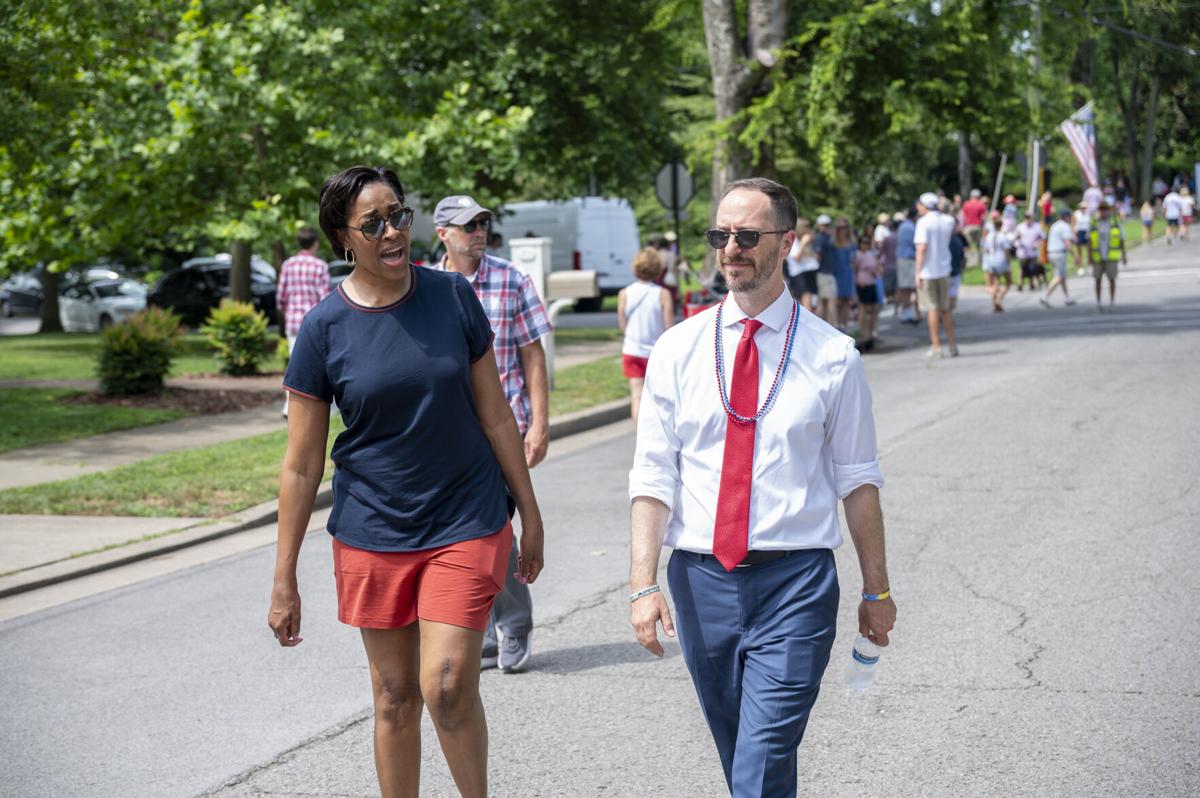
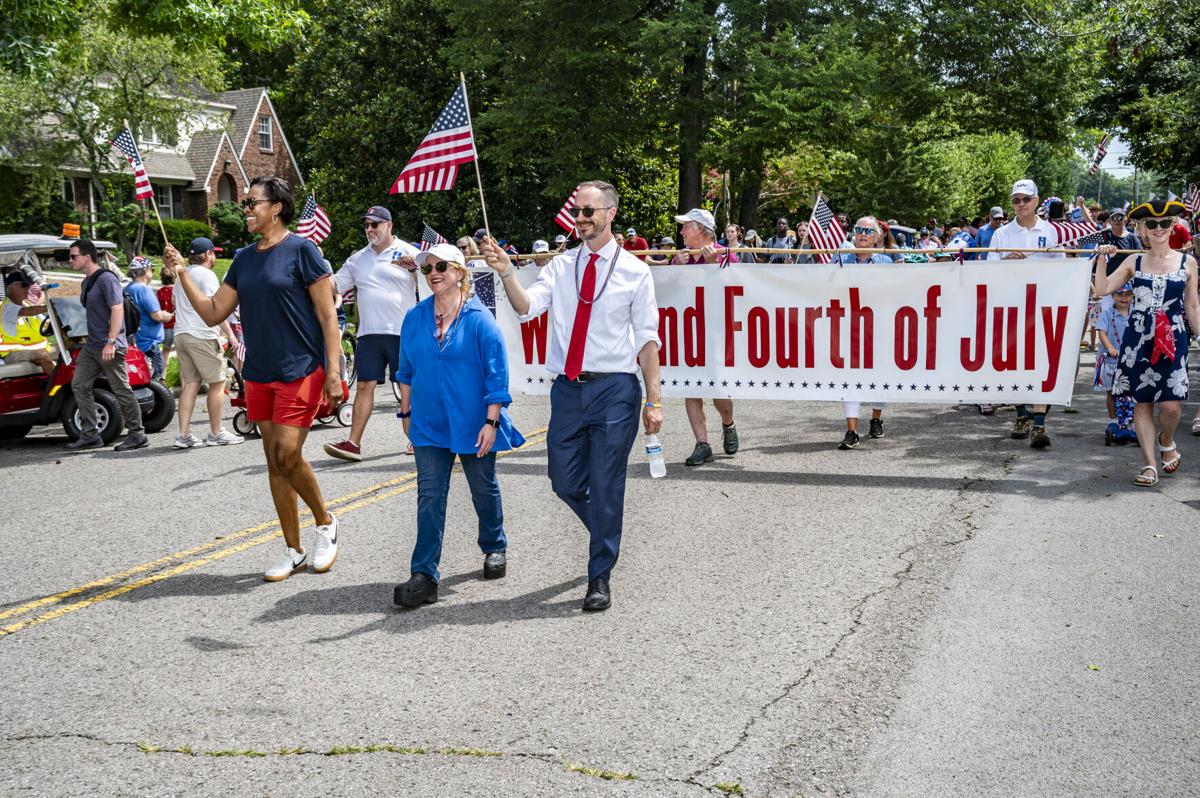
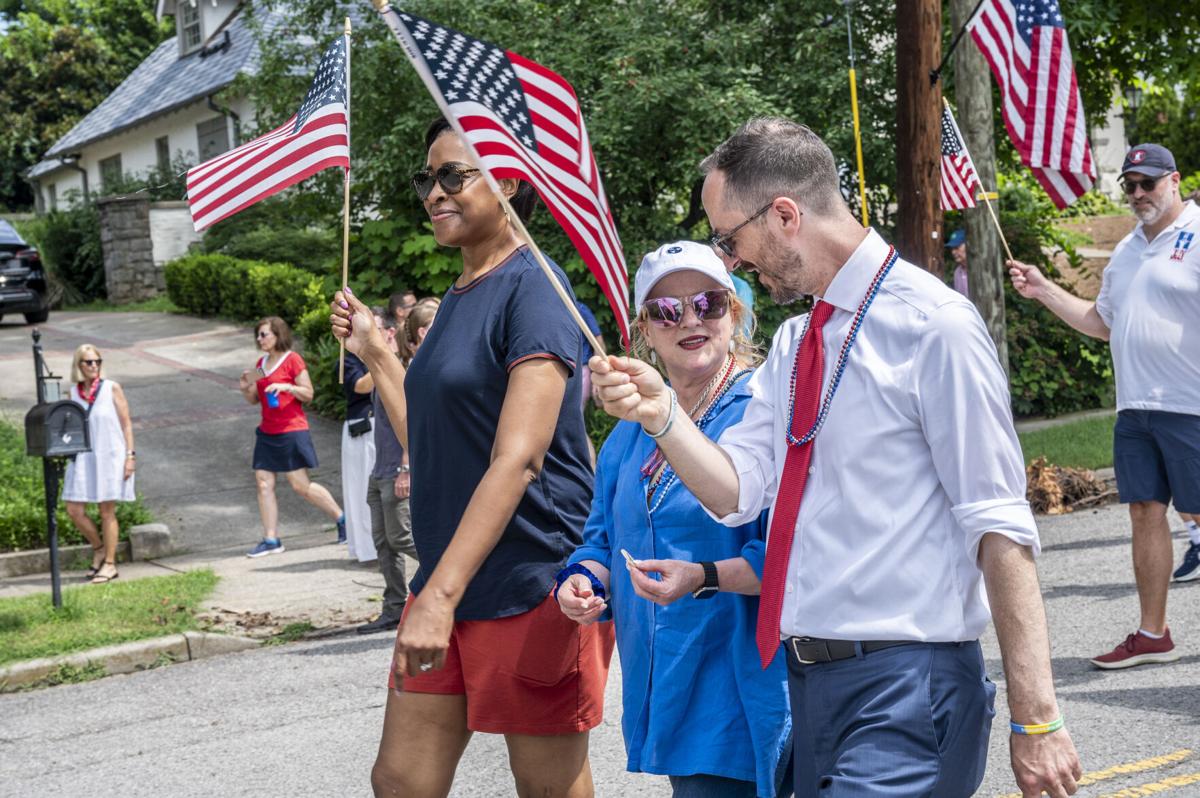
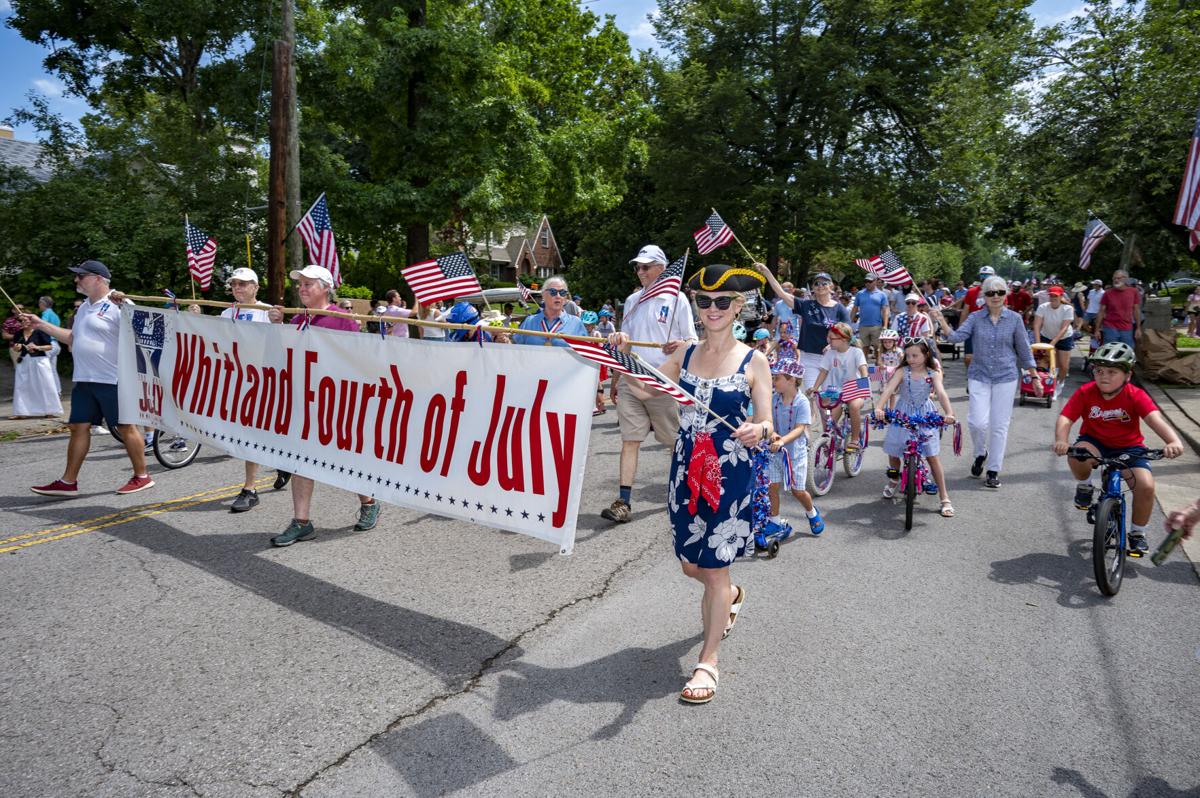
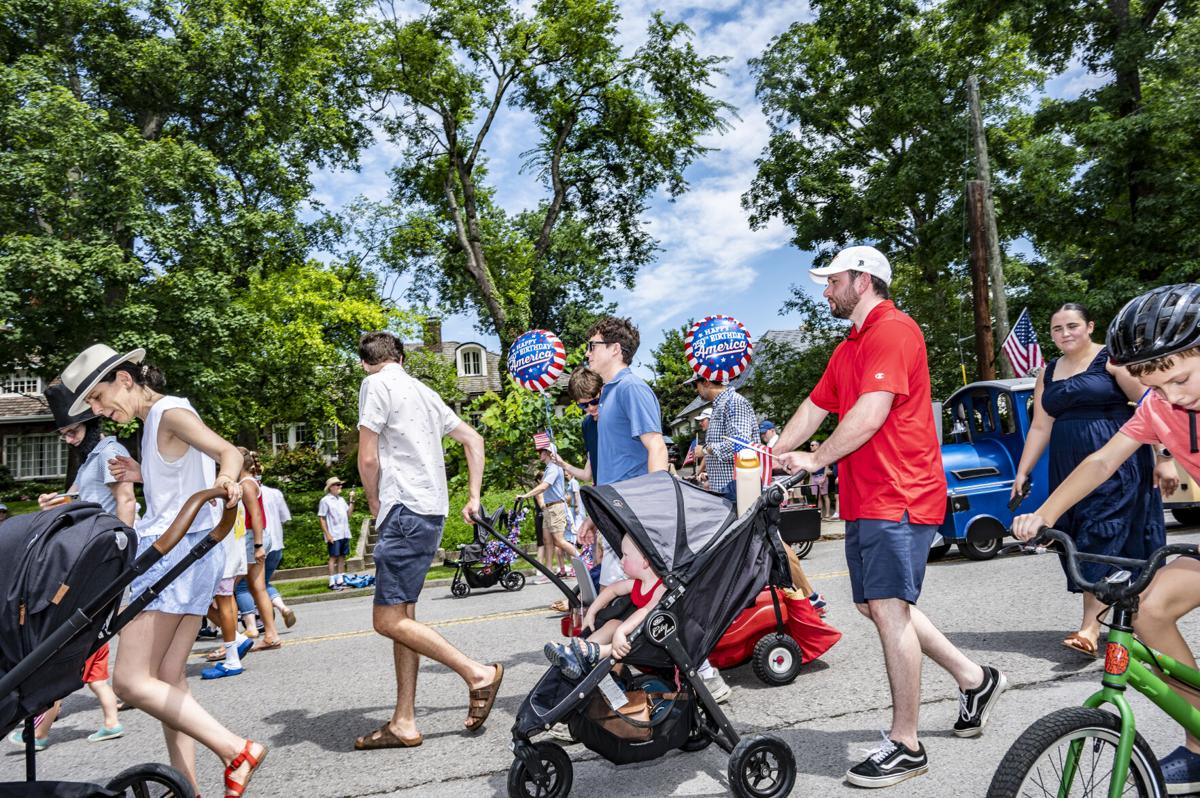
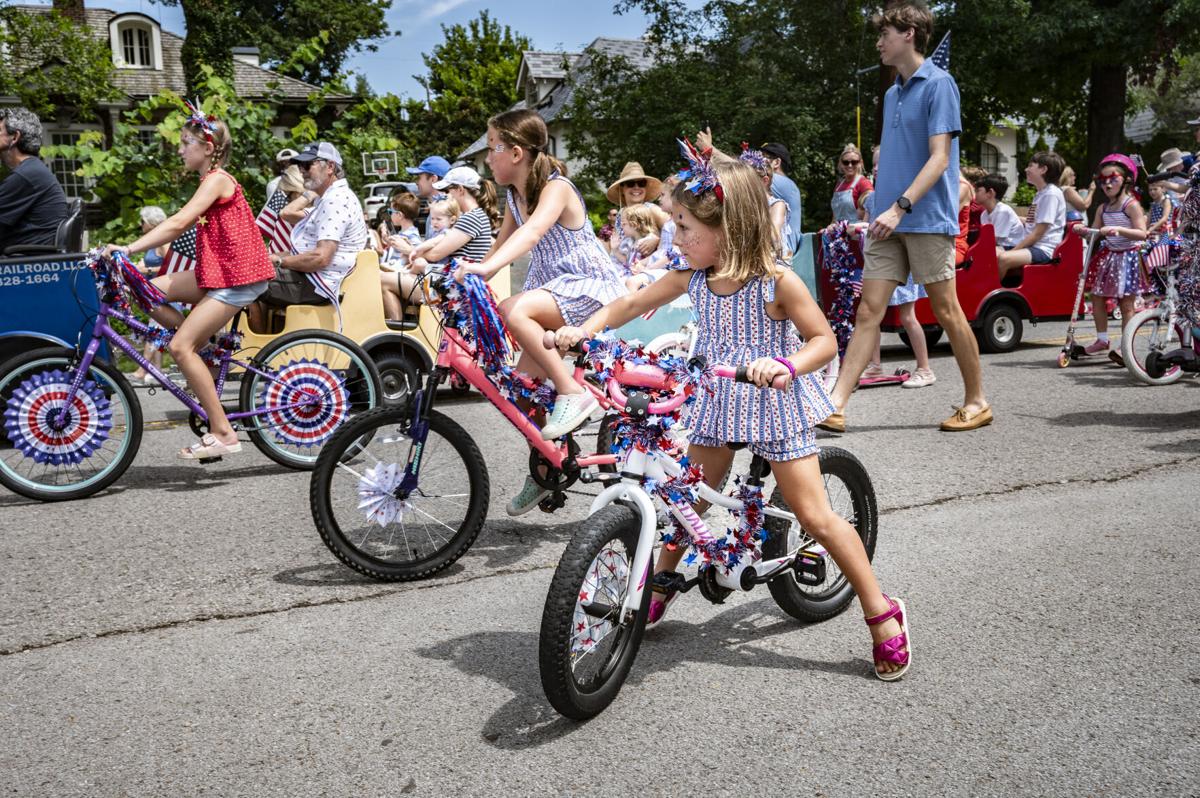
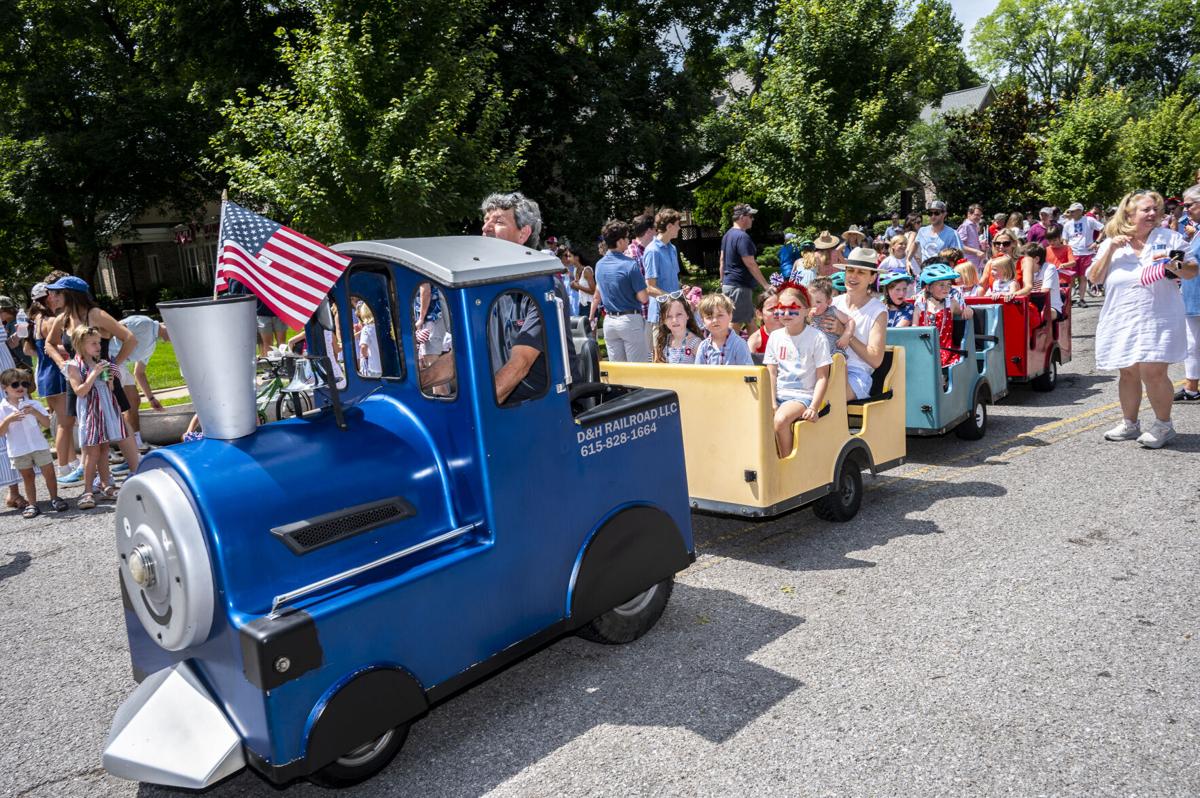
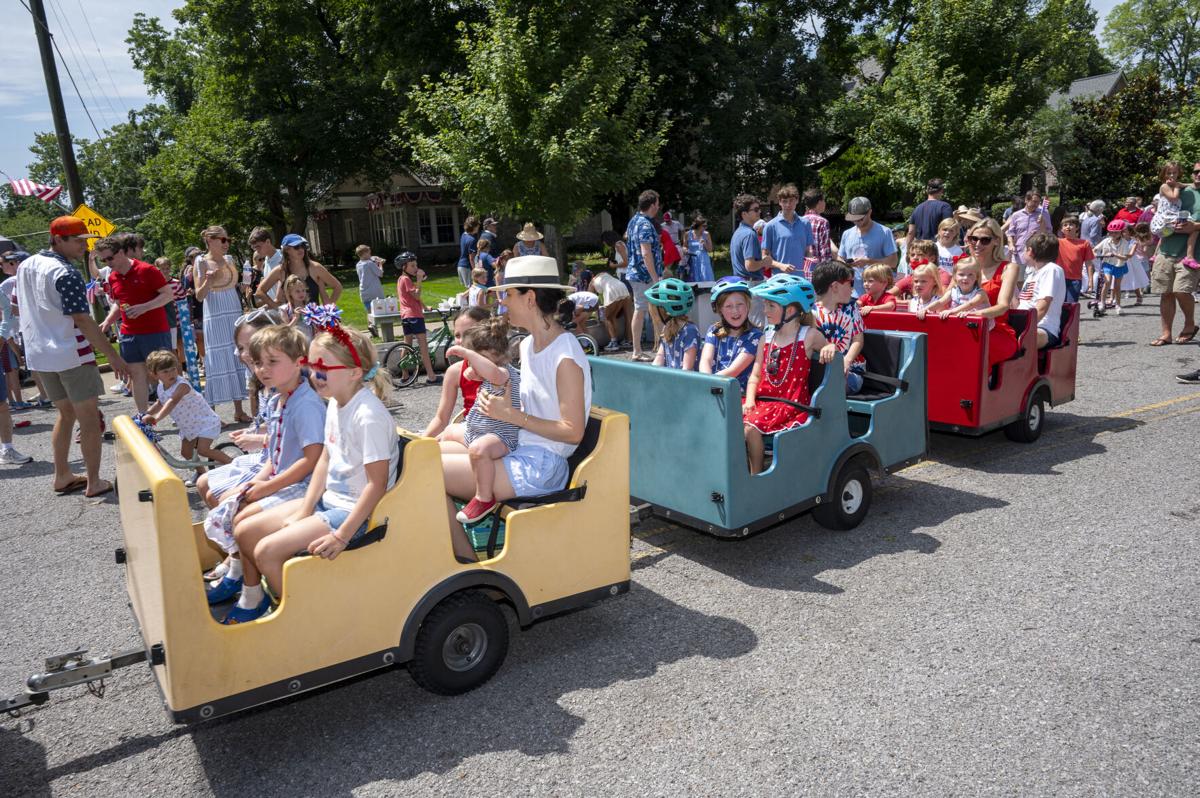
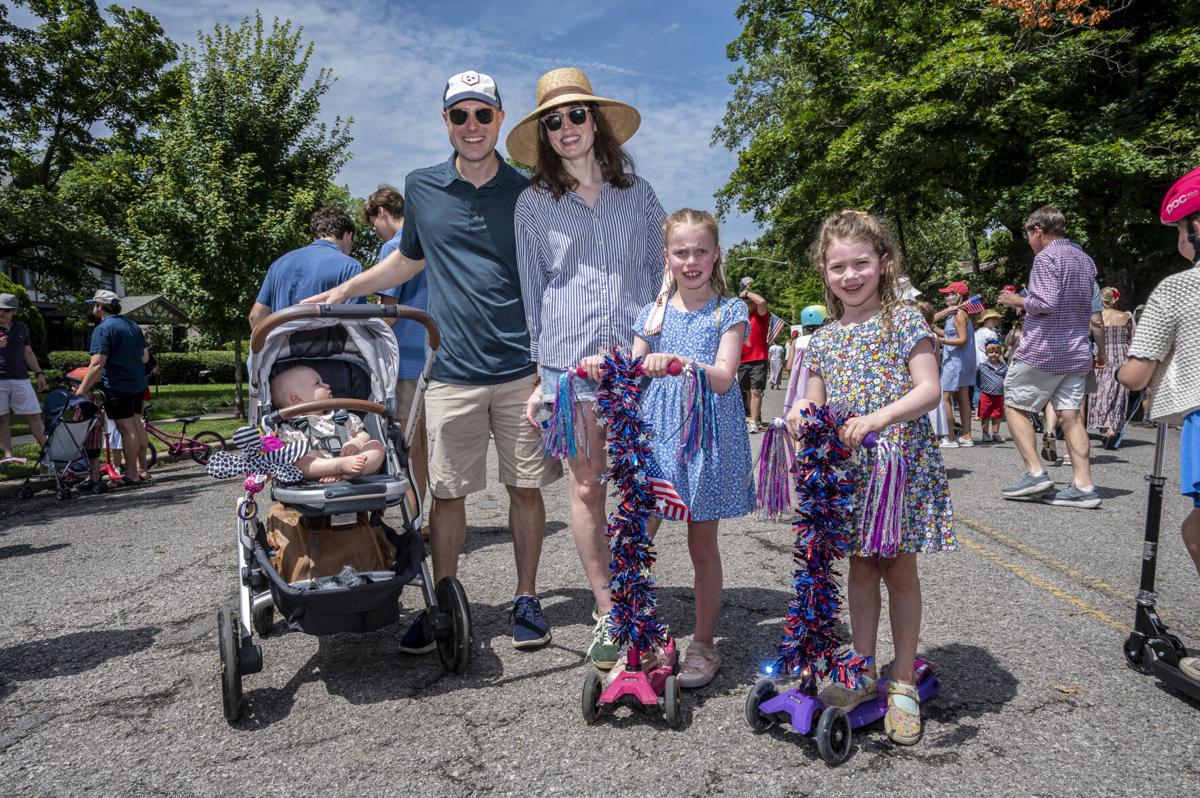
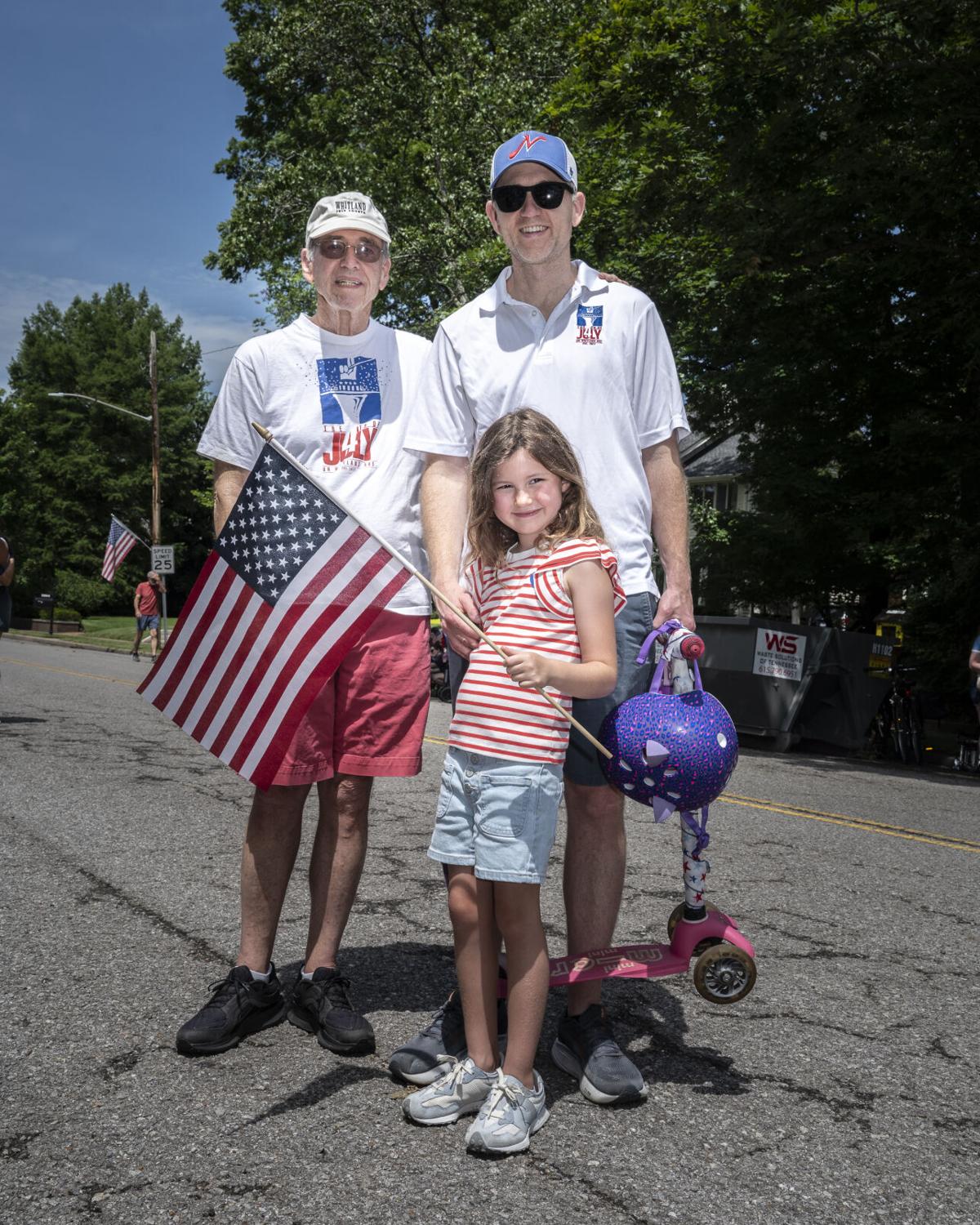
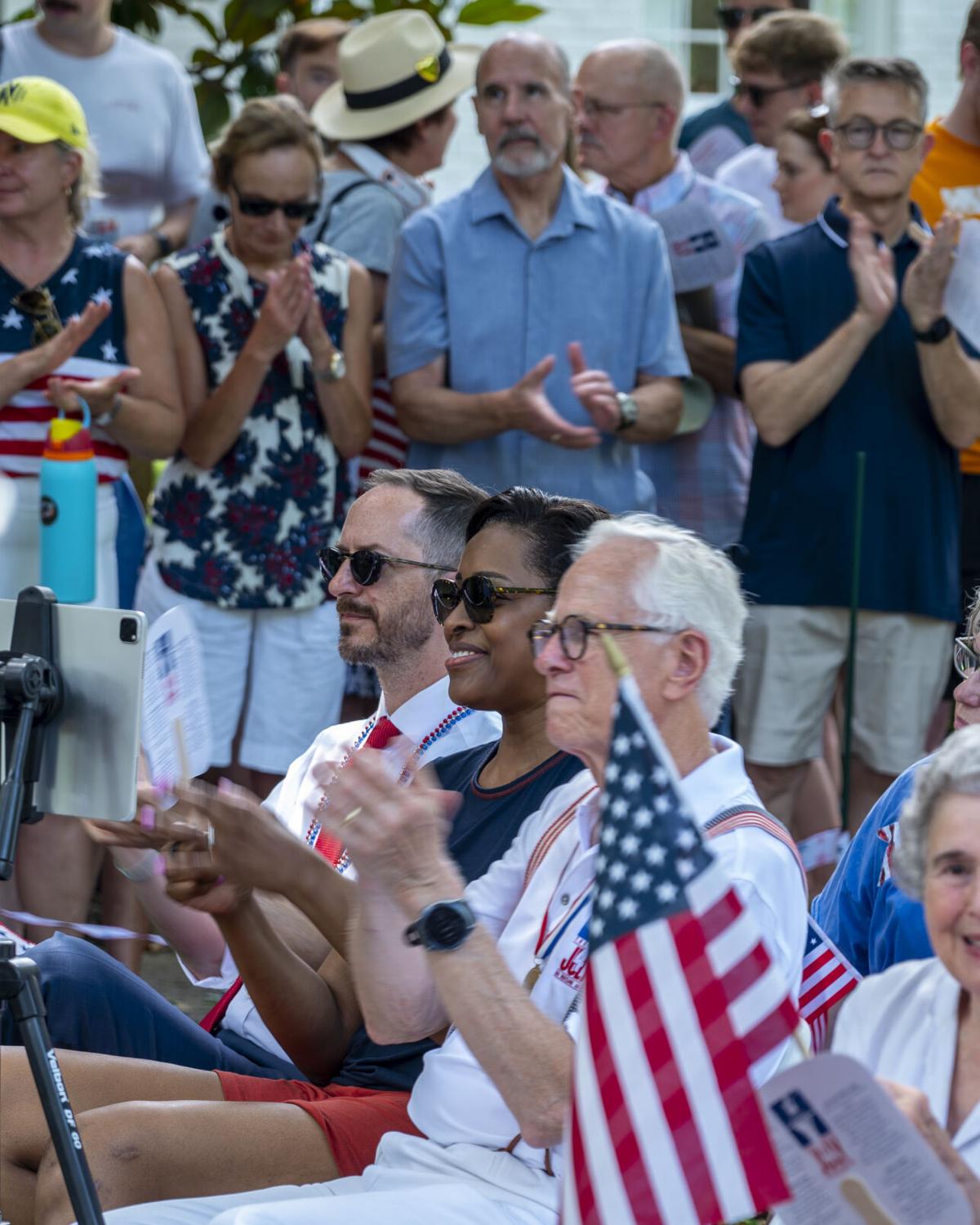
Adults pulled wagons carrying the youngest participants, while guiding older children on bicycles and scooters to the staging area. Grand marshals Steve and Helen Curnutte led the procession alongside Mayor Freddie O’Connell, as toddlers and young children followed behind the Whitland Fourth of July banner.
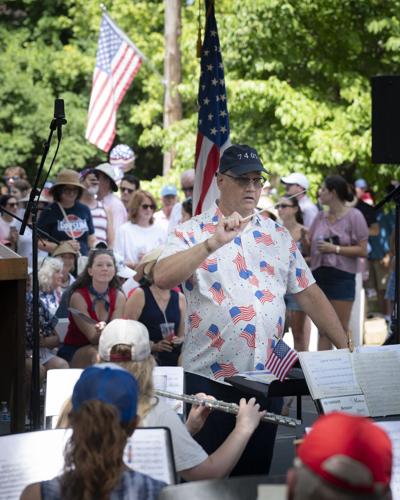
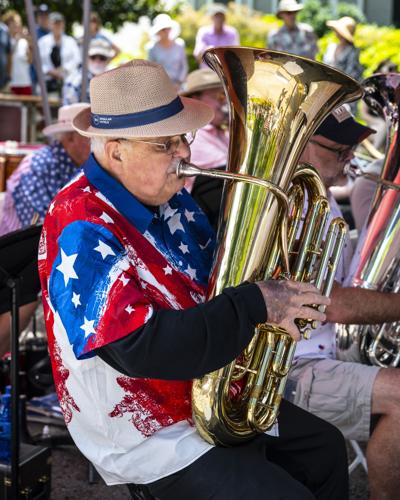
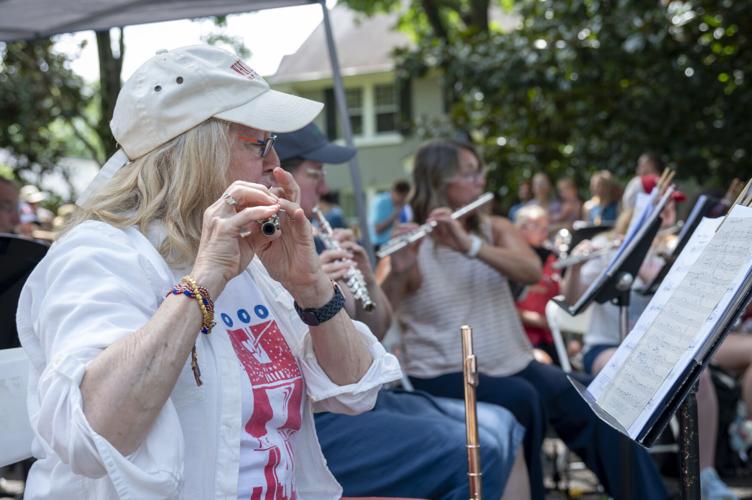
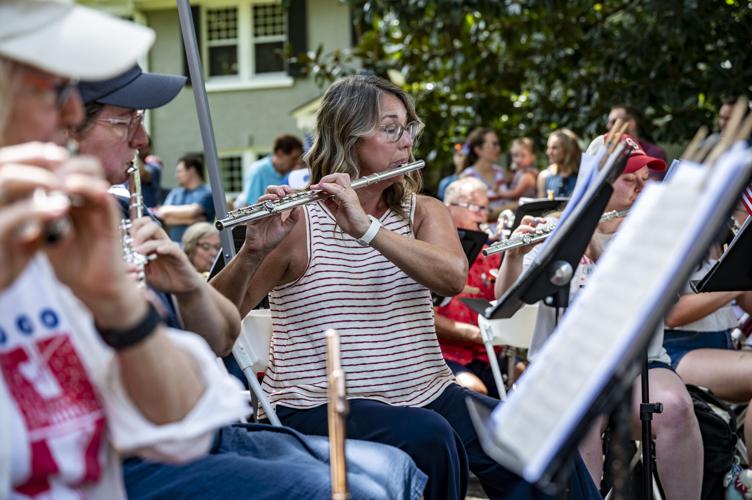
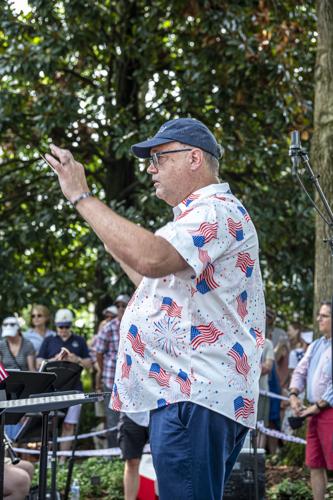
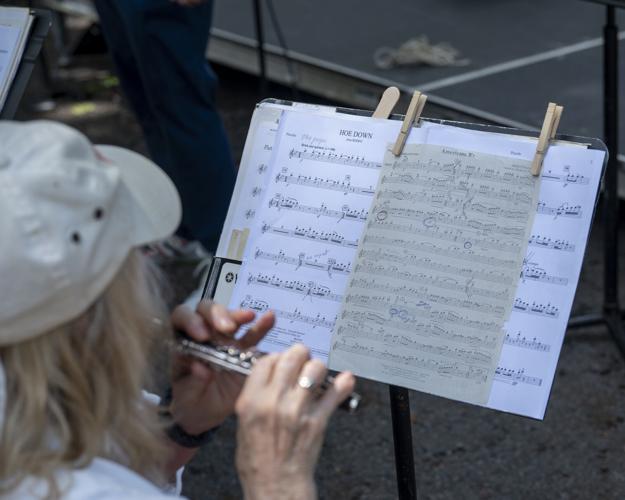
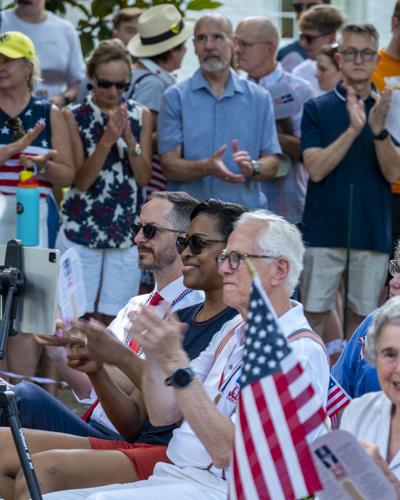
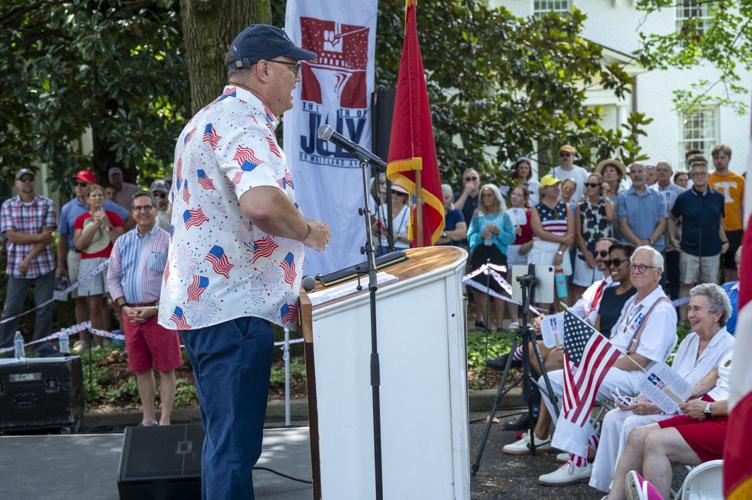
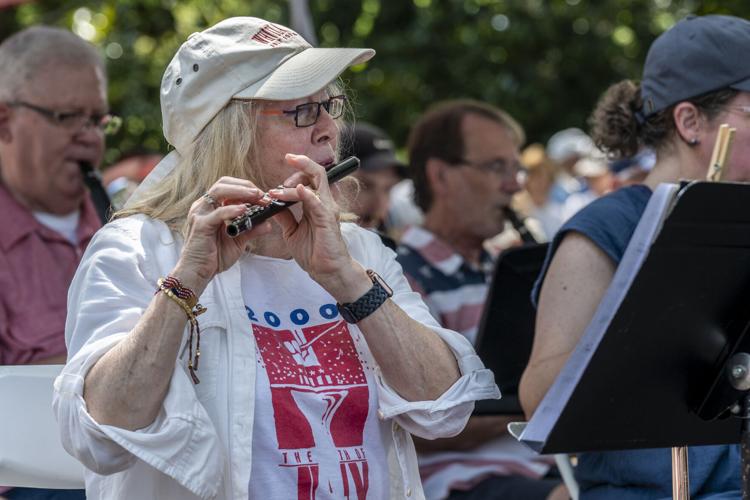
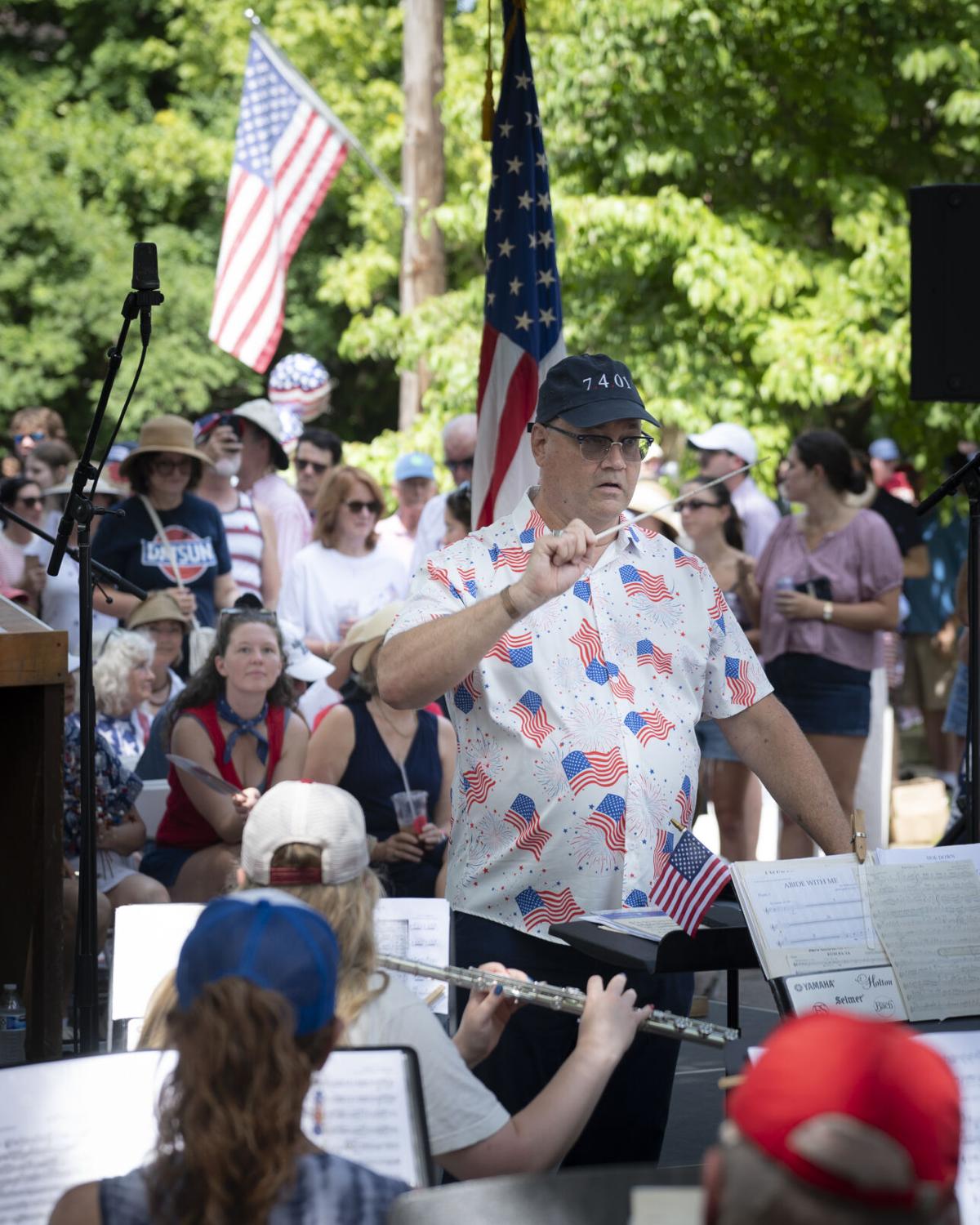
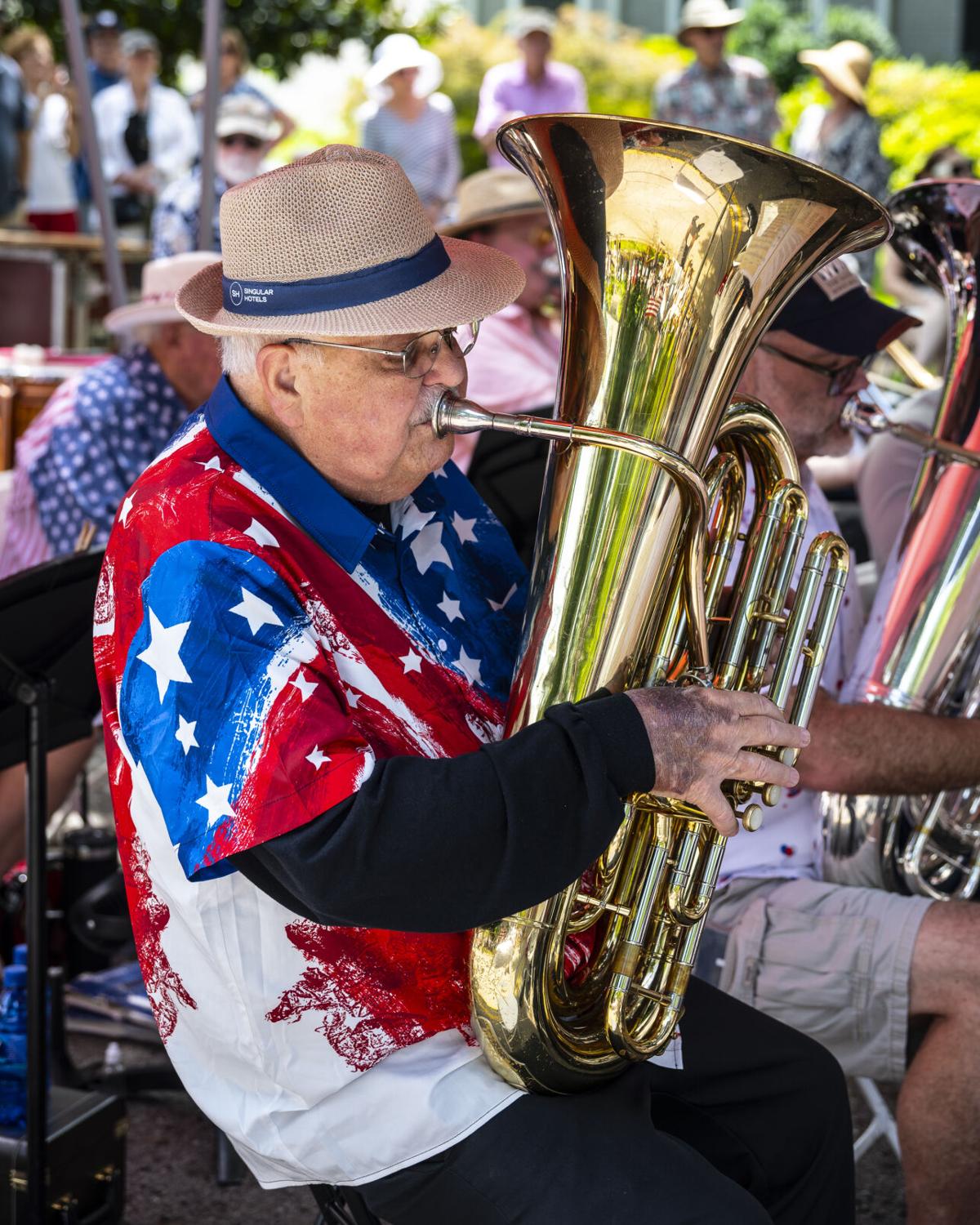
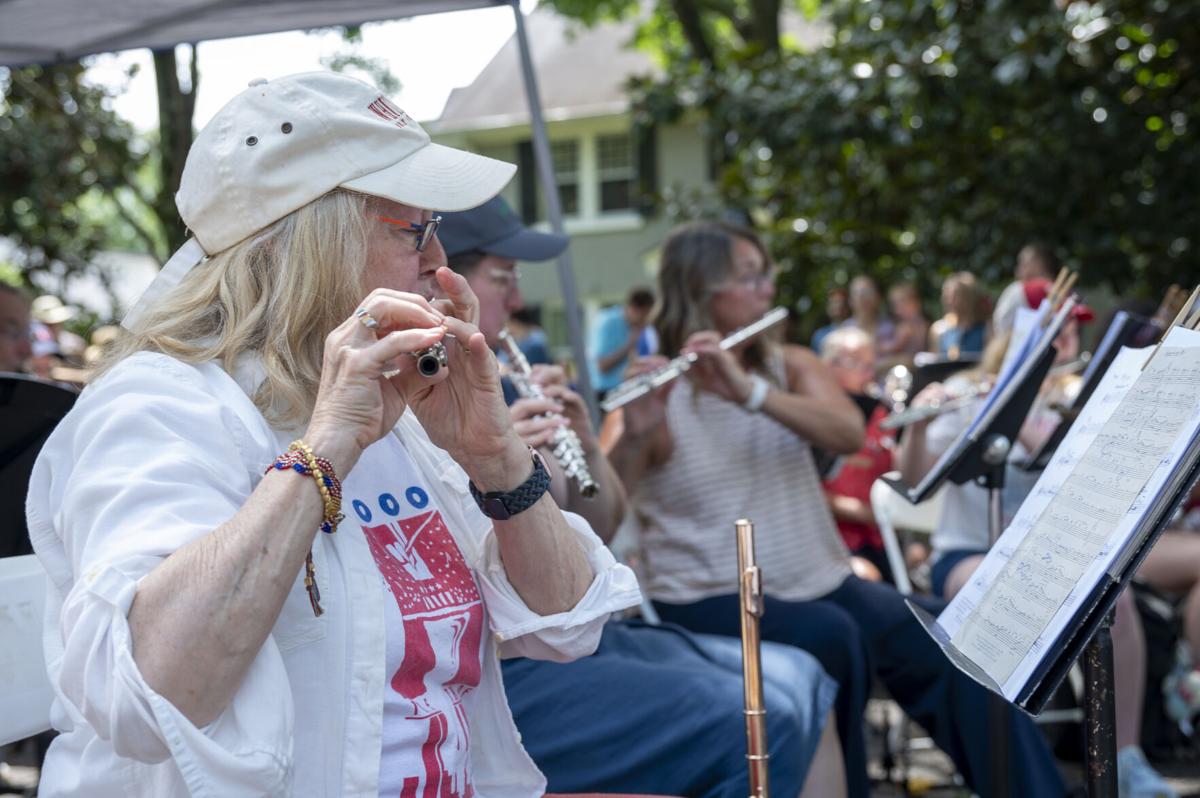
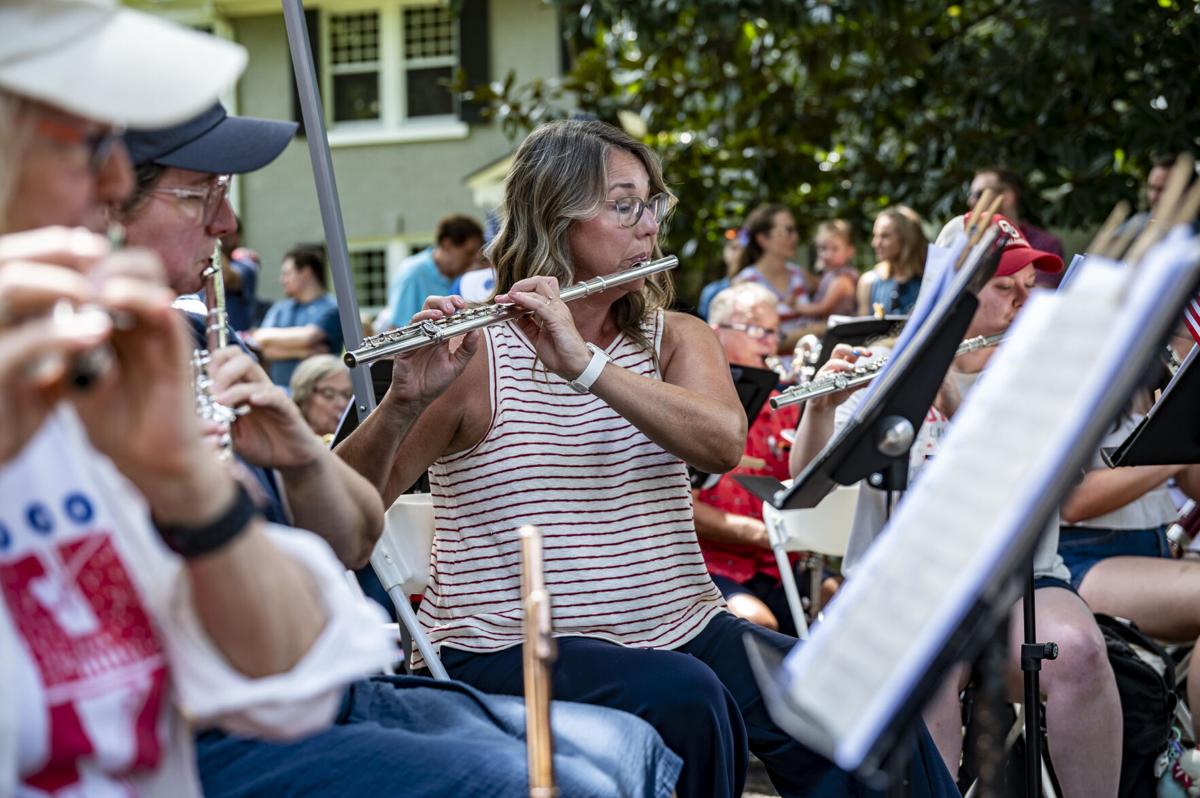
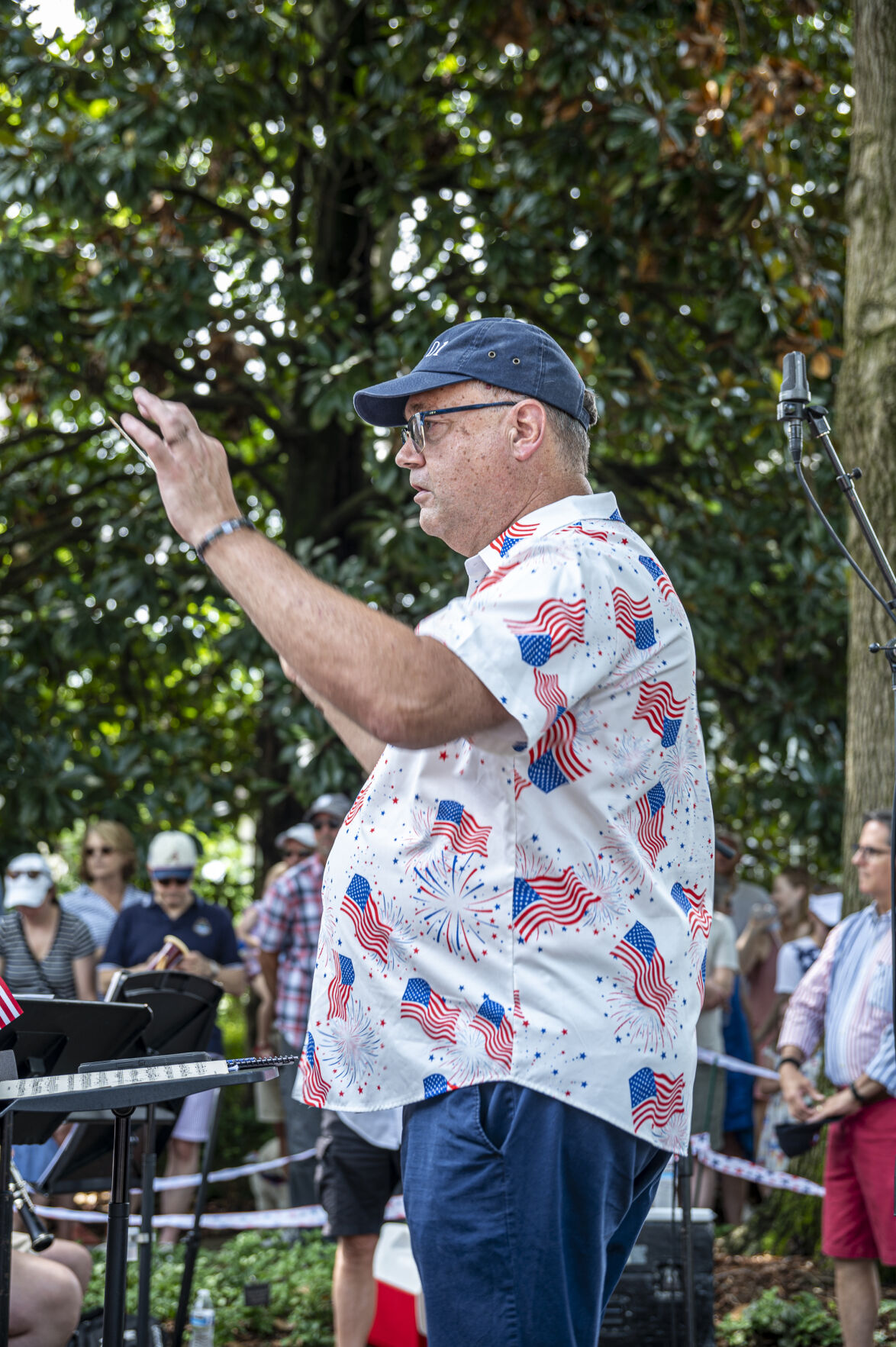
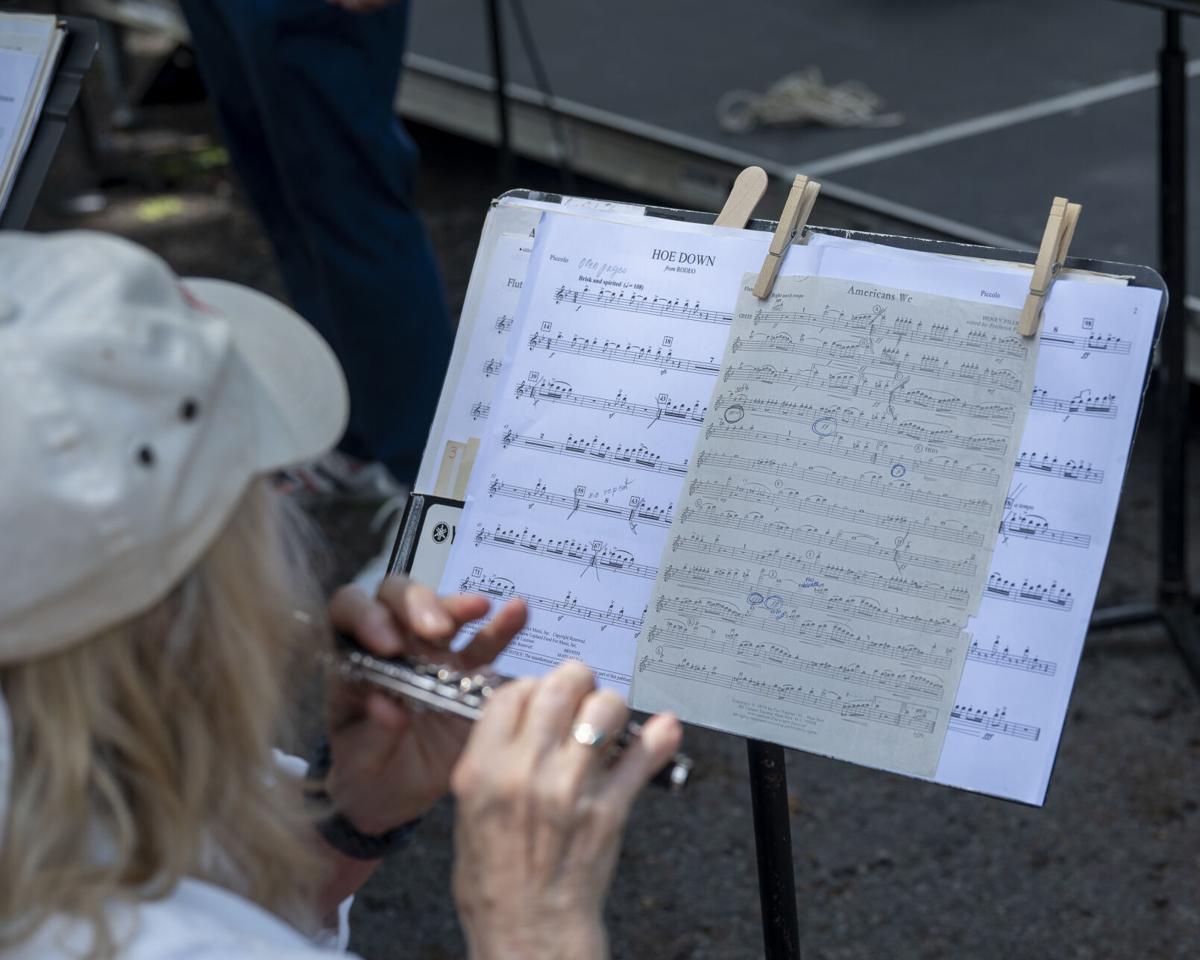
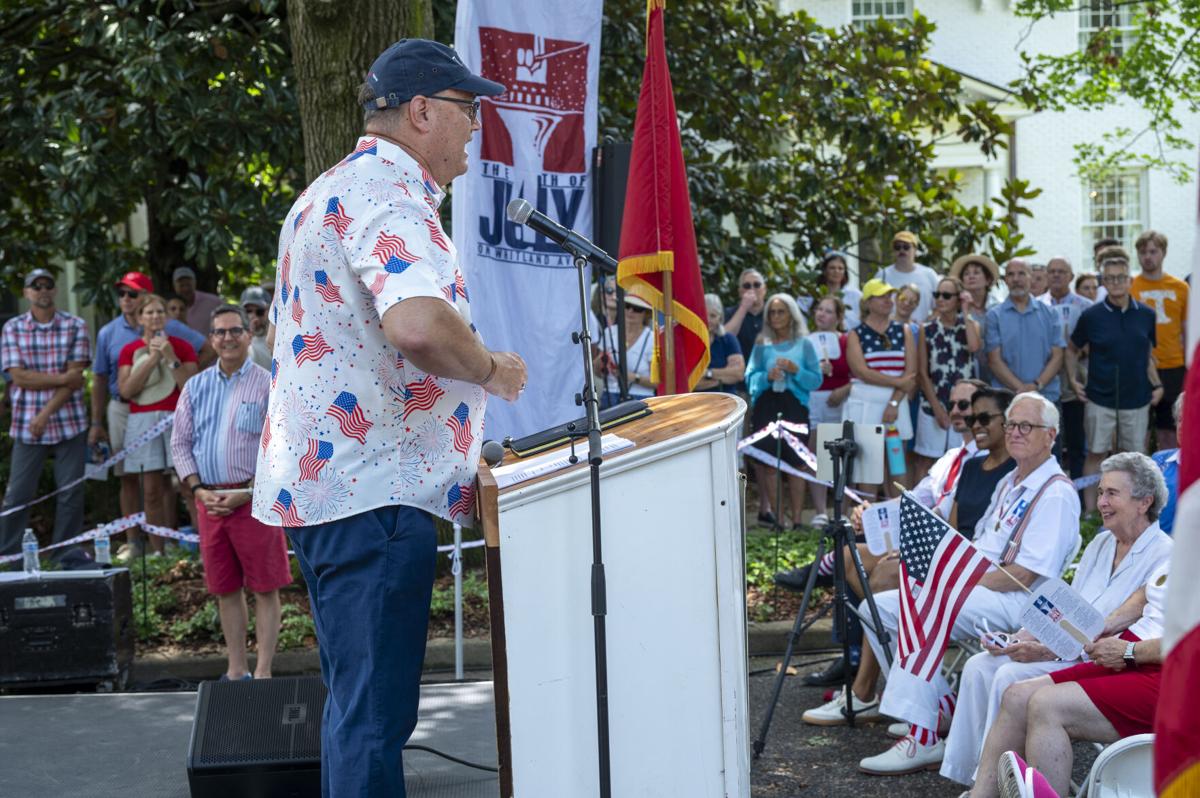
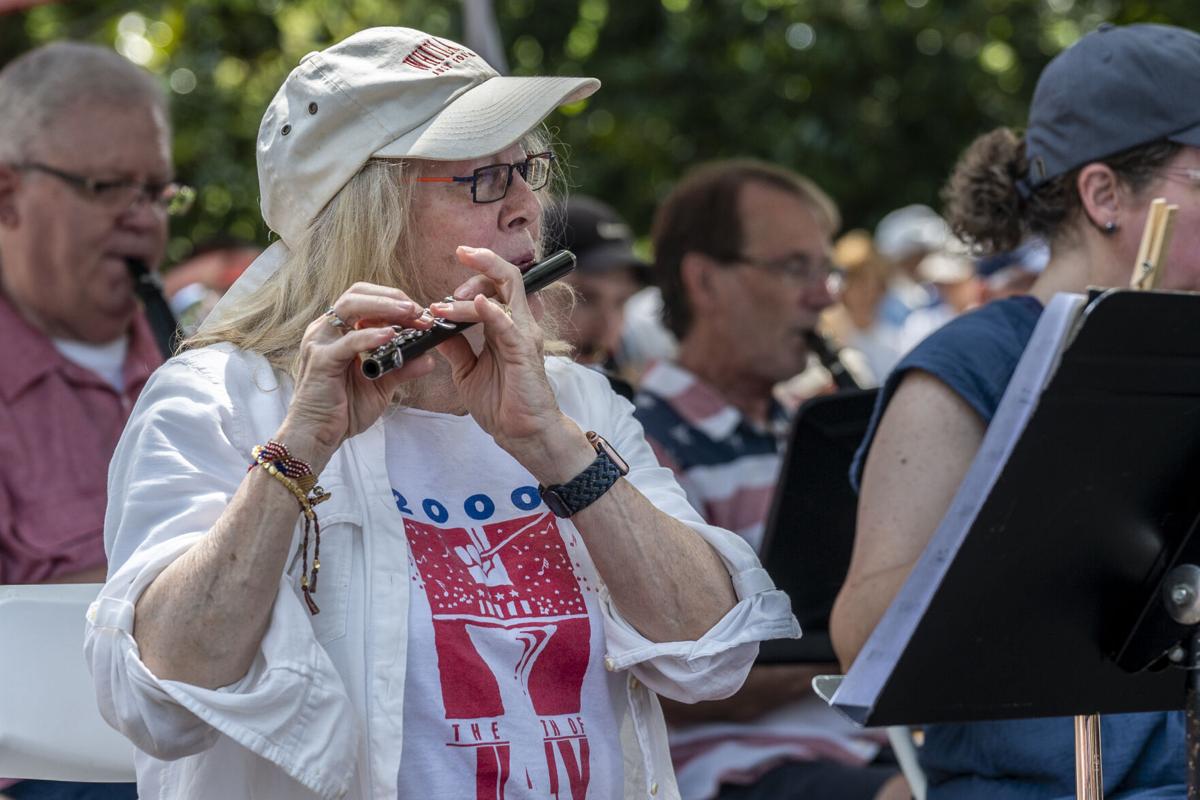
Once the procession reached the grandstand, paradegoers joined the mayor for the Pledge of Allegiance before the Fourth of July Band, led by conductor Jeff Phillips and organizer Ann Richards, played traditional patriotic songs. Vanderbilt University athletics director Candice Storey Lee took the podium to deliver the Declaration of Independence with passion and conviction — just like Mayor Fulton had 50 years before.
On Whitland Avenue, that spirit of patriotism doesn’t disappear once the parade ends or the last fireworks go off. It lives on, carried into the shared civic traditions that have sustained the neighborhood for nearly half a century.

Janet Kurtz
Editor-in-Chief

Eric England
Senior Photographer


