
The 125th Hermitage Spring Outing Spotlights American Women

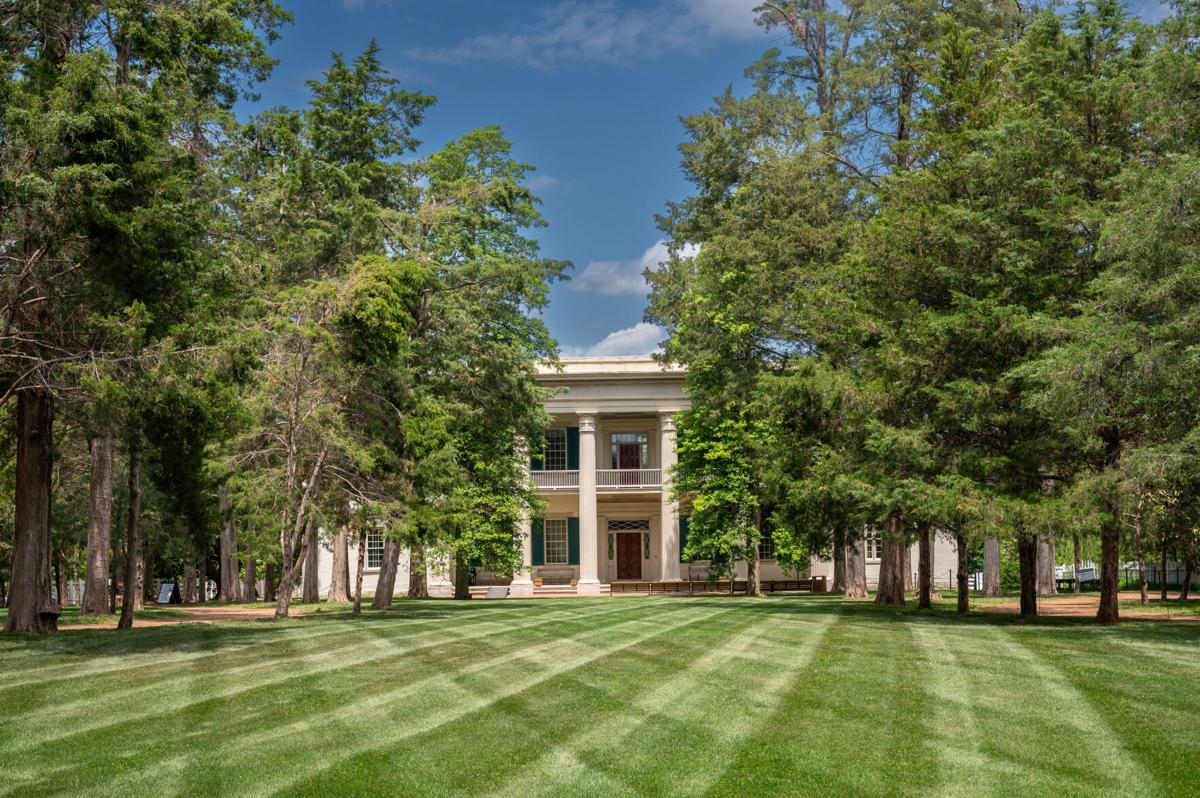
In 1889, two women driven by purpose — Amy Jackson and Mary Dorris — gathered Nashville’s ladies to save Andrew Jackson’s Hermitage. The Ladies Hermitage Association fought to preserve the home and ensure it would remain a space for education and important conversations. In 1901, the LHA hosted the first Spring Outing to raise funds for preservation efforts.
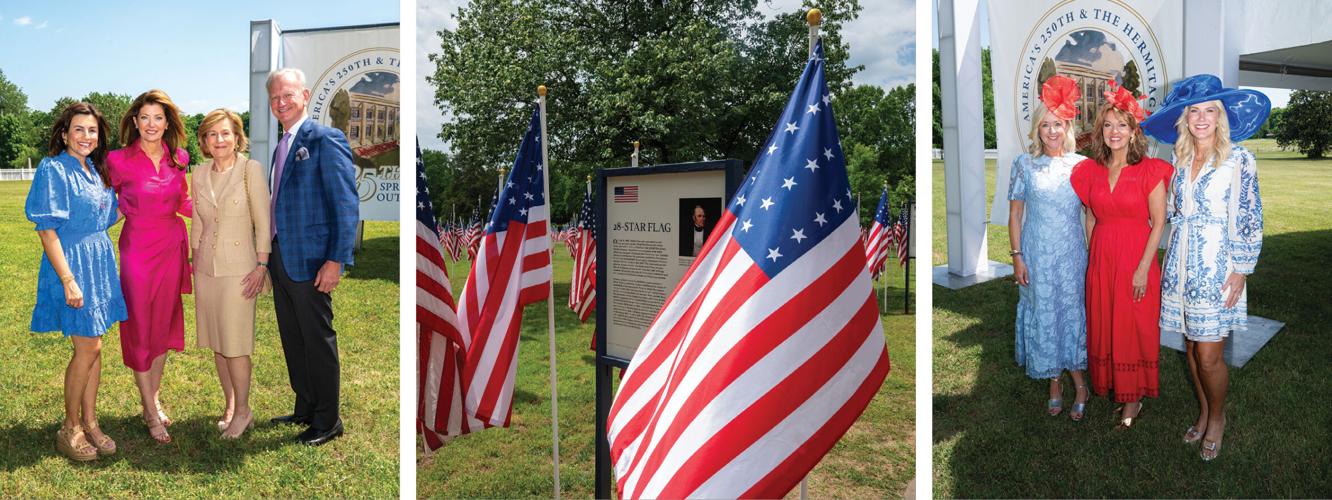
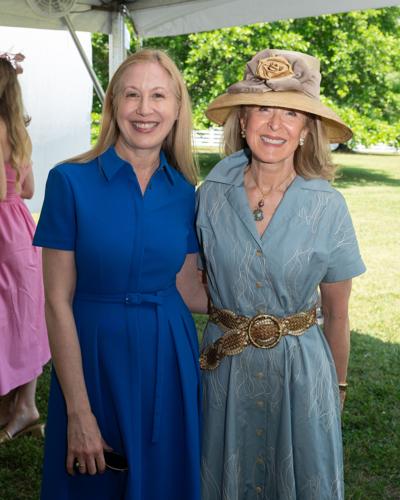
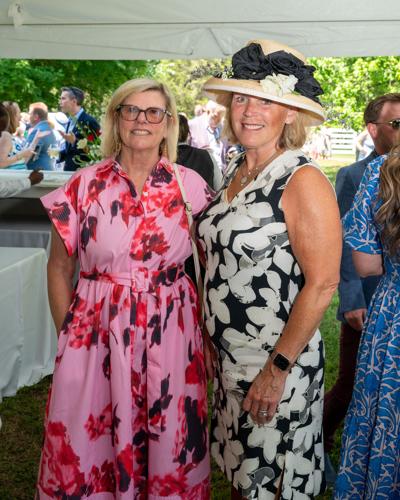
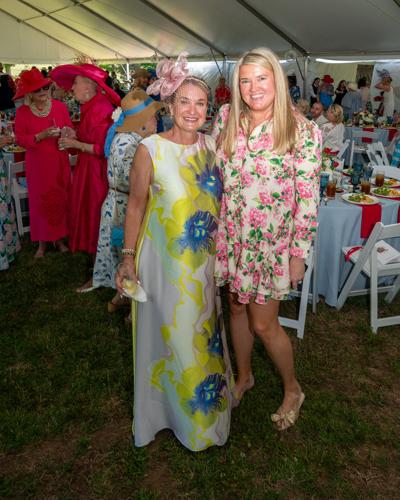
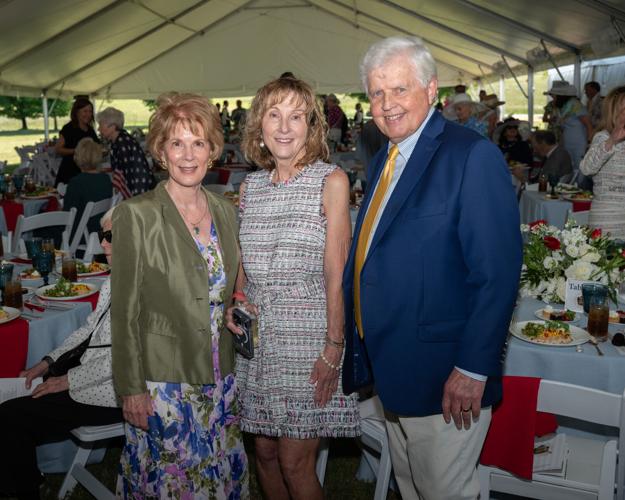
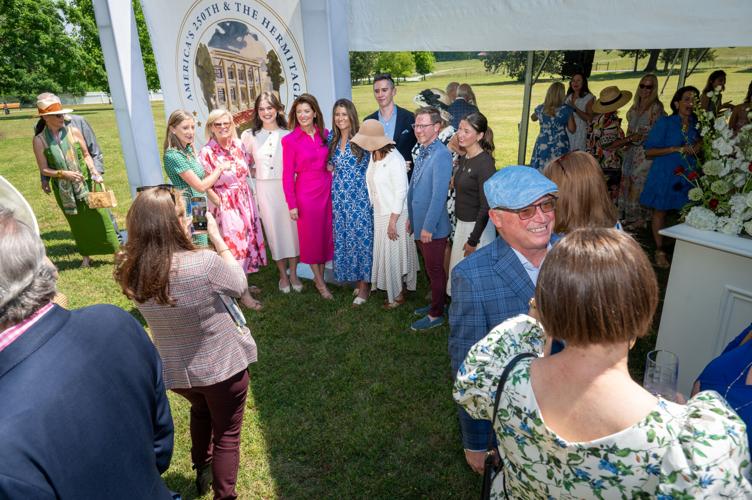
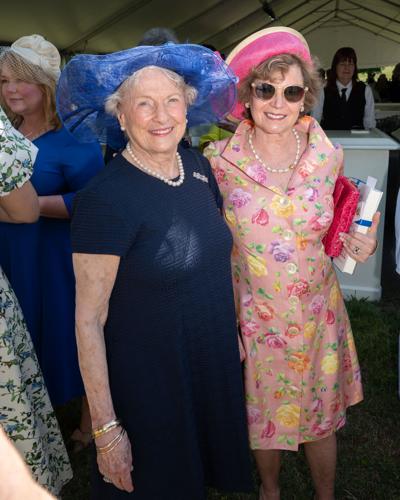
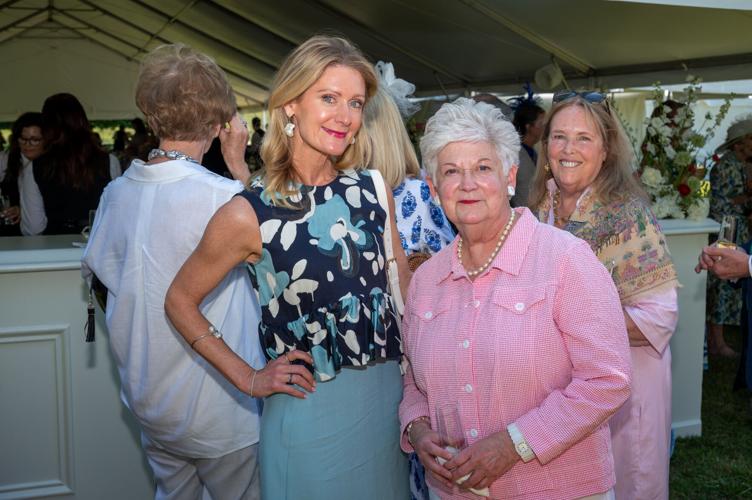
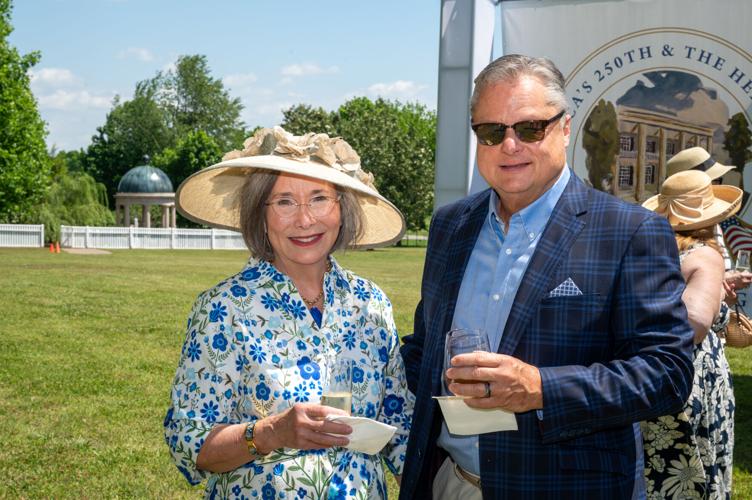
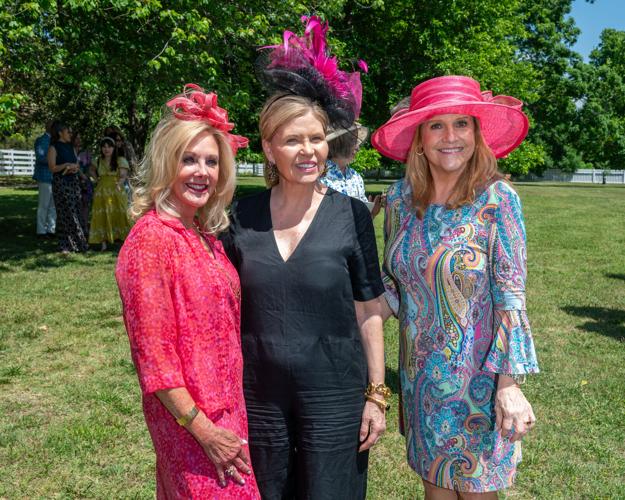
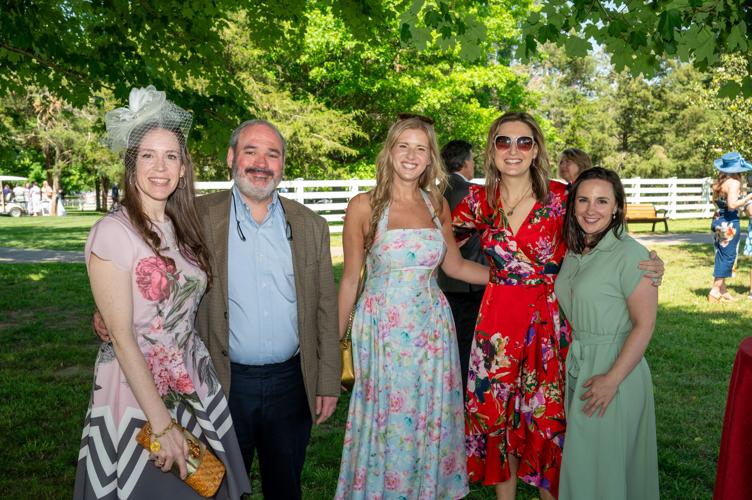
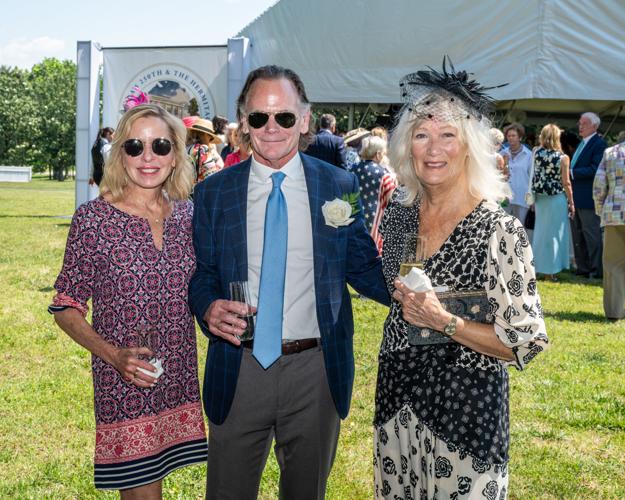
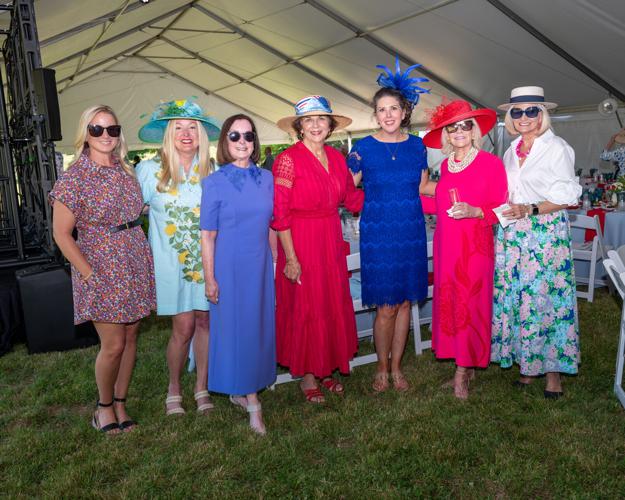
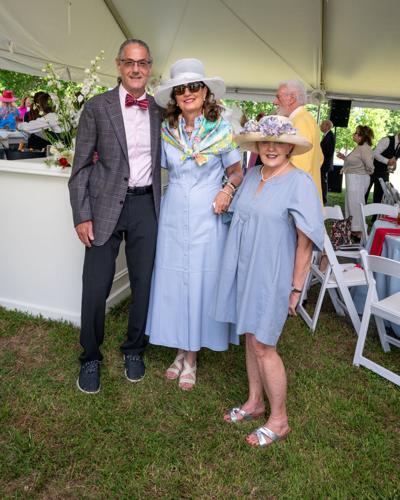
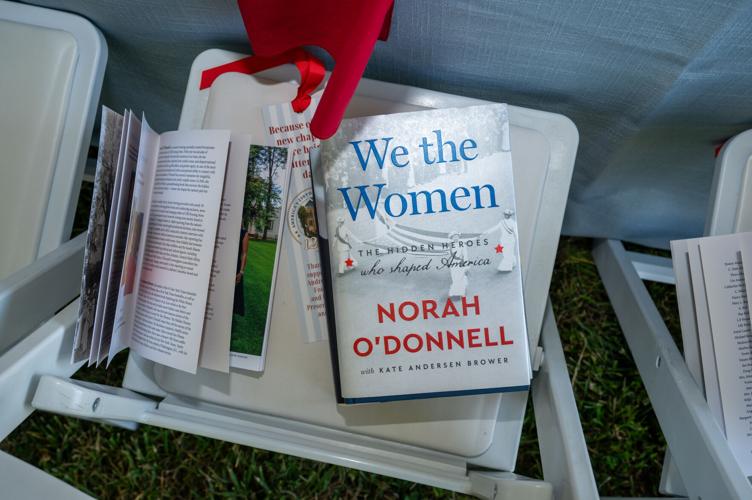
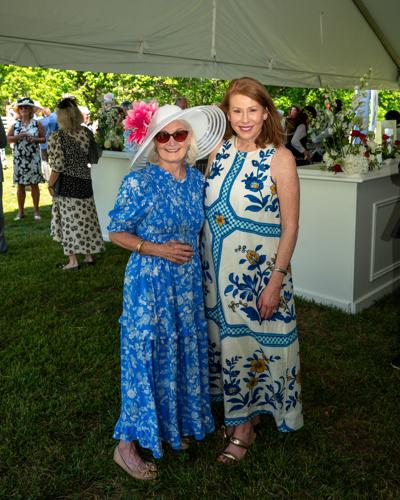
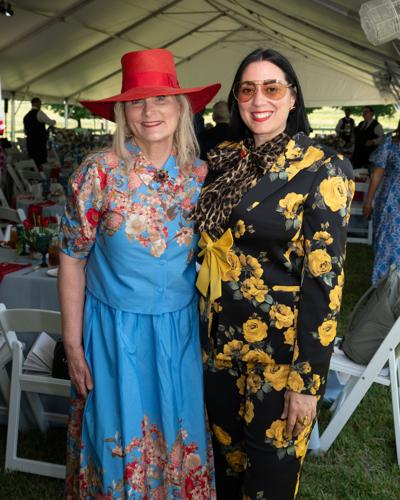
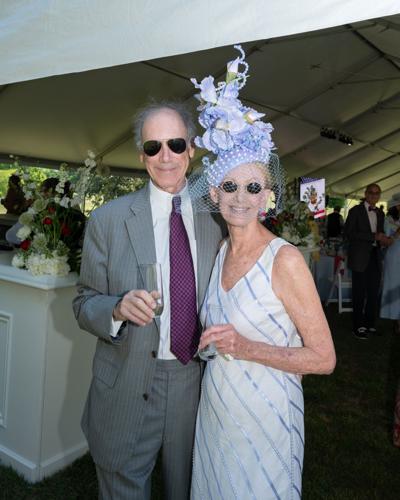
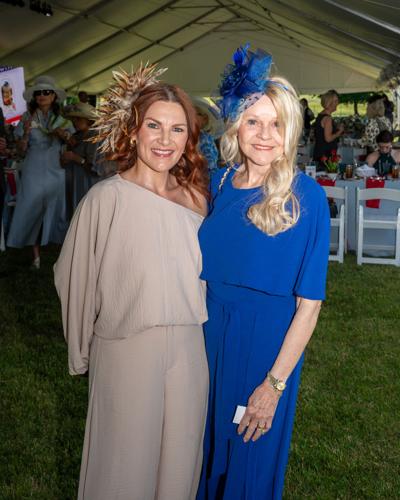
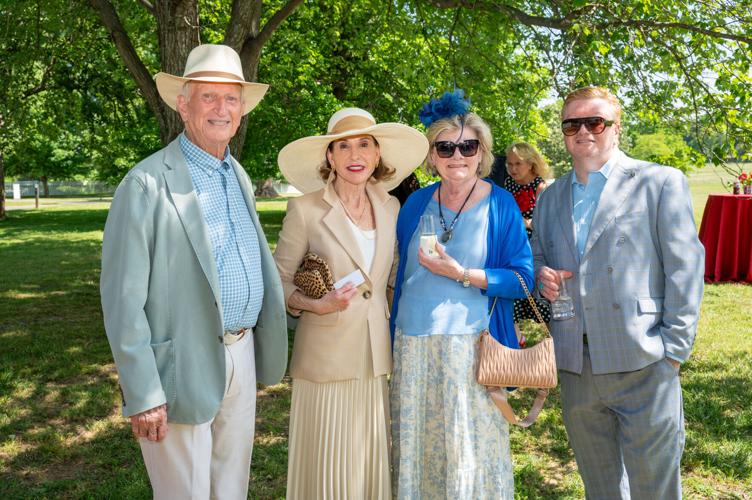
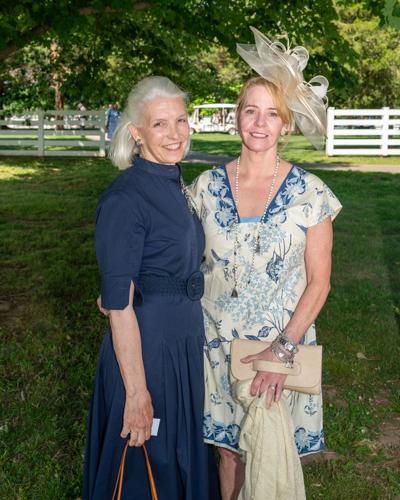
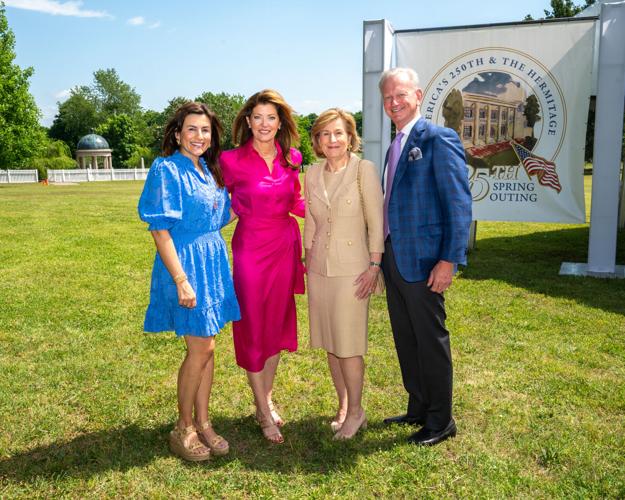
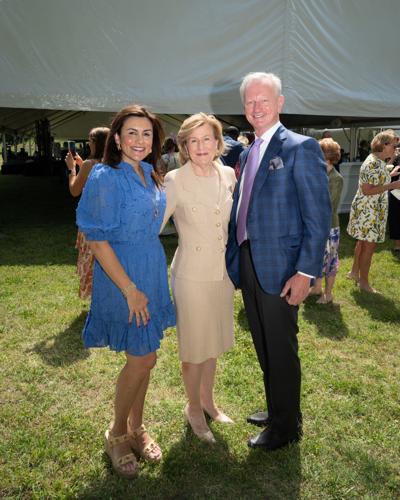
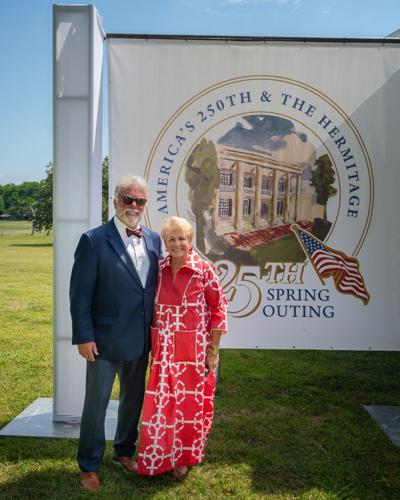
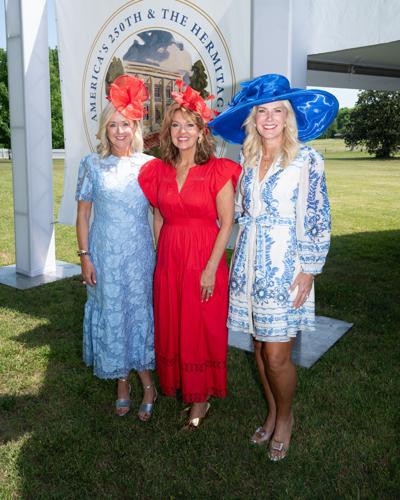
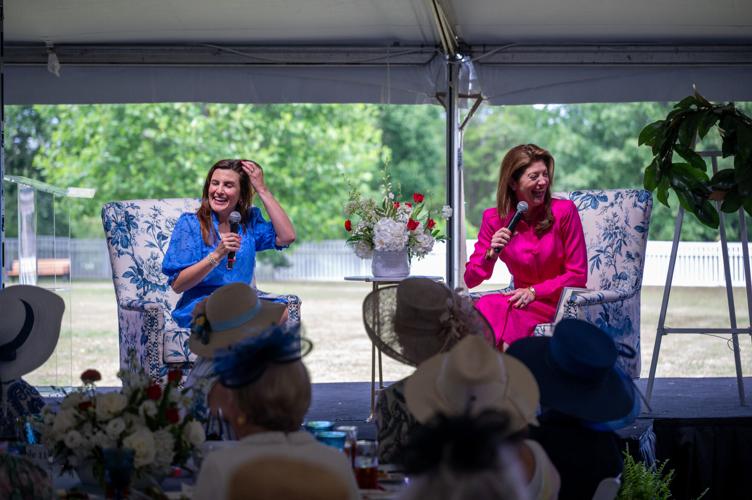
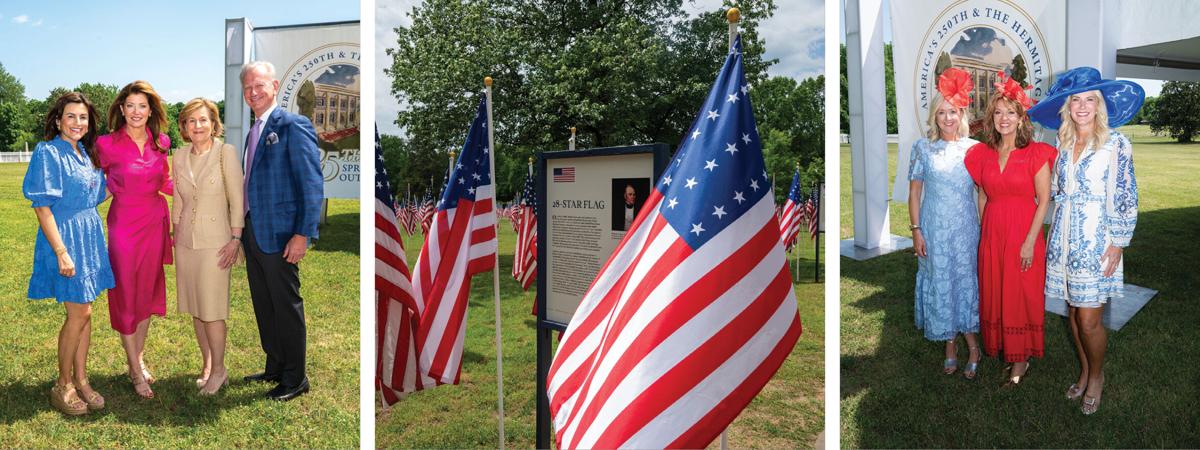
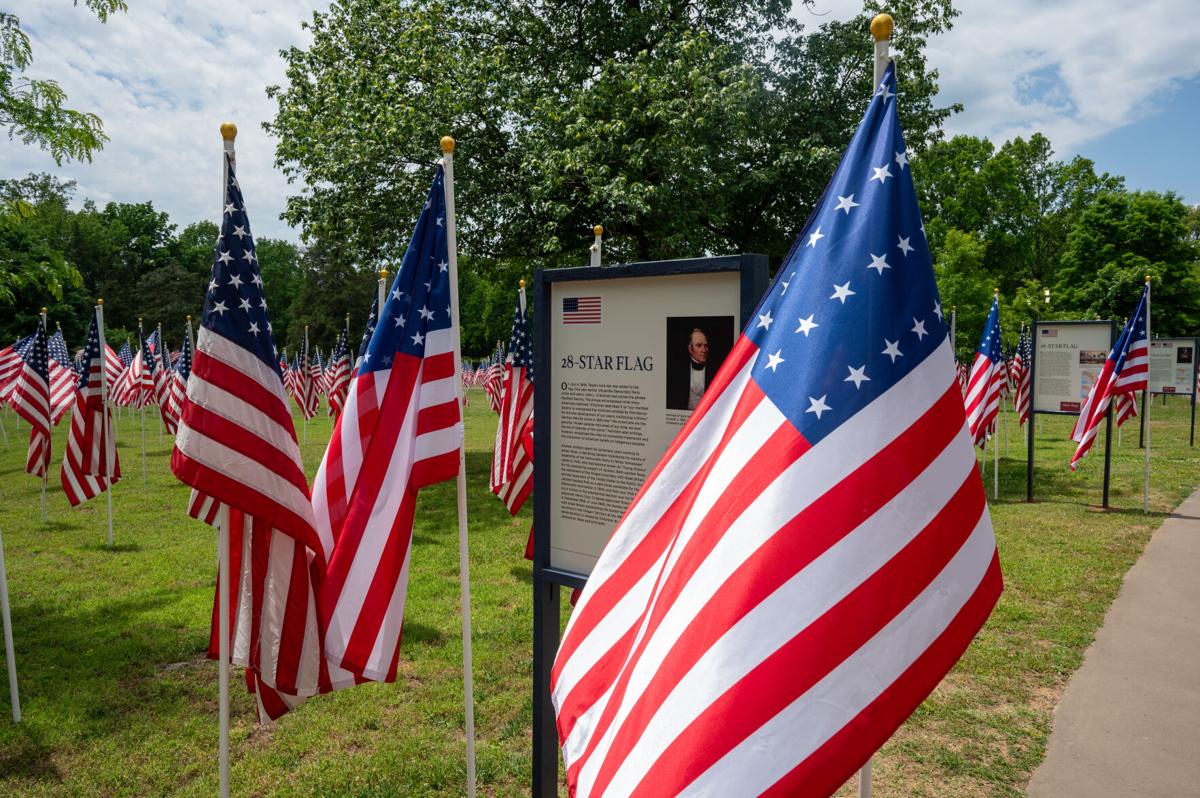
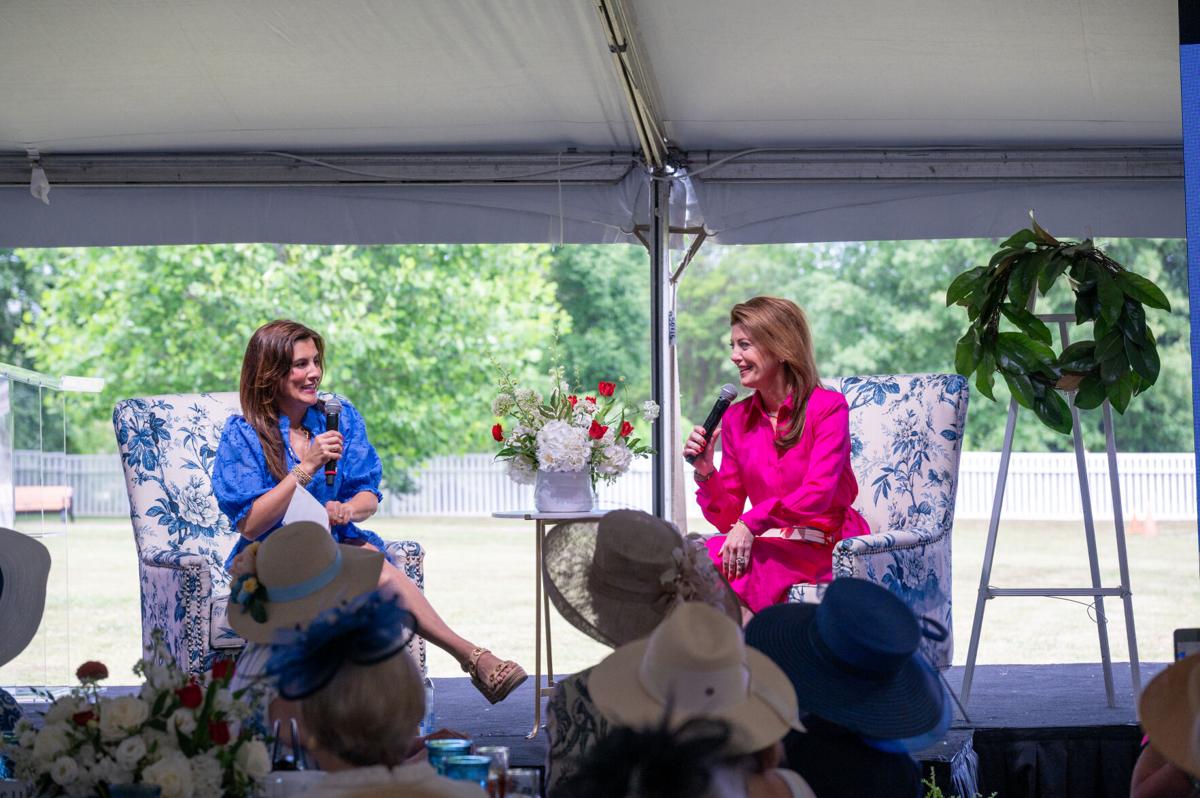
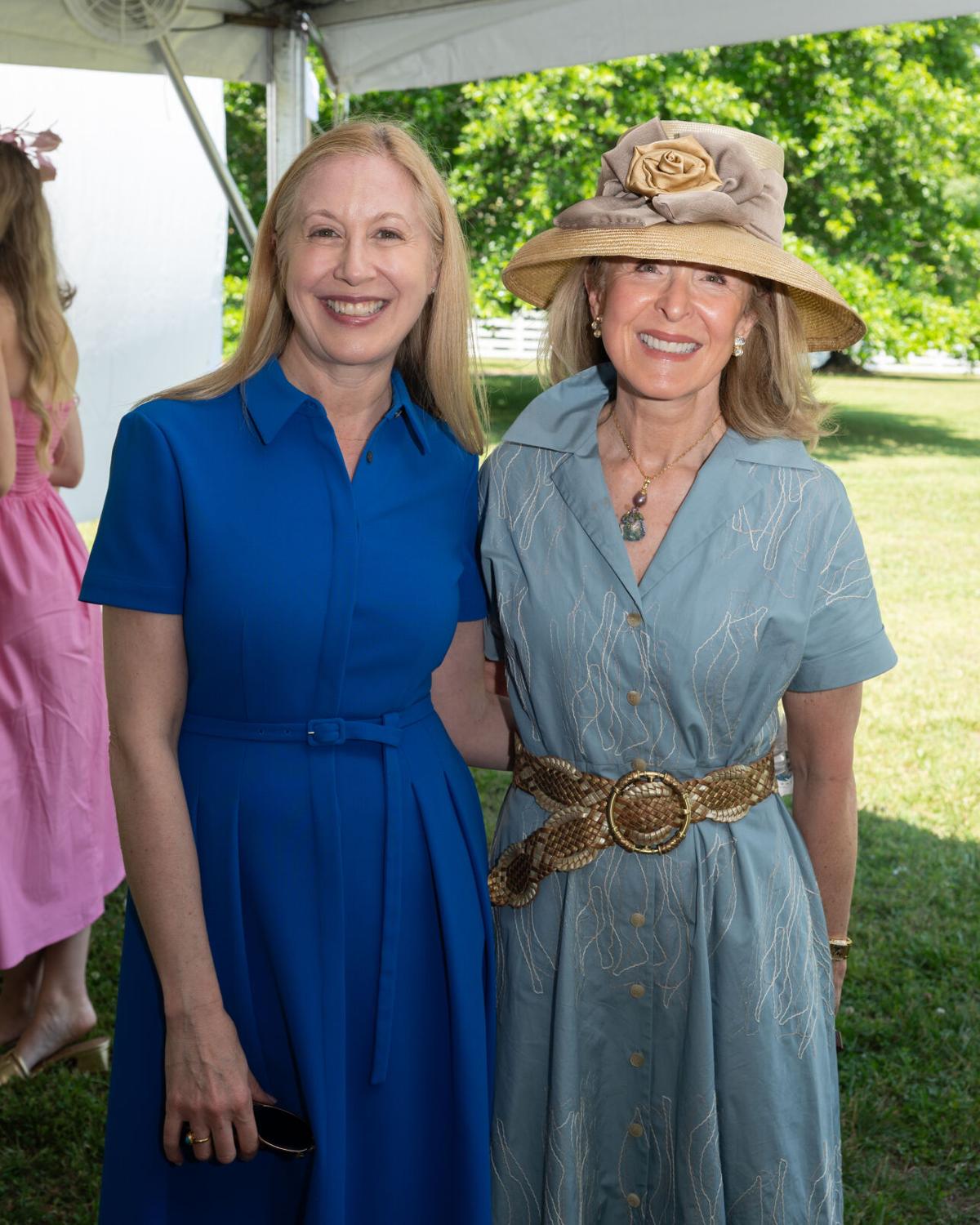
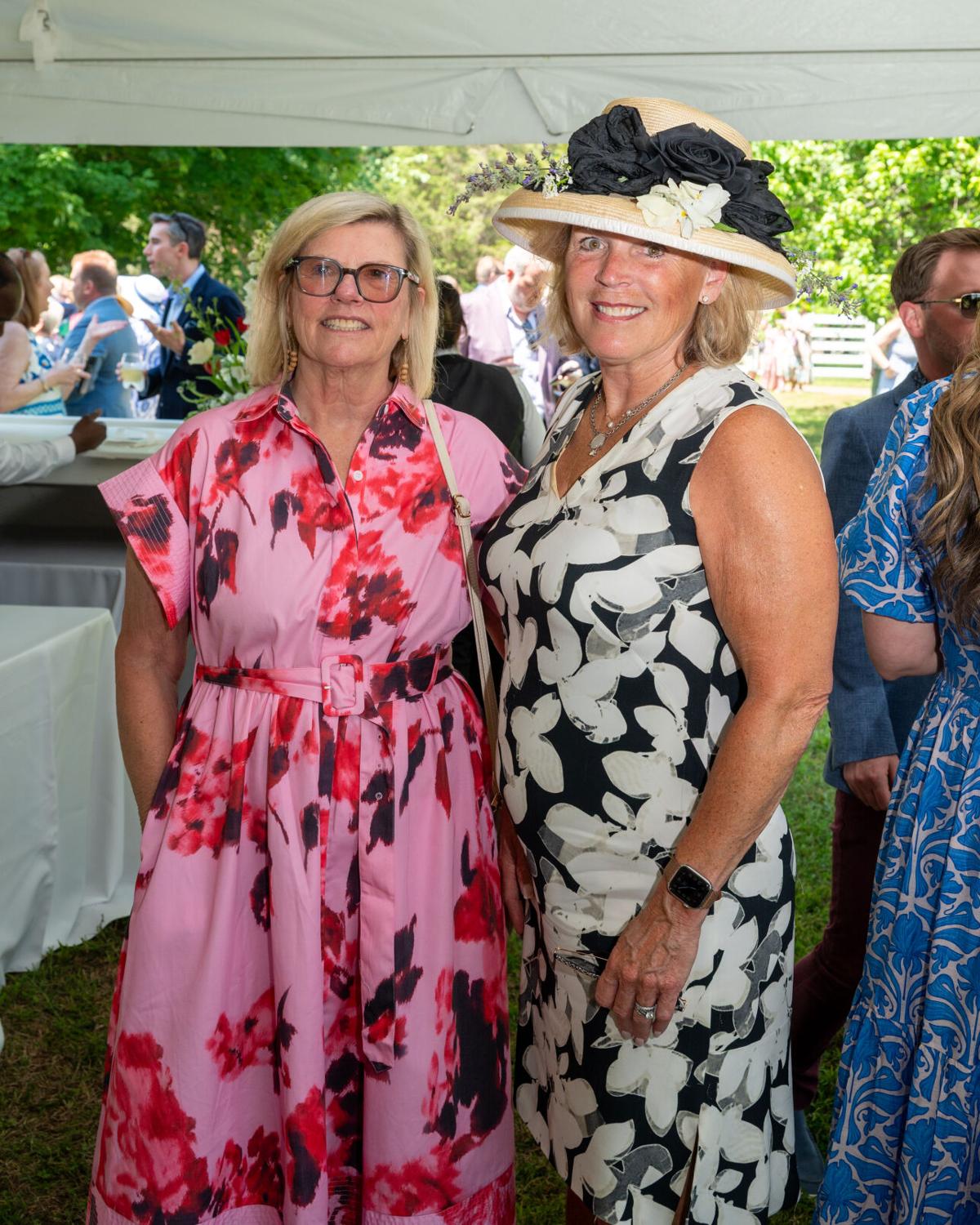
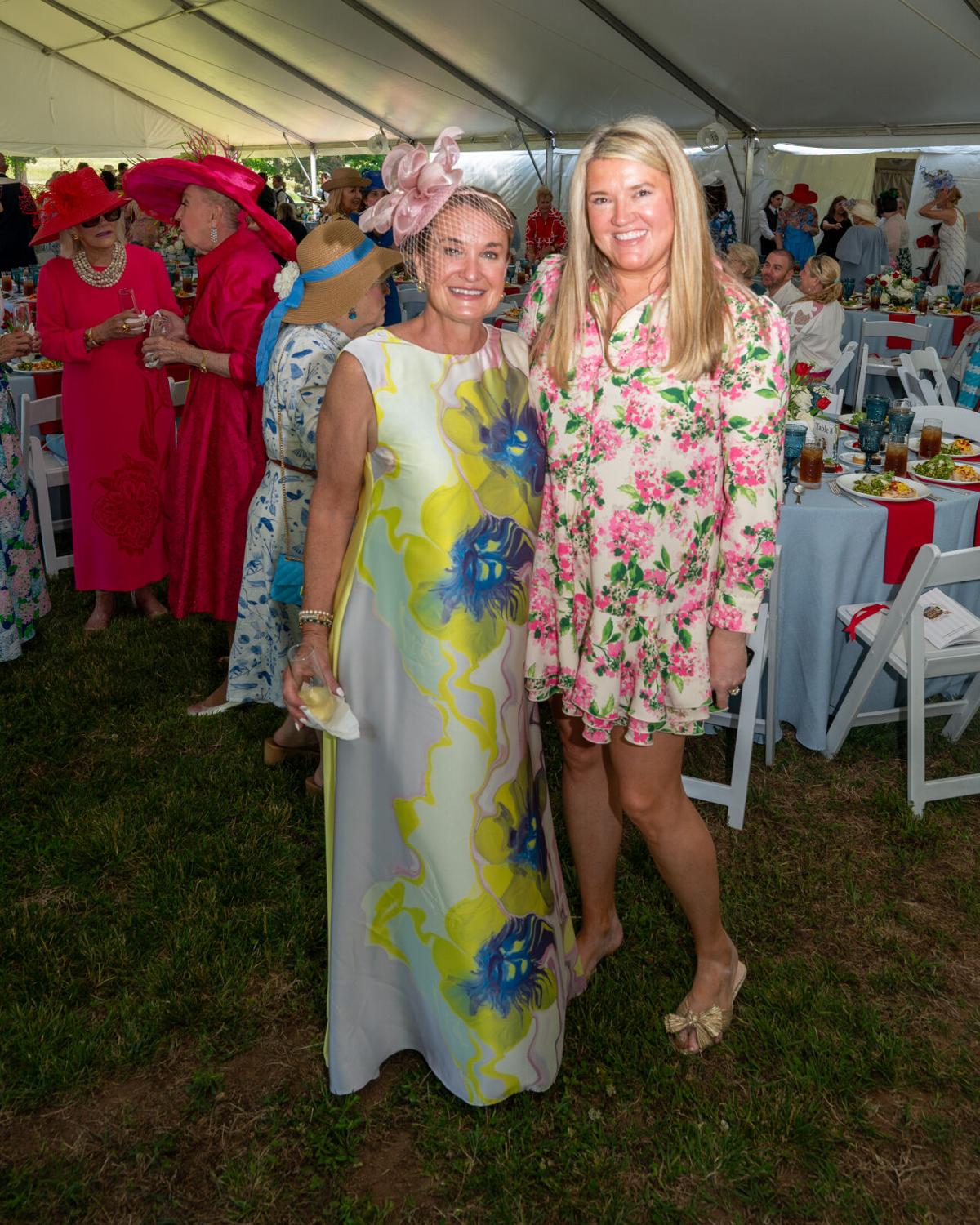
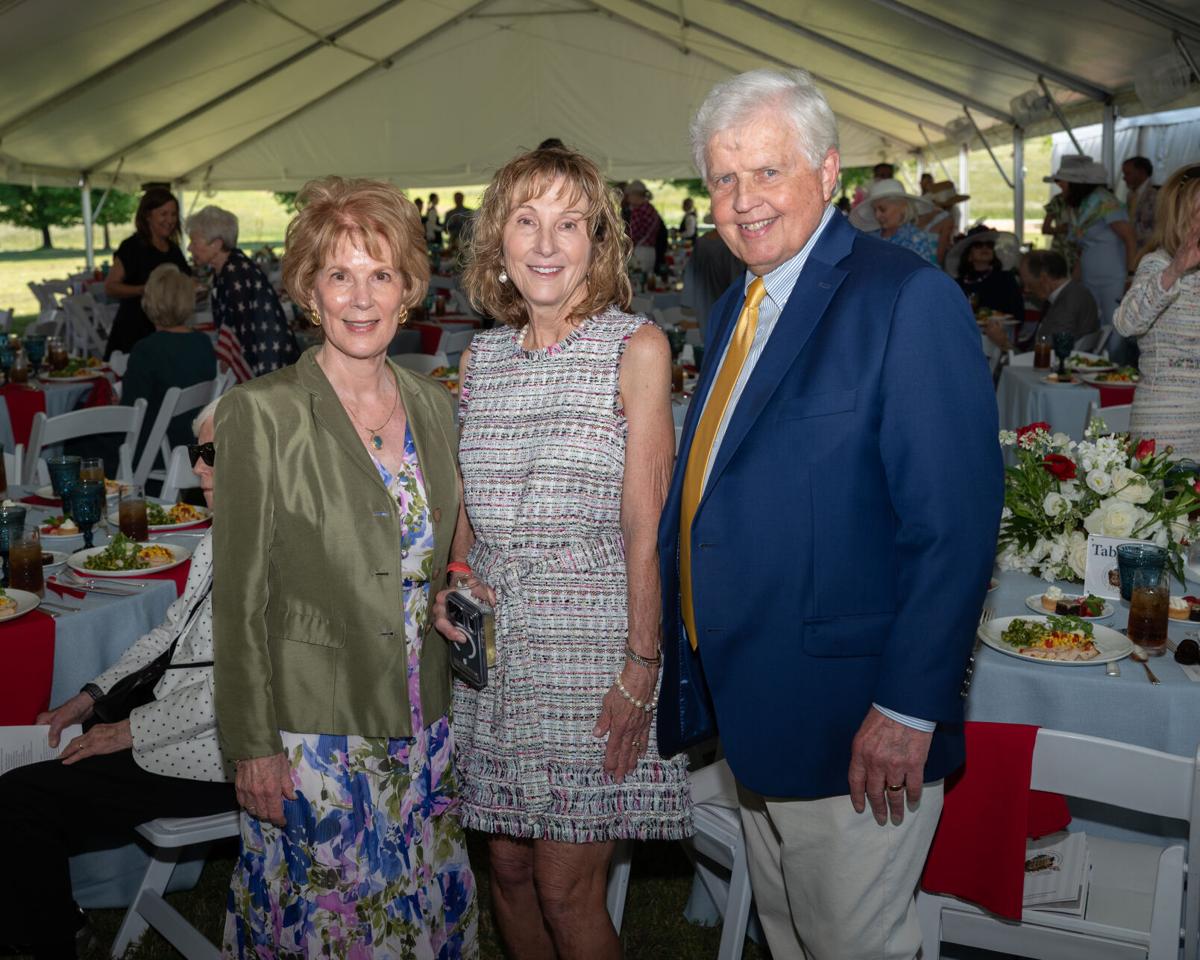
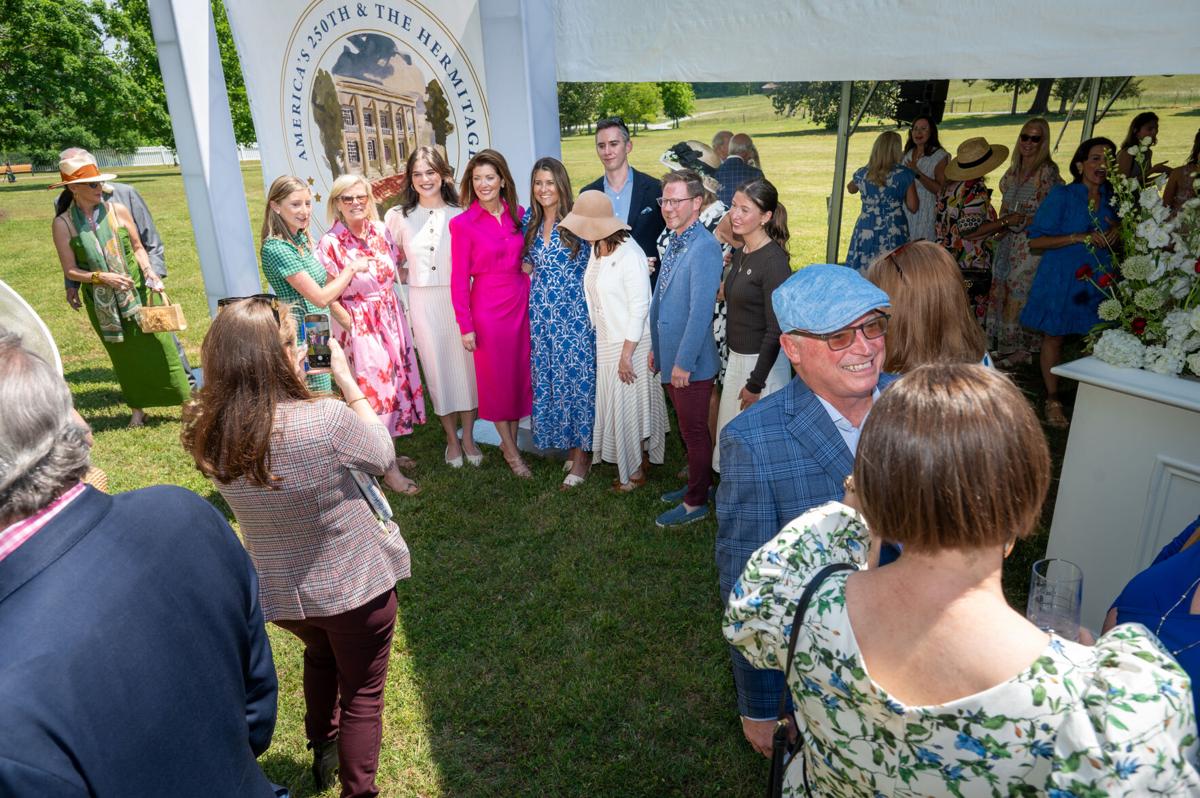
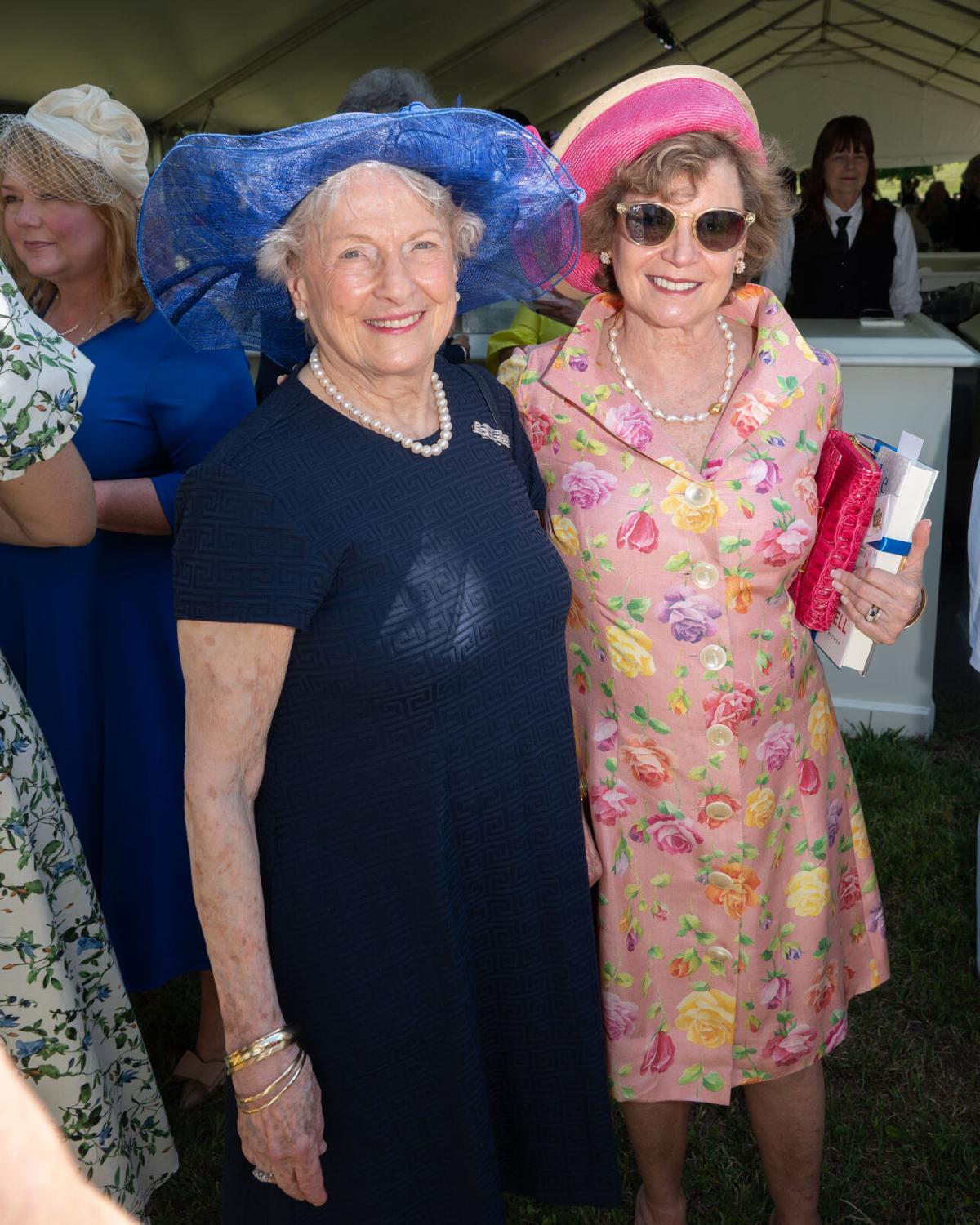
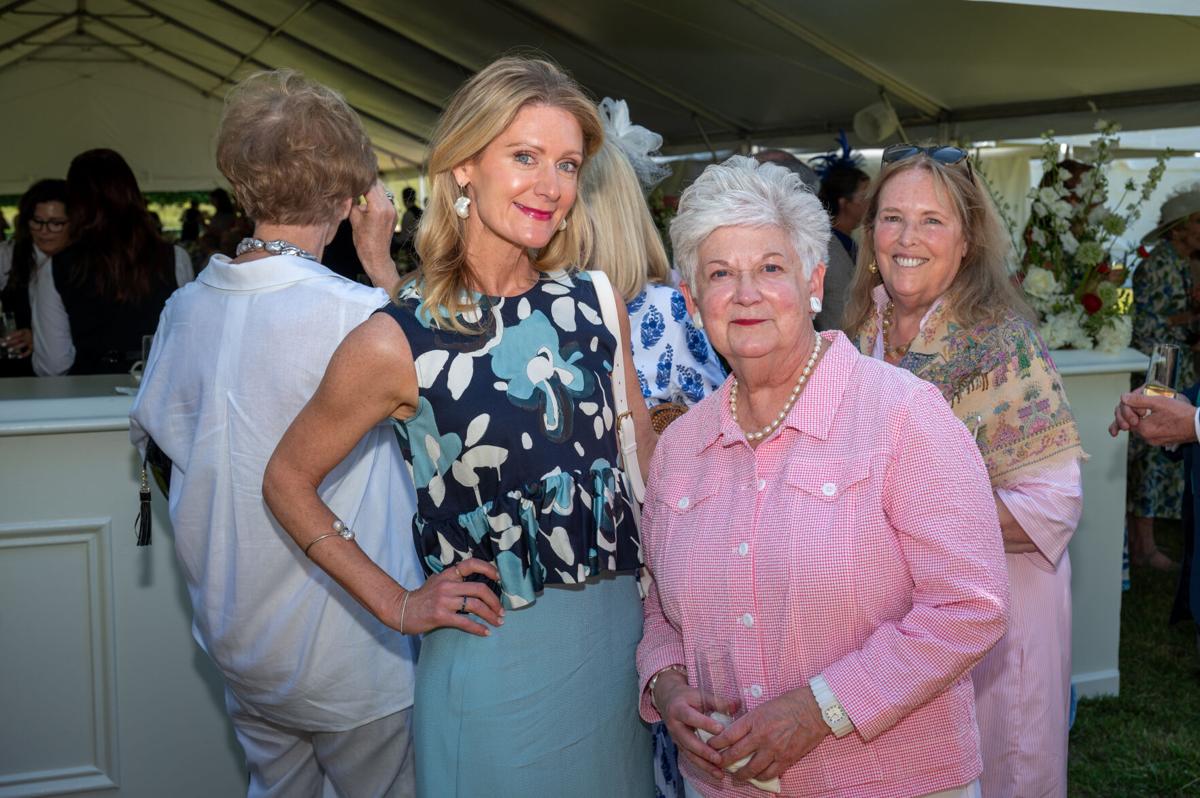
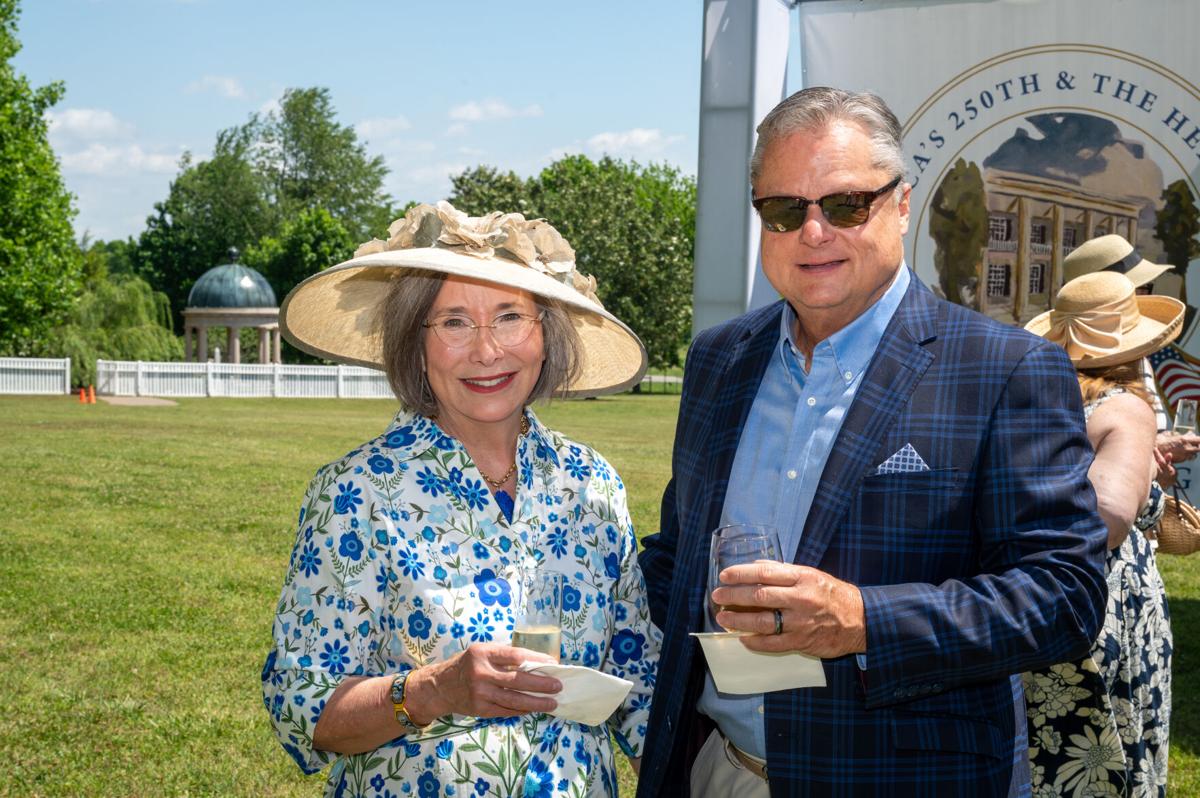
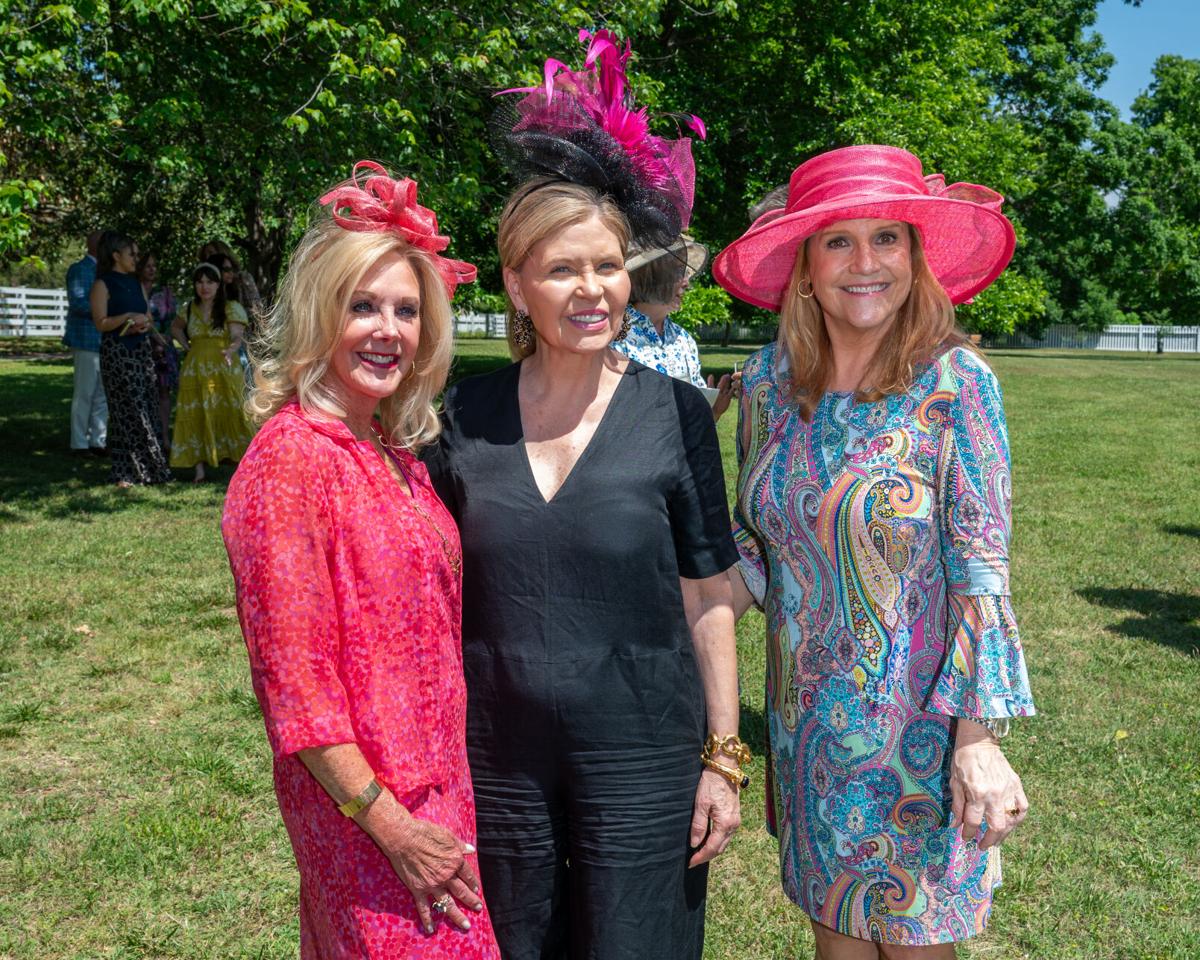
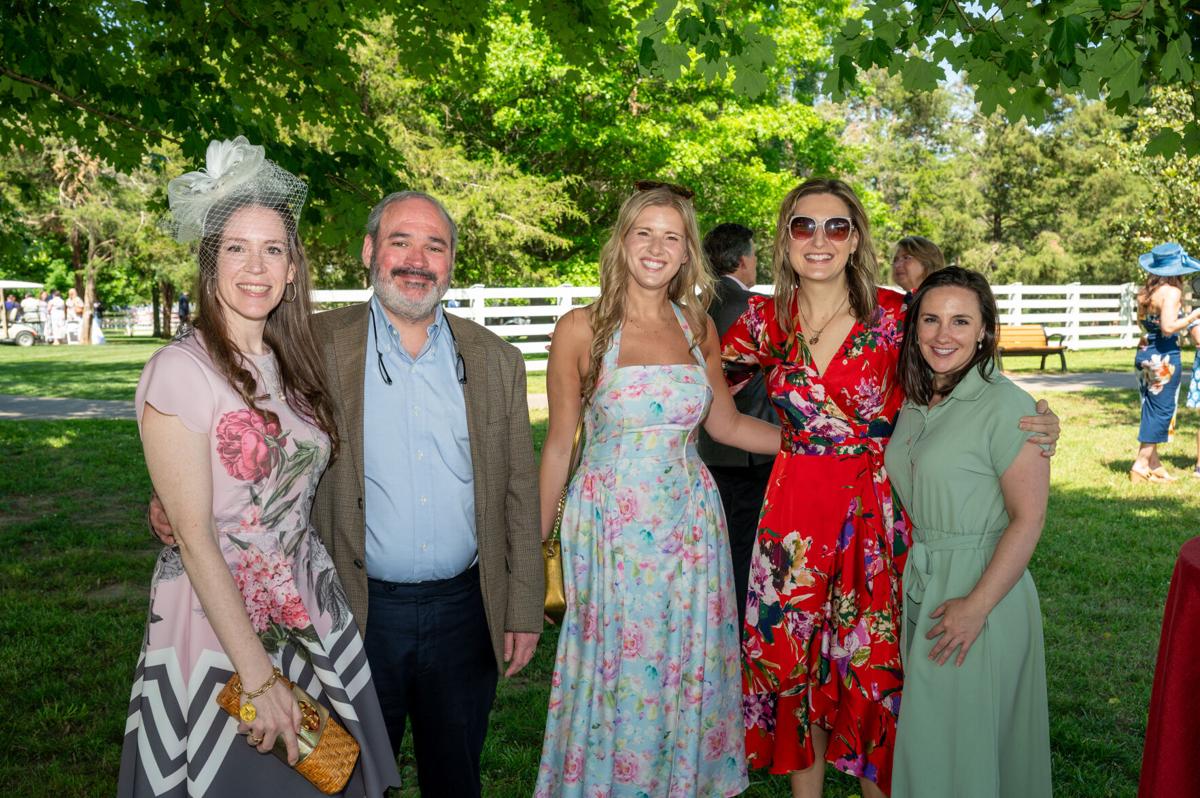
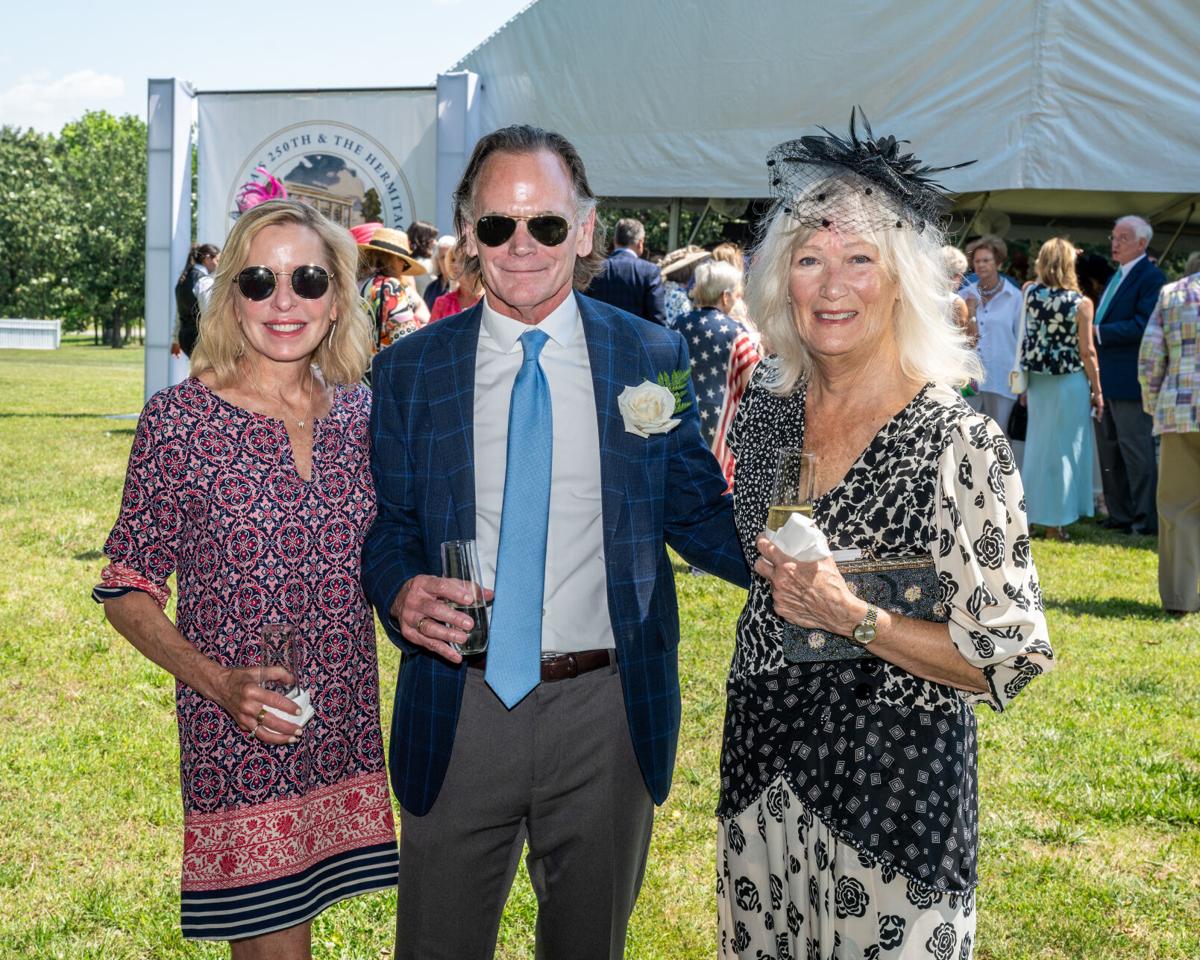
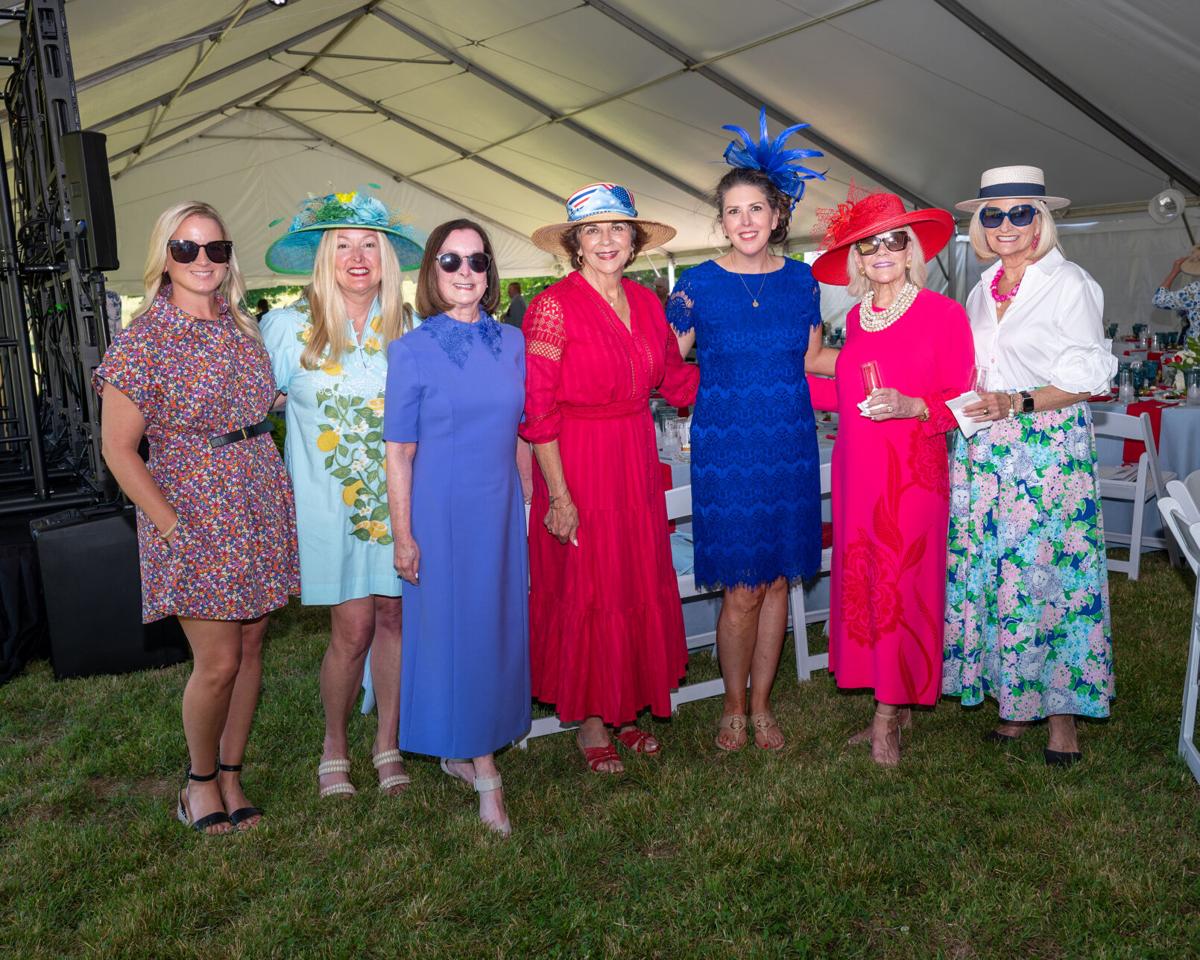
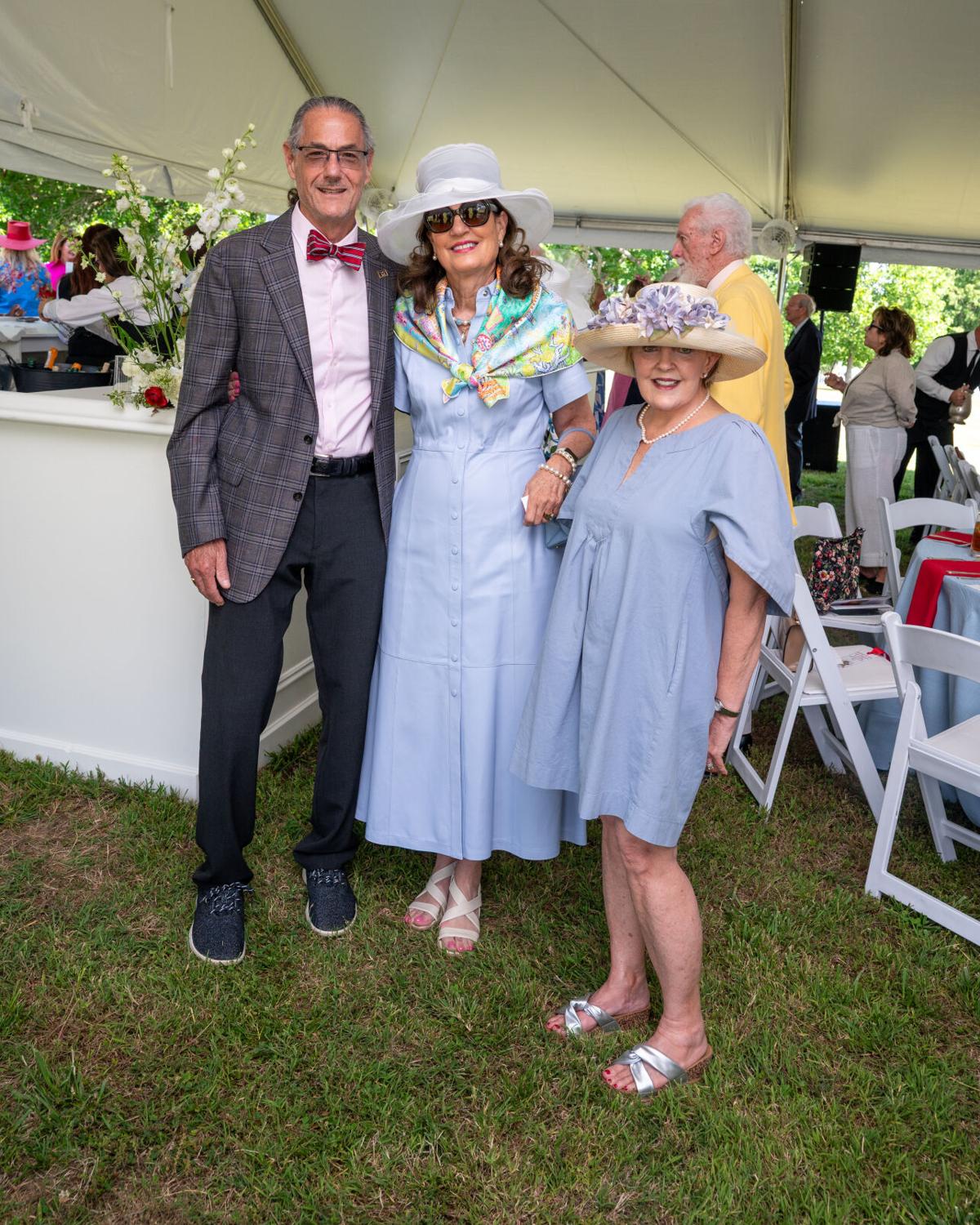
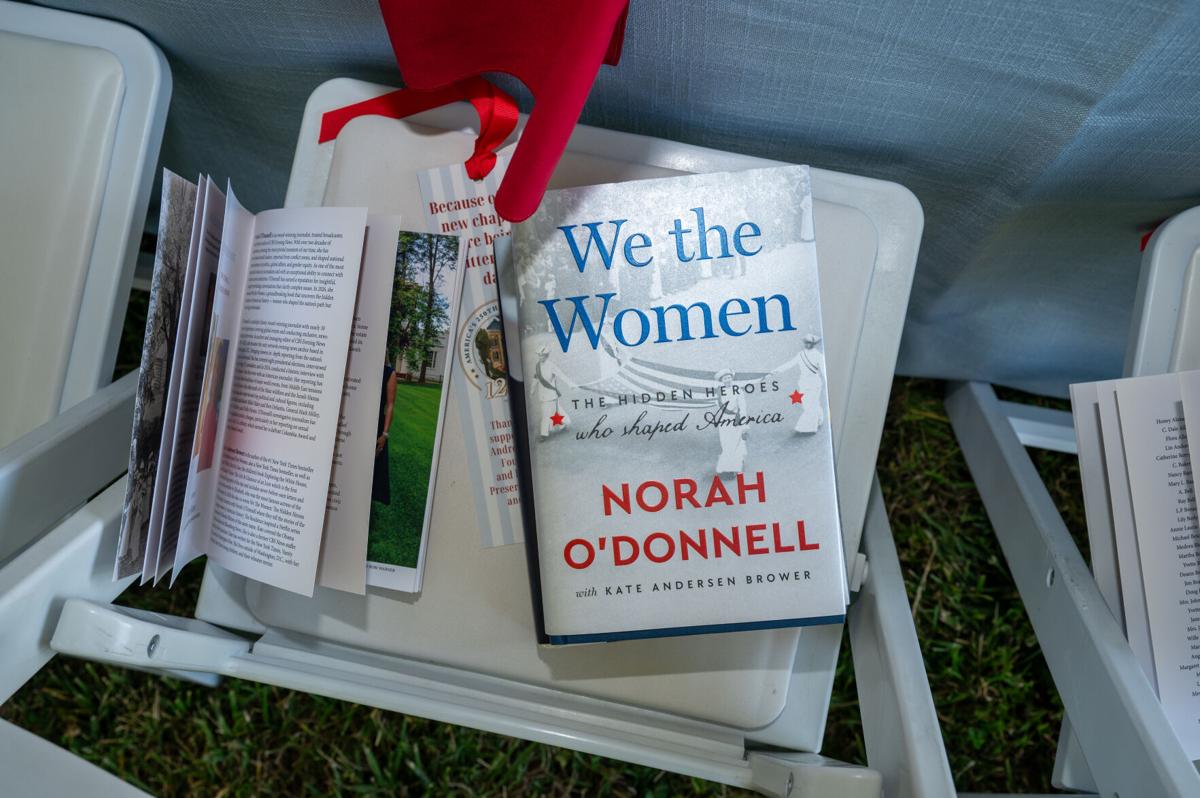
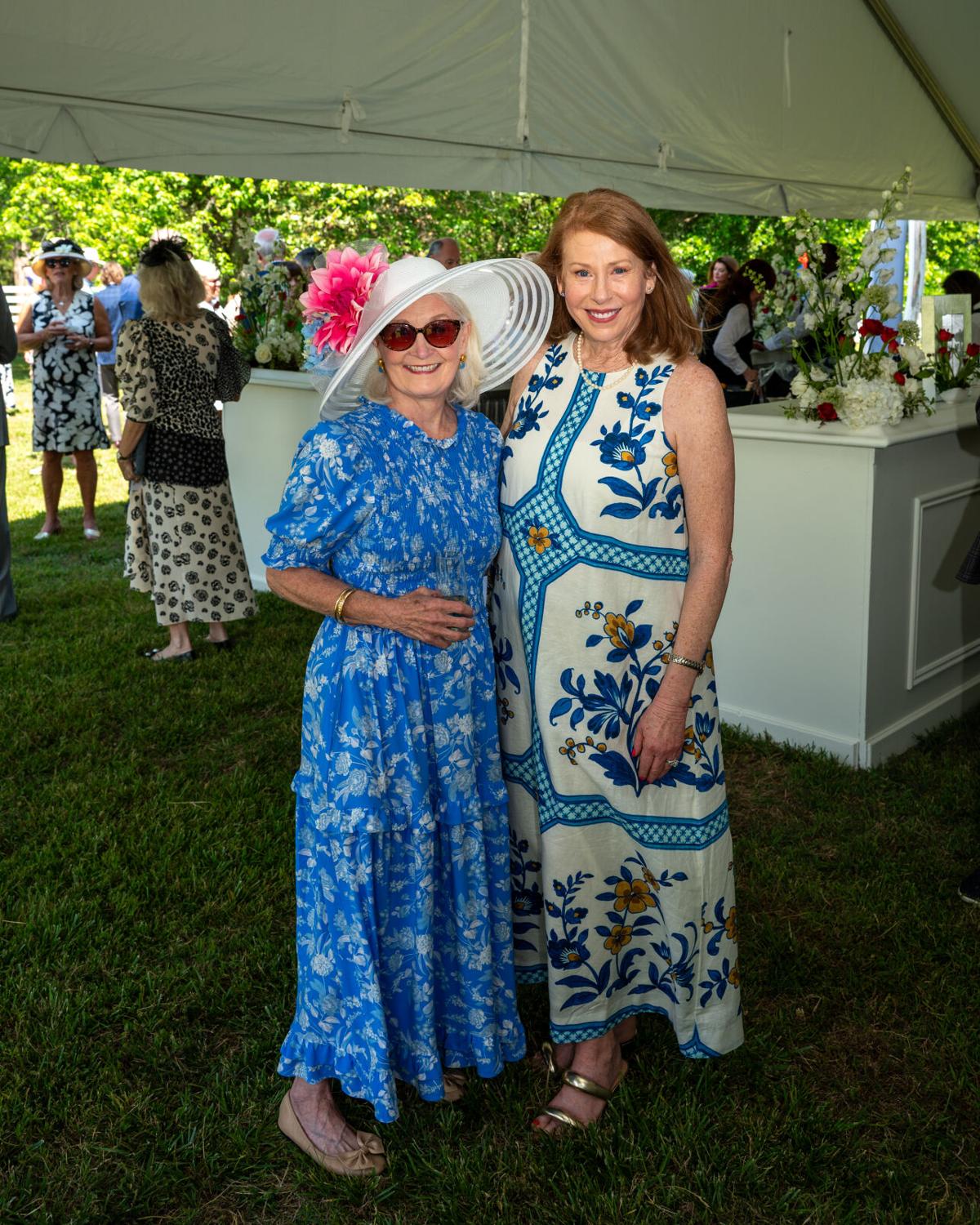
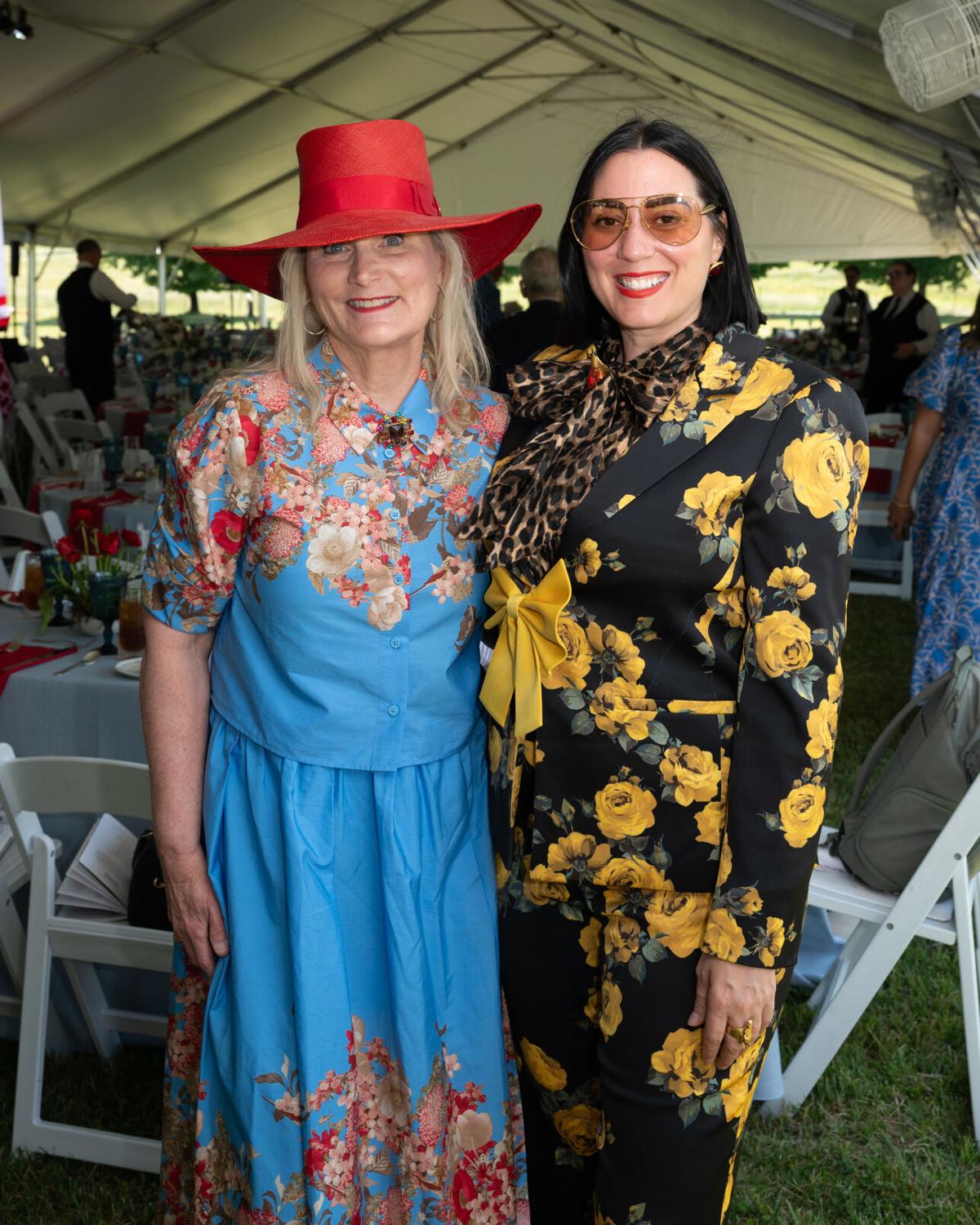
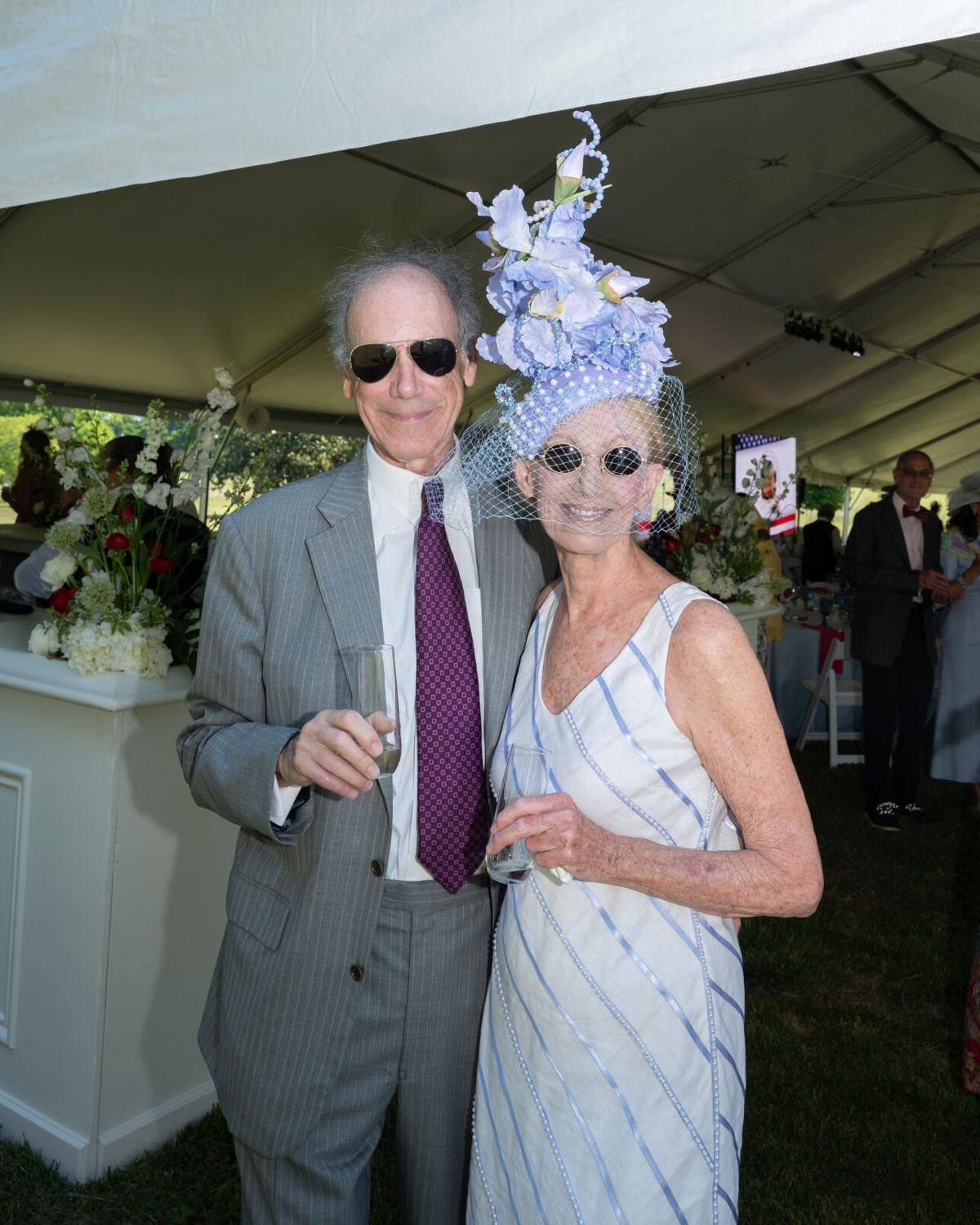
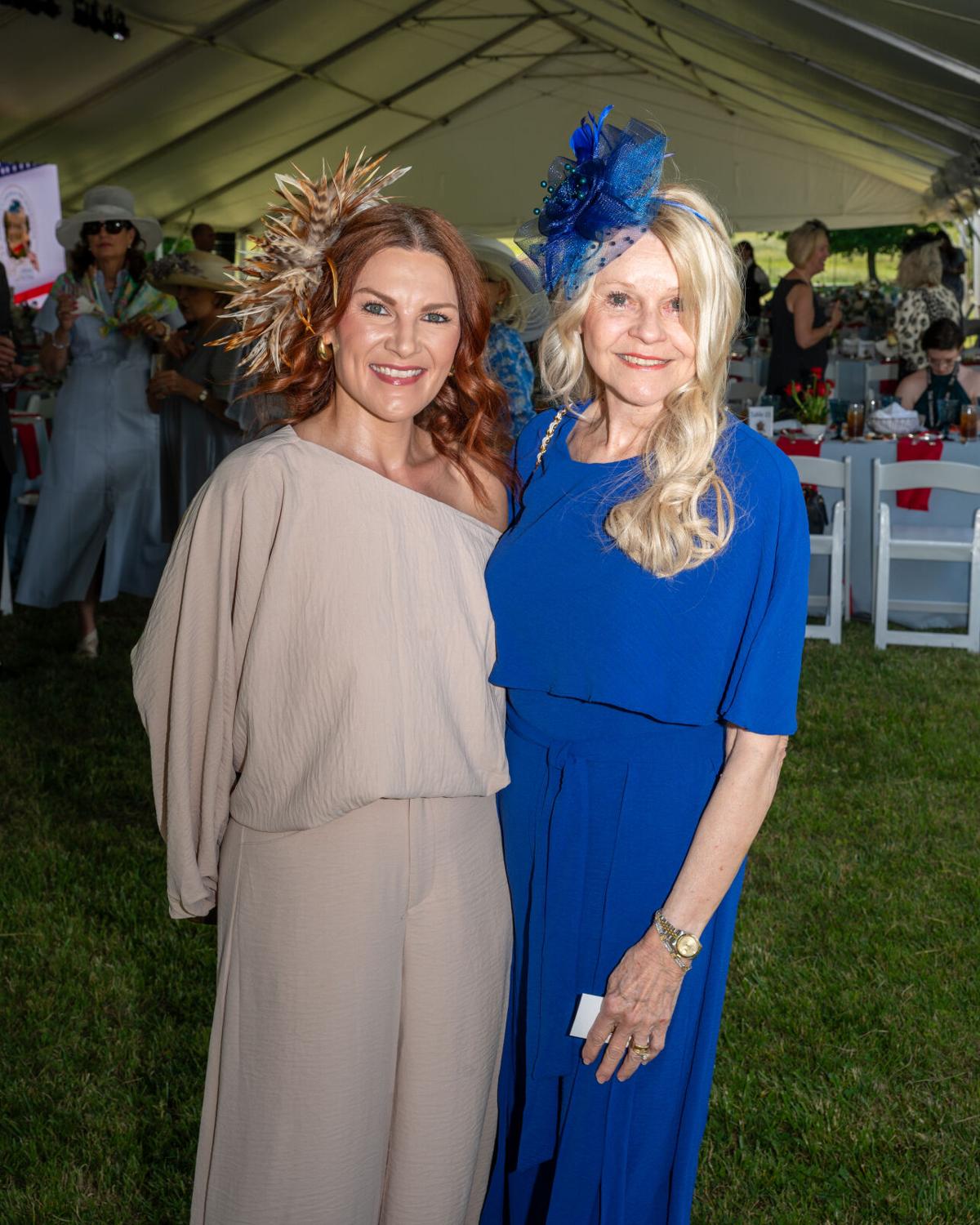
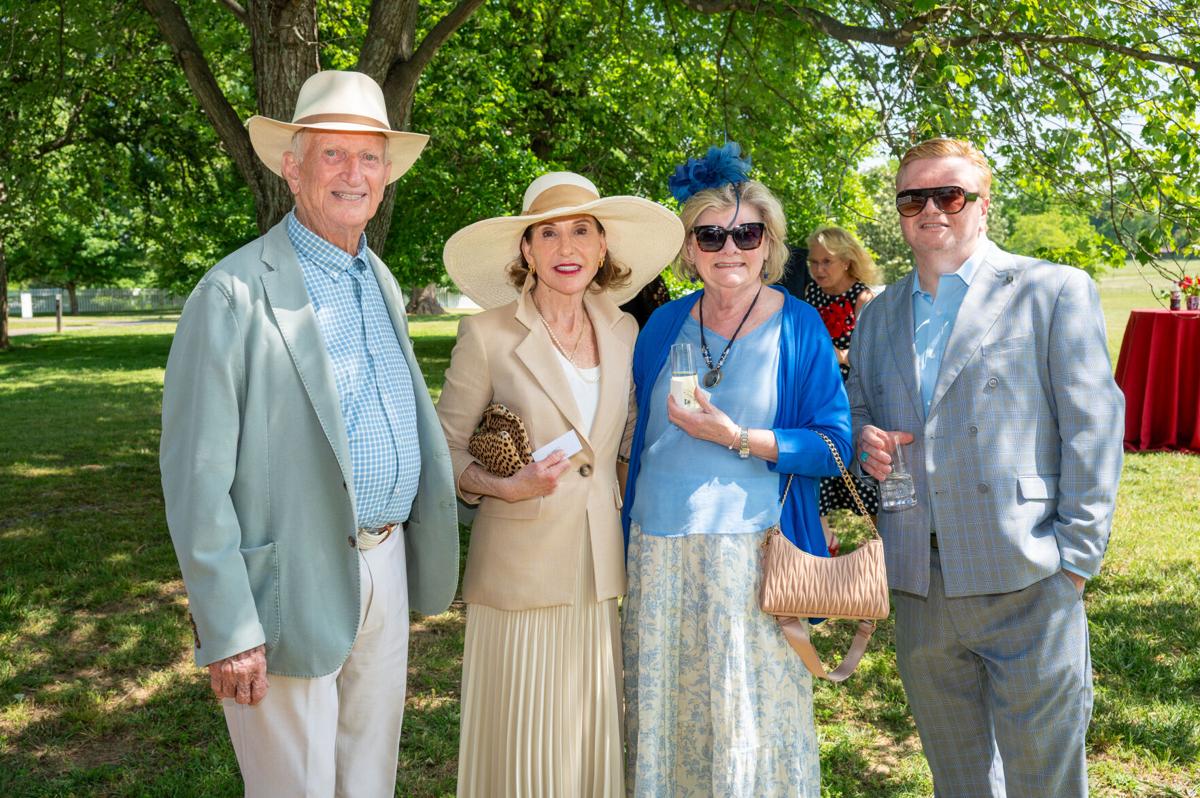
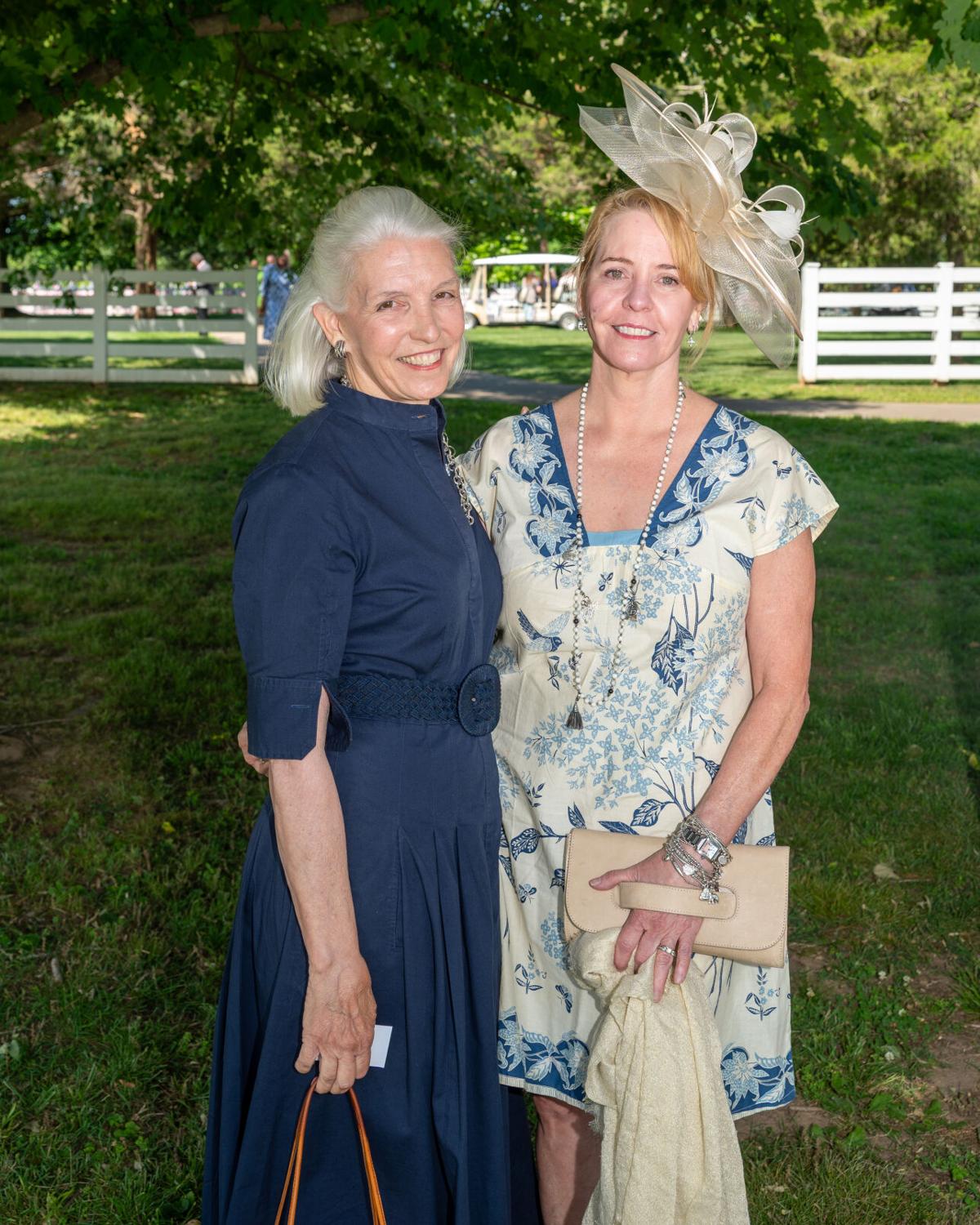
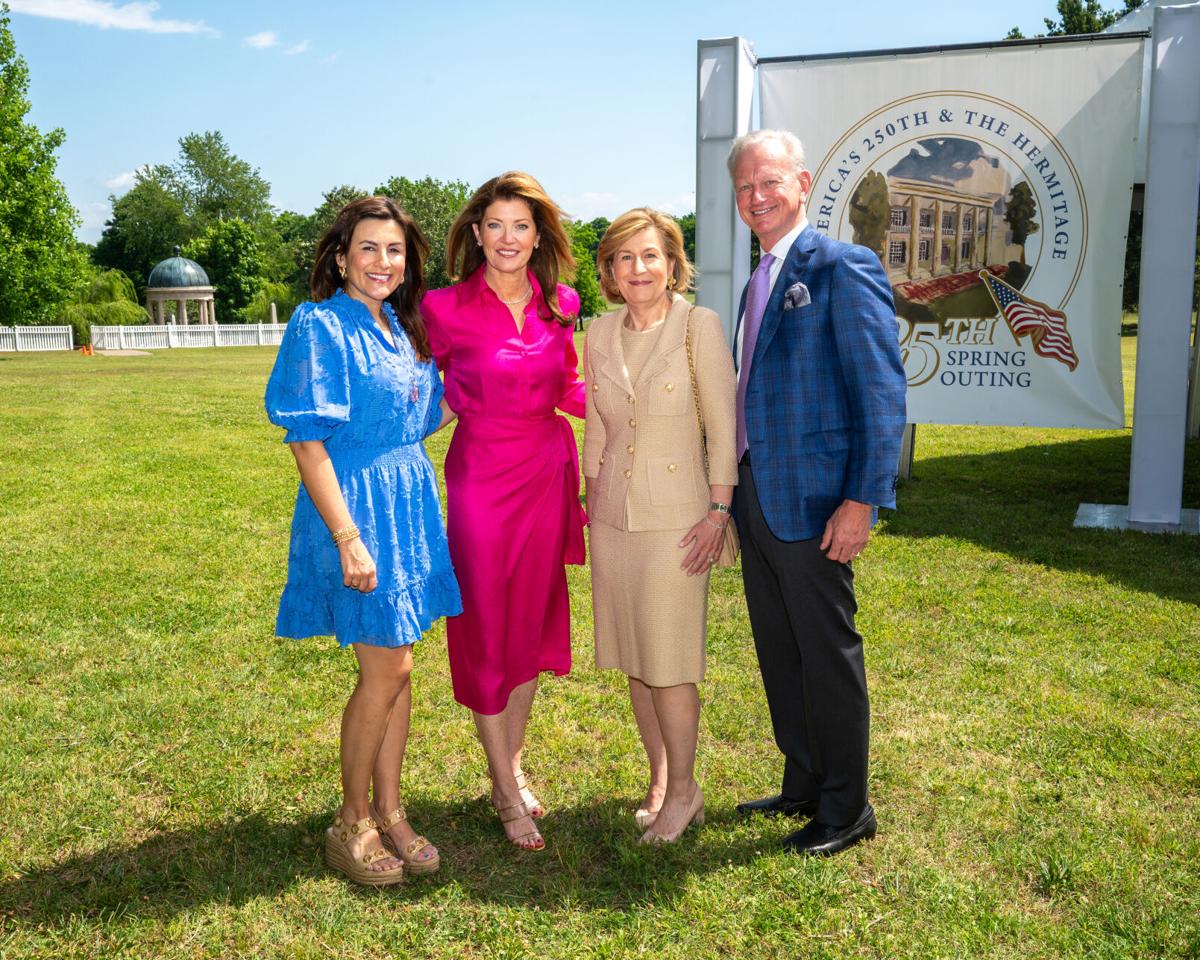
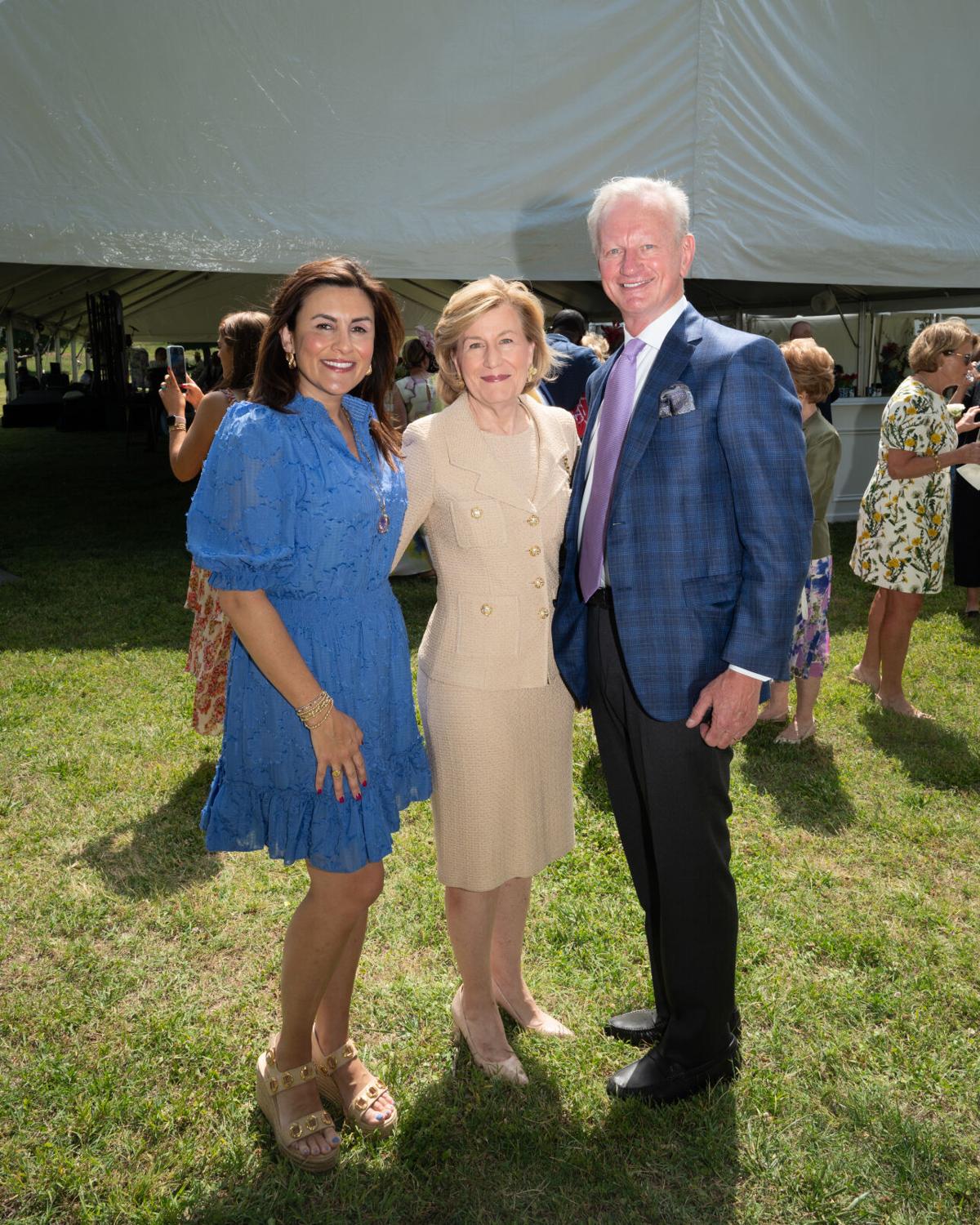
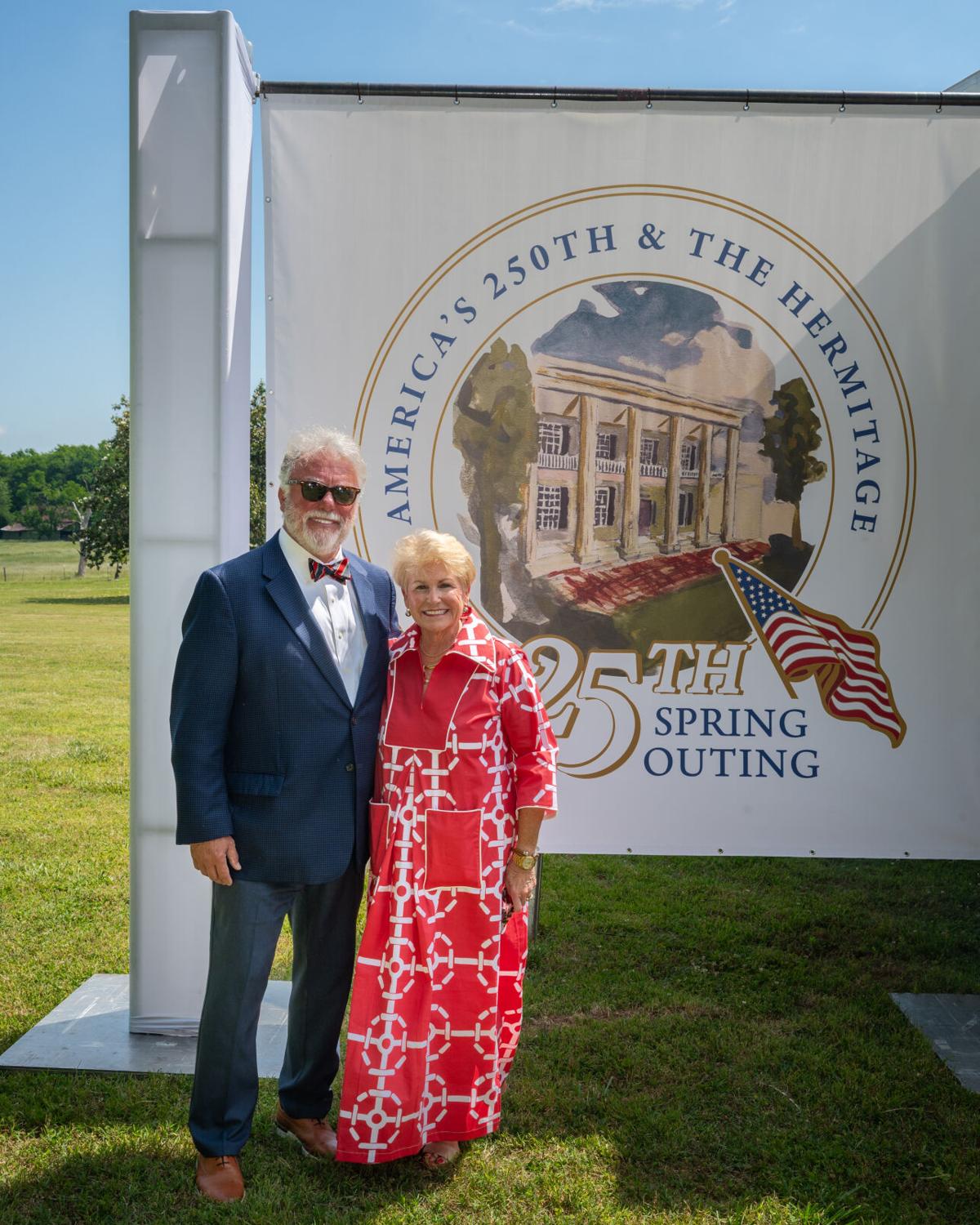
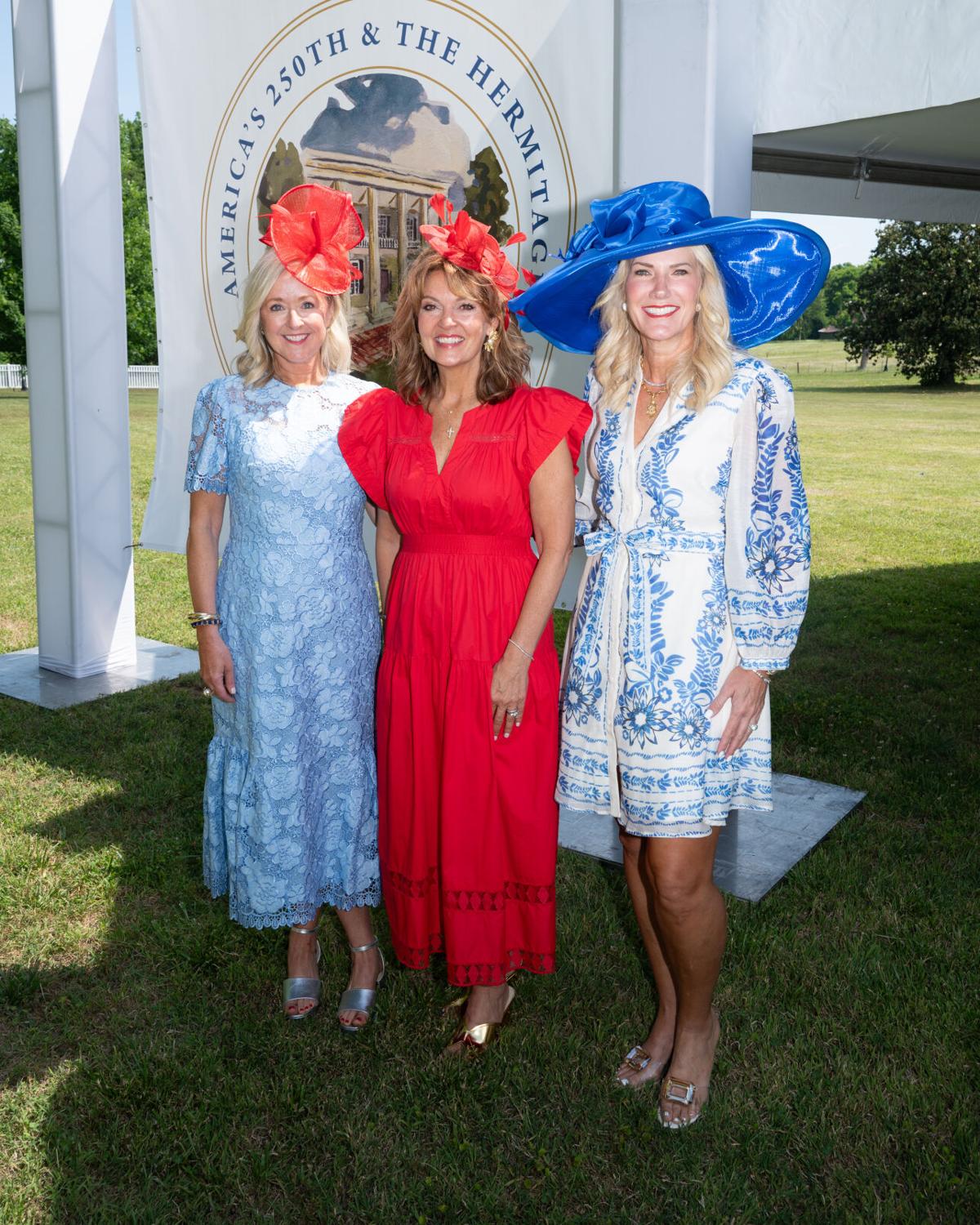
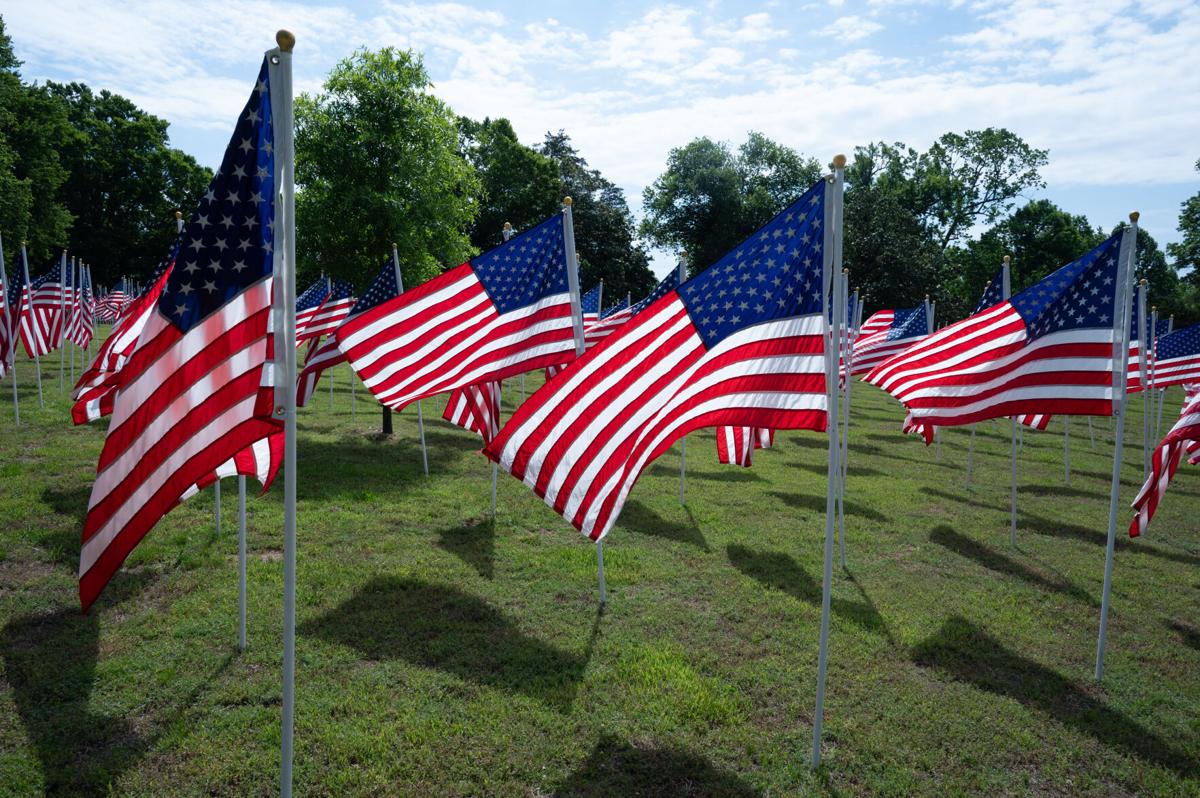
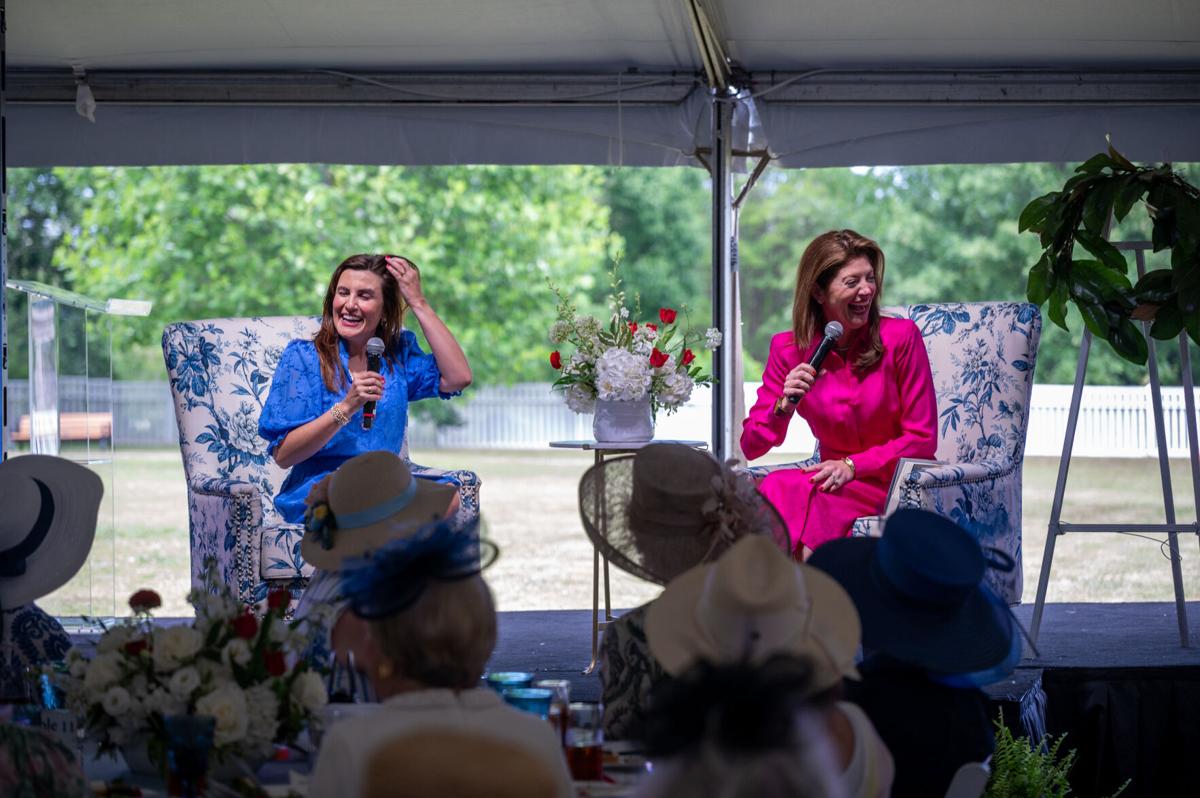
Over a century later, donors and supporters arrived at the Hermitage for the 125th Spring Outing. To reach the luncheon tent, floral-bedecked guests walked the Path of Glory, a temporary installation of 1,776 American flags honoring the 250th birthday of the United States. As guests arrived, co-chairs Suzanne Smothers, Jennifer Stadler and Robi Warner circulated the crowd, building excitement about this year’s excellent keynote — a discussion between two esteemed women driven by purpose, Norah O’Donnell and Kate Andersen Brower, coauthors of We the Women.
The book honors unsung female historical figures who helped shape the nation. O’Donnell, senior correspondent for CBS News, summarized the theme of the book by reminding the rapt audience: “Women are not a footnote in history.”
The pair told the story of Mary Katherine Goddard, the first female postmaster general who was appointed by Benjamin Franklin and also ran a print shop. The framers of the Declaration of Independence turned to Goddard to print copies of the cornerstone document to distribute to the states. The authors also discussed Phillis Wheatley, the first Black woman in America to publish a book of poetry. And they remembered the legacy of Rachel Jackson, former first lady and resident of the Hermitage, whom they identified as the first real “victim” of presidential politics.
The afternoon continued with story after story of women whose contributions have remained largely hidden from the history books. But O’Donnell closed with an uplifting message: “I’m hopeful about a whole new generation of leaders in America that don’t see boundaries — that don’t see limitations on what they can do.”







Janet Kurtz
Editor-in-Chief

Eric England
Senior Photographer


