
Woven of Many Threads: Nashville Ballet’s “Anthology” Intertwines Art, History and Music
-
Karin Mathis
Managing Editor
- Updated


“All we know is how they saw you…”
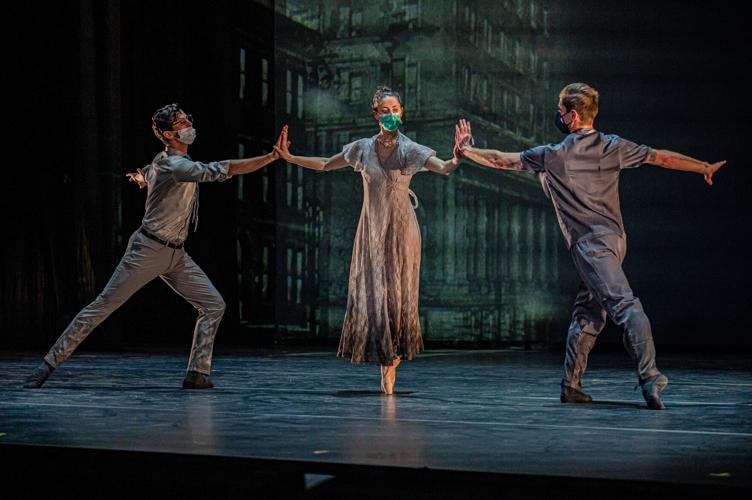
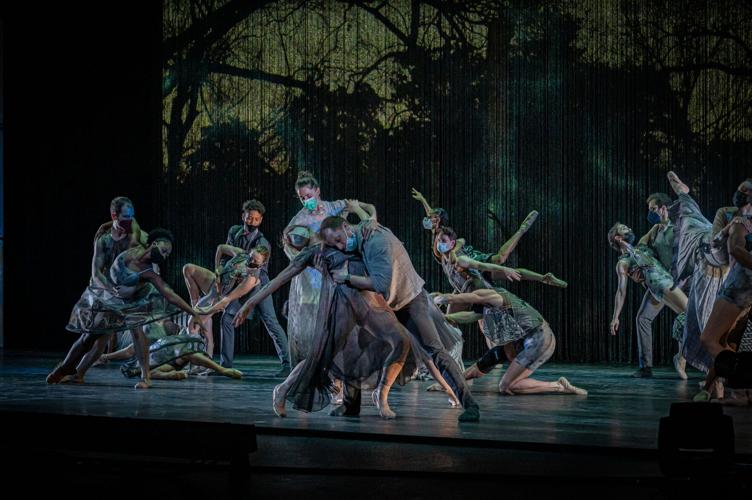
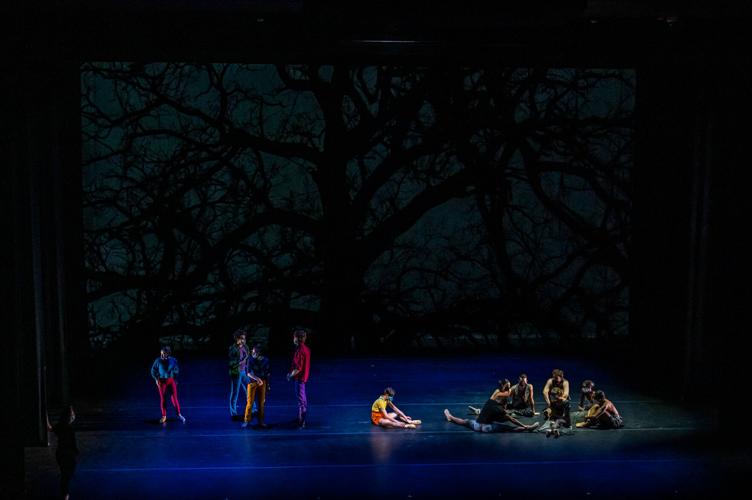
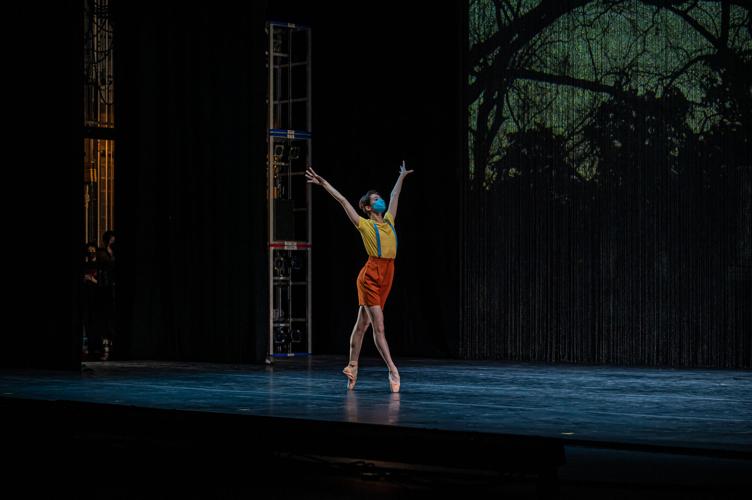
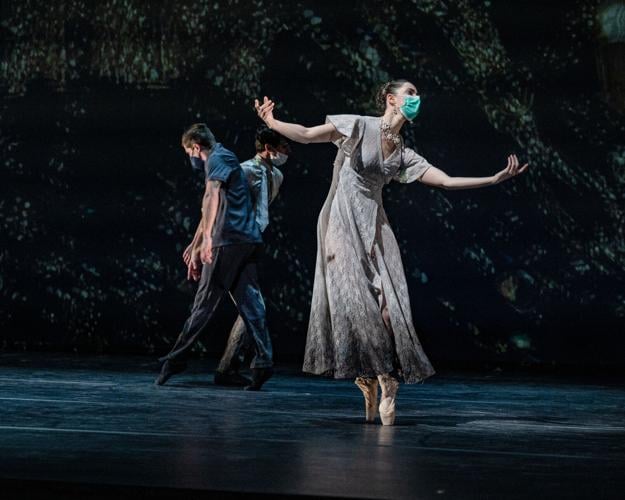
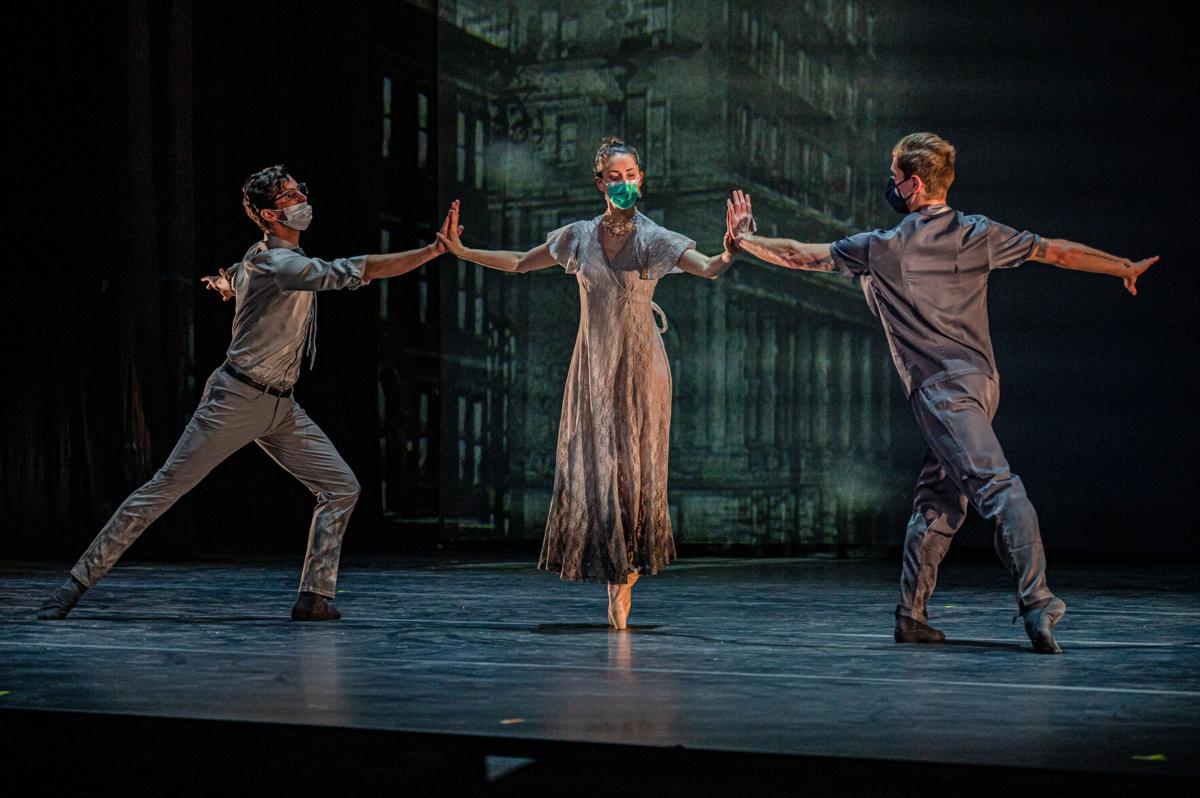
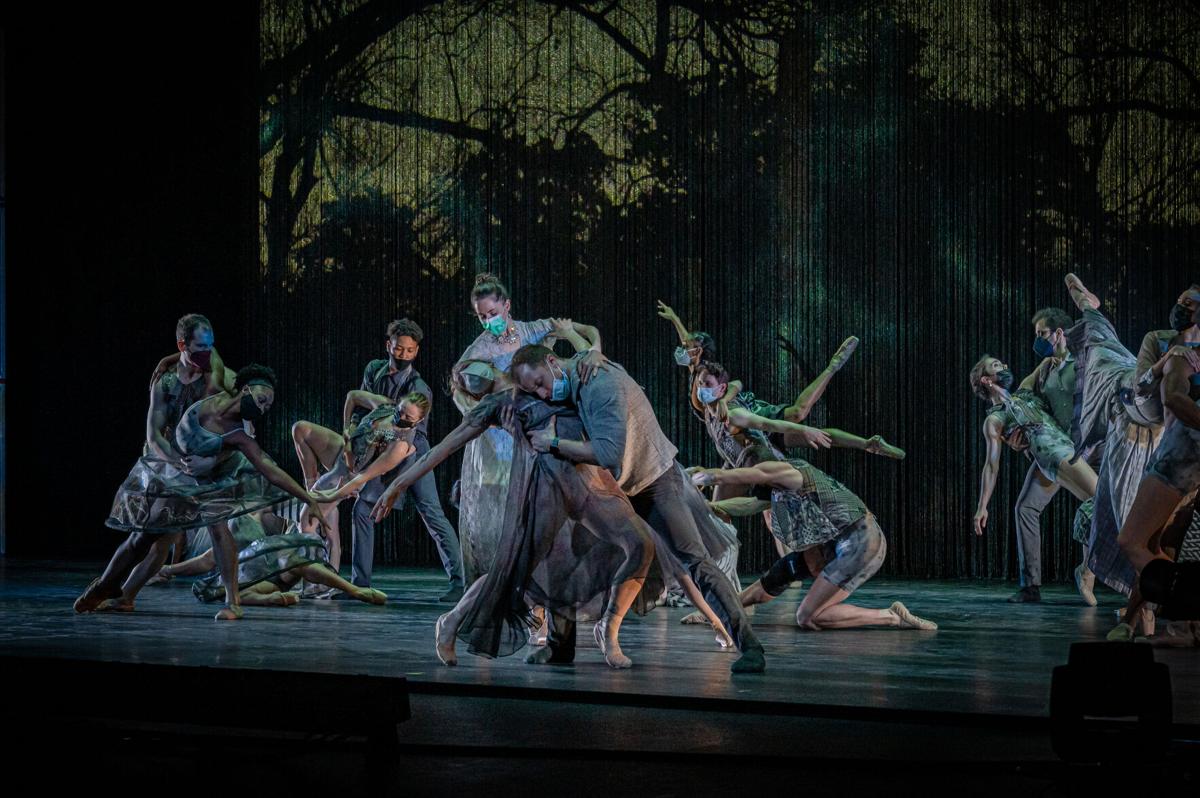
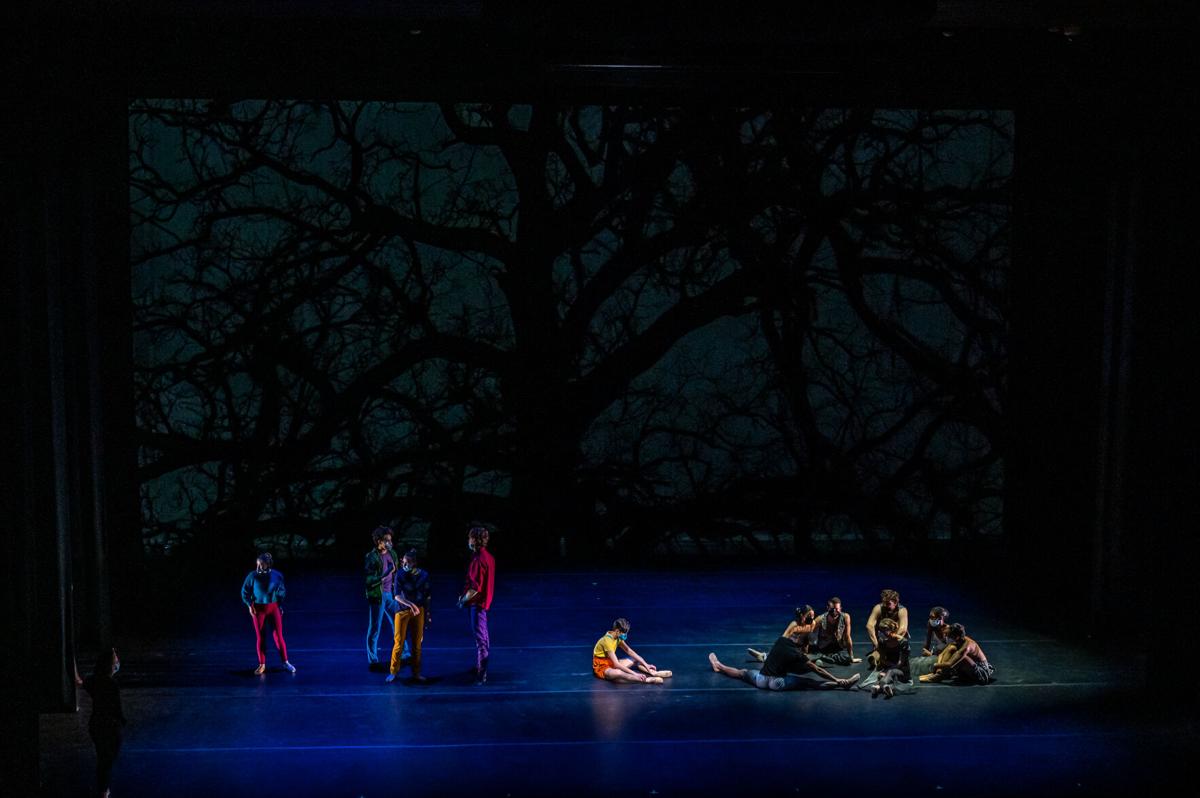
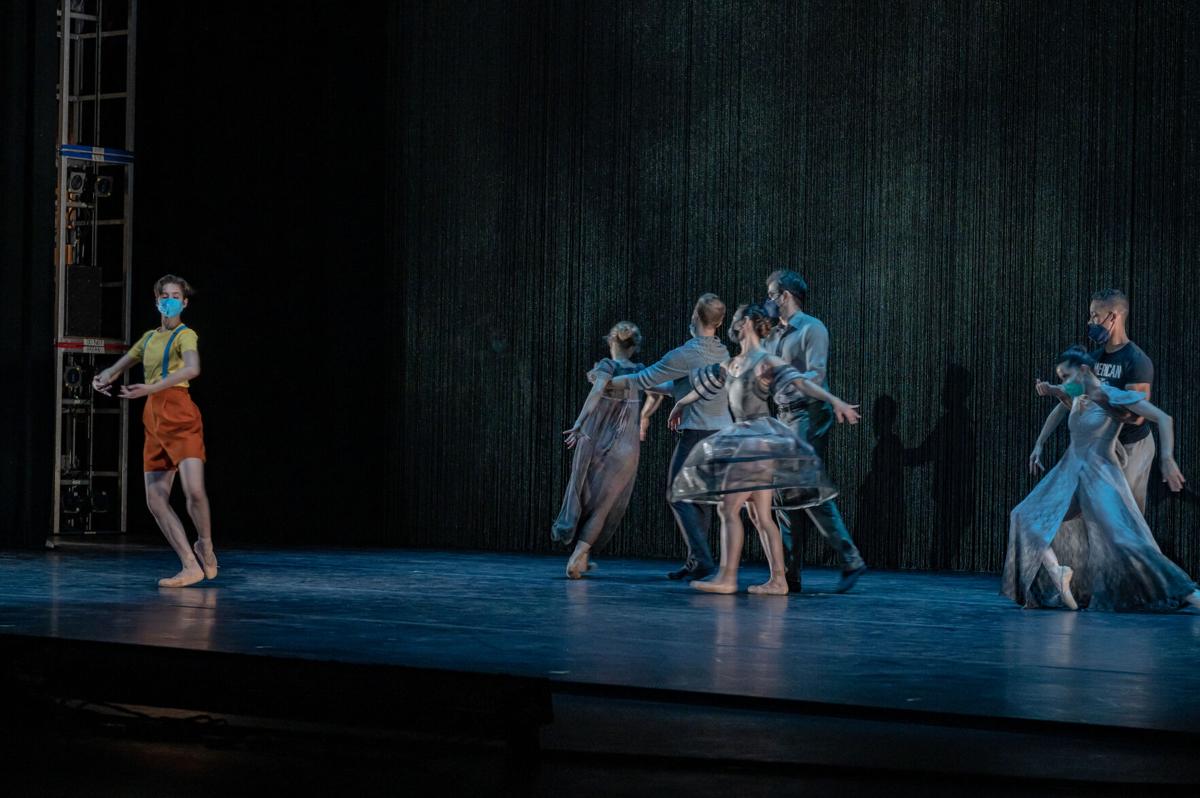
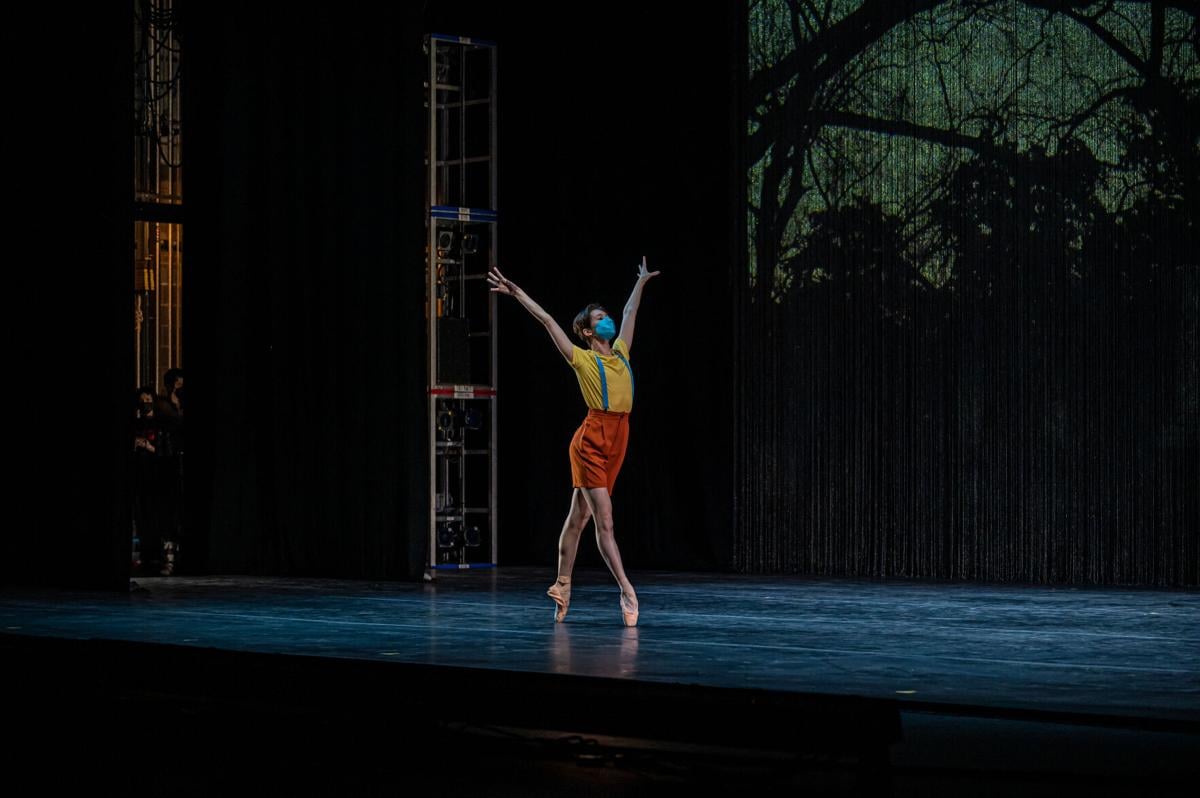
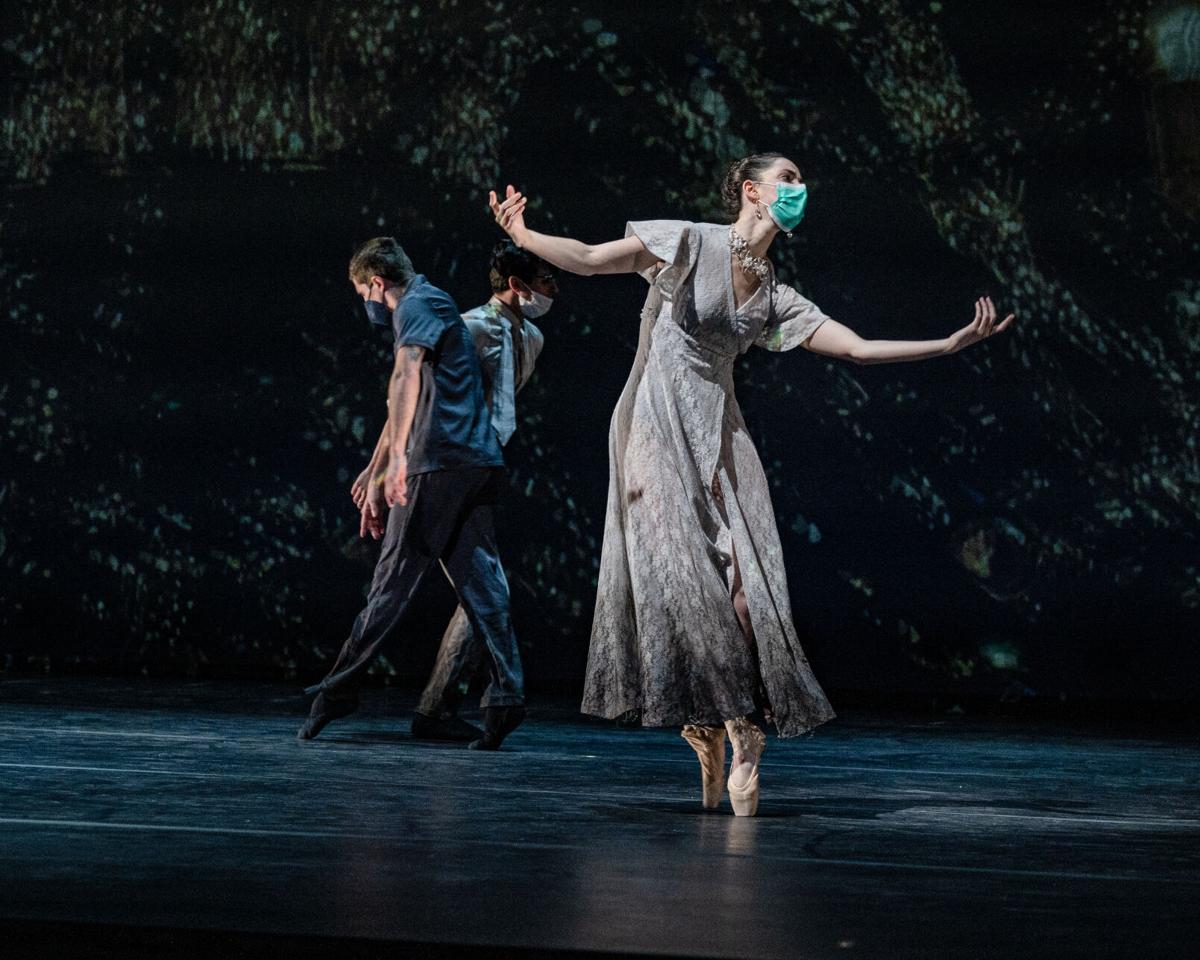
Projected on and through a curtain of beads are scenes of gnarled branches, at once stern and familiar — these are gray and ghoulish images of Nashville City Cemetery.
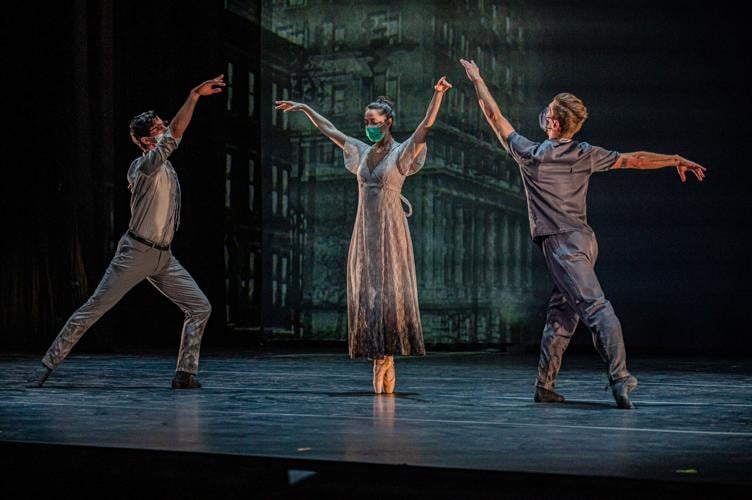
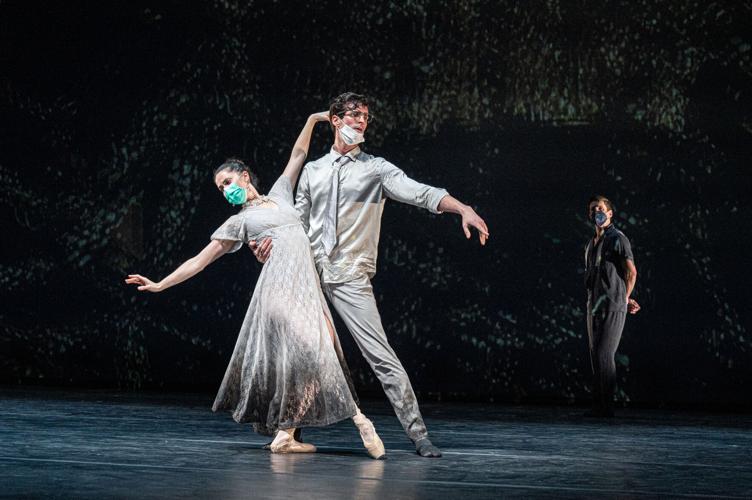
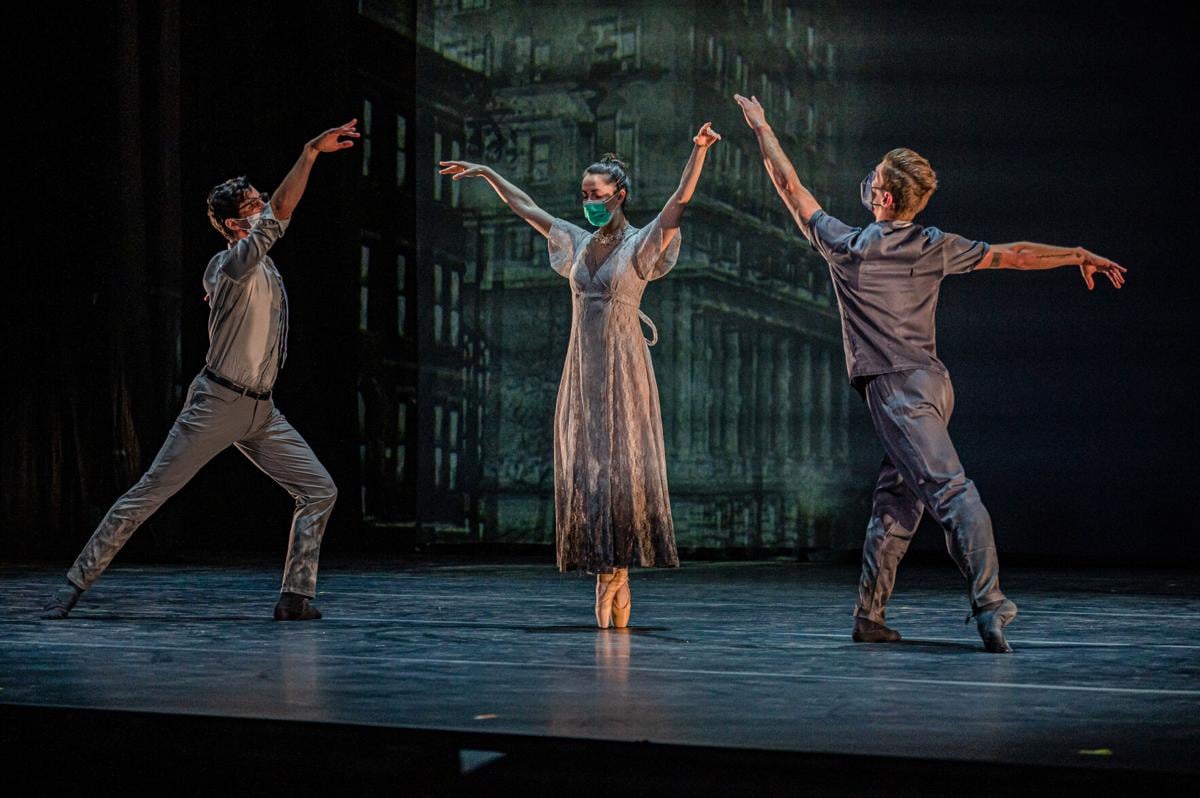
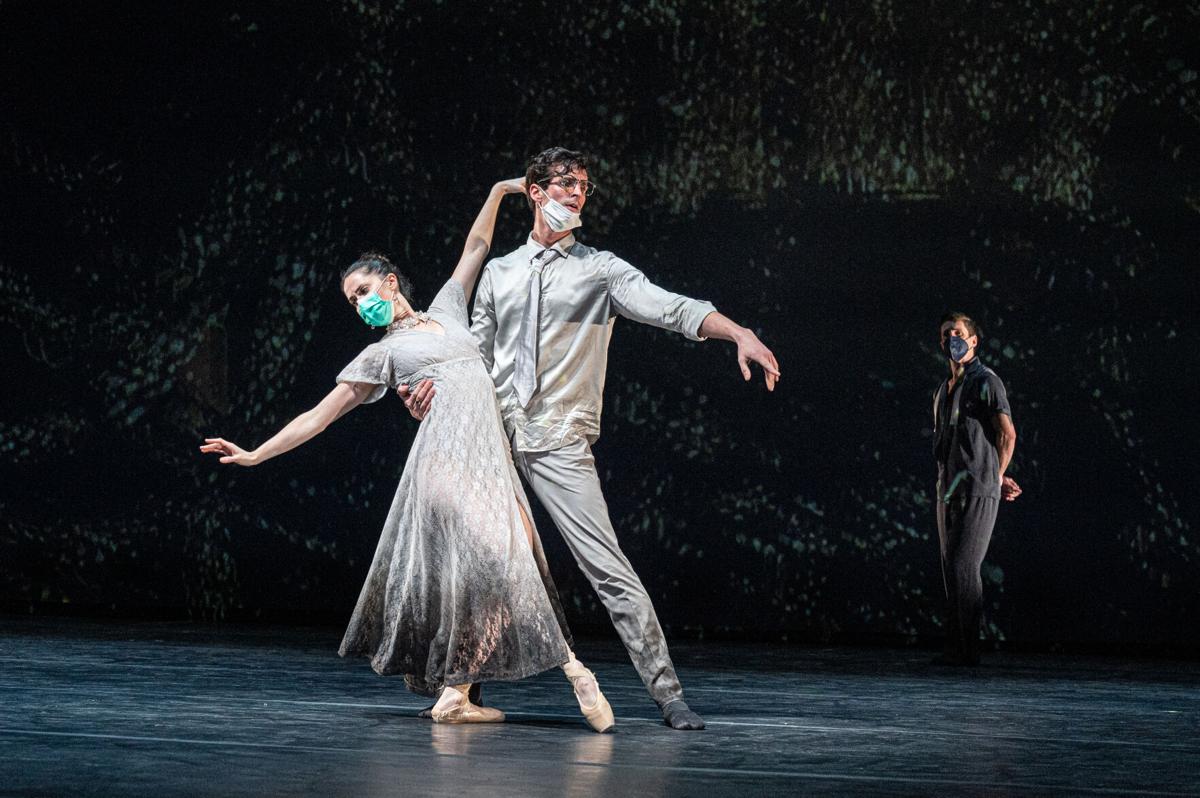
The idea of ghosts usually evokes thoughts of spooks, of death and of darkness, but that is not the case in Anthology. The featured vignettes are not scary or spooky — they are memories where family and loved ones gather to remember. While the living sometimes feel sadness as they think on the past and on the passed, the act of remembrance is a joyful thing.
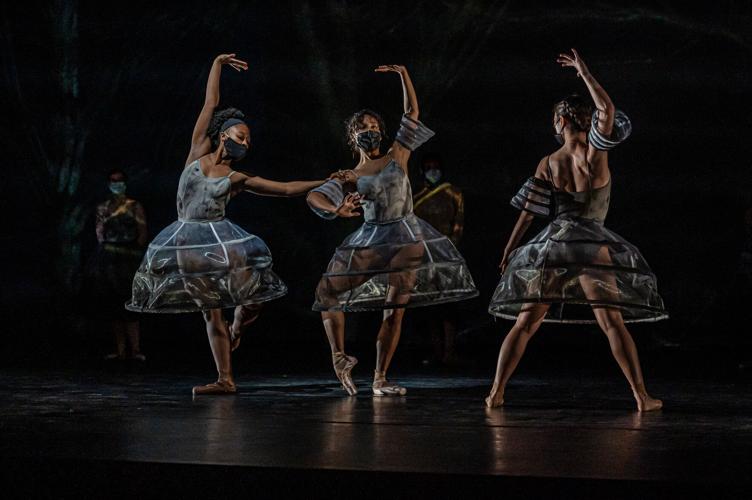
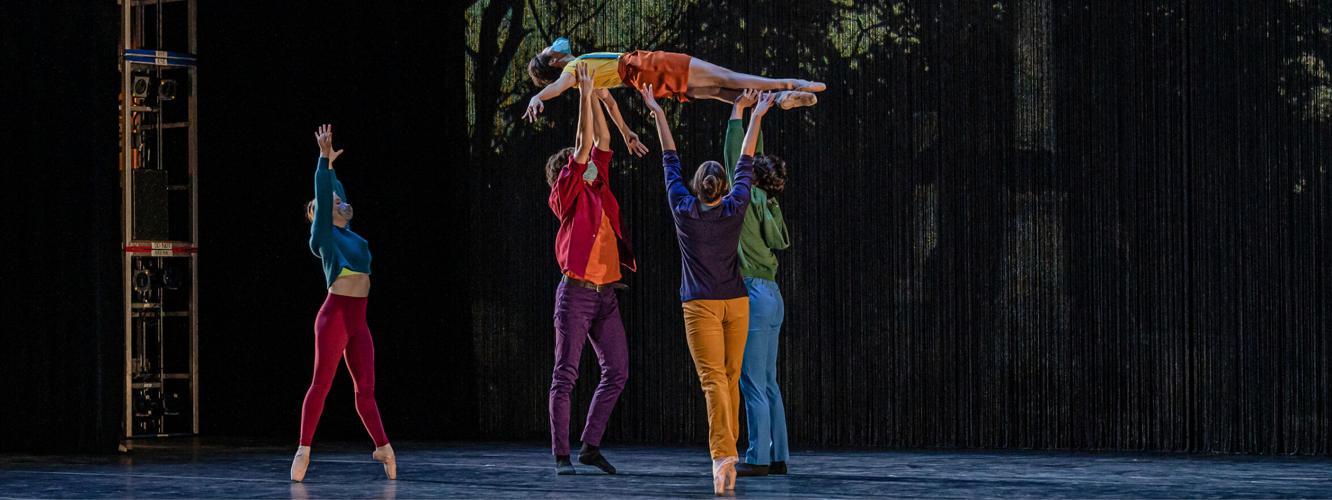
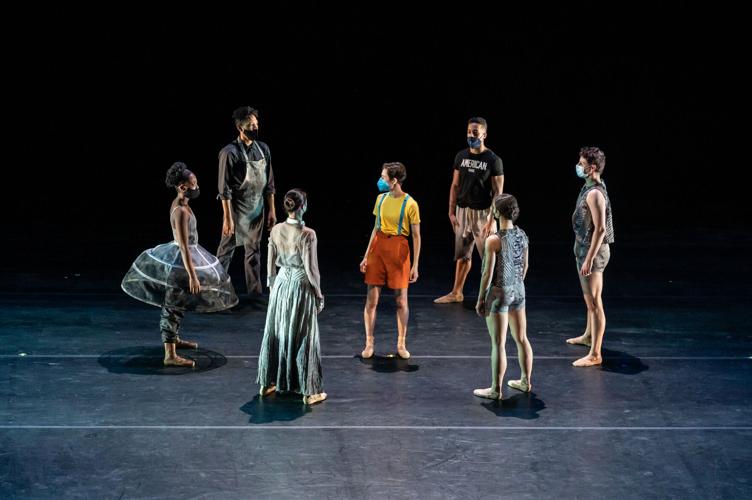
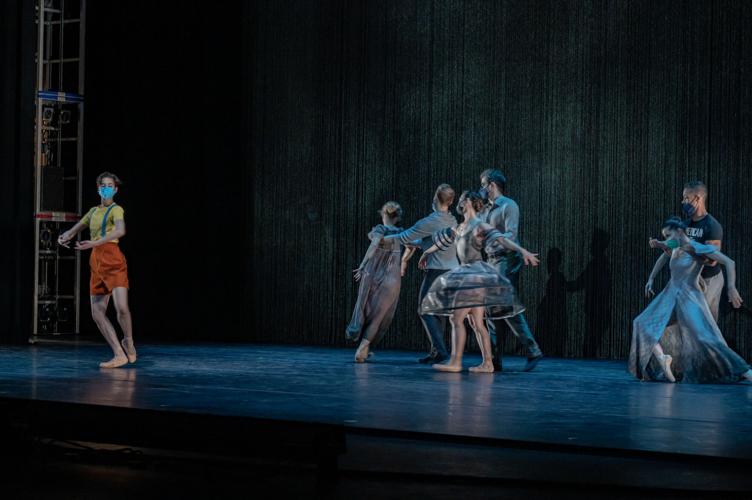
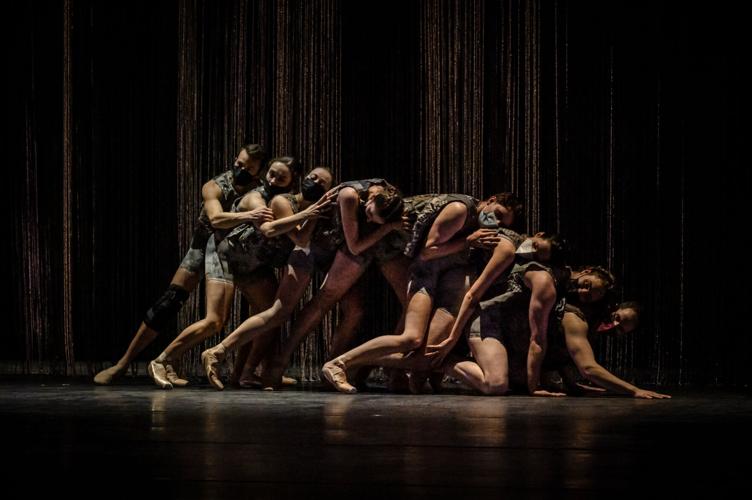
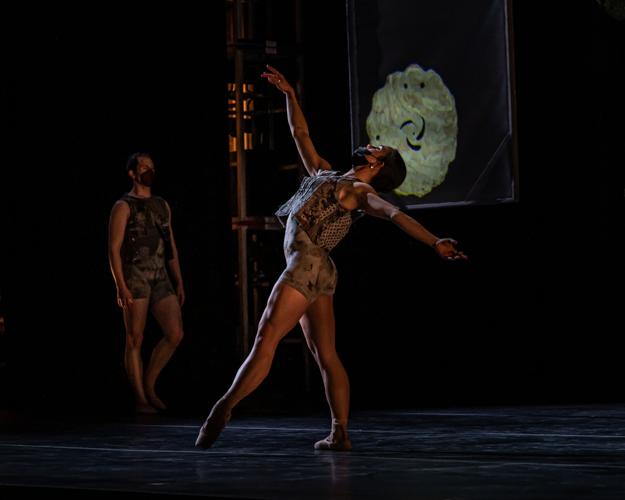
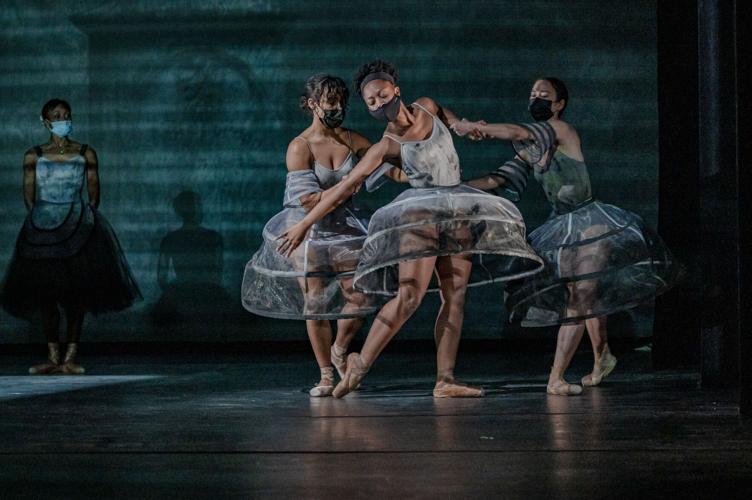
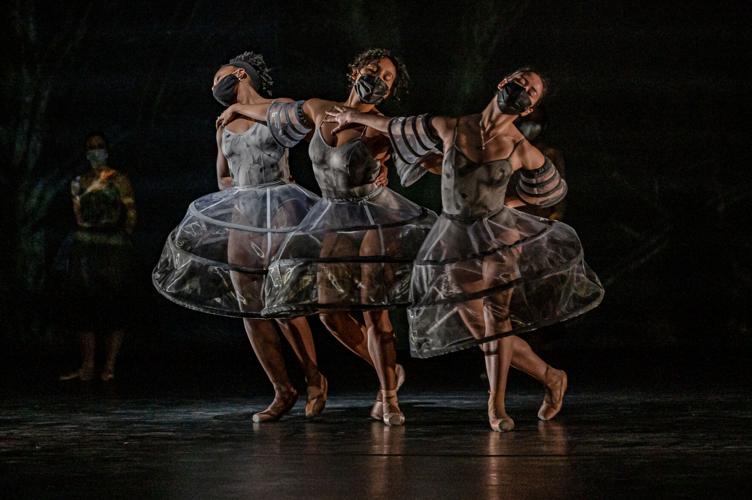
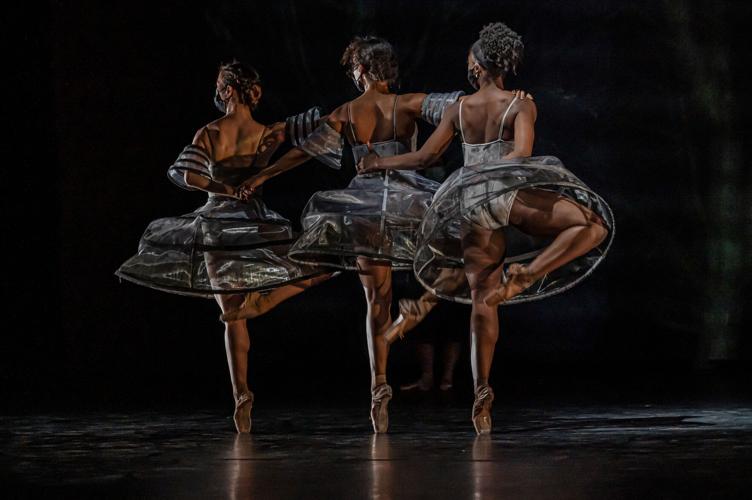
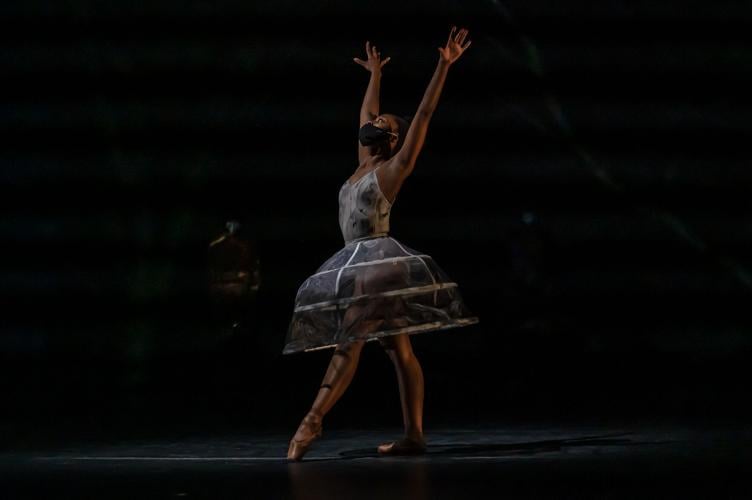
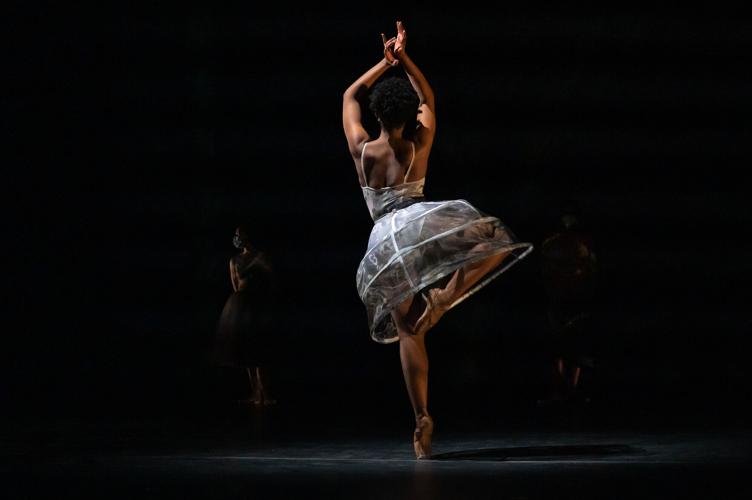
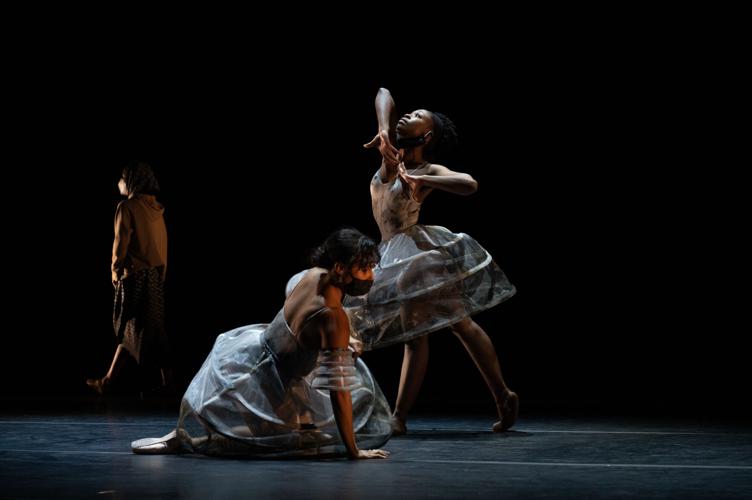
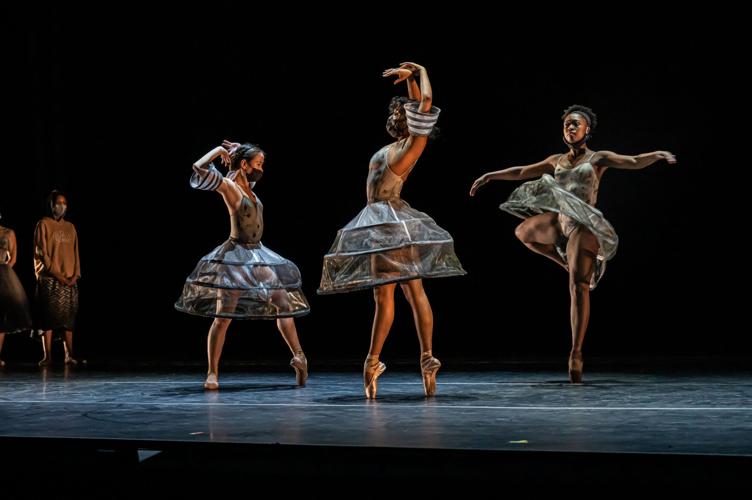
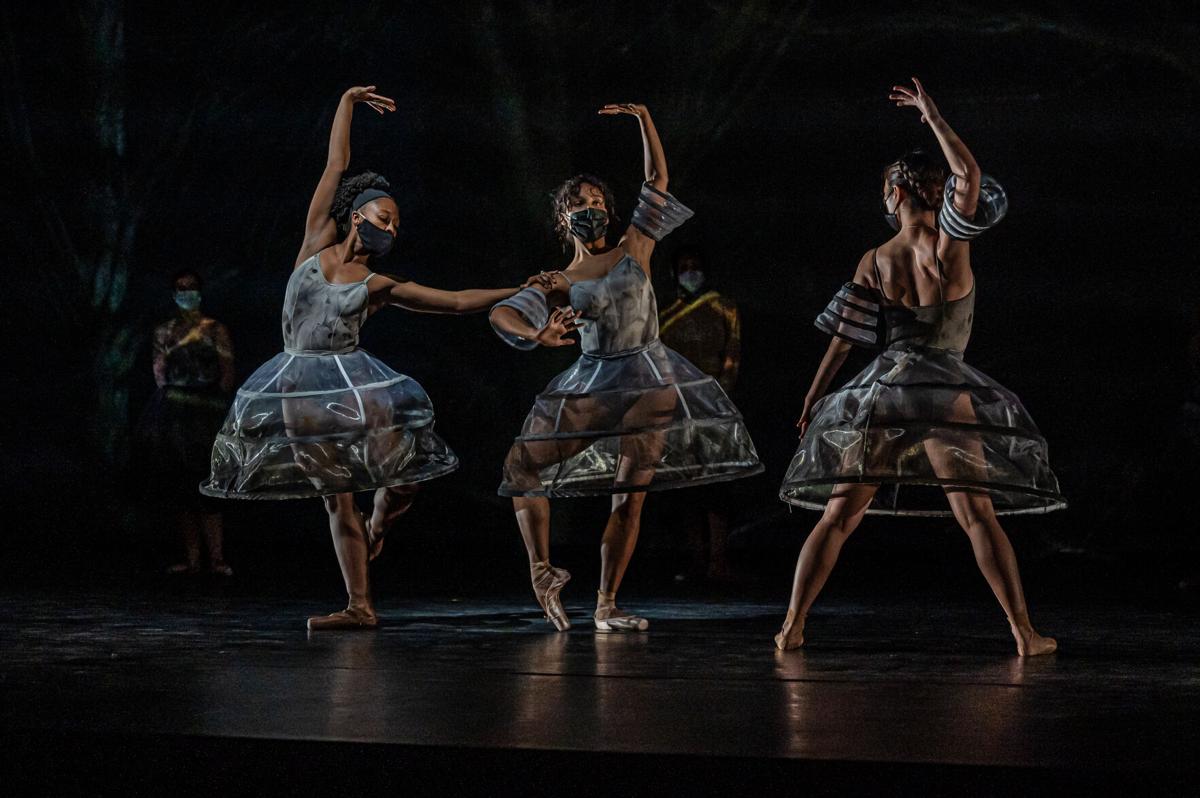
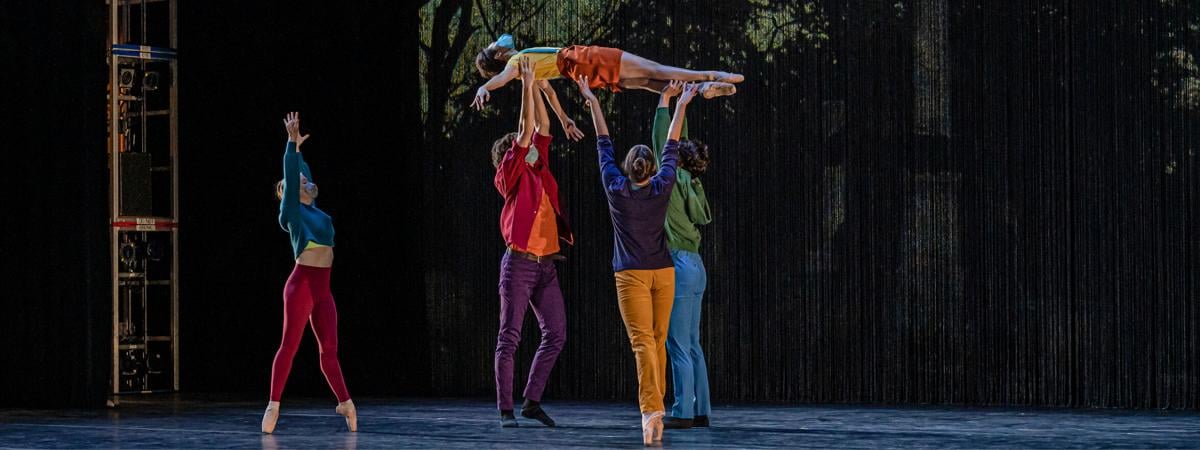
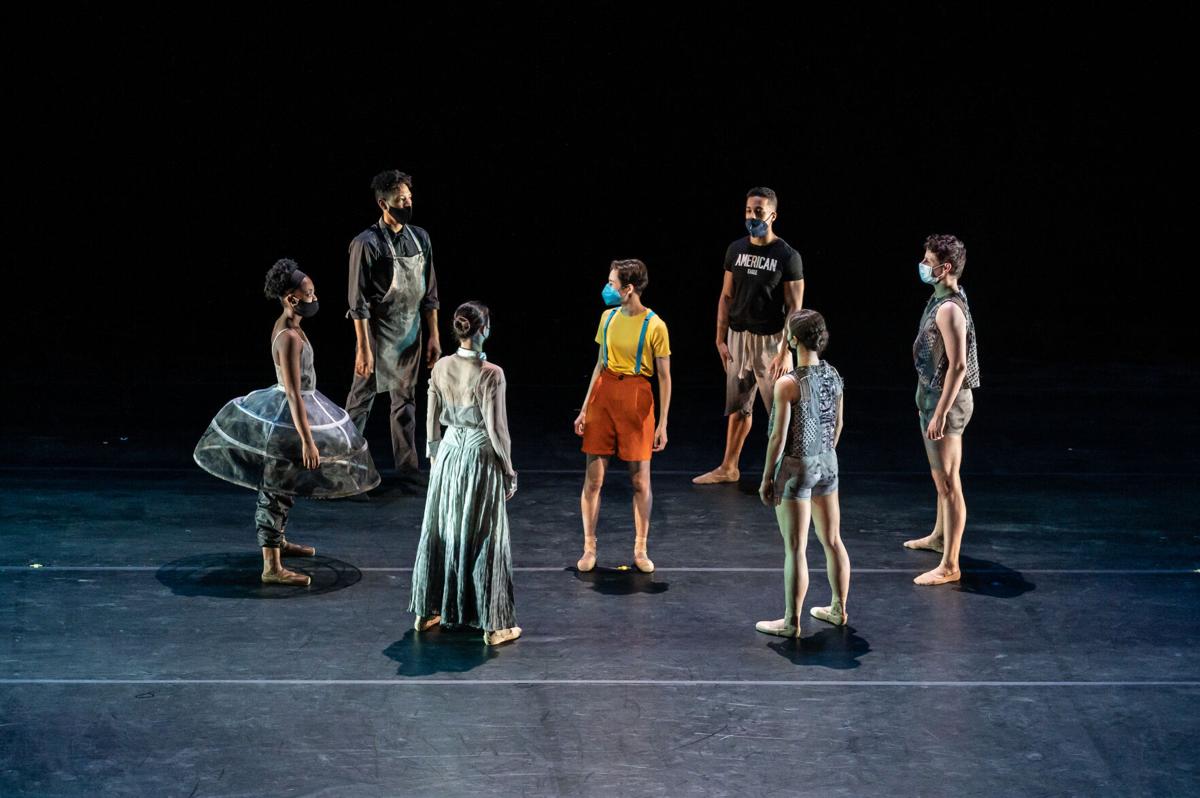
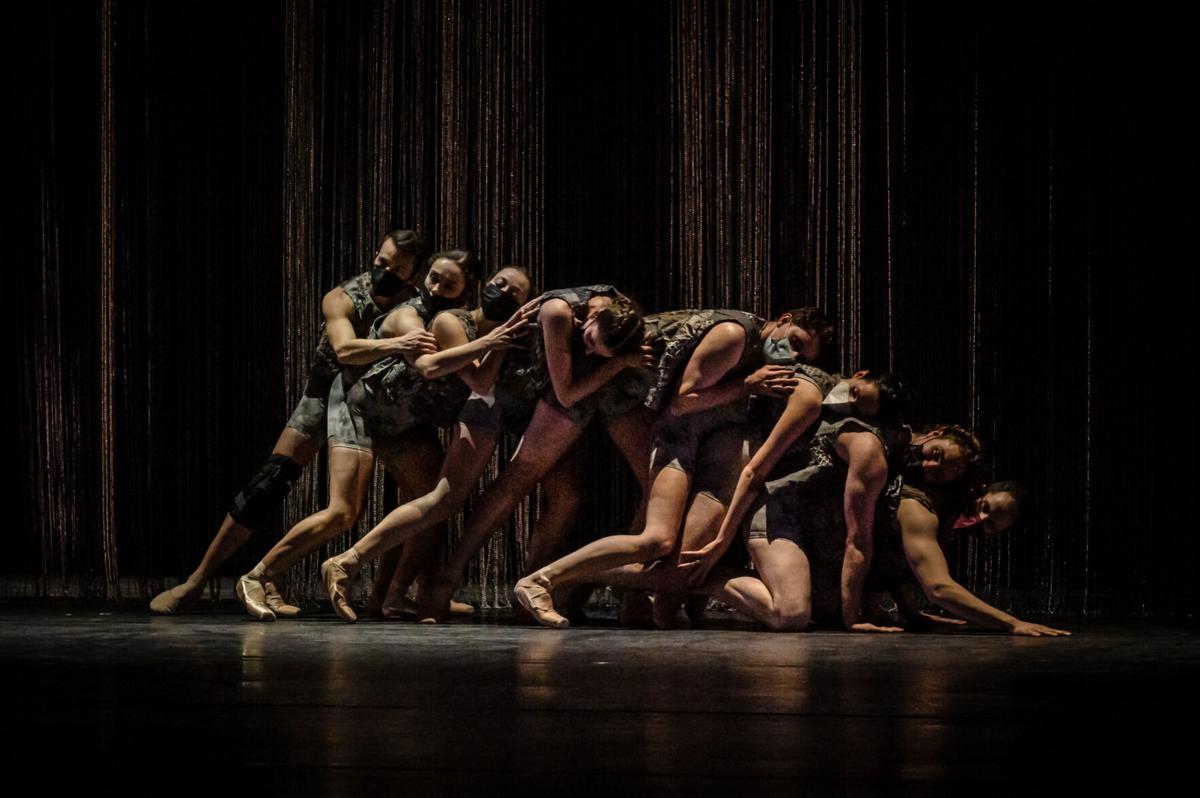
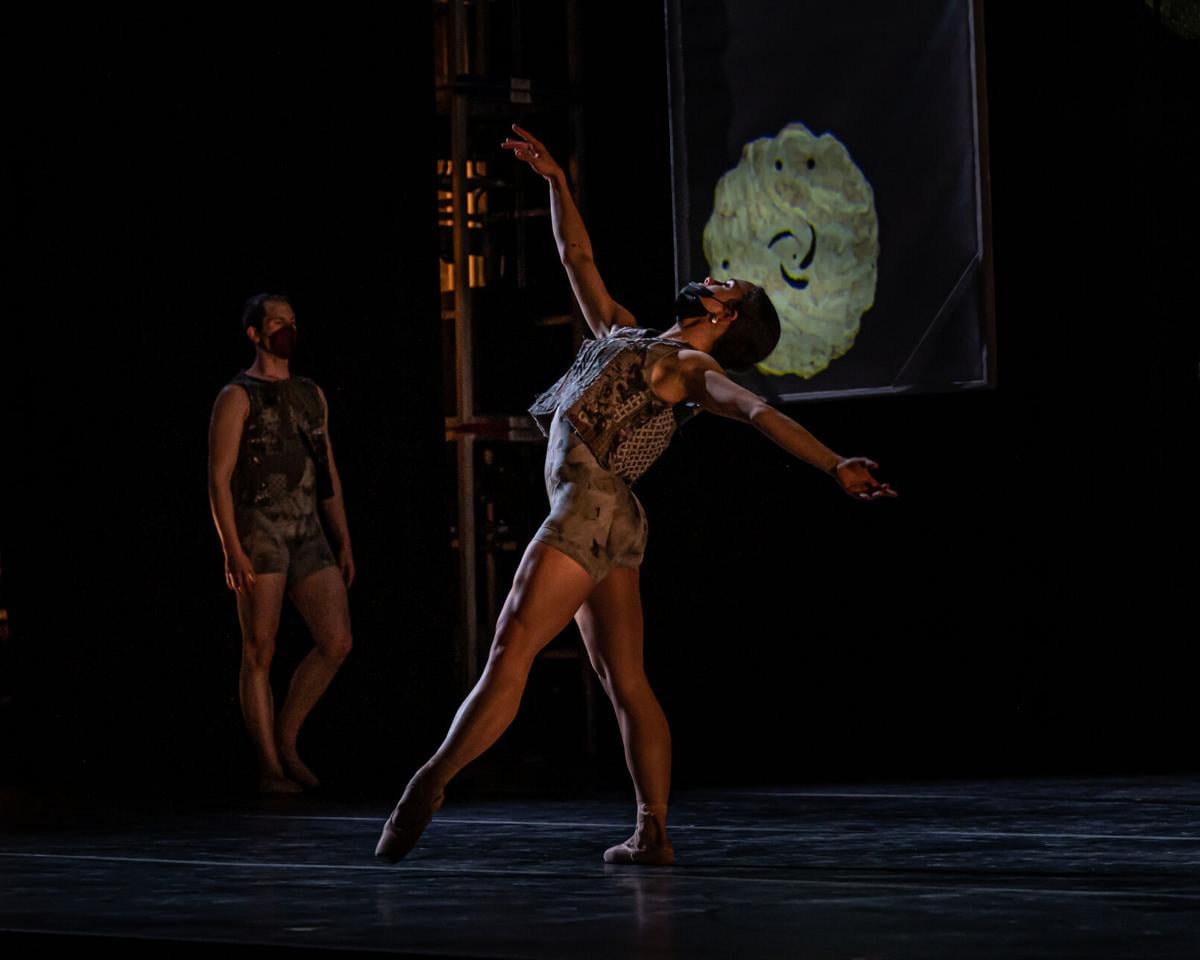
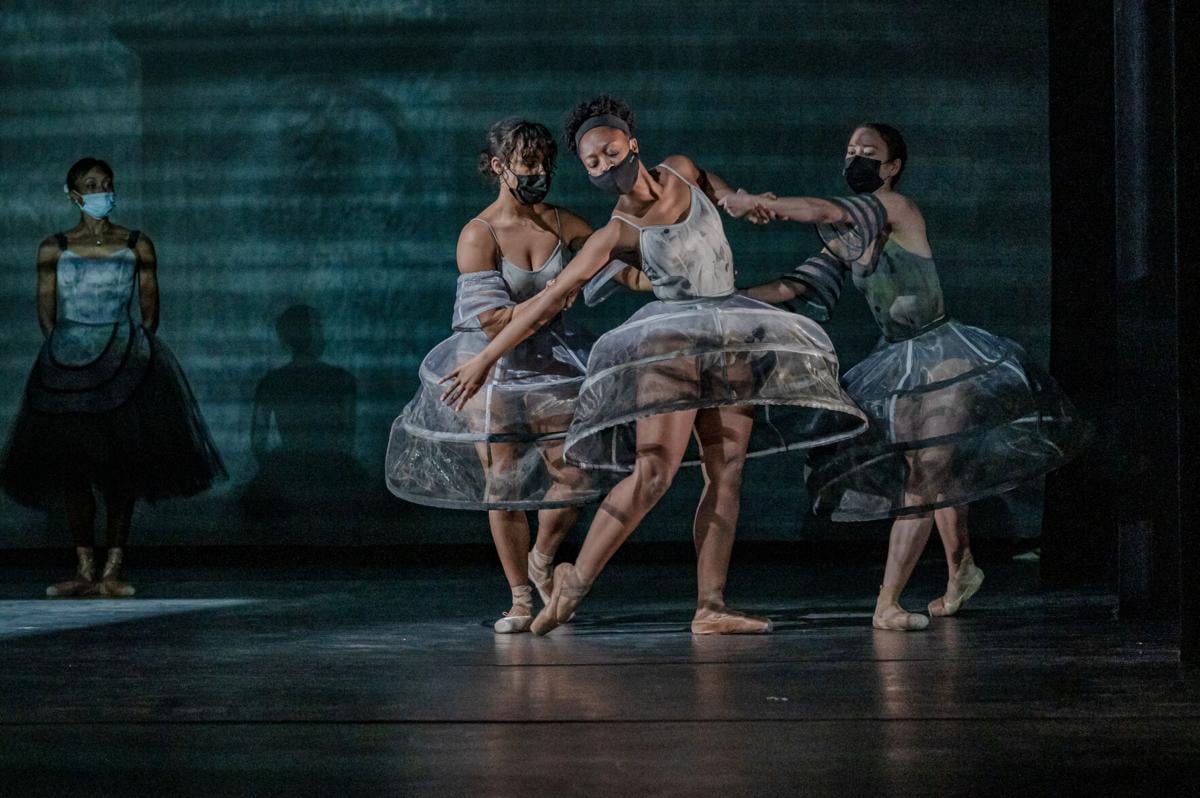
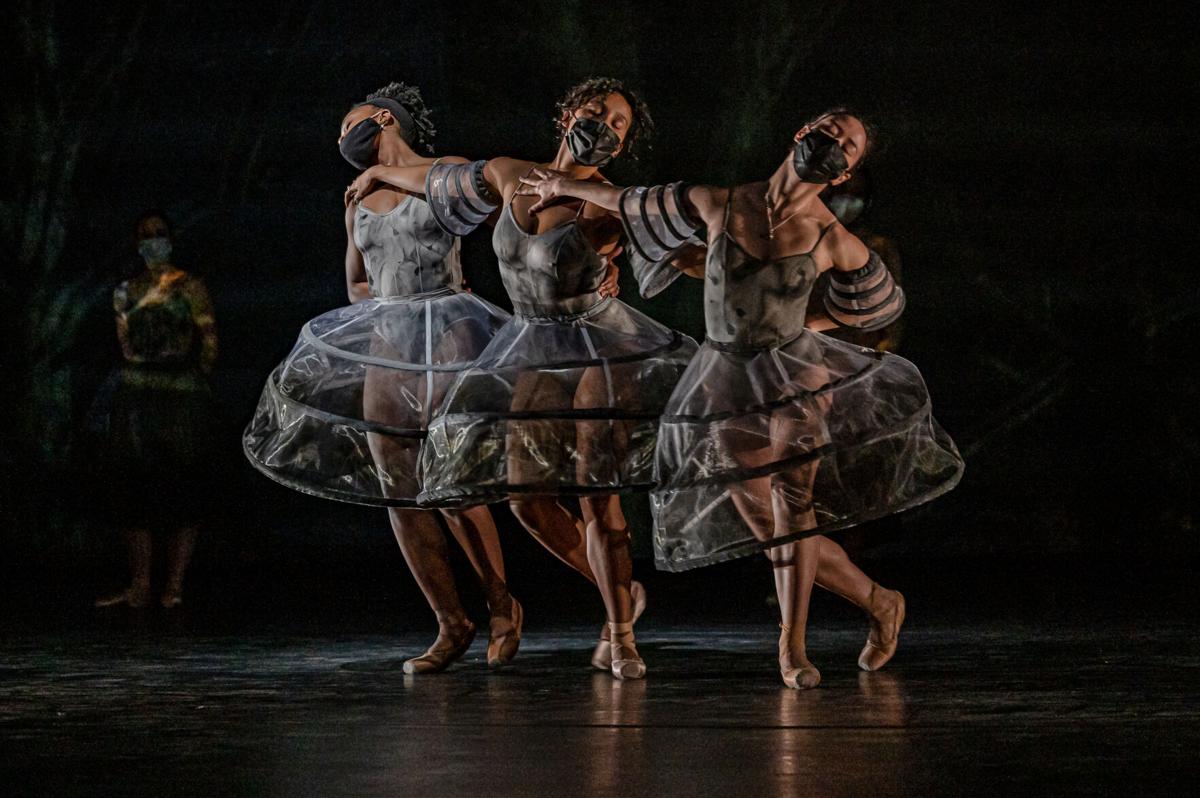
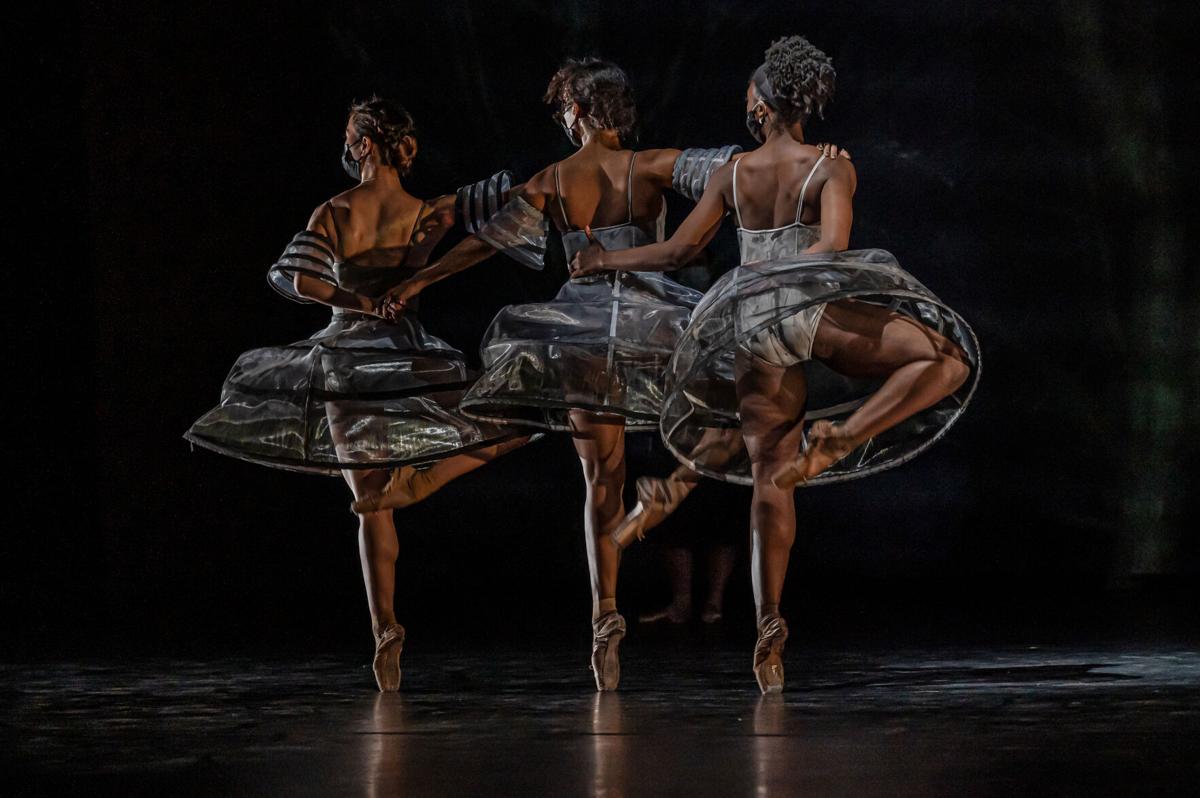
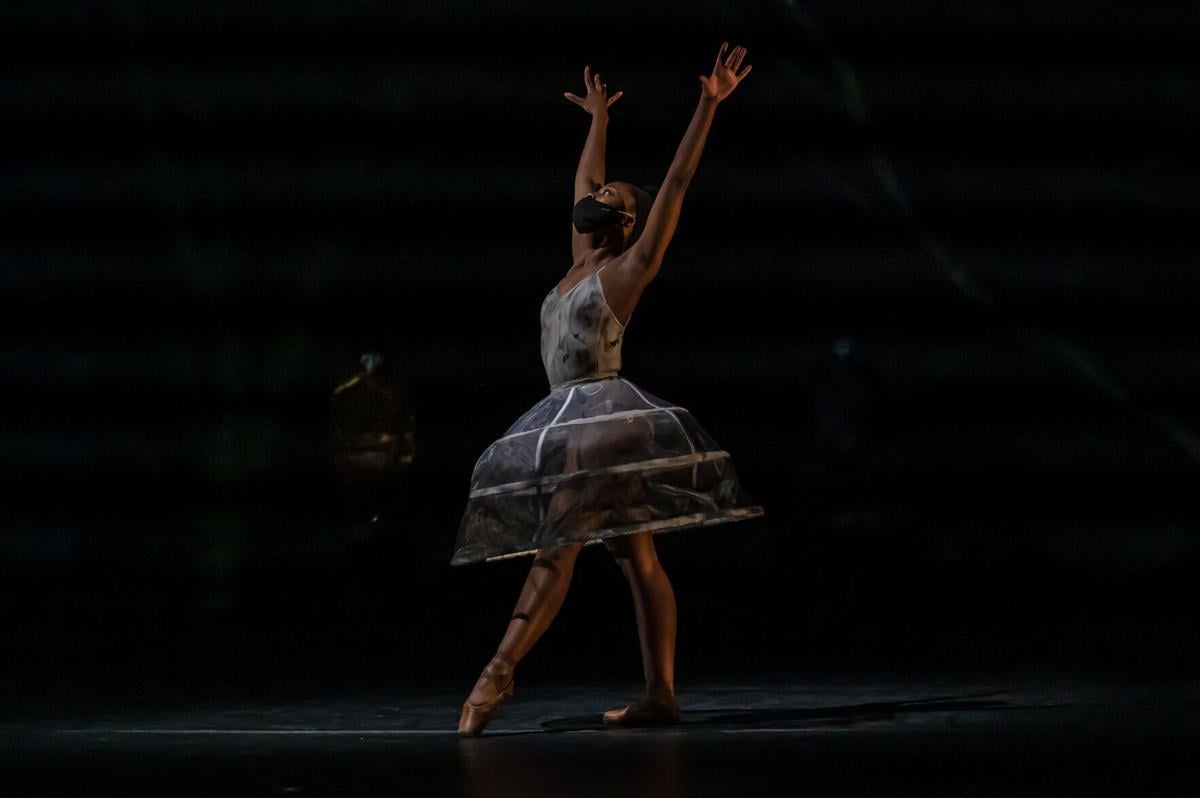
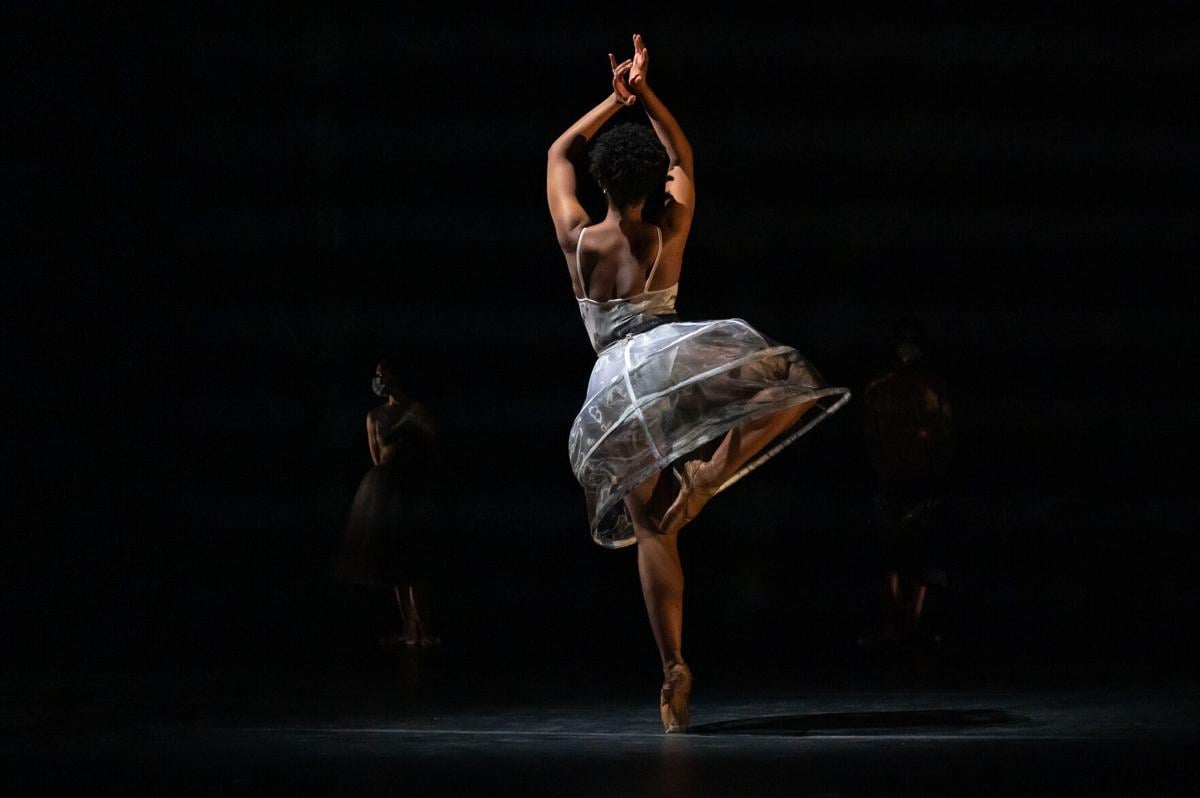
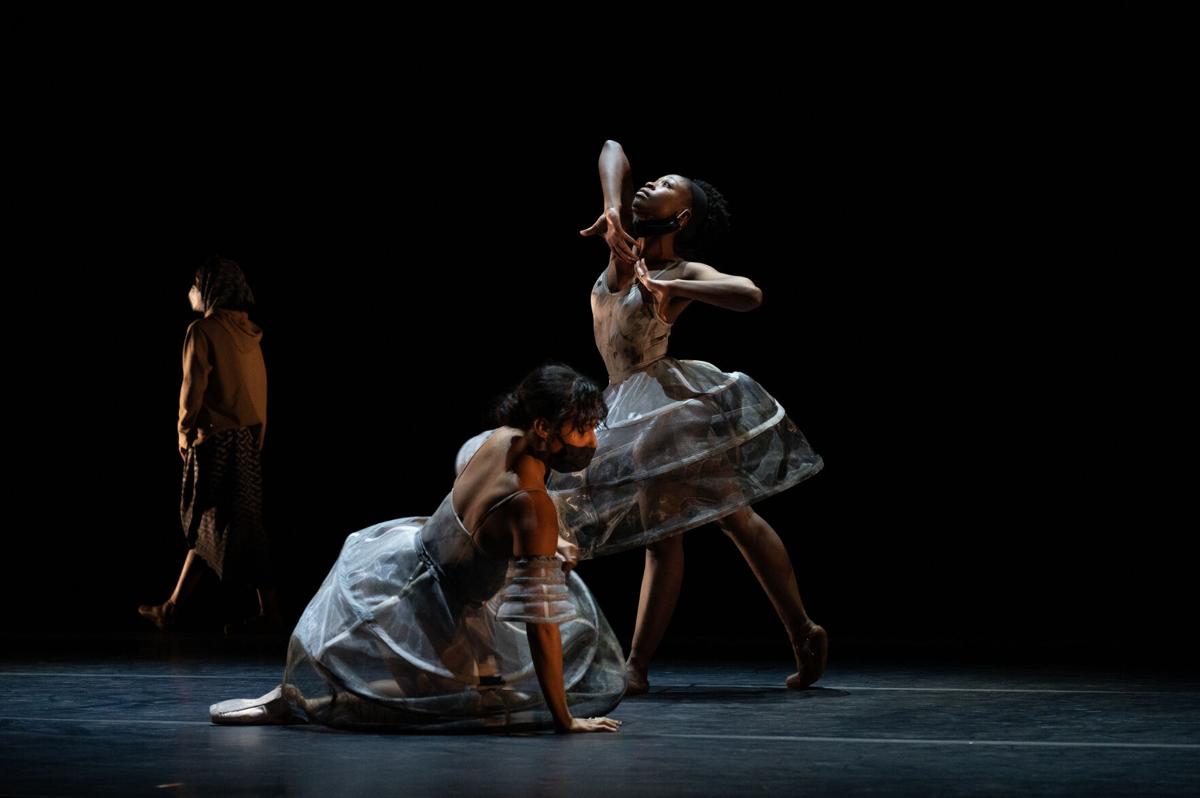
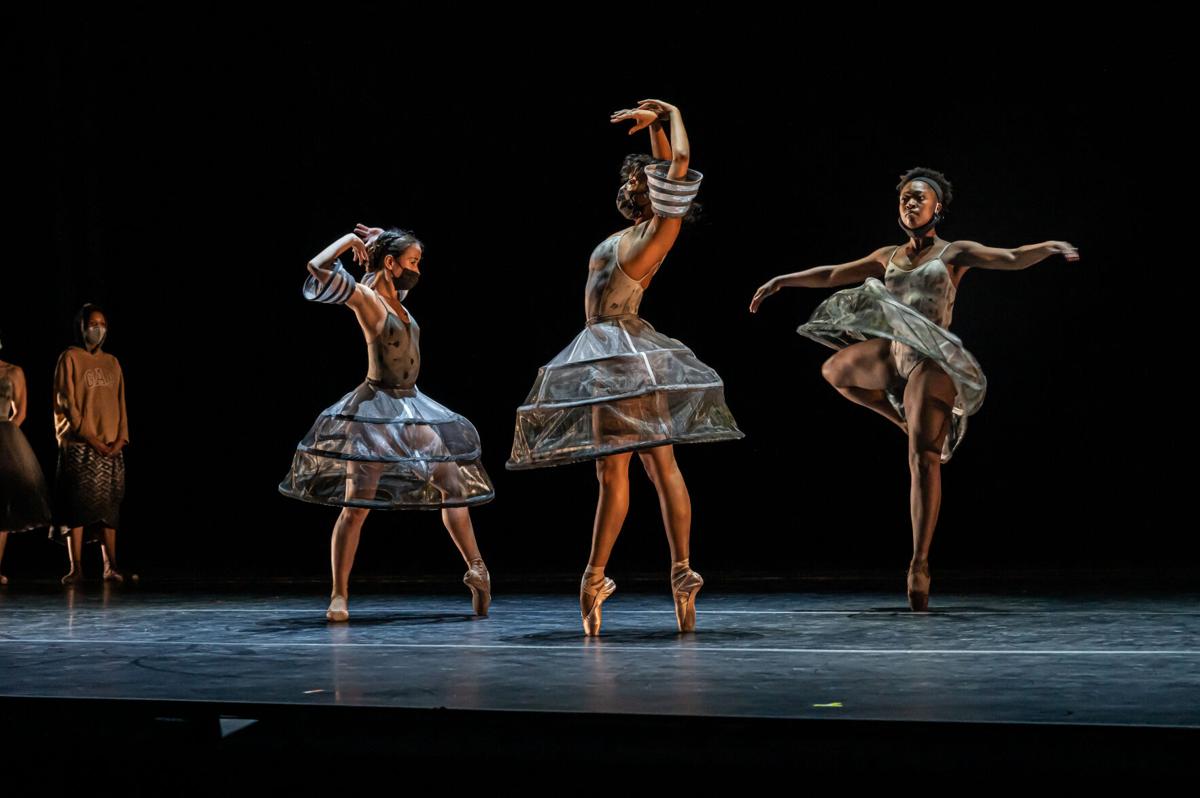
The music that wraps around the ‘living’ dancers — those costumed in color — reflects that joy, and it sets a beautiful tone for the contrast between the present and past — those clad in gray tones. There are a myriad of grayed costumes, but each is distinctly era-specific while not taking away from the unit as a whole. The costuming is seamlessly cohesive.
With a special focus on highlighting the wealth of artistry and rich history of Nashville, Paul's connection to music and passion for community have led to collaborations with local artists and musicians, the Tennessee State Museum, and the Nashville City Cemetery.
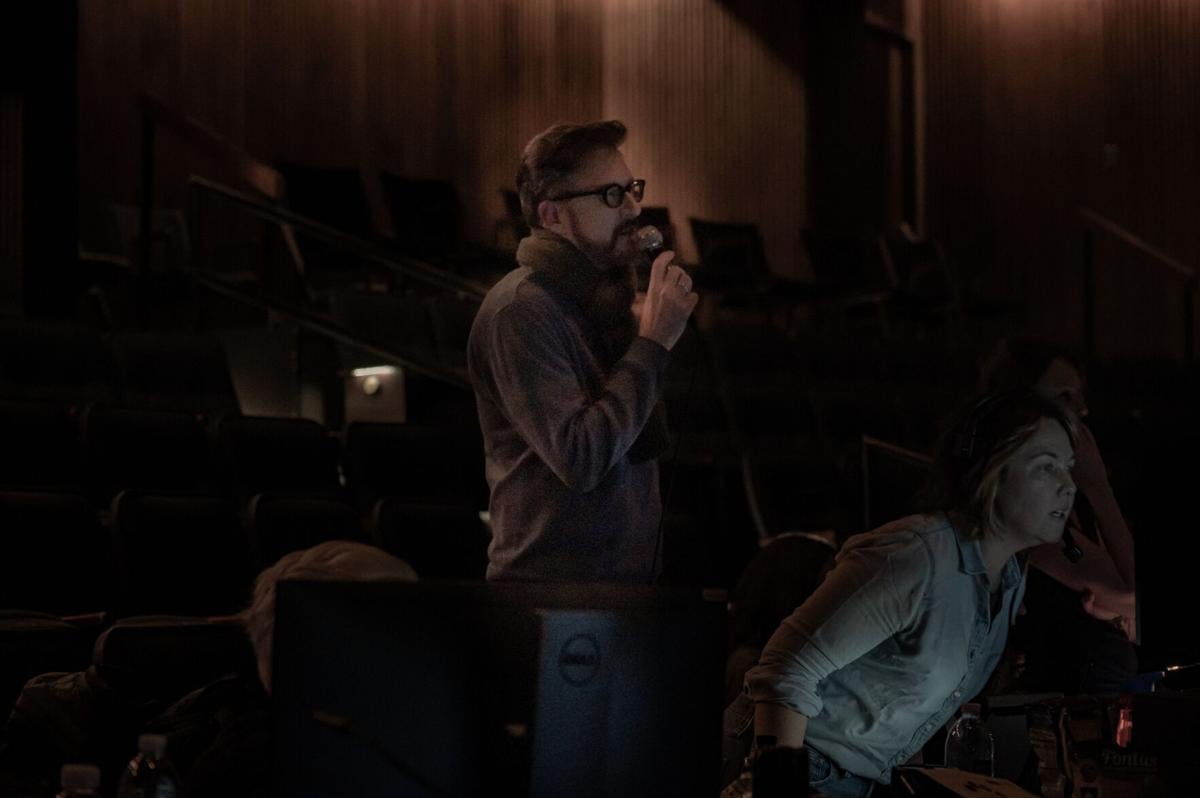
In the Anthology episodes of Nashville Ballet’s podcast series, “Inside the Ballet,” lauded Artistic Director Paul Vasterling points out: “We usually don’t tell happy stories of history, and, of course, stories are controlled by those who are in control.” Both of these are things Paul is looking to subvert in Anthology.
Dance lends itself more to poetry than to prose, so these are shorter, poem-type Episodes about a wide range of the characters that make up Nashville’s rich cultural tapestry. While inspired by history and not a factual retelling, Anthology is akin to a living museum, filled with characters that even I, as a native Nashvillian, had never encountered. They were utterly overlooked in elementary curriculum.
The First Peoples, Lucinda Bedford, and Morris Frank are just a few figures featured here. Especially enlightening is Shabaz Ujima’s choreographic rendition of the construction of Ft. Negley — an intergenerational cast (10–74 years old) embodies the plight of the builders. These formerly enslaved people were dubbed “contraband” because they were regarded as “property that is illegal to possess,” and yet these people were conscripted by the Union to assemble Nashville’s Ft. Negley. Shabaz’s portrayal of this injustice is both discordant and thought-provoking.
Truly, if you are on the fence about attending this tremendous show, do not hesitate any longer. Paul Vasterling’s farewell is shaping up to be phenomenal — one of Nashville’s finest works.
Karin Mathis
Managing Editor


