
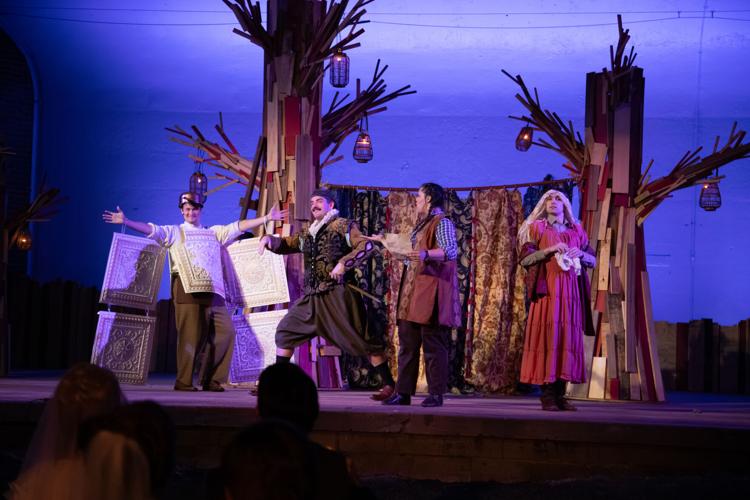

After seven seasons away, the Nashville Shakespeare Festival has returned to Centennial Park’s bandshell for a jubilant production of William Shakespeare’s most performed play, A Midsummer Night’s Dream.
Since 1988, Shakespeare in the Park has offered free professional theater at Centennial Park. The pay-what-you-will festival strives to make Shakespeare’s works accessible to the masses, both in cost and in language.
Executive director Isabel Tipton-Krispin calls Nashville Shakes a “language-first” company that focuses on highlighting Shakespeare’s beautiful phrasing.
“99% of the time, people are surprised at how much they understand, how much it applies to their own lives, how relevant it is,” she says. “That’s what caused Shakespeare to endure all of these years.”
The company’s return to the bandshell is a triumph for artistic director Jason Spelbring, who admires how the park creates a different ambience for each performance.

Shakespeare in the Park joins the chorus of nearby soccer matches, Musicians Corner performances and conversations between friends strolling the grounds. This setting feels Elizabethan to Jason, reminding him of the delightfully rowdy nature of traditional Shakespeare performances.
“The groundlings were never quiet, and there was a lot of call and response,” he says. “It feels like we’re doing a gentle nod to what audiences would have experienced in Shakespeare’s time.”
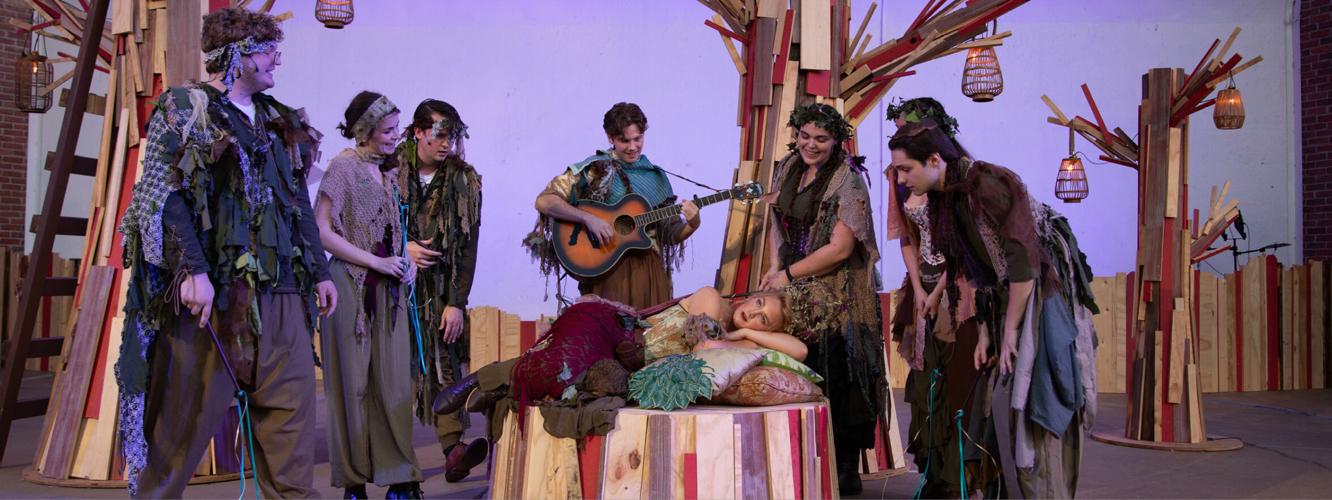
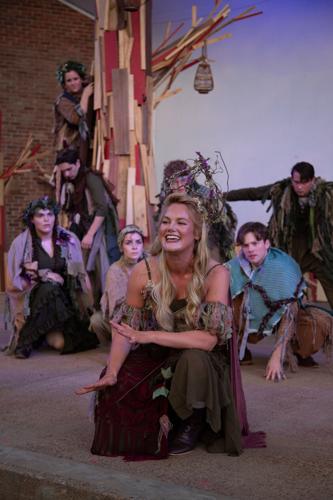
Nashville Shakes’ A Midsummer Night’s Dream masterfully lends itself to this atmosphere. The production’s dynamic cast, precise comedic timing and reclaimed set design effortlessly whisk guests into an Athenian dreamscape — all while staying rooted in Centennial Park.
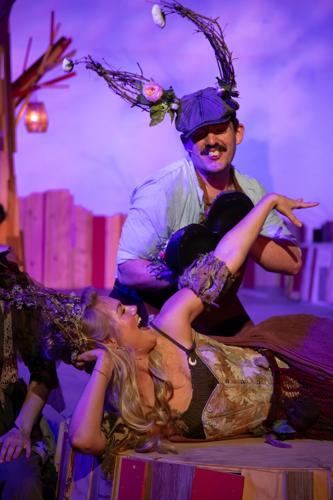
Take Andrew Johnson’s performance as Nick Bottom, for example, where he playfully stops clapping his hooves to point out a passing helicopter or a particularly rumbly engine.

Jason cites the 1917 Cottingley Fairies hoax, in which two young English girls doctored photographs to depict real woodland fairies, as a key inspiration for the production’s whimsical, yet grounded feel.
“It felt like the way in was to acknowledge that we were in a public park,” says Jason. “Instead of trying to force a scenic design or something that felt out of the world, we would just lean into that world, which is Centennial Park.”
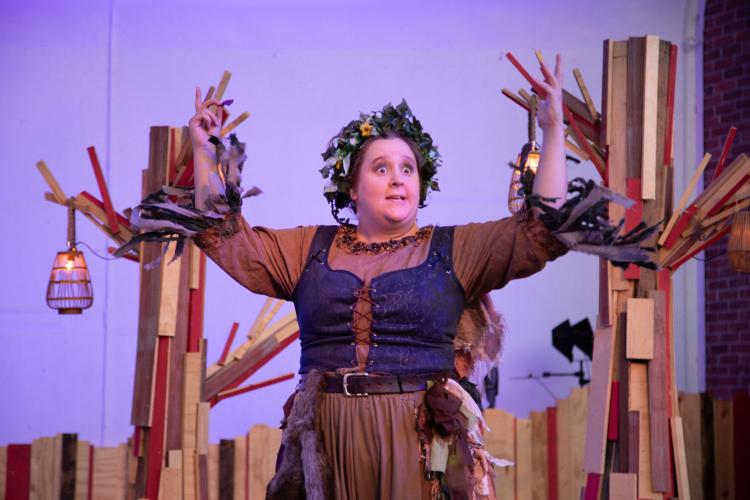
The set, which Jason calls “rusticly charming,” features climbable tree structures made from reclaimed materials. “I [wanted] it to look like they were gathered from the forest floor,” he says.
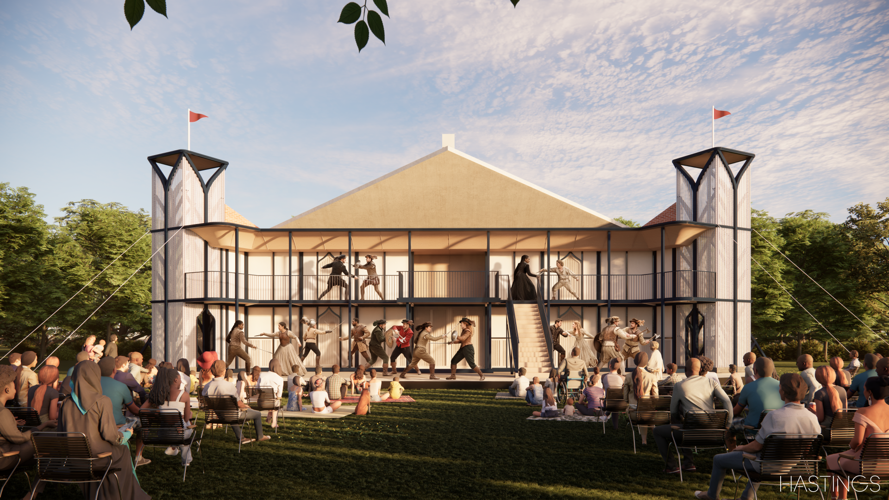
Next summer, Shakespeare in the Park will be elevated with a new Elizabethan-style playhouse, inspired by Shakespeare’s Globe.

Designed by Hastings Architecture, The Playhouse will further audience immersion — and the company’s sustainability practices. The structure can easily be stored and reused each season, preventing set pieces from ending up in landfills.
“We really saw this as the next step in increasing our sustainability [and being] more eco-friendly as a company,” says Isabel. “Future directors will have the opportunity to use The Playhouse, and they can speak about the setting and the sense of place through costumes, props and other things, but the set will more or less remain the same.”
Jason hopes The Playhouse will become an iconic Nashville symbol — one that park visitors see going up each summer that tells them Shakespeare in the Park is on the way.
“It will have a consistent visual structure that will be creatively used by any production that’s on it,” he says. “And I think what’s exciting for patrons, too, is, ‘What are they going to do this year with the Playhouse? … How is it going to help tell the story of The Winter’s Tale or Romeo and Juliet?’”
A Midsummer Night’s Dream is running now through Sept. 20. For more information, visit https://www.nashvilleshakes.org/shakespeare-in-the-park.


Commented
Sorry, there are no recent results for popular commented articles.