


While Nashville is known as Music City, it is a variety of performing and visual arts that truly bring character to Nashville. This year we profiled just some of the incredible organizations dedicated to music and movement that elevate the city.
Since their inception, these organizations have helped Nashville’s light shine brighter and to bring arts to a greater section of the community. Step inside as we talk history, legacy and the future with some of Nashville’s institutions of music and movement.
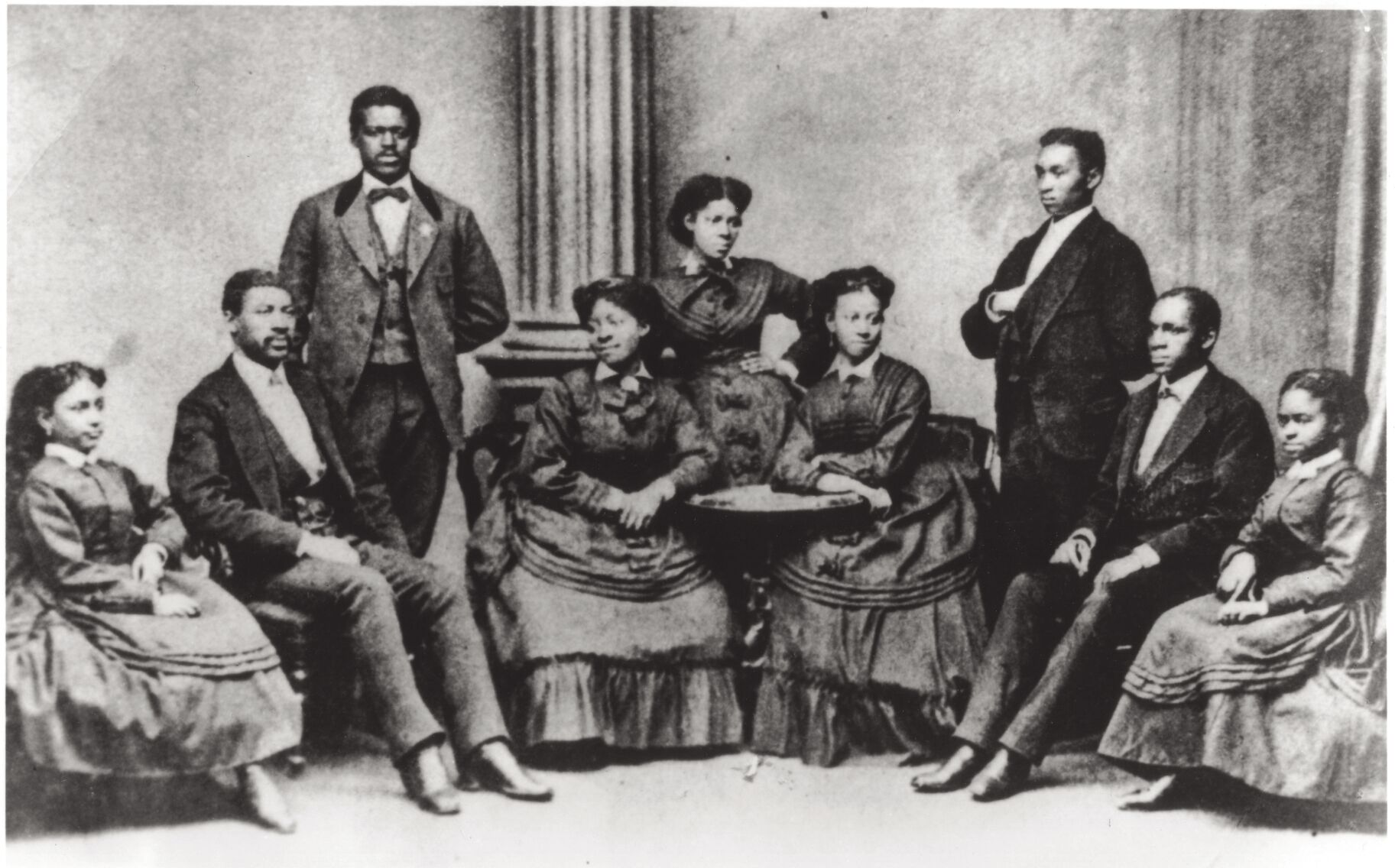
Jefferson Street has been the home of internationally celebrated music since 1871 when a group of formerly enslaved students formed the famous Fisk Jubilee Singers and traveled the world bringing their unique sound and songs. The name Music City originates from the global attention this group brought to Nashville based on their extraordinary singing skills. The Fisk Jubilee Singers were formed to raise money for the newly formed college. The songs of hope they performed were those from their formerly enslaved days and are the foundation of Gospel music today.
The origins of the Fisk Jubilee Singers started with a concert in Cincinnati on Oct. 7, 1871. The group performed in front of a modest crowd, and they made only $40 from that performance. When they left the stage, they heard about the Great Chicago Fire which had burned over 2,000 acres of the city. The singers met and decided to give 100 percent of their proceeds from their first concert to a fund created to help Chicago rebuild. These students and their school did not have much money, but they believed Chicago needed the money more than they did. After such a poor start, the students considered quitting and returning to Nashville. George White — the treasurer of Fisk and founder of the group — went to bed that night and prayed for the students and for more inspiration for the tour. Through prayer, George felt inspired to add a biblical name for the group: Jubilee, meaning a time in the Bible in which enslaved people gained their freedom. In this meditation, he found a new name and new excitement for the group.
The incredible act of kindness to the city of Chicago came back to them tenfold. Newspapers across the country covered this generosity and the group soon received invitations to sing from larger cities and venues. The ensemble became so popular that an impostor group was formed to take advantage of the Fisk Jubilee Singers’ fame. Groups emerged with names like “The Nashville Students,” “Tennessee Jubilee Singers” and “Jubilee Gospel Singers,” but it was the authentic Fisk Jubilee Singers that were carried on to fame. The most famous people known nationwide from Nashville in the 19th century were Andrew Jackson and the Fisk Jubilee Singers.
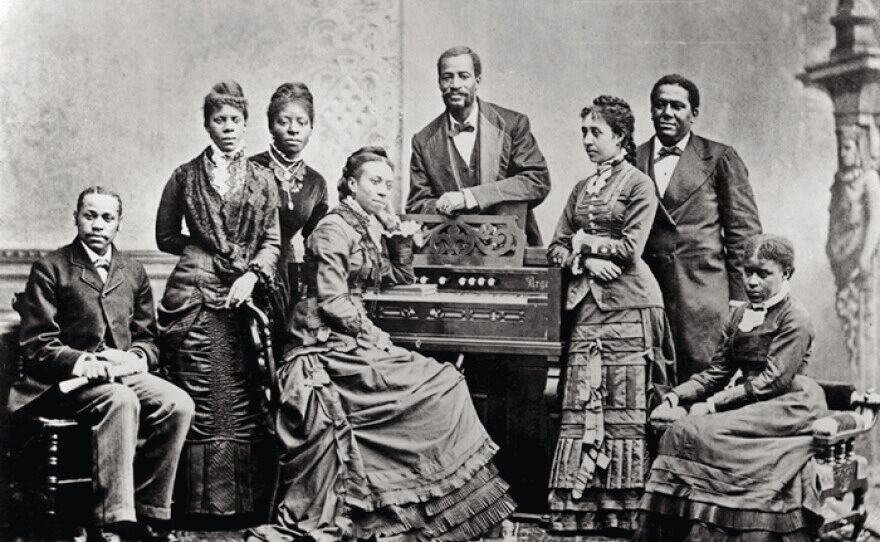
The Jubilee Singers have performed at the White House for several United States presidents and — most famously — for Queen Victoria in 1873. The Queen, so impressed by the students, commissioned her royal portrait artist to paint a full-size painting of the singers, which she gave to the students and still hangs in Jubilee Hall today.
Their 1873 European tour raised over $200,000, helping build Jubilee Hall — named in their honor — which was the first permanent dorm built for African Americans in the United States and remains a national landmark.
In 2021, the Fisk Jubilee Singers celebrated its 150th anniversary with their first GRAMMY Award for their performance “Celebrating Fisk,” recorded live at the Ryman Auditorium. It is fitting that the Singers’ Ryman performance gained such attention because — when the Ryman opened in 1892 — the Fisk Jubilee Singers had one of the first concerts in the new building as a fundraiser for Captain Ryman’s tabernacle.


Commented
Sorry, there are no recent results for popular commented articles.