
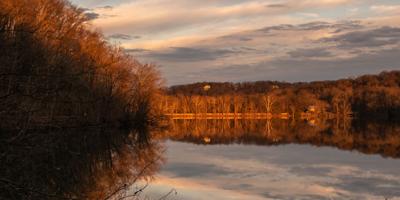
Radnor Lake State Park ranks among the most beautiful places to view wildlife in Middle Tennessee, and stewards of the state park and natural area intend to keep it that way, by restoring native grassland habitat to support indigenous birds and butterflies.
“If we don’t restore these habitats and preserve them, then we’re going to lose species at Radnor,” says park manager Steve Ward, who oversees the beloved 1,400-acre park. “Monarch butterflies are the next conservation success or failure of our generation.”
When it comes to nurturing monarchs, milkweed is key. So, the native plant is the number one component in a 15-seed mix that the park team has developed with Roundstone Native Seed in Kentucky, to sow on approximately 50 acres of former farmland. (Packets of Radnor Lake Native Grassland Initiative Mix are available for sale in the gift shop.)
Beginning in 2013, after extensive research to identify former grassland areas surrounding the 85-acre lake, the team began chipping, burning and treating the hillsides on either side of Hall Drive, off Otter Creek Road, to cultivate native vegetation to support birds, butterflies and other native fauna. After a few years of experimentation and “an ugly stage” of relatively ragged growing, the plantings have reached elegant maturity, with lush summer shows of goldenrod, milkweed, black- and brown-eyed Susans, bergamot, coneflower, partridge pea and native grasses.
The best spot for viewing Radnor’s mature grasslands is on the paved path connecting Otter Creek Road to the Barbara J. Mapp Aviary Education Center. (From the visitor center, turn left onto Otter Creek Road, then turn right onto Hall Drive and follow signs toward the aviary.)
Or roll up your sleeves to help with the cultivation of future grasslands, in volunteer activities such as invasive plant removal and trail maintenance. With funding from Friends of Radnor Lake, the Iris Fund license plate program and other donors — including a recent grant from Piedmont Natural Gas — the Native Grassland Initiative concentrates its work between Oct. 1 and April 1, in order to minimize interruptions to nesting cycles.
For volunteer schedules and opportunities, visit RadnorLake.org.


Commented
Sorry, there are no recent results for popular commented articles.