
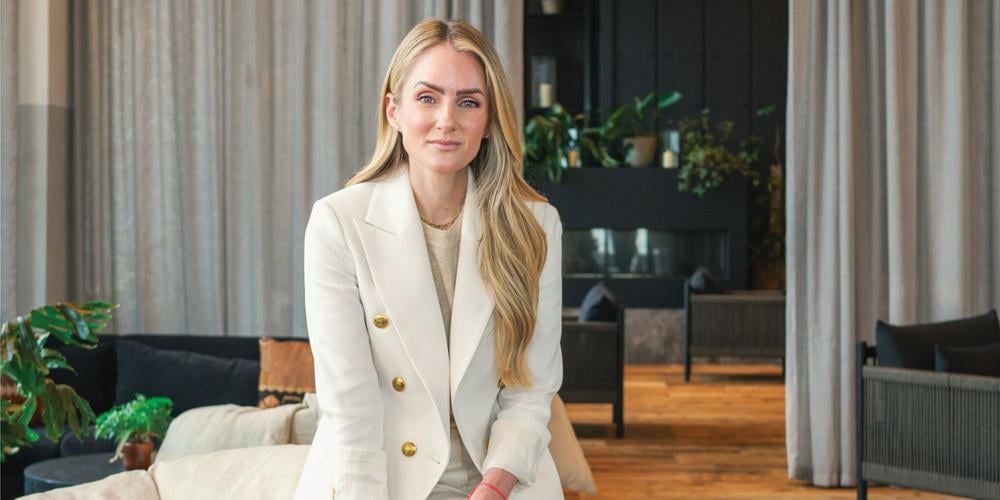
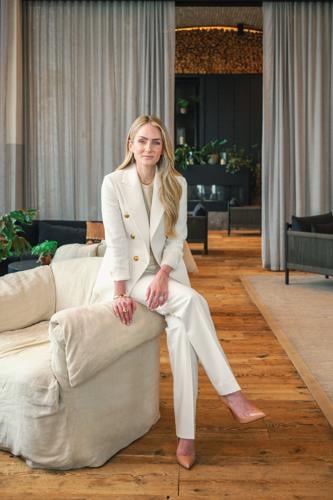

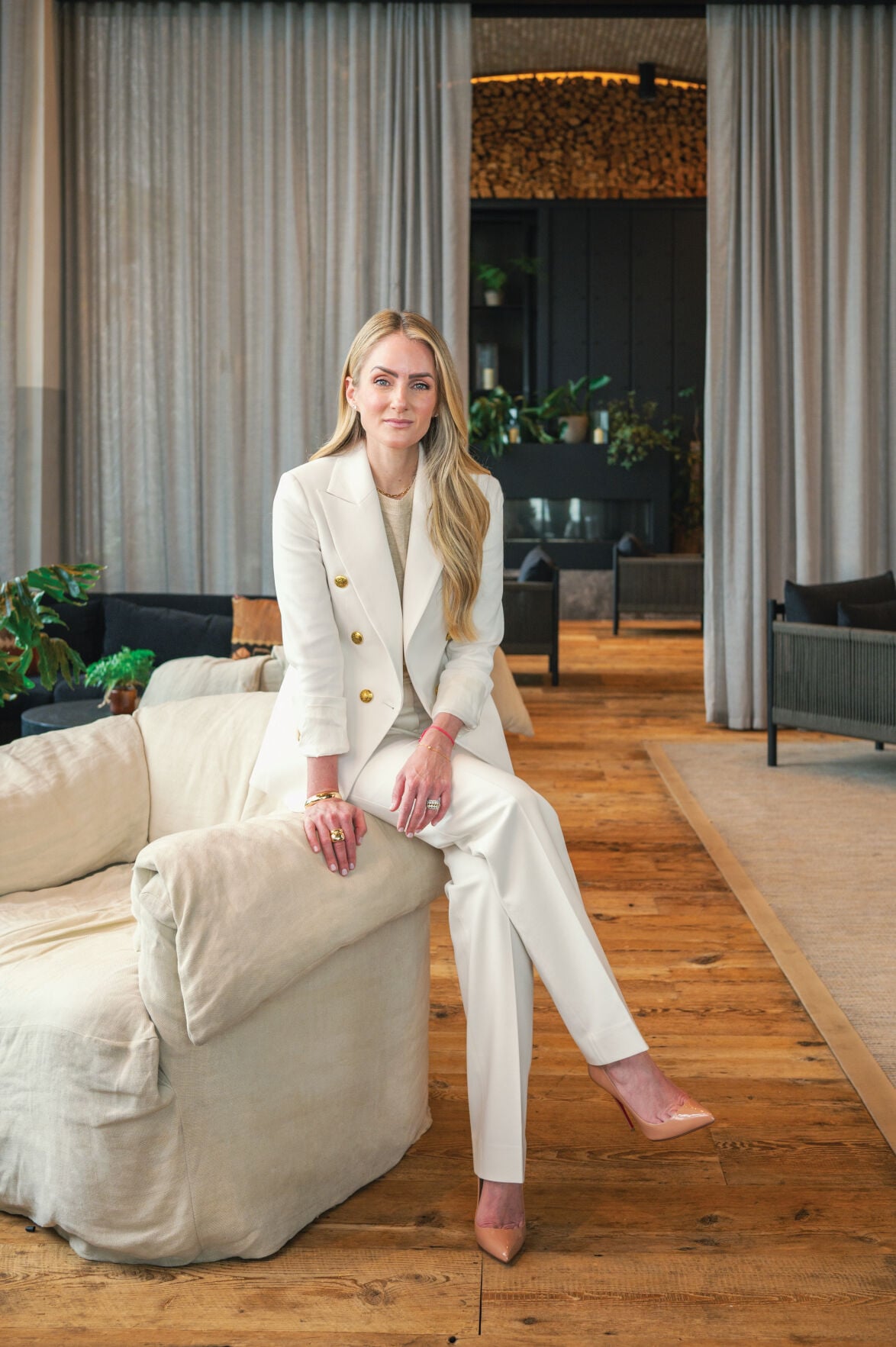
Before Alyssa Rosenheck picked up a camera, she didn’t think she was creative. She was 32, she’d just been diagnosed with cancer, and she’d resigned from her job after more than a decade in the corporate world. What began as a cathartic hobby quickly turned into a career: Alyssa is now one of the most sought-after architectural and interiors photographers in the country. She has received numerous accolades, and Architectural Digest has named her a leader in her field. She’s also published the best-selling photography book The New Southern Style.
For Alyssa, photography is more than an art form — it’s an opportunity to connect with the world around her. As a speaker on creative courage, her influential voice resonates globally. Recognized by Forbes, People and Good Grit magazine, she passionately advocates for creative energy in the South. Alyssa’s dedication shines as a guiding light and thought leader to aspiring entrepreneurs, with whom she generously shares insights. Her commitment to service underscores her profound impact and enduring creative legacy. With her education in countering antisemitism, Alyssa brings both depth and resilience to her compelling narrative, challenging perspectives and fostering unity.
What drew you to photography, and specifically interior photography?
I picked up a camera for the very first time as a healing catharsis when I was diagnosed with cancer in 2014. At 32 years old, I’d never thought I had a creative bone in my body. I had just resigned from the corporate world after a little over a decade, and photography became a source of visual peace for me. It felt like a form of prayer — like a moving meditation — and it gave me a sense of stillness for the first time in my life.
I’ve always loved interiors. But more than that, I’ve been drawn to the way spaces have the power to evoke warmth, comfort and a deeper exhale. Beyond the layers, I’m inspired by the way light moves throughout a space.
Where do you find inspiration?
I find inspiration in my willingness to be fully present and still. It’s not just about existing, but about leading a life, tearing down the barriers we’ve built, and having the courage to embrace connection and sensitivity to the world around us. This entails experiencing the beauty, the pain, the fear, the healing, the growth, the acts of service, and the considerations that confront us daily.
The way I define creativity is as a fancy word for “listening” — it’s about slowing down, tuning in and seeing the world through the lens of the heart, rather than judging with our eyes. When we do this, we are able to hear the “small gentle whispers” that allow us to discover inspiration in the ordinary moments of each day.
Can you describe a specific project that exemplifies your purpose when capturing interior spaces?
My first book, The New Southern Style, exemplifies the purpose behind my work. In this project, I aimed to add substance to an industry often focused on style. I showcase creative entrepreneurs who have strong ties to the South, along with their living spaces — places where we live, love, grow and heal. Through intimate stories shared from these spaces, I explore themes of life pivots, creative courage and our ongoing journey toward becoming the architects of our lives.
In my work, I strive to transcend mere documentation of physical spaces by infusing storytelling details that communicate my client’s brand and elicit emotions from viewers. A few obvious ways to do this are through careful composition, framing, lighting, shadows, perspective and negative space.
When you’re not photographing spaces, what brings you joy?
Outside of my work in photography and writing, finding joy in life has become increasingly important, especially given the current state of the world. Lately, I’ve focused on cultivating moments of peace amid the chaos. Interestingly, this journey has led me to an unexpected role as an educator on antisemitism, given the resurgence we’re experiencing in our country.
I recently had the privilege of collaborating with the Holocaust Museum in Los Angeles on a new exhibit titled To Paint Is to Live, which explores art and creativity as forms of resistance. It’s important to note that current statistics reveal that 1 in 5 young Americans believe the Holocaust was a myth. Additionally, I had the opportunity to spend time in Israel in February to participate in a documentary and share survivor stories.


Commented
Sorry, there are no recent results for popular commented articles.