




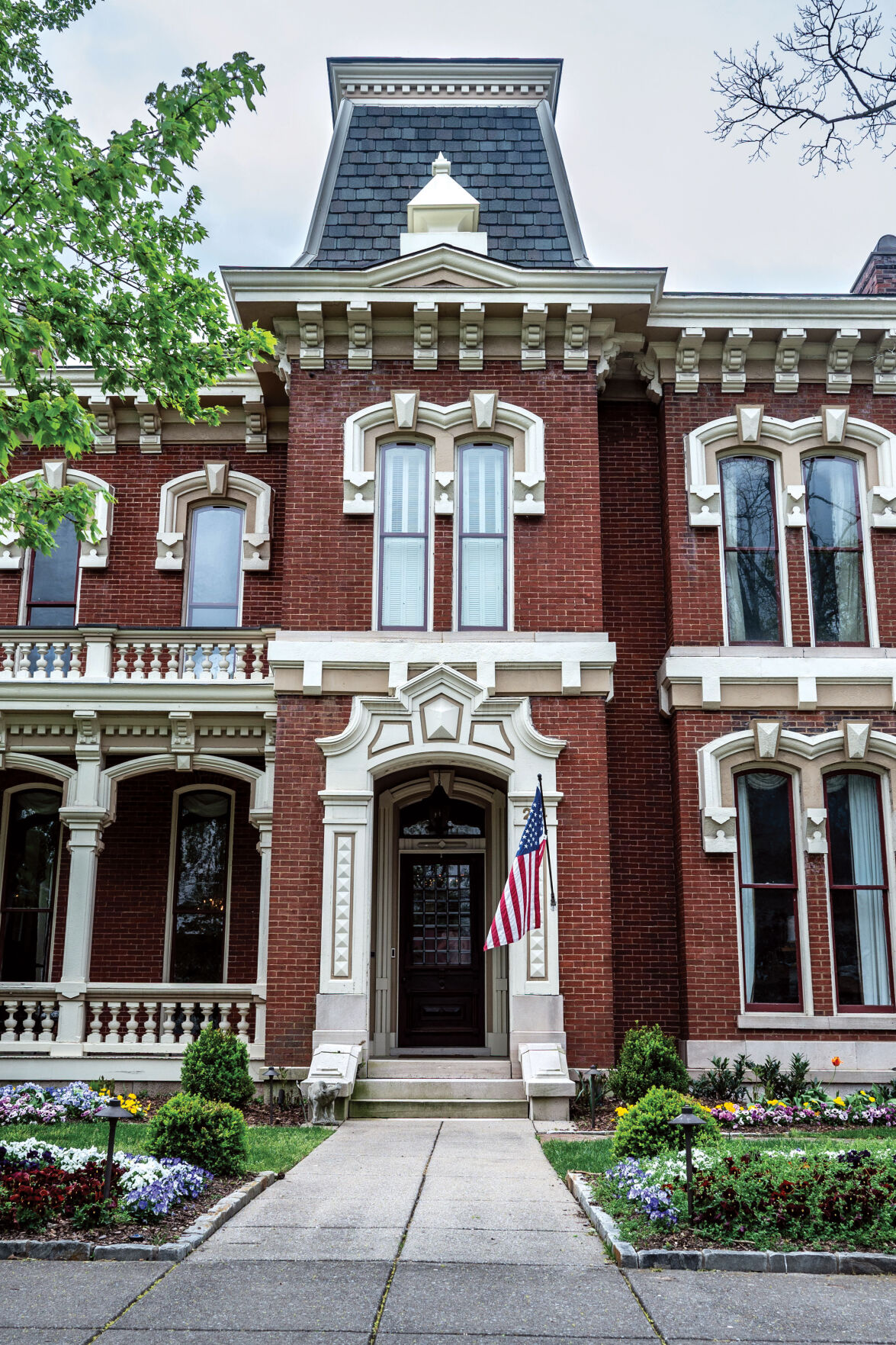
On a tree-lined street in downtown Franklin sits one of the crown jewels of the neighborhood — the Watson House. The Second Empire home was built in 1881 by Hugh Cathcart Thompson, who also designed the Ryman Auditorium and the Utopia Hotel — now part of the Dream Hotel. Built for Susan Catherine “Kitty” Puryear Watson, the home was suggested to be the most expensive home in Franklin at the time. The home’s architecture was heavily influenced by the French Renaissance, with the mansard roof, elaborate ornamental details and strong massing — all notable trademarks of the style that was most popular in the United States from 1865 to 1900.
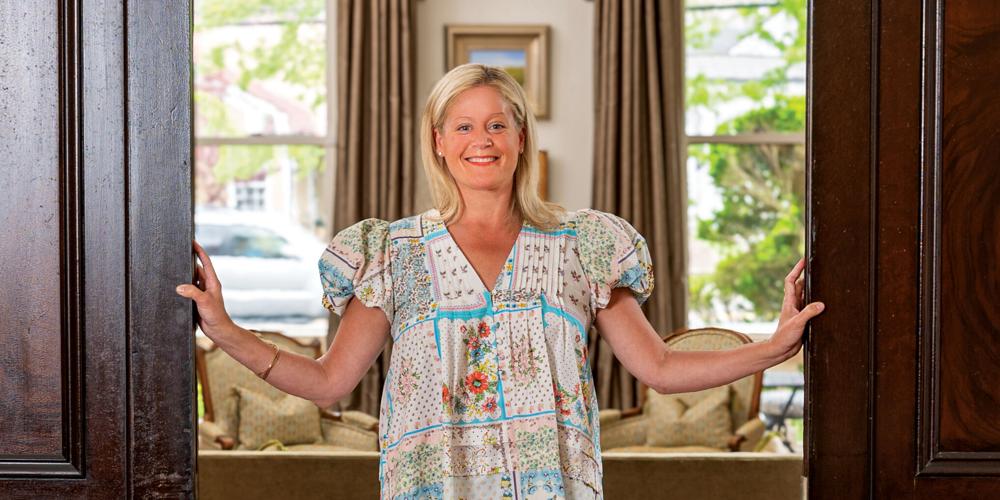
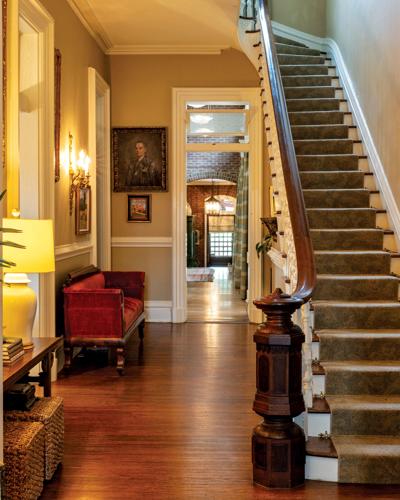
The Watson House stayed with the original family for over a century. When eighth-generation Nashvillian Ellen Smith saw the home, she knew it would be perfect for her two growing boys. While the exterior initially drew Ellen to the home, she was also enchanted by interior details, like high ceilings, pocket doors and a fireplace in each room. Ellen — an active board member of the Heritage Foundation — is a preservationist at heart. Having restored other homes, she knew this would be difficult, but she believes that preserving historic homes greatly contributes to the community’s cultural and architectural heritage. “What happened in the past helps us understand how we got to where we are now,” she says. “Some stories warm your heart, while some can also break it.”
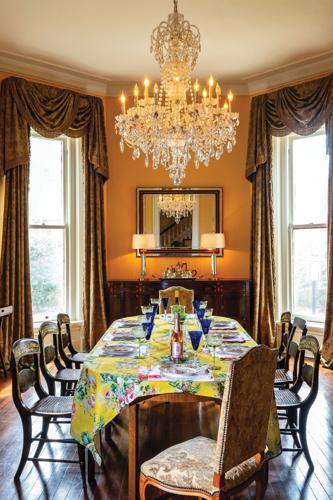
Ellen knew going into it that restoring the home would be an extensive task. She enlisted the help of preservationist Ridley Wills III of the Wills Company, with whom she had worked on previous homes. Ridley took on the project with an eye for preserving the space to maintain historic elements while ensuring amenities for the modern family. “Some of the challenge was to keep and bring back the character of [the home’s] original architecture — editing rather than further complicating the spaces,” says Ridley. As happens in a renovation, there are stories of discovery, which can at times be heartbreaking and at others, delightful. One delight came with the reanimation of the pocket doors that separated the living room from the dining room. For years, they had been stationary with mechanisms that no longer worked. The team at the Wills Company were able to give new life to the mechanisms — and the doors themselves.
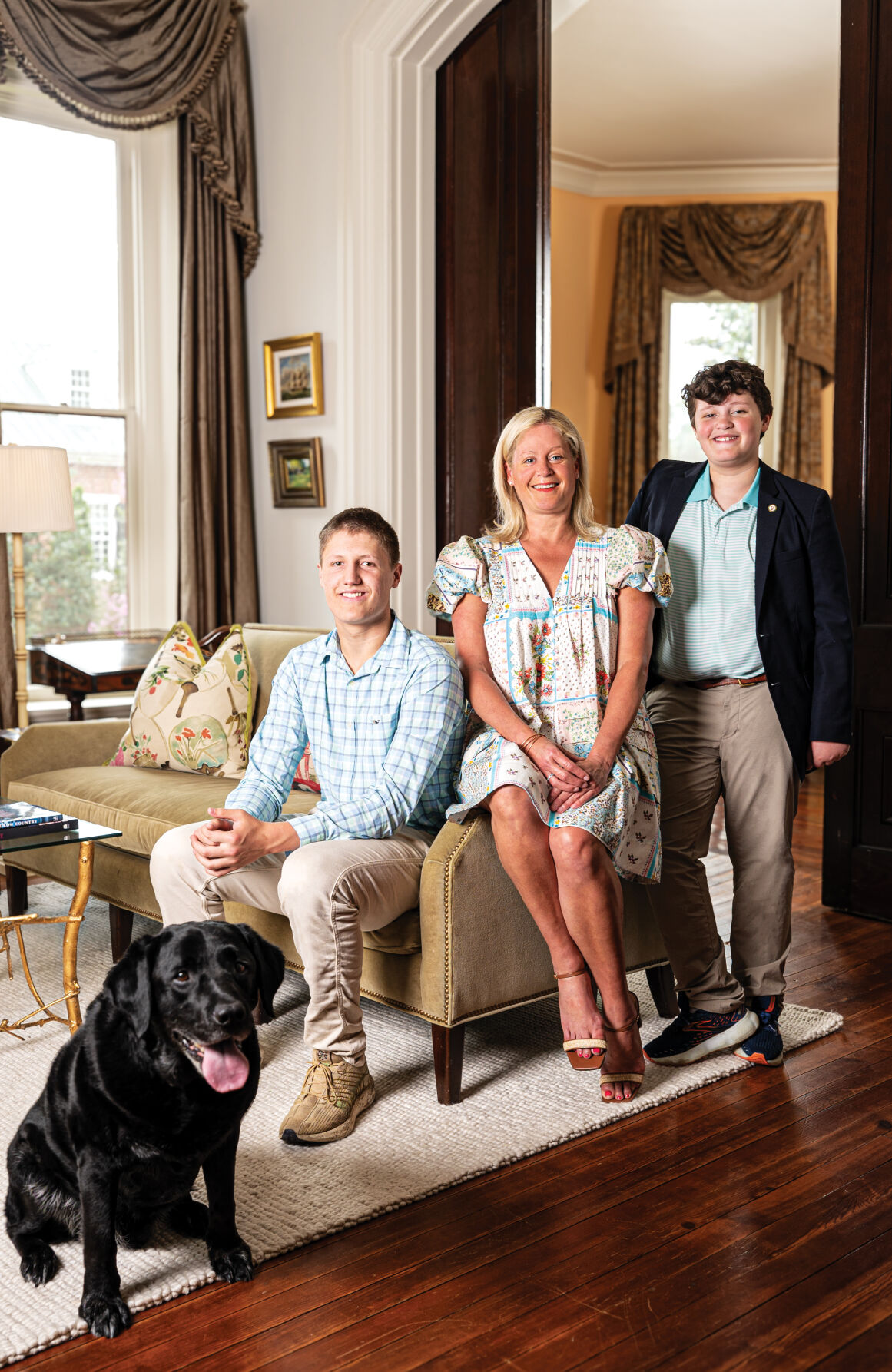
Post-renovation, the house gives Ellen space to watch her boys grow. While Watson House is her home, Ellen believes that homeowners play a broader role in the effort to conserve and celebrate the architectural heritage of our cities and towns. Often, visitors will stop in front of the towering residence to take pictures and admire the well-preserved structure, as well as the other beautiful homes on the street. “Seeing visitors stop and take pictures of our [neighborhood’s] historic homes and buildings makes us happy,” she says. “We want people to visit Franklin and fall in love with this historic town.


Commented
Sorry, there are no recent results for popular commented articles.